
The Complete Guide to Garden Soil Delivery
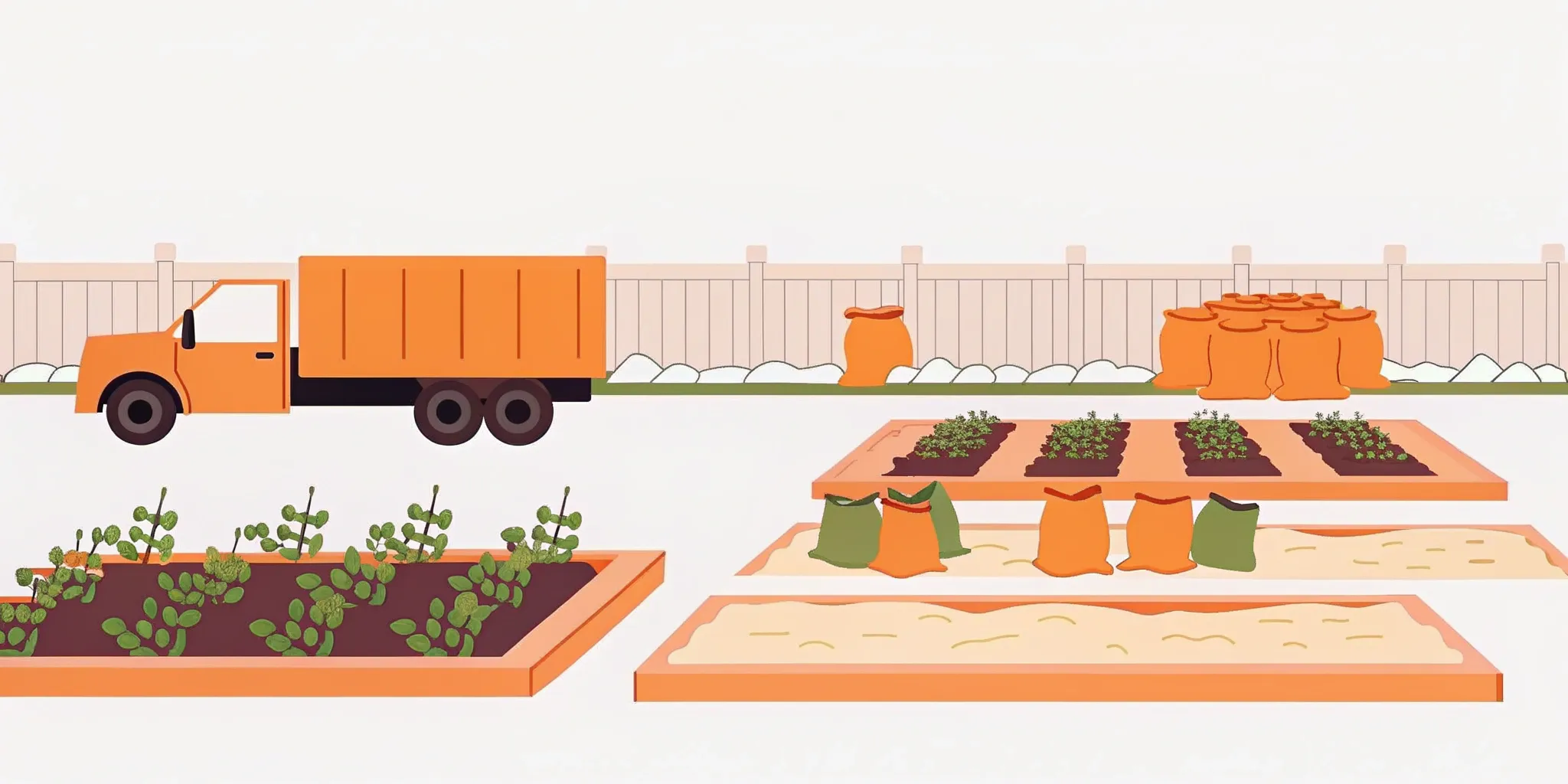
Have you ever put your heart into a garden only to watch it struggle? It’s a frustrating experience, and the hidden culprit is often the soil itself. Not all dirt is created equal, and the generic, bagged soil from big-box stores can be inconsistent, lacking the vital nutrients your plants crave. Giving your garden the best possible start means investing in high-quality, nutrient-rich soil from a trusted source. A reliable garden soil delivery service provides premium, expertly blended topsoil and compost that create the perfect environment for strong roots and healthy growth. In this article, we’ll cover how to identify top-tier soil and find a trustworthy company that will set your garden up for success.
Key Takeaways
- Choose the right soil for your specific goal: Whether you're growing vegetables or seeding a lawn, selecting the correct blend is crucial. Test your current soil to identify its needs and use a volume calculator to order the perfect amount for your project.
- Find a supplier you can trust: Look for companies that are transparent about their products and hold certifications, like NYSDEC permits, which indicate a commitment to quality. Before placing an order, confirm their delivery area, fees, and policies to avoid any surprises.
- Prepare for delivery and plan for the future: Before the truck arrives, clear a convenient spot for the soil drop-off and gather your tools. To keep your garden thriving for years, remember to maintain soil health by adding fresh compost annually.
What Types of Garden Soil Can I Get Delivered?
When you decide to get soil delivered, you’ll quickly find that "garden soil" isn't a single product. Different projects require different soil compositions to get the best results. From nutrient-rich compost to finely screened topsoil, understanding your options is the first step toward building a thriving garden or a lush lawn. Let's walk through the most common types of soil you can have delivered right to your driveway.
Premium Topsoil and Screened Soil
Think of topsoil as the foundation of your landscape. It’s the uppermost layer of earth, full of the organic matter and microorganisms that plants need to grow. When you order premium topsoil, it’s usually been screened, which means it has been filtered to remove rocks, roots, and other debris. This process leaves you with a fine, consistent material that’s easy to work with. Screened topsoil delivery is perfect for establishing new lawns from seed, filling raised garden beds, or leveling uneven spots in your yard before starting a project.
Organic Compost and Nutrient-Rich Blends
If topsoil is the foundation, compost is the superfood. It’s a dark, crumbly material made from decomposed organic matter like leaves and food scraps. Adding compost to your garden beds is one of the best things you can do for your plants. It enriches the soil with vital nutrients, improves drainage in heavy clay soils, and helps sandy soils retain water. Many companies also offer nutrient-rich soil blends, which mix high-quality topsoil and compost to create a perfect, ready-to-use garden soil that gives your plants everything they need to flourish from day one.
Specialty Mixes for Your Plants
Sometimes, your garden has very specific needs that a general topsoil or compost can't meet. This is where specialty mixes come in. For example, if you’re growing acid-loving plants like blueberries or azaleas, you’ll need a soil mix with a lower pH. If you’re planning a vegetable garden, you might want a mix with extra compost to support heavy-feeding plants. Whether you need soil with higher organic matter or a specific texture for better drainage, a good supplier can provide the ideal mix for your garden’s goals.
Bulk vs. Bagged: Which Should You Choose?
Deciding between bulk and bagged soil comes down to the scale of your project. Bagged soil from a garden center is convenient for very small tasks, like filling a few containers or amending the soil in a tiny flower patch. For anything larger, bulk delivery is almost always the better choice. Ordering bulk bags or a loose pile is far more cost-effective per yard and saves you from hauling dozens of plastic bags. It’s the go-to option for filling new garden beds, topdressing a lawn, or handling any significant landscaping job.
How to Choose the Right Garden Soil
Picking the right soil is the foundation of a great garden. It’s about more than just filling a space; it’s about creating the perfect environment for your plants to thrive. The best soil provides nutrients, supports strong roots, and manages water effectively. Before you place an order, taking a little time to assess your specific needs will pay off all season long. Here’s how to make sure you’re choosing the perfect soil for your project.
Test Your Current Soil
Before adding new soil, it’s smart to understand what you’re starting with. Think of it as a health checkup for your yard. A simple soil test gives you a baseline for important factors like pH, organic matter, and nutrient levels. Knowing this information helps you correct any imbalances and choose amendments or soil blends that will truly benefit your garden. You can get a soil test kit from a local garden center or send a sample to a lab for a more detailed analysis. This small step ensures you’re building on a solid foundation for healthy plant growth.
Match Soil to Your Garden Goals
What are you planning to grow? The answer will guide your soil selection. A vegetable garden, for example, needs a nutrient-rich blend with plenty of organic compost to produce a great harvest. If you’re planting a flower bed, you might need a mix that supports vibrant blooms. The right garden soil provides everything your plants need, from good drainage to the correct pH level. Take a look at the different types of soil and compost available to find the one that aligns with your gardening vision. Matching the soil to your plants is a key step for a successful garden.
Calculate How Much Soil You Need
There’s nothing worse than running out of soil halfway through a project. To avoid this, take a few minutes to measure your garden beds. Simply multiply the length by the width by the desired depth (in feet) to find the total cubic feet you need. For larger projects, buying in bulk is almost always more cost-effective than purchasing individual bags. To make it even easier, you can use an online volume calculator to get a precise estimate. This ensures you order the right amount the first time, saving you time, money, and a potential headache.
Consider Your Local Climate
Your local weather patterns play a big role in your soil’s performance. Here in the Northeast, we experience a wide range of conditions, from humid summers to cold, wet winters. If your area gets a lot of rain, you’ll want a soil that offers excellent drainage to prevent root rot. In hotter, drier spots, a soil blend with more organic matter will help retain moisture, so you won’t have to water as often. Choosing a soil that is well-suited to our regional climate gives your plants a head start and makes your garden easier to maintain throughout the year.
How Much Does Soil Delivery Cost?
Understanding the cost of soil delivery is a key part of planning your next garden or landscaping project. The final price tag can vary quite a bit, depending on what you need, how much you need, and where you live. The good news is that with a little planning, you can get high-quality soil delivered right to your driveway without breaking your budget. Let’s walk through the main factors that affect pricing and how you can make the most of your money.
How Delivery Pricing Works
The total cost for soil delivery includes two main parts: the price of the soil itself and the delivery fee. Nationally, you can expect a full project to cost anywhere from around $100 to over $2,000, which often includes the soil, delivery, and labor for spreading it. The delivery fee alone typically runs between $80 and $170. Your final cost depends on the type of soil you choose, the quantity you order, and your distance from the supplier. For a clear idea of what to expect in your area, it’s always best to check the company’s delivery information for specific rates and policies.
Save Money with Bulk Orders
If your project requires a significant amount of soil, buying in bulk is almost always the most economical choice. Purchasing soil by the cubic yard or truckload is far cheaper than buying dozens of small bags from a big-box store. A cubic yard of bulk topsoil might cost between $68 and $170, while getting that same amount in small bags could cost you several hundred dollars more. Ordering in bulk not only saves you money but also reduces plastic waste, making it a more eco-friendly option for your garden. You can explore different bulk bags to find the right amount for your project.
Find Free Delivery Options
For those on a tight budget, it’s worth looking into local resources for free materials. Many municipalities, community gardens, and local farms have programs that offer free compost or mulch to residents. These programs are designed to encourage local gardening and reduce green waste. A quick search for your town or county’s name plus "free compost" or "free mulch" might turn up some great options. While these materials might not be a complete replacement for specialized topsoil, they can be a fantastic way to supplement your garden beds without spending a dime.
Explore Budget-Friendly Alternatives
When you’re filling large or deep raised garden beds, you don’t necessarily need to fill them from top to bottom with purchased soil. A popular and budget-friendly technique is to fill the bottom third or half of the bed with free, organic materials like fallen leaves, small twigs, grass clippings, or cardboard. These materials will slowly break down over time, adding nutrients to the soil and improving drainage. This method allows you to use less purchased topsoil, saving you money. You can use a volume calculator to figure out exactly how much topsoil you’ll need for the top layer.
How to Find a Trustworthy Soil Delivery Company
Finding the right soil supplier is just as important as choosing the right plants for your garden. A great company delivers more than just dirt; they provide high-quality, consistent products and a reliable service that sets your project up for success. The wrong one can leave you with nutrient-poor soil full of weeds, rocks, and debris, creating more work for you in the long run. So, how do you tell the difference? It comes down to knowing what to look for and which questions to ask.
A trustworthy supplier will be transparent about where their soil comes from, how it’s processed, and what’s in it. They should have a solid reputation and be able to clearly define their delivery process. Taking a little time to vet your options will save you from future headaches and help ensure your garden thrives from the ground up. Think of it as the first and most important step in your landscaping project.
Our Commitment to Quality (NYSDEC-Permitted)
When you're looking for a soil supplier, check for official permits and certifications. For example, a company that operates NYSDEC-permitted facilities shows a serious commitment to environmental standards and quality control. This isn't just paperwork; it means they follow strict guidelines for processing materials, which results in a cleaner, safer, and more consistent product for your garden. A supplier with a strong reputation doesn't happen by accident. It’s built on reliability and a dedication to providing excellent materials. You can usually find this information on a company’s about page, which often details their mission and operational standards.
What Quality Indicators to Look For
Beyond permits, look for specific quality certifications. One of the best indicators is the US Composting Council’s Seal of Testing Assurance (STA), which means the compost has been tested for nutrient content, pH levels, and contaminants. Good soil should also pass a simple sensory test. It should be dark and crumbly with a rich, earthy smell. If it smells sour, feels overly sandy or clay-like, or contains visible trash, large rocks, and chunks of wood, it’s best to look elsewhere. A quality supplier will be proud to tell you exactly what’s in their soil blends.
Check Delivery Areas and Reliability
Before you get too invested, make sure the company actually delivers to your area. Most suppliers have a dedicated page outlining their delivery service area and policies. Check for clear information on delivery fees, minimum order quantities, and scheduling. A reliable company will be upfront about all costs and provide a clear timeline for your delivery. It’s also a great idea to read customer reviews that specifically mention the delivery experience. Were they on time? Was the driver courteous and able to place the soil in a convenient spot? These details make a huge difference.
Red Flags to Watch Out For
Be cautious of prices that seem too good to be true. Extremely cheap soil is often poor-quality fill dirt that lacks essential nutrients and may contain weed seeds or contaminants. Another red flag is a lack of transparency. If a supplier can’t or won’t answer your questions about where their soil comes from or how it’s screened, you should be concerned. Vague product descriptions and a clunky ordering process are also signs that you might want to find another option. A reputable company will be happy to answer your questions and help you choose the right product for your project.
How to Prepare for Your Soil Delivery
Getting a big pile of fresh garden soil delivered is exciting. It’s the first step toward a lush, healthy garden. A little bit of planning before the truck arrives can make the entire process go smoothly, saving you time and a potential headache. By thinking through where the soil will go and what you’ll do once it’s there, you can move from delivery to planting in no time. Let’s walk through a few simple steps to get you ready for delivery day.
Plan Your Delivery Spot
First, decide exactly where you want the soil dropped off. Pick a spot that’s easy for our delivery trucks to access but also convenient for you to move the soil to your garden beds. A driveway or a clear, flat area in your yard usually works best. Make sure to clear the space of any cars, toys, or other obstacles. To make cleanup a breeze, you can lay down a large tarp where the soil will be piled. When you place your order, you can add specific instructions, like a gate code or a note to drop the soil on the left side of the driveway. You can find more answers to common questions on our delivery FAQ page.
How to Install and Mix Your New Soil
Once your soil arrives, it’s time to get it into your garden beds. For new beds, a good rule of thumb is to use a mix of about 60% topsoil and 40% compost to create a nutrient-rich foundation for your plants. You can find the right soil and compost for your project on our products page. When adding new soil to existing beds, it’s important to blend it with the native soil. This helps prevent drainage issues that can occur when two different soil types meet. Use a shovel or tiller to gently mix the top few inches of your new soil with the old, creating a smooth transition for water and plant roots.
When to Schedule Your Delivery
Timing is everything. Try to schedule your delivery for a day when you have time to work with the soil shortly after it arrives. Leaving a pile of soil sitting for too long can expose it to the elements, and it might become a temporary playground for neighborhood pets. It’s also a good idea to check the weather forecast. A clear, dry day is perfect for moving soil. A heavy downpour can turn your fresh pile into a muddy mess, making it much heavier and harder to work with. You can learn more about our delivery information to find a time that works best for you.
Gather Your Tools and Equipment
Before the delivery truck pulls up, make sure you have all your tools ready to go. For most garden projects, you’ll need a sturdy wheelbarrow, a shovel, a garden rake for spreading, and a good pair of gloves. Having everything on hand means you can get to work right away. If you’re tackling a larger project, like installing a new lawn or leveling a large area, you might need to consider renting equipment or hiring a professional for services like land grading. We also offer a variety of landscape supplies to help you get the job done.
How to Maintain Healthy Soil Long-Term
Getting fresh, high-quality soil delivered is a fantastic start, but the work doesn't stop there. Think of your garden soil as a living ecosystem that needs ongoing care to stay productive. Maintaining its health season after season ensures your plants have the foundation they need to thrive. By adopting a few simple, long-term habits, you can protect your investment and continue to see beautiful results in your garden for years to come. These practices focus on keeping the soil structure sound, the nutrients balanced, and the environment perfect for root growth.
Watering and Settling Your New Soil
After your new soil is in place, one of the first and most important steps is to water it thoroughly. This initial watering does more than just hydrate the soil; it helps it settle, collapsing any air pockets that formed during delivery and installation. Eliminating these gaps ensures that plant roots make direct contact with the soil, which is essential for absorbing water and nutrients. Give the area a deep, slow soaking until the soil is evenly moist but not waterlogged. This simple action creates a stable and welcoming environment for new plantings and sets the stage for a healthy garden bed.
Keep Your Soil Healthy with Amendments
Over time, plants use up nutrients and organic matter in the soil breaks down. To keep your garden fertile, you’ll need to replenish it with amendments. A great rule of thumb is to mix topsoil with organic compost, aiming for a ratio of about 60% topsoil to 40% compost. This combination improves soil structure, enhances water retention, and provides a slow release of essential nutrients. Each year, consider adding a fresh layer of compost to your garden beds to keep the soil rich and full of life. You can find a variety of high-quality soil and compost products to meet your garden's specific needs.
Test pH and Monitor Nutrients
You don’t have to be a scientist to understand your soil’s chemistry. Regularly testing your soil’s pH and nutrient levels is a proactive way to maintain its health. A soil test can tell you if your soil is too acidic or alkaline for the plants you want to grow and reveal any nutrient deficiencies. You can buy simple DIY test kits or send a sample to a local extension office for a more detailed analysis. Monitoring these factors helps you make informed decisions, like when to add lime to raise the pH or which seed & fertilizer blend will be most effective for your plants.
Know When to Add More Soil
Even with the best care, you may notice the soil level in your garden beds dropping over time. This is a natural process caused by decomposition and compaction. Keep an eye on your plants and the soil line. If you start to see shallow roots becoming exposed or your plants seem to be struggling despite regular watering and feeding, it’s likely time to add more soil. Topping off your beds with a fresh layer of topsoil or a compost blend will replenish the volume and give your plants the space and resources they need to flourish. A timely topsoil delivery can quickly rejuvenate a tired garden.
Related Articles
- Topsoil Delivery & Soil Delivery Services | Organic Recycling
- Topsoil Delivery Near Me
- Soil — Organic Mulch Soil Supply & Mulch Products Middletown NY
- Plant's Choice Soils
- Topsoil, Mulch, Fill & Aggregate Delivery
Frequently Asked Questions
What's the real difference between topsoil and compost, and do I need both? Think of it this way: topsoil is the house, and compost is the furniture and food inside. Topsoil provides the structure and foundation for your plants' roots. Compost is the rich, organic material that provides essential nutrients and improves the soil's ability to hold water. For most new garden beds, using a blend of both gives your plants the best of both worlds: a stable home and all the nutrition they need to thrive.
I'm worried about ordering too much or too little soil. How can I get the amount right? Getting the right amount is easier than you think, and it saves a lot of hassle. The best way is to measure the length, width, and desired depth of your garden bed in feet. Multiply those three numbers together to get the total cubic feet. Most suppliers sell soil by the cubic yard (which is 27 cubic feet), so you can divide your total by 27 to figure out how many yards you need. Using an online volume calculator can also do the math for you in seconds.
Is it okay to just put new soil on top of my existing grass or soil? While it's tempting to just layer new soil on top, you'll get much better results by mixing it in. If you're adding soil to an existing garden bed, use a shovel or tiller to work the new soil into the top few inches of the old. This creates a smooth transition that helps with water drainage and encourages roots to grow deeper. For a new bed over a lawn, it's best to remove the sod first to prevent the grass from growing up through your beautiful new garden.
My yard has terrible, heavy clay soil. Will getting a delivery of good soil actually fix it? Yes, adding high-quality soil and compost is one of the best ways to improve heavy clay. Instead of just layering it on top, you should work the new material into the existing clay. The organic matter from the compost will help break up the dense clay particles over time, which improves drainage and aeration. This allows plant roots to breathe and access nutrients more easily, transforming a difficult spot into a productive garden.
How quickly do I need to move the soil pile after it's delivered? It's a good idea to plan on moving the soil within a day or two of its arrival. Leaving a large pile on your driveway can be inconvenient, and if it's left on the lawn, it can smother the grass underneath. A sudden rainstorm can also turn a manageable pile into a heavy, muddy mess. Having your tools ready and a plan in place before the truck arrives makes the whole process much smoother.