
How to Compost Yard Waste at Home
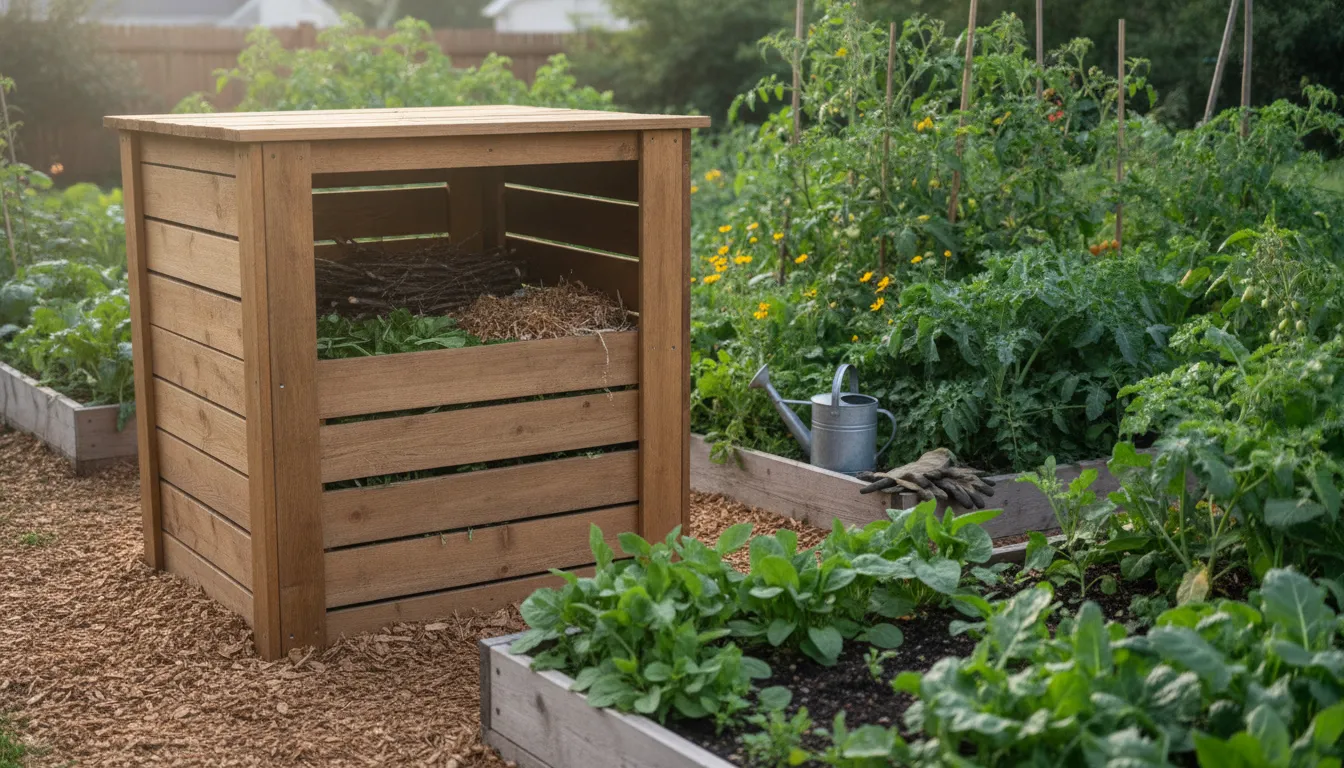
Yard waste does not have to leave your property to become useful. Leaves, grass clippings, small branches, and other clean plant material can break down into a dark. Soil-like amendment when the pile has the right balance of dry and fresh ingredients, moisture, and air.
To learn how to compost, start with clean yard waste, combine carbon-rich browns with nitrogen-rich greens. Keep the pile as damp as a wrung-out sponge, and turn it periodically so air can reach the material.
Home composting works well for manageable quantities and gives you a practical way to reuse trimmings. Larger loads require different equipment, process controls, and permitted facilities, so backyard methods should not be confused with commercial composting. First, it helps to understand what is happening inside the pile and why those organic materials change.
Explore bulk landscape supplies
What Does Composting Do for Yard Waste?
Composting gives clean yard waste a useful second life. Instead of sending leaves, grass clippings, and small plant trimmings away as disposable material, you create a stable organic amendment that can be returned to the landscape.
The process is a controlled form of aerobic decomposition. Microorganisms break down organic material in the presence of oxygen, gradually changing fresh plant matter into a darker, more uniform finished product. Proper decomposition produces the nutrient-rich material known as compost.1 The U.S. Environmental Protection Agency also provides practical guidance for managing compost at home, including how to handle organic materials responsibly.2
What is the practical payoff?
Finished compost resembles fertile garden soil and can support plant growth.3 For a homeowner, that means fewer clean organic materials treated as waste and a useful material for improving planting areas. Compost can be incorporated into a garden bed or used as part of a broader soil-building approach, depending on the needs of the site and the plants.
Composting does not make every yard-waste material interchangeable. Clean inputs matter because the finished material reflects what went into the pile. Leaves and plant trimmings belong to an organic decomposition process; plastic, treated materials, and other contaminants do not belong there. Keeping the feedstock clean helps you produce a more predictable end product.
How is compost different from mulch and topsoil?
Compost is the result of decomposed organic matter. It is generally used as an amendment or planting-support material rather than as a surface cover. Mulch is placed on top of the soil to help cover and protect the ground around plants. While topsoil is the mineral-rich upper layer used to establish or reshape growing areas. These materials may work together, but they serve different purposes.
In simple terms, compost helps add finished organic matter, mulch covers the surface, and topsoil provides a base for the landscape. Understanding that distinction makes it easier to choose the right material for a planting bed, lawn project, or other outdoor improvement.
How to Compost at Home: Start With the Right Location and Materials
A dependable compost setup begins with a location that is convenient to maintain and suitable for drainage. Follow this sequence whether you use an open pile, a wire enclosure, or a lidded compost bin.
- Choose a practical location. Set the pile or bin on level ground where water can drain, air can reach the material, and you can easily add ingredients and turn the contents. A spot with some shade can help prevent the pile from drying out too quickly. While placing it close enough to the garden or yard-waste source makes regular maintenance more realistic. Avoid areas where runoff could move through the pile and toward a drain, stream, or neighboring property.
- Build a coarse base. Start with a layer of small branches, twigs, or other coarse yard material. This creates air spaces beneath the pile and helps excess water move away. Do not pack this foundation tightly. Composting depends on airflow as well as moisture, so a dense, compressed base can slow the process.
- Add a mix of browns and greens. Browns are carbon-rich materials such as dry leaves, untreated shredded paper, and small pieces of plain cardboard. Greens supply more nitrogen and include fresh grass clippings and suitable fruit or vegetable scraps. Clean yard trimmings can be returned to the garden through a home compost pile, but avoid adding treated, contaminated, or questionable materials. If food scraps are included, cover them with brown material to help limit flies and odors.
- Build manageable layers. Add browns and greens in alternating layers rather than creating a pocket of one material. One commonly suggested approach uses more browns than greens, sometimes around four parts browns to one part greens. But treat that as a starting example, not a universal formula. The best mix depends on the materials available. Layers a few inches deep are easier to moisten and mix than one large, compact load.
- Moisten as you build. Lightly wet dry layers while assembling the pile, rather than flooding the entire bin. The material should feel damp like a wrung-out sponge. If it is dusty and dry, add water gradually and mix it through. If it is soggy or releases water when squeezed, add dry browns and improve airflow.
- Leave room for maintenance. Do not fill the container to the rim. You will need space to turn or mix the material, which redistributes moisture and introduces air. Turning more often can accelerate decomposition, while a thorough mix at least every two weeks is a practical minimum used in some backyard guidance. As yard trimmings break down, they can become a useful soil amendment for future garden work.
Keep the setup simple enough to maintain consistently. A balanced mix, moderate moisture, and regular aeration matter more than building a perfect pile on the first attempt.
What Can You Add to a Backyard Compost Pile?
A productive backyard pile starts with clean, recognizable organic materials. Sort inputs before they reach the pile so unwanted chemicals, contaminants, pests, and persistent materials do not become part of the finished compost. The U.S. Environmental Protection Agency provides a useful reference for acceptable and unacceptable household compost materials.
Green materials add moisture and nitrogen
Green materials are generally fresh or recently discarded organic items. They help provide nitrogen as the pile decomposes. Suitable additions include:
- Fruit and vegetable scraps
- Grass clippings
- Plant stalks and small twigs
- Coffee grounds and unbleached paper filters
Cut larger pieces into smaller sections when practical. Smaller pieces expose more surface area to the organisms doing the decomposition. If you add kitchen scraps, cover them with a layer of dry brown material. That keeps the surface neater and helps limit odors and attention from flies.
Brown materials supply carbon and structure
Brown materials are dry, carbon-rich ingredients that help create air space and balance wetter additions. Good choices include:
- Dry leaves
- Shredded, non-glossy, uncolored paper
- Shredded brown paper bags
- Shredded cardboard with no wax coating, tape, or glue
- Crushed eggshells
- Untreated wood chips
Keep a supply of dry leaves, torn cardboard, or plain paper nearby. You can use it to cover food scraps or adjust a pile that looks overly wet. Add materials in manageable layers rather than placing a large amount of one ingredient in a single pocket.
What should stay out of the pile?
Do not add meat, fish, bones, cheese, dairy products, fats, oils, or grease. Also leave out herbicide-treated plants and grass, aggressive weeds or weeds with seeds, and plants that are diseased or heavily infested with pests. Treated or painted wood does not belong in a backyard compost pile, and neither do pet waste or cat litter. Remove glossy paper and produce stickers before adding paper products.
These exclusions keep the input stream clean and make the pile easier to manage. When you are unsure about a material, leave it out instead of treating the pile as a catch-all disposal system. For the EPA's complete household guidance, see EPA guidance on composting at home.
How Do Moisture and Aeration Keep Compost Moving?
Compost needs the right balance of water and air. Too little moisture slows the microorganisms that break down leaves, grass, and other clean organic material. Too much water can fill the air spaces between materials, leaving the pile sluggish and unpleasant. A practical test is simple: grab a handful of material and squeeze it. The pile should feel damp like a wrung-out sponge, not dry enough to crumble and not wet enough to drip.
How can you adjust moisture?
If the pile is dry, add water gradually while mixing the material so moisture reaches the center rather than collecting on the surface. If it is saturated, turn it and mix in dry brown material such as dry leaves or plain, uncoated cardboard. Avoid correcting the pile with a large amount of water at once. Small adjustments make it easier to maintain an even texture throughout the pile.
Why does turning help?
Turning introduces oxygen and redistributes damp and dry pockets. It also moves less-decomposed material from the outside toward the active center. More frequent mixing can accelerate decomposition, while a practical minimum is to mix the pile thoroughly about once every two weeks. You do not need specialized equipment for a backyard pile. A garden fork or compost aerator is usually enough to loosen compacted areas.
What do odor and slow decomposition indicate?
A strong rotten odor often means the pile is too wet or compacted, so start by turning it and adding dry browns. If decomposition is barely progressing, check for the opposite problem: a dry pile, oversized pieces, or too little nitrogen-rich green material. Chop or break up large additions when practical, then moisten and mix them into the pile.
Heat is another useful process observation, but it is not a required backyard target. Properly managed compost can reach close to 65 degrees Celsius, and rising temperatures can help decomposition work efficiently. That does not mean every home pile must reach a specific temperature to be useful. Focus first on clean inputs, balanced moisture, and regular aeration. The Queensland Government explains how heat develops during effective composting at its composting guidance.
How Can You Tell When Compost Is Ready?
Finished compost is ready when the original yard waste is difficult to recognize. Look for a dark brown to nearly black material with a loose, crumbly texture. It should smell earthy and mild, like soil after rain, rather than sour, rotten, or strongly ammonia-like. A few recognizable twigs or leaf stems do not necessarily mean the entire batch has failed, but they indicate that some material needs more time.
Color alone is not a reliable test. Compost can darken before decomposition is complete, especially if the pile is wet or compacted. Check several areas instead of judging only the surface. If the center still contains hot, fresh, or visibly decomposing material, turn the pile and allow it to continue breaking down. Finished compost resembles fertile garden soil and can support plant growth, as described by the Queensland Department of Environment, Science and Innovation.
What should you do with large pieces?
Screen the material before using it in a finished bed, especially if the pile contains branches, woody stems, or coarse leaves. A simple garden sieve can separate fine compost from larger pieces. Return the larger pieces to the active pile so they can continue decomposing. This extra step creates a more even texture and makes it easier to spread compost around plants without burying unfinished chunks.
Screening also matters in commercial compost production, although the equipment and scale are different from a backyard setup. Organic Recycling Inc. uses screening to remove contaminants and help achieve consistent particle sizes in finished products. Its compost and soil products are produced for practical landscape and soil-amendment applications.
How should you use finished compost?
Use a small amount first in a garden or landscape bed and mix it with the existing soil rather than treating compost as a complete replacement for the planting medium. Work it into the upper soil layer, keep it away from direct contact with plant stems, and observe how the bed drains after watering. If the compost still smells unpleasant, feels slimy, or contains substantial undecomposed material, set it aside and let it mature longer. Mature, crumbly compost is a soil amendment, not a shortcut for correcting every drainage or fertility problem.
How Is Home Composting Different From ORI's Commercial Process?
A backyard pile and a commercial composting operation follow the same basic biological idea: clean organic material decomposes under managed conditions and becomes useful compost. The difference is the scale, equipment, documentation, and level of process control. A homeowner may manage a small pile with a fork, a hose, and occasional observation. ORI manages high-volume yard-waste streams at NYSDEC-permitted facilities, where each stage must support consistent finished material and responsible handling.
Scale starts with clean, controlled inputs
At home, you choose what enters the pile and can remove questionable material immediately. ORI accepts defined clean yard-waste streams, including leaves, brush, wood chips, grass, logs, stumps, branches, thatch, sod, and mixed yard-waste loads. Its contamination controls exclude materials such as treated or painted wood, quarantined invasive species, pet waste or animal products, plastics, metals, and hazardous materials. Keeping those materials out protects the process and helps prevent unwanted contaminants from reaching finished products.
Home composters should use the same practical principle: when in doubt, leave questionable material out. However, ORI's accepted-material rules are commercial operating controls, not a new list of requirements for every backyard pile.
Equipment replaces hand work at commercial scale
A home gardener can turn a pile periodically to introduce air and redistribute moisture. ORI uses grinding, windrow turning, screening, and blending equipment. Turning large windrows provides aeration and supports more uniform decomposition across a much greater volume than a typical home pile. Screening then helps remove contaminants and produce more consistent particle sizes. That consistency matters when compost is being used across landscape, horticultural, commercial, or municipal projects.
ORI's facilities operate across 120 acres, including an 85-acre Goshen facility and a 35-acre Orangeburg facility. Those commercial conditions allow organic material to be received, processed, monitored, screened, and directed into finished compost, mulch, topsoil, aggregates, or engineered soil blends. A homeowner does not need industrial equipment or a site of this size to learn how to compost successfully.
Commercial benchmarks are not backyard mandates
ORI's commercial process uses documented operating plans, monitoring requirements, environmental controls, and storage limits. Its windrows are typically maintained at 131 F for at least 15 days under the cited operational standards. Commercial operations also typically manage moisture around 40 to 60 percent. These are ORI process benchmarks and compliance-related operating controls, not mandatory targets for a backyard pile. At home, use practical cues such as a damp, wrung-out-sponge texture, regular aeration, and steady decomposition rather than trying to reproduce a commercial windrow schedule.
When the volume exceeds what your property can handle, or when you need dependable finished material for a larger project, ORI offers a managed alternative. Learn more about how yard waste becomes compost, or arrange yard-waste recycling services for eligible material.
| Home composting. | ORI commercial composting. |
|---|---|
| Small, manageable quantities. | Defined, high-volume yard-waste streams. |
| Hand turning and observation. | Grinding, windrow turning, screening, and blending equipment. |
| Practical moisture and readiness cues. | Documented monitoring, environmental controls, and storage limits. |
Explore ORI's yard-waste recycling services
Frequently Asked Questions
What is the easiest way to compost yard waste?
Start with a simple bin or contained pile in a well-drained location. Add a mix of fresh green material, such as grass clippings and plant trimmings, with dry brown material, such as leaves, untreated wood chips, or plain shredded cardboard. Keep the pile damp like a wrung-out sponge and turn it occasionally so air can reach the center. A low-maintenance pile still needs the right balance, moisture, and airflow.
What should you never put in a backyard compost pile?
Keep meat, fish, bones, dairy products, fats, oils, and grease out of a typical backyard pile. Also exclude herbicide-treated plants and aggressive weeds or weeds carrying seeds. These materials can create pest, odor, contamination, or weed-spreading problems. The U.S. Environmental Protection Agency lists these materials among items to avoid in home composting: EPA home composting guidance.
How wet should compost be?
The material should feel damp, but not saturated, similar to a wrung-out sponge. If the pile is dusty and dry, add a little water while turning it. If it is soggy or smells sour, mix in dry brown material and improve drainage or airflow. Small adjustments are usually better than soaking the entire pile.
How often should I turn my compost?
Turn the pile thoroughly at least every two weeks as a practical starting schedule. More frequent mixing can speed decomposition, while an untouched pile may break down more slowly. Use the pile's condition as your guide: compacted, wet, or slow material generally needs more air and better mixing.
How do I know when compost is ready?
Finished compost is generally dark, crumbly, and earthy-smelling, with the original ingredients mostly unrecognizable. Screen out large pieces and return them to a new pile if needed. Use the finished material as a soil-supporting amendment rather than assuming it replaces every soil or mulch product. Properly finished compost resembles fertile garden soil and can support plant growth.
Contact Us About Your Next Composting Project
Home composting works well for many household garden scraps, but larger volumes of yard waste or a project requiring finished compost may call for a different approach. Organic Recycling Inc. can help you discuss the right next step, whether you need finished compost, bulk landscape materials, delivery, or yard-waste recycling. Contact Organic Recycling to talk through your project and available options.