
NYSDOT Topsoil Type A vs Type B: Specification Guide
Request a custom soil submittal or high-volume delivery quote today to ensure your project meets NYSDOT specifications from day one.
NYSDOT topsoil Type A vs Type B grades are set by organic levels and site use under Section 713-01. Type A topsoil is a rich mix that must have at least 6 percent organic matter to support often mowed turf like lawns and parks. In contrast, Type B topsoil is for low care areas like highway slopes and needs an organic content between 2 percent and less than 6 percent. While both types must keep a pH between 5.5 and 7.6, the pay items 613.02 and 613.03 show which soil is needed for the work. Picking the right type makes sure your site meets state rules while giving plants the food they need to live.
What is NYSDOT Type A Topsoil? Specs and Applications
NYSDOT Type A topsoil is a high-grade soil for state and city site work. When you compare NYSDOT topsoil Type A vs Type B, Type A is the clear choice for high-care sites. It follows strict rules found in Section 713-01 of the state highway code. This soil is made to help grass and plants stay healthy in areas that get a lot of care. It is more than just screened dirt. It is a precise blend made for long-term growth and strong soil. Many site leads buy professional topsoil products to meet every state goal.
High organic matter for strong roots
The main trait of Type A soil is its organic content. Most soils only need a small amount of carbon, but Type A has a higher floor. Per the NYSDOT standard specs, Type A topsoil must have at least 6% organic matter. While state rules for all topsoil allow a range from 2% to 20%, Type A stays between 6% and 12% by weight. This rich mix helps the earth hold more water and nutrients. It feeds the plants slowly, so they do not need as much extra food. This makes it a great choice for city spots where plants face a lot of stress.
Specific pH and purity rules
This soil must stay in a tight pH range for use on state jobs. The pH must be between 5.5 and 7.6 for the soil to pass. If the pH is too high or too low, plants cannot get the minerals they need from the ground. To hit these marks, makers use aids that follow Section 713-15 rules, such as lime or compost. The soil must also be clean and free from trash, large rocks, or roots. By keeping the soil clean, crews can spread it fast and easy on the job site. This saves time and keeps the final lawn looking smooth.
Common uses for Type A soil
You will find Type A soil on jobs where the look of the grass is key. It is the top choice for public spots like highway medians and city parks. It is also used for:
- Public gardens and city plant beds.
- New school grounds and sports fields.
- Business lawns and green spaces.
- Managed turf areas that see mowing often.
Because this soil is so rich, it helps grass stay green in dry times. It creates a thick sod that can handle foot traffic and city heat. While it may cost more than other types, it saves money by keeping plants alive for years.
What is NYSDOT Type B Topsoil? Specs and Applications
NYSDOT Topsoil Type B is a technical grade of soil meant for low-use areas. It meets the rules in Section 713-01 of the state standards. This mix works best for highway slopes and large banks where regular care is not planned. It provides a base for growth in spots where seeding directly on the subsoil would fail. As a soil maker, Organic Recycling Inc. blends this material at our own yards to meet exact state needs. For contact and delivery scheduling, our team serves the full tri-state region.
Technical specs for Type B soil
The main trait of Type B topsoil is its organic level. Per state rules, the organic content must be at least 2% but less than 6% by weight. This range is lower than Type A soil. It also must have a pH between 5.5 and 7.6 to help plants grow. The soil must be free of trash, large stones, and roots that could stop seeds from taking hold. We provide high-quality screened topsoil that meets these tight sieving goals.
Best uses for Type B material
Engineers choose Type B for spots that do not need a lush look. It is often used for roadsides and large fields that are only mowed once or twice a year. Because it has less organic matter, it costs less than Type A. But it still gives enough food for hardy grasses to live. The state notes that 2% organic content may be too low for some turf, so proper site choice is key. Designers must pick the soil type based on where it will go and how it will be kept up.
Ordering for large projects
For big jobs, getting the right mix is vital to pass state checks. We offer custom engineered soils tailored for NYSDOT work. Our team handles the testing and paperwork needed for the GCP-21 process. This ensures your site stays on track and meets all permit goals. We can deliver large loads to sites in Southern New York and Northern New Jersey using our own fleet of trucks.
Technical Differences: NYSDOT Topsoil Type A vs Type B Comparison
Choosing the right material for a state project requires a close look at Section 713-01 standards. While both grades meet the same physical size rules, they differ in how they support plant life. Project teams must select the grade that matches the long term care needs of the site.
Organic matter and nutrient levels
The main difference between these two grades is the amount of organic matter they contain. Type A topsoil must have at least 6% organic matter by weight. This higher level makes it ideal for areas that need thick, green grass, such as parks or lawns. It holds water well and gives plants the food they need to thrive over many years.
Type B topsoil has a lower organic range, usually between 2% and less than 6%. This material works best for areas that people do not see or mow often. According to NYSDOT Engineering Instruction 06-024, a 2% organic level is often too low for good turf growth. For this reason, Type B is mostly used on steep road banks where low care is the goal.
Soil structure and gradation rules
Both types must follow strict NYSDOT gradation rules to ensure proper drainage. Each batch must pass through a set of sieves to remove large stones and debris. For example, 100% of the material must pass through a 50 mm sieve, while 20% to 80% should pass through the much smaller 75 micrometer sieve. This balance helps the soil stay stable while still letting roots grow deep.
Standard professional topsoil products also follow pH limits between 5.5 and 7.6. This range is the same for both Type A and Type B. While the physical structure is similar, the biological power of Type A is much higher due to its organic load. Using custom engineered soils ensures that each load meets these exact technical marks before it arrives at your site.
Technical specification comparison
| Feature | NYSDOT Type A | NYSDOT Type B |
|---|---|---|
| Organic Content | 6% to 20% | 2% to <6% |
| Primary Use | Managed turf and lawns | Roadside embankments |
| pH Range | 5.5 to 7.6 | 5.5 to 7.6 |
| Maintenance Needs | High (regular mowing) | Low (infrequent care) |
| Sieve Gradation | Meets Section 713-01 | Meets Section 713-01 |
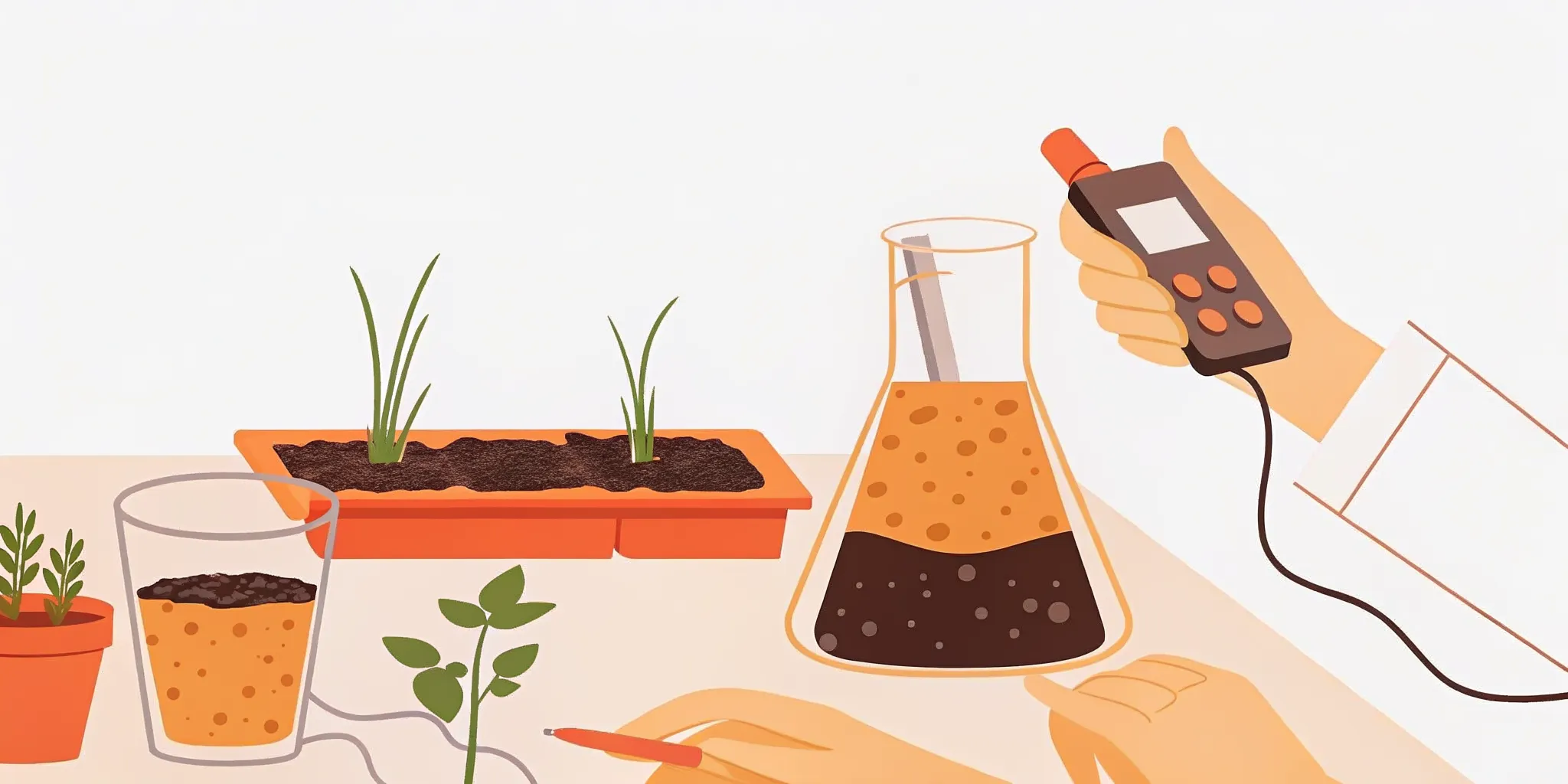
Why Project Teams Should Never Substitute Type A and Type B
Substituting NYSDOT topsoil Type A and Type B on a job site creates high risks for project teams. While both grades must follow the NYSDOT Section 713-01 standards, they serve different roles. Type A is for high-use areas like lawns. Type B is for low-use roadside banks. Swapping them can lead to dead grass, poor drainage, and failed site checks.
Biological and Structural Risks
Using Type B soil in places meant for Type A often leads to turf failure. Type B has low organic matter. This makes the soil compact too much under foot traffic or lawn mowers. Compacted soil stops water and air from reaching plant roots. This causes grass to thin out and lets weeds take over. Poor root growth also makes the site prone to erosion during heavy rain.
For best results, project teams should use high-quality screened topsoil that meets the specific organic needs of the site. High-performance turf needs the extra organic content found in Type A to stay healthy. Without it, the grass cannot survive long-term stress. This leads to costly patch work and re-seeding later in the project.
Contract and Legal Risks
Contractors face serious legal and financial risks when they substitute soil types. State teams use the GCP-21 procedure to check material quality. If a submittal fails, the engineer can reject the work. This forces the team to remove the wrong soil and start over. Re-grading a large site is expensive and eats into project profits.
Work rejection also causes major project delays. These delays may trigger fines from the client. Using the wrong grade is a breach of contract that can hurt a firm's status with the Department of Transportation. It is always safer to source the correct professional topsoil products from the start to avoid these setbacks.
Navigating the GCP-21 Testing and Submittal Process
Getting your topsoil approved for a state project needs more than just meeting a list of specs. You must also follow a set path of checks and balances. The New York State Department of Transportation uses the GCP-21 procedure to check that every load of soil matches the job needs. This path keeps the project on track and helps the plants grow. Working with a source that offers custom engineered soils can make this part much easier for your team.
Preparing the Material Stockpile
The process starts at the yard before any trucks head to the job site. You must set up a clear pile that is ready for a formal check. The soil cannot just be a loose heap on the ground. It needs to meet certain size and shape rules so the tests are fair and right. If the pile is too small or too messy, the state might not take it for testing. This early step is key to avoiding delays in the project plan.
Steps for GCP-21b Approval
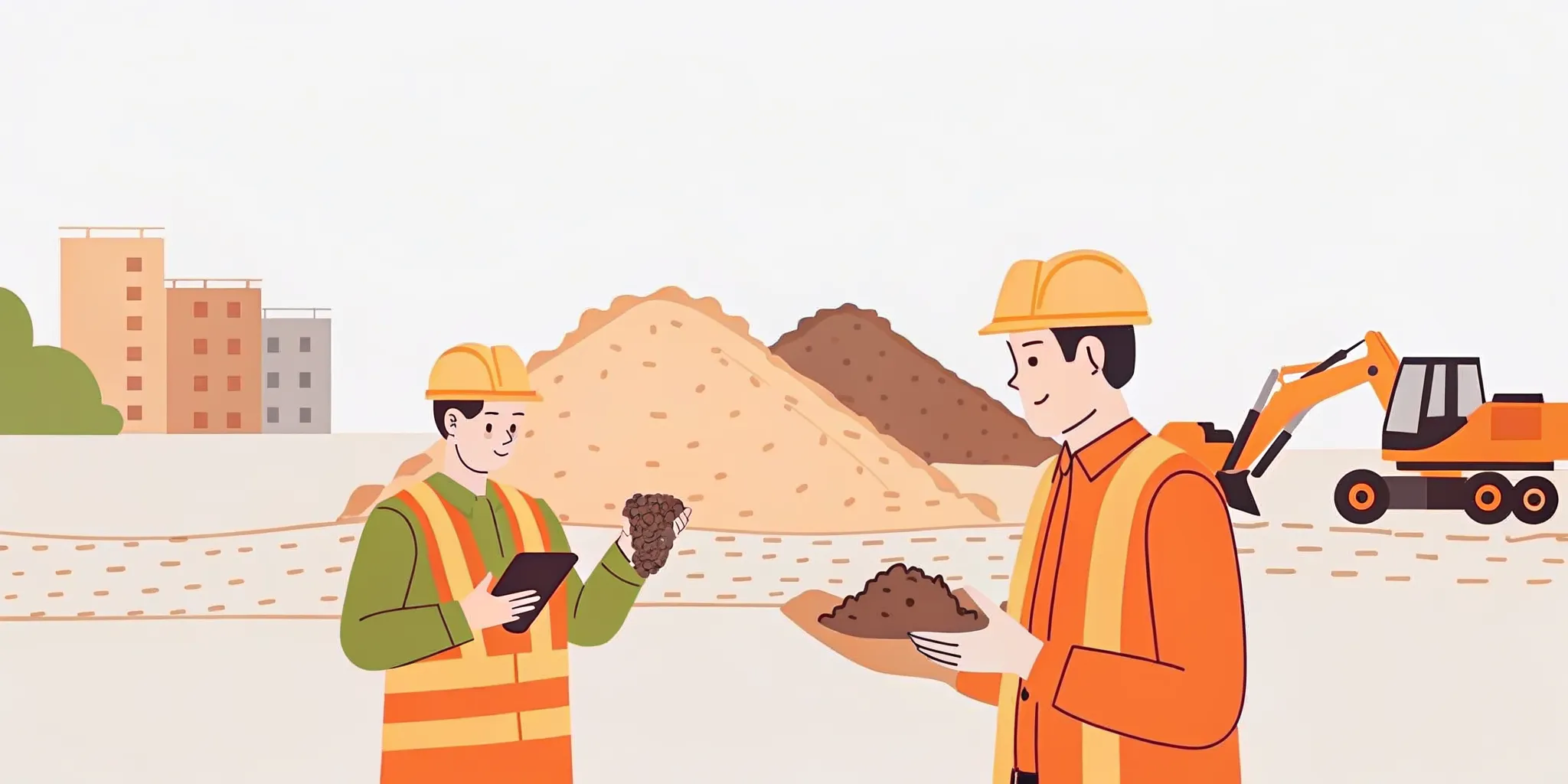
- Build a proper stockpile. Create a pile with at least 150 cubic meters of material. The height must be at least 1.2 meters, and you must trim the sides to allow for safe access.
- Request a Department inspection. A state agent or an approved third party must visit the site to pull samples. You cannot use your own samples for the final state report.
- Send samples to the lab. The agent sends the soil to an approved lab. They check for organic levels, pH, and grain size to ensure the mix meets the project goals.
- Prepare the submittal package. Collect the lab reports and all needed forms into one full pack. You then submit this total pack to the Engineer for a final review.
- Wait for the formal release. Do not ship any material until the Engineer gives a written green light. Moving soil too early can lead to rejected loads and high costs.
Ensuring Submittal Success
Being exact is the most important part when you turn in your papers. A small slip in a lab report or a missing mark can stop your work for days. Many teams choose to use high-quality screened topsoil from a source that handles these checks often. When the material is good from the start, the lab tests are much more likely to pass on the first try. This saves time for the builder and keeps the project on track.
Sourcing Compliant NYSDOT Topsoil in the NY/NJ Tri-State Area
When you need reliable bulk topsoil delivery, you must work with a team that knows the rules. Organic Recycling Inc. runs two large sites in Orangeburg and Goshen, New York. Both sites have the right NYSDEC permits to make high-quality soil.
We do not just move dirt from one site to another. We are a true maker of soil that meets every part of Section 713-01. This helps your project stay on track and avoids costly delays.
Custom blending for project specs
Large jobs often need a specific mix for the site. We blend soil to meet your exact project needs on a batch-by-batch basis. See our full line of bulk landscape supplies for more options. Our team can handle orders from 20 to 20,000 cubic yards with ease.
We make sure each load hits the right marks for pH and organic content. This is vital when you look at the use of NYSDOT topsoil Type A vs Type B. Type A needs more organic matter to help new plants grow. Type B is better for low-maintenance spots like road banks.
Our soil yards use advanced tools to mix mineral components with organic matter. This allows us to hit a pH range between 5.5 and 7.6 as needed by law. We also screen our soil to remove rocks, roots, and trash.
This process creates a clean product that is easy to spread. By making our own soil, we control the quality from start to finish. You get a steady product that helps your landscape thrive for years to come.
Reliable delivery and submittal support
Meeting the spec is only half the battle for a contractor. You also need the right paperwork for your project manager. Our firm provides full support for all project submittals.
This includes third-party testing to prove our soil is clean and safe. We also follow GCP-21 rules for testing and quality control. This process includes stockpiling material and taking samples for the state to review. We help you handle these steps so you can get to work faster.
Our large fleet of trucks provides timely delivery to your job site. We serve Northern New Jersey and Southern New York. This includes Rockland, Orange, and Westchester Counties.
We also deliver to all five NYC boroughs and Western Connecticut. Our drivers know the tri-state area well and can handle tight urban sites. Whether you need a few loads or a massive supply, we have the tools to help you succeed. We also serve parts of Pennsylvania for big municipal or commercial needs.
Using the right topsoil grade is key to meeting state rules. Choosing the wrong material can lead to rejected loads or dead plants. Our experts can help you pick the right grade for your specific site needs.
We understand the technical side of soil science and state specs. This knowledge makes us a top partner for engineers and site teams. We pride ourselves on being a solid source for proper supplies in the tri-state region.
Frequently Asked Questions
Can manufactured topsoil be used on NYSDOT construction sites?
Yes, Section 713-01 allows made topsoil on state jobs. It must have a mineral part and other items to meet the right organic levels and pH. Makers like Organic Recycling Inc. mix these parts to follow the rules. All made soils must still pass the GCP-21 test before they can be used on state contracts. This ensures the soil works well for plants.
What are the gradation requirements for approved NYSDOT topsoil?
NYSDOT topsoil must meet strict size limits to help water drain and plants grow. The rule says that 100 percent of the soil must pass through a 50.0 millimeter sieve. Also, 85 to 100 percent must pass the 25.0 millimeter sieve, while 20 to 80 percent should pass the 75 micrometer sieve. These size rules help project teams stop the soil from packing too tight.
Is topsoil required to be free from refuse and deleterious materials?
Yes, NYSDOT rules say that all topsoil must be free from trash and items that hurt plant growth. The soil cannot have subsoil, wood, stumps, roots, or clay lumps. These rules make sure the soil is clean and safe to use. Project teams must check that their soil does not have these bad items. This helps them avoid rejected papers and long project delays on the job site.
Where can project teams find the official NYSDOT topsoil specifications?
The state lists these rules in Section 713-01 of the NYSDOT Standard Specifications. This file shows the exact pH levels, organic matter ranges, and size limits for all cleared soils. Engineers and builders should check the NYSDOT Specifications Repository to make sure their papers match the latest rules. Having the right papers is vital for passing the required GCP-21 soil review process.
Ready to request a quote for NYSDOT topsoil?
Using the wrong soil grade can lead to failed site tests and costly project delays. When you do not use soil that meets exact rules, you risk site work being stopped and losing time. Working with a soil expert early ensures your soil meets strict NYSDOT rules on the first try. We can help you handle the testing steps so your project stays on schedule. Starting the work now gives you the best chance to hit your dates without extra stress. You will get the high-quality soil you need to pass tests and finish the job well. Our team has the trucks and the yards to handle any size bulk topsoil delivery. We make sure every batch is mixed to meet the needs of your site. Do not wait until the last minute to get your soil ready for the job.
Ready to request a quote? Request a custom soil submittal or high-volume delivery quote to talk to our team about your project specs and delivery timeline.