
Retaining Wall Blocks for Sale: Types & Costs
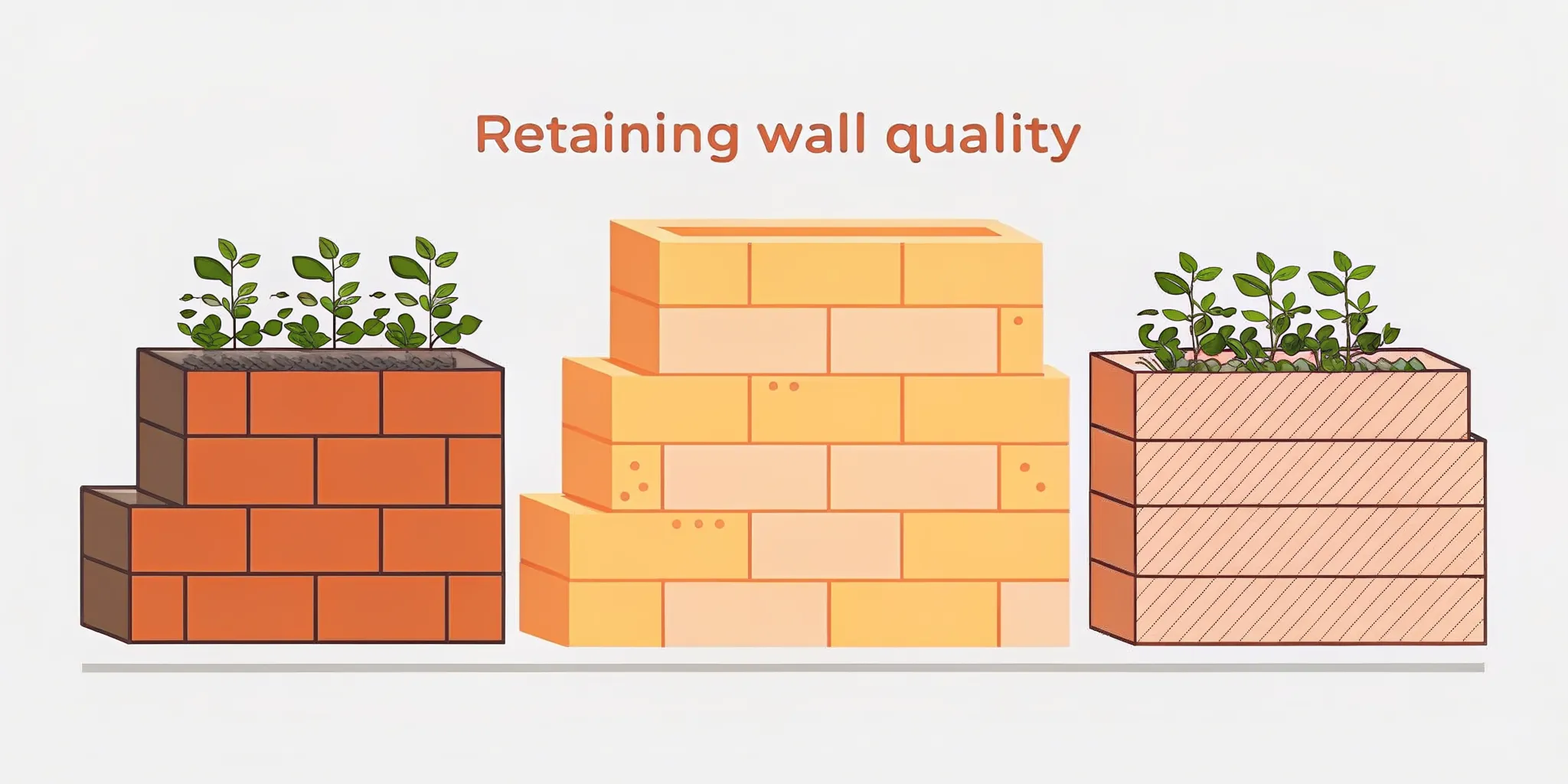
A retaining wall is more than just a functional structure; it’s a major design element in your landscape. It has the power to create clean lines, define outdoor rooms, and add a professional, polished look to your entire yard. The material you choose plays a huge role in the final aesthetic. Do you envision the rustic, timeless beauty of natural stone, or do you prefer the clean, uniform look of interlocking concrete blocks? We’ll explore how different materials can achieve different styles, helping you find the perfect match for your home. When you start looking for retaining wall blocks for sale, you'll be equipped to select an option that is not only strong but also a beautiful addition to your property.
Key Takeaways
- Choose your blocks based on the wall's job: Interlocking blocks are perfect for smaller, decorative projects you can tackle yourself, while taller walls holding back a lot of soil require the serious strength of solid concrete or natural stone.
- A lasting wall depends on its foundation and drainage: The most critical parts of your wall are the ones you can't see; a compacted gravel base and a well-planned drainage system are essential for preventing water damage and ensuring your wall stays put.
- Do your planning before you purchase anything: Get your project details straight by calculating your block quantity (plus 5-10% extra), checking local building codes for permit requirements, and deciding if the job is a good fit for your skills or if it's better to hire a pro.
What Are Retaining Wall Blocks?
If you have a sloped yard, you know how challenging it can be to create functional, beautiful spaces. That’s where retaining wall blocks come in. Think of them as the heavy-duty building blocks for outdoor walls designed specifically to hold back soil. By constructing a retaining wall, you can transform an unusable hill into a level patio, a tiered garden, or a stable, flat lawn. It’s a practical solution that carves out more usable space while adding structure and definition to your landscape.
These blocks are made from a variety of durable materials, each offering a different look and level of strength. The most common options are concrete, natural stone, and specially designed interlocking blocks that fit together like puzzle pieces. Whether you’re aiming for a modern, clean look with smooth concrete or a rustic, timeless feel with natural stone, there’s a block type to match your vision. Choosing the right material is the first step in building a wall that is not only effective but also complements your home’s style. You can find a great selection of these materials in our masonry supplies.
What Do They Do?
At their core, retaining wall blocks are all about managing soil and gravity. Their primary job is to prevent soil erosion on sloped areas, stopping dirt and mulch from washing away during heavy rain. By holding the earth in place, they stabilize the landscape and protect your property from shifting ground. This function is crucial for reinforcing slopes along driveways, walkways, or near your home’s foundation.
Beyond their structural role, retaining walls also help manage water flow. A well-designed wall can redirect runoff, preventing water from pooling in unwanted areas and causing damage. On an aesthetic level, these blocks add dimension and visual interest to your yard. They create clean lines, define different zones like garden beds and patios, and introduce an element of professional design to your outdoor space.
Common Places to Use Them
You’ll find retaining walls in all sorts of landscape designs, solving common yard problems with style. One of the most popular uses is creating terraced or tiered gardens on a hillside. This not only stops soil erosion but also makes planting and maintenance much easier. Another common spot is alongside a sloped driveway or walkway, where a wall can prevent the surrounding earth from spilling onto the pavement.
Retaining walls are also perfect for building raised garden beds or defining the border of a patio. By building a low wall around a patio, you can create a cozy, room-like feel and provide extra seating. If your yard has an awkward slope that makes it hard to use, a retaining wall can level out a section to create a flat area for a fire pit, a play set, or just a simple patch of lawn. They are a versatile tool in any landscaper's or homeowner's toolkit for creating a more functional and beautiful yard with quality landscape supplies.
Exploring Types of Retaining Wall Blocks
When you start shopping for retaining wall blocks, you'll quickly see there are a few main categories to choose from. The right material for your project depends on your budget, your style, and how much weight the wall needs to hold back. From the classic, rugged look of natural stone to the uniform strength of manufactured concrete, each option has its own set of benefits that can completely change the look and feel of your outdoor space.
Before you get too far, take a moment to think about the overall look you want for your yard. Are you going for a modern, clean aesthetic where uniform blocks would look best? Or do you prefer something more rustic and natural that blends into the environment? The scale of your project is just as important. A small garden bed wall has very different structural needs than a large wall designed to terrace a steep, erosion-prone slope. Understanding these factors will help you narrow down your choices and find a material that is not only beautiful but also safe and effective for the job. We'll walk through the most common types of blocks to help you find the perfect fit for your landscape.
Concrete Blocks
Concrete blocks are the workhorses of the retaining wall world. They're incredibly strong, reliable, and often the most budget-friendly option. If you need a wall that balances cost and durability, concrete is an excellent choice. These blocks come in various shapes, sizes, and even colors, giving you some design flexibility. While they might not have the unique character of natural stone, their uniform shape makes them relatively straightforward to install. For projects where sheer strength is the top priority, you can't beat poured concrete, but for most residential projects, manufactured concrete blocks provide more than enough support.
Natural Stone
If you're aiming for a timeless, elegant look, natural stone is hard to beat. Each stone is unique, with its own colors and textures, creating a wall that feels like a natural part of the landscape. Options like fieldstone, granite, or limestone add significant curb appeal and can last for generations with minimal upkeep. While they tend to be more expensive and can be trickier to install due to their irregular shapes, the stunning result is often worth the investment. A natural stone retaining wall offers both incredible beauty and serious structural integrity for your yard.
Interlocking Blocks
Interlocking concrete blocks, also known as modular or segmental blocks, are a popular DIY-friendly choice. These blocks are specifically designed with a lip or pin system that helps them lock together, creating a strong, stable wall without needing mortar. This design makes them incredibly versatile and adaptable to curves and corners in your landscape. They are a cost-effective solution that combines the strength of concrete with a more streamlined installation process. Because they offer great structural integrity and can fit various landscape designs, they've become a go-to for many homeowners and landscapers.
Wood and Other Materials
While less common for large, structural walls, wood can be a beautiful choice for smaller, decorative garden walls. Materials like pressure-treated timber or railroad ties can create a rustic, natural look at a lower initial cost. However, it's important to remember that wood is not as durable as stone or concrete and will eventually need to be replaced due to rot and insect damage. For a long-lasting solution, most people stick with masonry supplies like stone and concrete blocks, which are better equipped to handle constant contact with soil and moisture over many years.
Comparing Your Block Options
Choosing the right block is about balancing your project's needs with your budget and personal style. Each material comes with its own set of advantages, whether you’re prioritizing raw strength, aesthetic appeal, or ease of installation. Let's walk through how the most common options stack up against each other so you can feel confident in your decision.
Strength and Durability
Your retaining wall has a big job: holding back tons of soil. Its strength is non-negotiable. Concrete blocks are a fantastic all-around choice, offering a reliable balance of durability and cost that works for most projects. If you need to support a major slope or a very tall wall, poured concrete provides unmatched strength. For a durable and eco-friendly option, consider recycled concrete, which reduces waste without sacrificing performance. A well-built wall made from quality masonry supplies will stand strong against pressure and the elements for decades.
Style and Design
A retaining wall is a major feature in your landscape, so you want it to look good. For a timeless and elegant appearance, nothing beats the classic beauty of natural stone. Each stone is unique, creating a wall with rich texture and character. If you prefer a more uniform or modern look, concrete blocks are incredibly versatile. They come in a wide range of colors, textures, and shapes, allowing you to create clean lines or intricate patterns. You can easily find a style that complements your home and garden design without compromising on strength.
Ease of Installation
The material you choose directly impacts how easy the wall is to build. Modular, interlocking blocks are specifically designed for straightforward installation, making them a popular choice for DIY projects. Because they fit together securely, you can build a stable wall without needing mortar. Heavier materials like large natural stones or poured concrete are more challenging to work with and typically require professional installation. Thinking about your timeline, budget, and whether you plan to tackle it yourself can help you select the right block for your skill level.
Long-Term Maintenance
Once your wall is built, you want to spend more time enjoying your yard and less time on upkeep. Concrete and stone are champions of low maintenance, generally only needing an occasional cleaning to look their best. They are resistant to rot, pests, and decay. A properly installed retaining wall also provides functional benefits like controlling erosion and managing water flow, protecting your landscape for years to come. Choosing a durable material from the start means you can build it once and enjoy the results for a very long time.
Budgeting for Your Retaining Wall
Okay, let's talk about the budget. Planning your retaining wall's cost involves more than just the price of the blocks themselves. You'll need to think about the size of your wall, the type of material you love, and whether you'll hire a pro or tackle it yourself. Getting a clear picture of all the moving parts will help you avoid surprises and create a plan that works for your wallet. A well-planned budget ensures you can get the materials and support you need without cutting corners on quality or safety.
Block Prices by Material
The material you choose is one of the biggest factors in your total cost. On average, you can expect to pay between $15 and $50 per square foot for a professionally installed block retaining wall. Interlocking concrete blocks are often the most budget-friendly, running from $15 to $35 per square foot. Cinder blocks and larger concrete blocks fall in a similar range, from about $20 to $45 per square foot. If you’re dreaming of a natural stone wall, be prepared for a wider price range, anywhere from $20 to over $100 per square foot, depending on the type of stone. These prices include both the masonry supplies and the labor to get them in place.
What Affects the Final Cost?
Beyond the blocks, several other elements will shape your final bill. The height and length of the wall are obvious factors; a bigger wall requires more materials and time. But also consider your property itself. Is the site easy to access, or will crews have to work around obstacles? Does the ground need a lot of prep work to create a stable base? You’ll also need to account for proper drainage systems, which are crucial for the wall's longevity. A solid foundation is key, so you'll need to budget for base materials like sand and gravel. Things like permits and the complexity of your design can also add to the cost, so it's smart to factor them in from the start.
Factoring in Labor
If you're not going the DIY route, labor will be a significant part of your budget. Professional installers typically charge between $50 and $75 per hour, which often works out to about $15 to $50 per square foot for the entire job. For taller walls, especially those over three feet, the price can shift. You might see quotes ranging from $45 to $210 per linear foot. This increase accounts for the extra materials, deeper excavation, and potential need for structural reinforcement like rebar to ensure the wall is safe and secure. While it's a big investment, hiring a pro ensures the job is done right and your wall will last for years.
4 Key Factors to Consider Before You Buy
Before you start loading up your cart, it’s smart to take a step back and consider the bigger picture. A successful retaining wall project is about more than just picking blocks you like; it’s about building a structure that is safe, effective, and built to last. Thinking through a few key details upfront will save you from headaches and extra costs down the road. From the height of your wall to the type of soil in your yard, these factors will guide your material choices and construction plan.
Wall Height and Pressure
The height of your planned wall is one of the most important factors to determine. A short, decorative garden wall has very different structural needs than a taller wall holding back a significant slope. As a wall gets taller, the pressure from the soil behind it increases dramatically. Taller walls, typically those between three and six feet, require stronger blocks and may need extra support like geogrid or rebar to handle the load. This reinforcement is critical for preventing bowing or collapse. This also means that taller walls can be more expensive, not just because of the extra blocks but also due to the need for these additional masonry supplies and a more robust foundation.
Your Yard's Soil and Drainage
Your retaining wall’s main job is to hold back soil, so understanding your yard's conditions is essential. One of the key benefits of a retaining wall is its ability to control erosion and stabilize the earth. However, different soil types behave differently. Heavy clay soil, for instance, holds a lot of water, which adds significant weight and pressure behind a wall. Proper drainage is your best defense against this pressure. Without a way for water to escape, it can build up and push against the wall, leading to failure. This is why a layer of gravel backfill and a perforated drain pipe are non-negotiable parts of most retaining wall projects. You can find the right sand, stone, and gravel to ensure your wall stands strong for years.
Local Building Codes
This is a step you absolutely don’t want to skip. Many towns and municipalities have specific regulations for constructing retaining walls, especially once they reach a certain height. Often, any wall over three or four feet tall requires a building permit and may need to be designed or approved by an engineer. These rules are in place for everyone’s safety. A poorly built wall can be a serious hazard. Before you buy any materials, take a few minutes to call or visit your local building department’s website to understand the requirements in your area. Getting this information upfront will ensure your project goes smoothly and meets all legal and safety standards.
Weather and Climate Impact
The climate in our region brings a little bit of everything: hot summers, freezing winters, and plenty of rain and snow. Your retaining wall needs to be able to handle it all. The constant freezing and thawing during winter can be particularly tough on landscaping materials, causing them to expand, contract, and shift. This is why choosing durable, weather-resistant materials is so important. Concrete retaining wall blocks are an excellent choice because their strength and density help them withstand these cycles with minimal wear and tear. Investing in high-quality landscape supplies designed for our climate ensures your wall will not only look great but will also be a lasting, low-maintenance feature of your property.
Where to Find the Best Retaining Wall Blocks
Once you have an idea of the type of block you need, the next step is finding a reliable place to buy it. The right supplier can offer not just quality materials but also valuable advice and convenient delivery, making your project run much smoother. Your main options are local landscape specialists, large home improvement stores, and online retailers. Each has its own set of benefits, so let's look at what you can expect from each.
Your Local Experts: Organic Recycling
For a combination of high-quality materials and local expertise, starting with a dedicated landscape supplier is your best bet. At Organic Recycling, we provide a curated selection of durable masonry supplies perfect for building strong, long-lasting retaining walls. Because we also specialize in recycling green waste to produce premium soils and mulches, we understand how all the elements of a healthy landscape work together. We can help you get everything you need for your project, from the blocks and base gravel to the backfill, all in one convenient delivery. Think of us as your project partner, here to help you get the job done right.
Other Landscape Supply Centers
Specialized landscape and masonry centers are another excellent resource. These suppliers cater to both professional landscapers and ambitious homeowners, so they typically stock a wide variety of block styles, from interlocking concrete systems to unique decorative options. The staff at these centers are often very knowledgeable and can offer specific advice on installation techniques and local building requirements. If you’re looking for a specific brand or a less common block design that you can’t find elsewhere, a dedicated landscape supply center is a great place to check. They are built to handle large, heavy orders and have the equipment to load your truck or arrange for delivery.
Big-Box Stores and Online Options
Large home improvement stores and online retailers offer convenience and are easily accessible. You can typically find standard concrete blocks and some natural stone options in stock, making them a good choice for smaller, straightforward DIY projects. While the prices can be competitive, the selection is often more limited than what you’d find at a specialty supplier. You may also find that the on-site staff lacks the specialized knowledge needed for complex retaining wall questions. For online purchases, be sure to factor in shipping costs for these heavy materials, as they can add up quickly and impact your total budget.
Don't Forget These Essential Supplies
Once you’ve picked out the perfect retaining wall blocks, it’s tempting to think you’re ready to start building. But the blocks are only part of the equation. To build a wall that’s strong, stable, and looks professionally finished, you’ll need a few other key materials. These supplies are not optional add-ons; they are essential for ensuring your wall can handle pressure, drain water correctly, and stand the test of time.
Think of it like baking a cake. The flour is the main ingredient, but you can’t get the right result without eggs, sugar, and baking powder. For your retaining wall, the essential "other ingredients" include finishing caps, proper drainage materials, and a solid base. Getting these items right is just as important as choosing the right block style. Gathering all your landscape supplies before you begin will make the entire process smoother and give you a much better, longer-lasting final product. Let’s walk through exactly what you’ll need to add to your shopping list so your project is a success from the ground up. We'll cover the finishing touches that make it look great, the drainage system that keeps it strong, and the foundation that holds it all together.
Caps and Finishing Touches
Wall caps are the flat, finished stones that sit on top of your retaining wall. They provide that clean, polished look you see on professional projects and serve a practical purpose, too. Caps protect the blocks underneath from rain and weather, which helps prevent water from seeping into the wall's core. Beyond caps, you’ll also need a strong construction adhesive to secure them in place, ensuring they don’t shift over time. These finishing touches are what separate a good-looking wall from a great one. You can find what you need among our masonry supplies.
Drainage and Fabric
Proper drainage is the single most important factor for a long-lasting retaining wall. Without it, water can build up behind the wall, creating immense pressure that can cause it to bulge, crack, or even collapse. To prevent this, you need to create a path for water to escape. This usually involves a layer of gravel behind the wall and a perforated drain pipe at the base. You’ll also want to use a geotextile or landscape fabric to separate the gravel from the surrounding soil, which keeps your drainage clear and prevents clogging. This system is your wall’s best defense against water damage.
Base and Leveling Materials
Your retaining wall is only as strong as its foundation. Before you lay the first block, you need to prepare a solid, level base. This is typically done by digging a trench and filling it with a few inches of compacted crushed stone or gravel. This base layer does two critical jobs: it creates a perfectly level surface for your first course of blocks and it helps with drainage. Taking the time to get the base right is a crucial step. A poor foundation can lead to a leaning or uneven wall down the road, so investing in quality sand, stone, and gravel for your base is well worth it.
Calculating How Many Blocks You Need
Figuring out exactly how many blocks you need for your retaining wall can feel a bit daunting, but it’s a crucial step. A little bit of planning here will save you from the headache of running out of materials mid-project or ending up with a mountain of unused blocks. The math is actually pretty straightforward. By breaking it down into a few simple steps, you can get an accurate count and feel confident placing your order. Let’s walk through how to measure your space and calculate your block quantity so you can get your project started on the right foot.
Step 1: Measure Your Space
First things first, grab a tape measure and head outside. You need two key measurements to get started: the total length of the wall and its final, finished height. For the length, simply measure along the path where you plan to build the wall. If your wall has curves, use a flexible measuring tape for accuracy. For the height, measure from the base (where the first course of blocks will sit) up to the desired top of the wall. Remember to account for the portion of the first course that will be buried for stability, which is usually about half the height of one block. These two numbers are the foundation for everything else, so take your time and double-check them.
Step 2: Calculate Block Quantity
Now it’s time for some simple multiplication. To find the total square footage of your wall’s face, multiply the length by the height. For example, a wall that is 20 feet long and 3 feet high has a face of 60 square feet. Next, you need to know the square footage of the face of a single block. You can find this by checking the dimensions of the specific masonry supplies you plan to use. Finally, divide the total square footage of the wall by the square footage of one block. This will give you the number of blocks you need to build your wall.
Step 3: Plan for Extras
Once you have your total, it’s smart to add a little extra to your order. A good rule of thumb is to add 5% to 10% to your final block count. Why? Because things happen. You might make a wrong cut, a block could get chipped during installation, or you might need an extra one to make a curve look just right. Having extra blocks on hand saves you from having to pause your project and arrange another delivery. Ordering a bit more upfront is a pro move that is much easier than scrambling for a few more blocks at the last minute.
DIY vs. Hiring a Pro: What's Right for You?
One of the biggest decisions you'll make is whether to build the retaining wall yourself or hire a professional. There’s no single right answer; it really comes down to the scale of your project, your budget, and how comfortable you are with some serious manual labor. A small garden wall is a fantastic weekend project, but a tall, structural wall is a different story. Let's walk through the key considerations to help you figure out the best path for your yard.
When to Tackle It Yourself
Going the DIY route can be incredibly rewarding and save you a good chunk of money on labor. This is a great option if your project is relatively small, like a decorative garden bed or a wall under two feet high. If you have some construction or landscaping experience and feel confident in your skills, you might be ready to take it on. However, be honest with yourself about the work involved. Building a wall correctly requires creating a level base, planning for drainage, and a lot of heavy lifting. If it’s not done right, a failing wall can cause bigger problems and end up costing you more down the road. If you're ready to get started, we have all the masonry supplies you'll need.
Why Hire a Professional
For larger, more complex projects, hiring a professional is often the smartest move. If your wall will be over three or four feet tall, is holding back a steep slope, or needs to meet specific local building codes, an expert is your best bet. Professionals bring experience that you just can’t get from watching a few videos. They understand soil mechanics, can implement proper drainage systems to prevent failure, and ensure the final structure is safe and built to last. A pro will handle everything from choosing the right materials to making sure the wall is built correctly and complies with local regulations, giving you peace of mind. They also have the right tools and team to get the job done efficiently.
Comparing the Costs
Let's talk numbers. The most obvious benefit of DIY is saving on labor, which can be a significant part of the budget. When you hire a professional, you can generally expect to pay between $15 and $50 per square foot for a block retaining wall, a price that includes both materials and labor. If you break it down, professional labor often runs from $50 to $75 per hour. While doing it yourself means you only pay for materials, remember to factor in the cost of tool rentals and your own time. A professional might cost more upfront, but their expertise can prevent costly mistakes that could require a complete rebuild later. You can start budgeting by using a volume calculator to estimate your material needs.
Related Articles
- Landscape Products & Mulch Delivery | Organic Recycling
- Sand, Stone, Gravel Delivery Near Me
- Sand, Gravel, Stone Delivery
- Masonry Supplies & Cambridge Pavers for Outdoor Projects
- Wallstone
Frequently Asked Questions
How high can I build a retaining wall before I need a permit? This is a great question, and the answer depends on your local rules. Generally, many towns require a permit and sometimes an engineer's approval for any wall over three or four feet tall. These regulations are in place for safety, as taller walls handle immense pressure. Before you even start digging, it's always best to contact your local building department to get the specific requirements for your area.
What is the most common mistake people make when building a retaining wall? The biggest and most costly mistake is skimping on the foundation and drainage. A wall is only as strong as the base it sits on, so preparing a level, compacted gravel foundation is non-negotiable. Just as important is giving water a place to go. Without a proper drainage system, like a gravel backfill and a perforated pipe, water pressure will build up behind the wall and can cause it to fail.
Are interlocking blocks as strong as natural stone or regular concrete blocks? For the vast majority of residential projects, yes. Interlocking blocks are engineered to be incredibly strong and stable, especially when installed correctly. While a massive, professionally installed natural stone wall might have more raw weight, interlocking systems are designed to create a unified, durable structure that provides more than enough strength for garden walls, terraces, and patios. They offer a fantastic balance of strength, cost, and ease of installation.
Besides the blocks, what other materials are absolutely essential for my project? To do the job right, you'll need more than just the blocks. Your shopping list should include a crushed stone or gravel for the leveling base, more gravel for the backfill drainage zone, and a perforated drain pipe to channel water away. You'll also need landscape fabric to keep soil from clogging your drainage gravel, and finally, wall caps and a strong construction adhesive to give your wall a secure, finished look.
Can I save money by using wood instead of stone or concrete? While wood timbers might seem like a cheaper option at first, they often cost more in the long run. Wood is in constant contact with soil and moisture, which means it will eventually rot, warp, or suffer from insect damage, requiring a complete replacement. Stone and concrete blocks are a one-time investment. They are built to withstand the elements for decades with very little maintenance, making them a more durable and cost-effective choice over the life of your landscape.