
Bulk Stone Supply Guide for NY & NJ Projects
Choosing stone for a driveway, drainage system, walkway, or planting bed is about more than appearance. Material size, shape, coverage, and delivery affect how well the project comes together, especially when you order by the yard or ton across New York or New Jersey.
A dependable stone supply gives homeowners, contractors, and municipalities access to crushed stone, gravel, and decorative stone in bulk. Strong material options suit both functional construction layers and finished landscape features.
Organic Recycling Inc. serves projects throughout Northern New Jersey and Southern New York, including Rockland, Orange, and Westchester counties and the five boroughs of New York City. We deliver bulk landscape materials using an owned fleet. The right buying decision starts with understanding what bulk stone includes, how it performs, and why a reliable source matters before you order.
What Is a Bulk Stone Supply and Why Does It Matter for NY/NJ Projects?
A bulk stone supply is a commercial source for ordering landscape and construction stone in project quantities rather than purchasing a few small bags at a retail store. Depending on the application, that supply may include crushed stone, gravel, pea gravel, river stone, or other decorative stone products. These materials support practical work such as driveway bases, drainage, walkways, patio preparation, and erosion-control features, as well as finished landscape designs.
For projects across Northern New Jersey and Southern New York, the supplier matters as much as the material category. A dependable supplier helps you select a product suited to the job, order a consistent quantity, and coordinate delivery around the project schedule. That is especially important for landscapers, contractors, municipalities, and property owners working with defined grades, elevations, or installation windows. A short material shortage can delay crews and leave a prepared area exposed to weather.
What makes a bulk stone supplier dependable?
Quality begins with clear product identification. Stone should be described by its material type and intended use, with the size or grade confirmed before ordering. Crushed stone and gravel are not interchangeable in every application. A clean, washed stone may be appropriate where open drainage is important, while a blend containing fines may be selected when a compacted base is needed. The right choice depends on the project design, not simply on the lowest available price.
Consistency also affects installation. When a load matches the product ordered, crews can work with predictable coverage, compaction, appearance, and drainage characteristics. Reliable loading and delivery planning help keep material moving when a project requires more than a few bags. Organic Recycling Inc. operates NYSDEC-permitted composting facilities and provides bulk landscape materials for residential, commercial, contractor, and municipal needs, supported by an owned delivery fleet.
The company's stone supply options include a catalog of crushed, gravel, and decorative stone products with numbered material listings. Reviewing the catalog before contacting the team makes it easier to identify the category that fits your project and ask focused questions about quantity, application, and delivery. For adjacent needs, such as soil, mulch, or masonry materials, explore the broader landscape supplies catalog.
Whether you are building a residential path in New Jersey or coordinating a larger site project in New York, a reliable bulk stone supply reduces uncertainty. It connects material selection with practical delivery planning, helping your crew start with the right product and maintain a more predictable schedule.
Common Crushed Stone Categories for Your Project
Crushed stone is selected by particle size, shape, and whether fine material has been removed. Those details determine whether the material compacts into a stable base, allows water to move through, or provides a clean finished surface. Common sizes range from stone dust through 2.5-inch stone, with intermediate options such as 3/8-inch, 5/8-inch, 3/4-inch, and 1.5-inch materials.
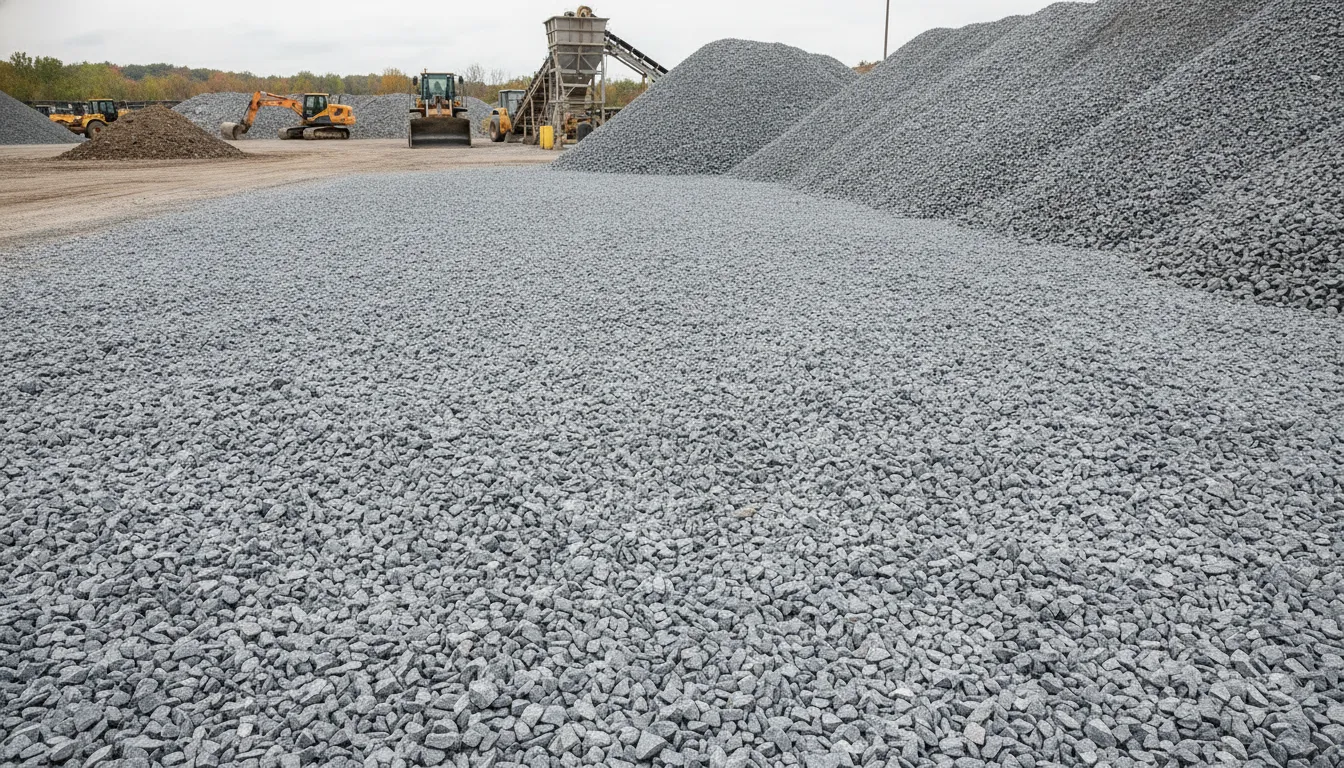
For a dependable stone supply, match the category to the job rather than choosing a size by appearance alone. The most common options include:
- Stone dust: The smallest crushed material, useful where a smooth, compactable surface or filler is needed. It is often blended with larger particles in base materials.
- Quarry process, or QP: A blend of 3/4-inch stone and stone dust. Because the range of particle sizes locks together when compacted, QP is commonly used beneath driveways, patios, walkways, sheds, and other structures that need a firm base.
- 3/4-inch clean stone: Larger, washed pieces with the fines removed. This open structure allows water to pass through, making clean stone a practical choice for French drains and other drainage applications. It should not be confused with QP, which contains fines and is intended to compact.
- 3/8-inch and 5/8-inch stone: Smaller aggregate options for pathways, surface work, and applications where a less coarse appearance or tighter fit is appropriate. The correct choice depends on the required finish and how much compaction the project needs.
- 1.5-inch to 2.5-inch stone: Larger aggregate for heavy-duty base work, erosion control, drainage layers, or projects that benefit from greater void space and a more rugged surface.
Match the aggregate to the structural job
Driveway and shed bases generally need a compacted blend such as QP, while a drainage trench usually needs clean stone without fines. Foundation and utility work may call for a specific size or gradation determined by the project plans, soil conditions, and drainage requirements. For patios, the base material and the visible surface may be different, so confirm the full installation assembly before ordering.
Organic Recycling Inc. organizes crushed, gravel, and decorative materials by numbered product SKUs in its stone supply options. Review the catalog with your contractor or installer, then confirm the material, size, quantity, and intended use before delivery. This helps prevent substituting a compactable base for a drainage stone, or selecting a clean open-graded product where a dense foundation is required.
Gravel and Decorative Stone for Landscaping
Landscaping stone is selected for two different jobs: creating a stable surface or shaping the visual character of a property. Gravel and decorative stone can both improve drainage, define planting areas, and reduce exposed soil, but their size, texture, and compaction behavior determine where each material performs best. Choosing by appearance alone can lead to shifting surfaces or difficult maintenance, while choosing only for structural strength may leave a finished landscape looking unfinished.
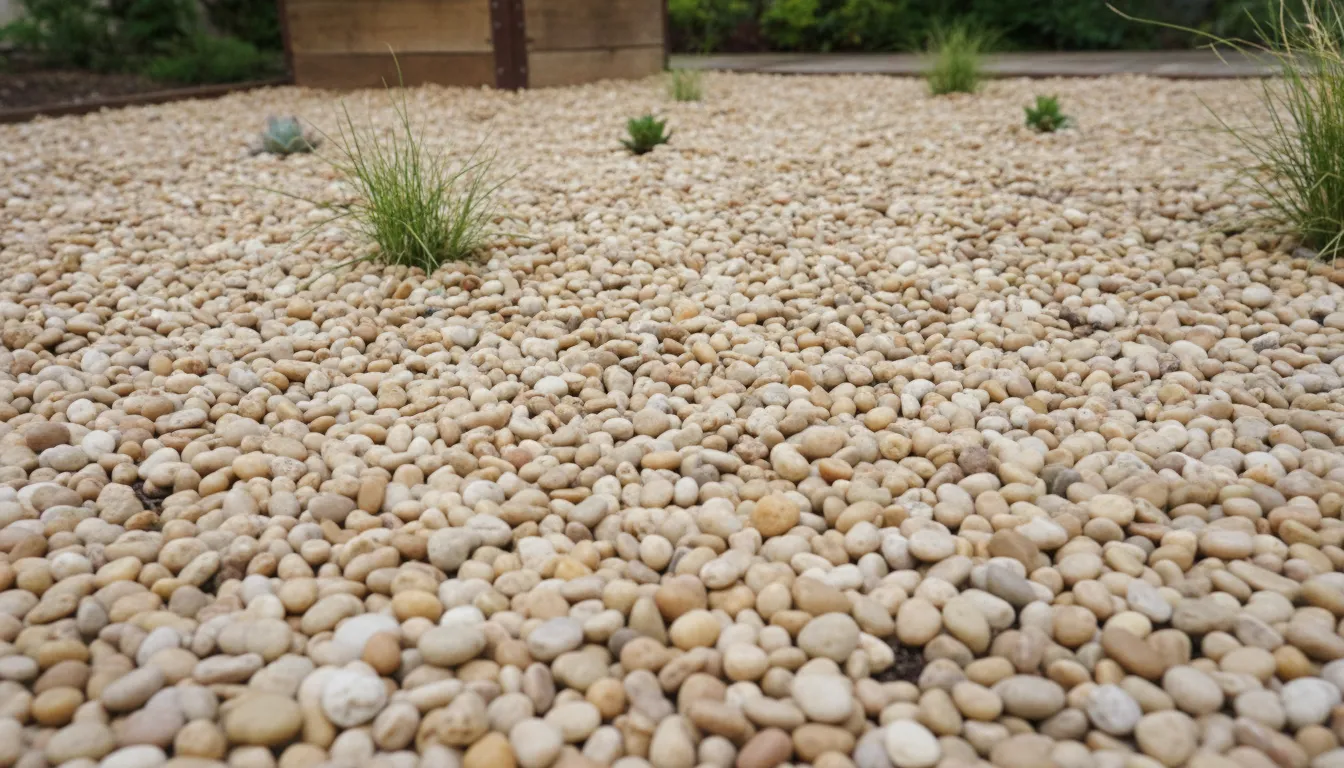
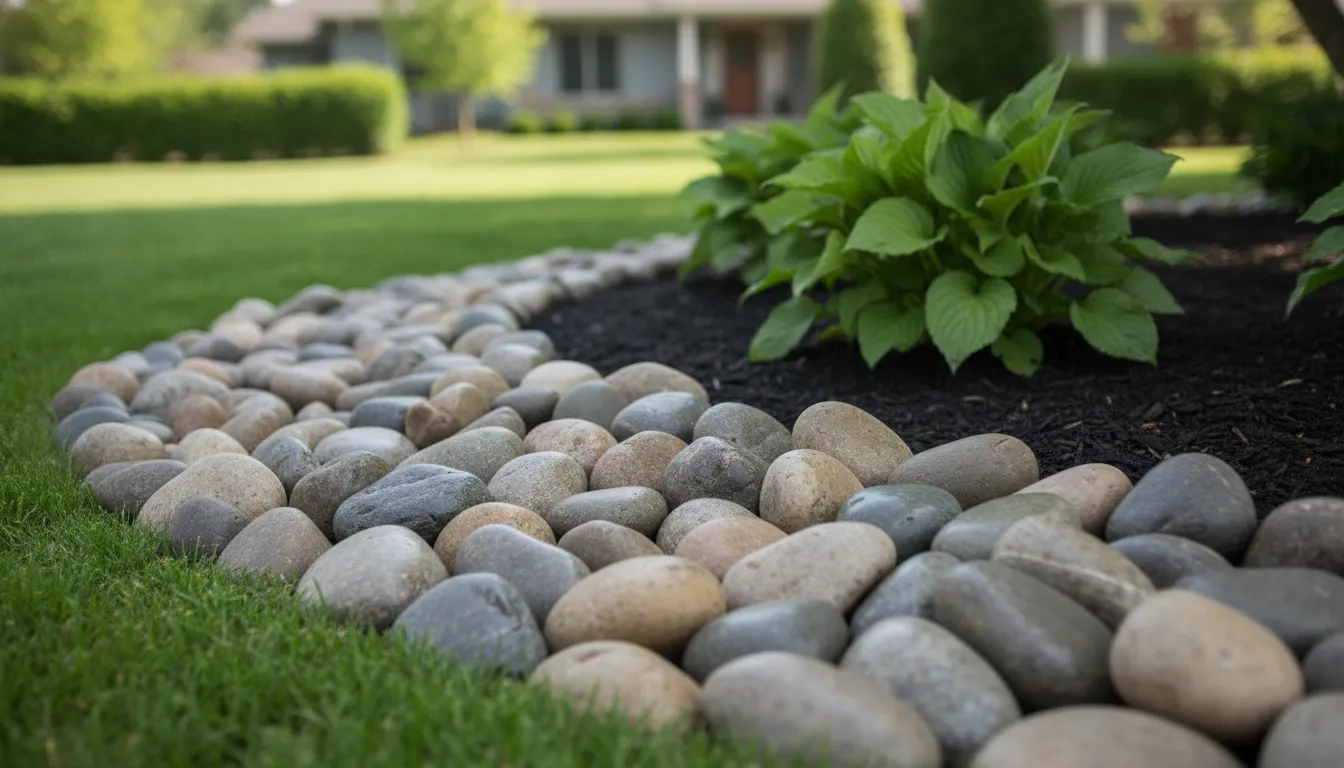
Pea gravel has small, rounded pieces that feel comfortable underfoot and suit garden paths, seating areas, and informal planting beds. Because the pieces do not lock together as tightly as angular crushed stone, edging and a well-prepared base help keep it in place. River stone and river rock offer a more pronounced rounded profile. Larger pieces work well along borders, dry creek features, drainage swales, and beds where the stone itself is part of the design.
| Stone Type | Best For | Appearance |
|---|---|---|
| Pea gravel | Paths, seating areas, garden beds, and light-use landscape surfaces | Small, smooth, rounded pieces with a soft, natural texture |
| River stone or river rock | Borders, dry creek beds, drainage features, and accent areas | Rounded stones with varied colors and a more prominent profile |
| Decorative blend | Feature beds, entry landscapes, edging, and coordinated color schemes | Distinctive colors and blends, such as Delaware River-inspired combinations |
| Crushed stone | Driveways, walkways, drainage layers, and compacted structural bases | Angular pieces with fractured faces that interlock and compact |
When should you choose a decorative blend?
Decorative blends are useful when color and scale need to work together across a visible landscape. A common design approach uses smaller 3/4-inch river rock as the field material, then adds larger 2.5-inch stone accents along borders. The contrast creates definition without requiring a completely different material throughout the property. Keep the blend coordinated with the building exterior, pavers, plants, and surrounding hardscape so the stone looks intentional rather than scattered.
Crushed stone serves a different purpose. Its angular edges help the material interlock, making it more suitable for driveways, base layers, and other applications where stability matters. Quarry process, often called QP, combines crushed stone with stone dust so it can compact into a firm base for projects such as patios, sheds, and driveways. It is not interchangeable with rounded decorative rock simply because both are sold as stone.
For available categories and numbered material options, review the decorative stone catalog. If the project also requires soil, mulch, or masonry materials, you can compare related landscape supplies before finalizing the order.
How to Choose the Right Stone Supply for Your NY or NJ Job
The best material depends on how the stone will perform after installation, not simply how it looks in a product photo. Use this process to match the stone supply to your project's load, drainage needs, appearance, and delivery requirements.
Define the project before choosing a material
Start with the job's function, surface area, and expected traffic. For driveways, parking areas, and equipment access, crushed stone and quarry process (QP) are practical starting points. QP combines 3/4-inch crushed stone with smaller particles down to stone dust, allowing it to compact into a firm base for driveways, patios, and sheds. For a patio or walkway, consider whether you want a compacted base beneath pavers or a finished surface that remains loose underfoot. Pea gravel and decomposed granite can suit certain paths and garden areas, but the right choice depends on the intended finish and edge restraint.
Choose structural or decorative stone
Structural stone supports a surface, fills an excavation, or improves water movement. Decorative stone establishes the visible finish around planting beds, borders, and walkways. Keep those roles separate when planning quantities. A French drain generally calls for 3/4-inch clean, washed gravel with no fines, which helps reduce the risk of fines clogging the drainage pipe. A driveway base needs a compactable blend such as QP rather than uniformly sized decorative rock. In landscaped beds, river rock or a decorative blend can provide a finished appearance while helping define planting zones.
Match the size to performance and appearance
Stone size affects compaction, stability, drainage, and visual scale. Smaller particles help a base lock together, while clean, uniformly sized stone leaves more open space for water to pass through. Larger crushed stone can serve utility, retaining-wall, or heavy-duty applications where a stable aggregate is needed. For a designed landscape, combining sizes can create a deliberate look. One established approach uses 3/4-inch river rock as the primary field material, then adds larger stone accents along borders. View the stone supply options and compare the listed material categories before selecting a finish.
Order the bulk material with the installation plan in hand
Measure the area, determine the planned depth, and confirm whether the material is supplied by the cubic yard, ton, or another unit before ordering. This prevents a decorative product from being substituted for a structural base or a clean drainage stone from being replaced with a material containing fines. If your project includes masonry components, remember that Organic Recycling Inc. blends components on site rather than truck-mixing them. For delivery planning across Northern New Jersey and Southern New York, including Westchester County, confirm the logistics and access requirements with the supplier. A clear project description, material use, estimated quantity, and delivery location gives the team the information needed to recommend an appropriate bulk load.
Ordering Bulk Stone in NY and NJ: Quantities, Delivery, and What to Ask
A smooth bulk stone order starts with matching the material, quantity, and delivery plan to the job site. That is especially important when a project spans Northern New Jersey, Southern New York, Western Connecticut, or select parts of Pennsylvania. Organic Recycling Inc. serves Southern New York, including Rockland, Orange, and Westchester Counties and all five NYC boroughs, with delivery logistics coordinated for the project location.
Use these questions to compare a stone supplier and avoid surprises on installation day.
- What material and grading does the project require? Identify whether you need crushed stone for a base, drainage gravel, or decorative material such as river rock. Ask for the product name, size range, and whether the material contains fines. The right choice depends on how the stone will perform, not only how it looks. Review the stone supply options before requesting a load, and confirm that the selected material matches the contractor's specifications.
- Is the material sold by the cubic yard or by the ton? Gravel and crushed stone are commonly measured by the cubic yard, while decorative river rock and specialty blends are often sold by the ton. These are not interchangeable units. As a general planning reference, one cubic yard of gravel weighs roughly 1.4 tons and covers about 100 square feet at 3 inches deep. The actual yield varies with material density and installation depth, so treat that figure as an estimate rather than a quote.
- What is the minimum order? Ask before finalizing the quantity. Some bulk delivery providers set minimums of around 20 tons for crushed stone, but minimums vary by supplier, product, location, and truck requirements. Do not assume a minimum applies to every material or delivery area. A supplier should clarify the applicable order size and any practical limitations before scheduling.
- Can the truck reach the planned unloading point? Share the complete delivery address and describe the entrance, driveway surface, turning area, overhead clearance, and distance from the unloading point to the work area. In dense parts of Northern New Jersey, New York City, and Westchester County, access conditions can affect where material can be safely placed. Review the bulk delivery information and ask what site preparation is needed before the truck arrives. Keep vehicles, equipment, and people clear of the planned path.
- How will timing and communication be handled? Confirm the delivery window, contact person, unloading instructions, and what happens if the site is not ready. An owned, dedicated fleet supports reliable coordination, but the customer still needs to provide accurate access information and a prepared drop location. For masonry or concrete-related materials, also clarify whether components are supplied separately or blended on site. Organic Recycling Inc. uses on-site component mixing rather than truck-mixing.
For a larger installation, have the installer verify the quantity and material selection before placing the order. If the project also needs mulch, soil, compost, or masonry materials, review the broader landscape supplies catalog so related materials can be planned together.
Calculate How Much Stone You Need for Your Project
Ordering the right amount of stone starts with three measurements: the length and width of the area, plus the finished depth of the material. Measure each dimension in feet. Multiply length by width by depth to find cubic feet, then divide that number by 27 to convert cubic feet into cubic yards.
Length x width x depth / 27 = cubic yards
For example, a 20-foot by 10-foot area filled to a depth of 3 inches equals about 1.85 cubic yards: 20 x 10 x 0.25 equals 50 cubic feet. And 50 divided by 27 equals 1.85. The calculation gives you a planning estimate. Sloped areas, irregular shapes, compaction, excavation conditions, and installation waste can affect the final order.
Use coverage and weight as a second check
As a general reference, one cubic yard of gravel weighs roughly 1.4 tons and covers about 100 square feet at 3 inches deep. These figures are useful for comparing a volume estimate with a supplier's tonnage recommendation, but stone density varies by material and moisture. A decorative rock, crushed stone, or blended aggregate may not convert from yards to tons in exactly the same way.
Keep the finished depth consistent across your calculation. A shallow decorative layer may require less material than a compacted base, while drainage or structural applications may call for a specific depth and stone type. If your project includes multiple areas, calculate each one separately and add the totals afterward. This reduces errors when different sections have different depths.
For a faster estimate, use Organic Recycling Inc.'s volume calculator. Enter your project dimensions to create a starting quantity, then review the result with the team before placing an order. The tool can simplify the math, but it cannot determine whether a particular stone is appropriate for your base, drainage system, driveway, or landscape finish.
Confirm the order before delivery
When you contact a stone supply provider, share the material category, the calculated cubic yards, the approximate tonnage if known, the desired depth, and the project location. Ask whether the recommendation is sold by the yard or by the ton, and confirm how the material will be measured. Do not rely on a generic coverage chart if the product or application differs from the reference conditions.
It is also worth confirming access for the delivery vehicle and the intended drop location. A supplier can help identify whether your estimate should be adjusted for the selected material and the realities of the site. That conversation is especially valuable when the project is large, the area is irregular, or the stone will support a driveway, patio, or drainage installation.
Frequently Asked Questions
How do you calculate how much stone you need?
Measure the project length, width, and depth in feet, multiply those measurements, then divide by 27 to estimate cubic yards. For a practical cross-check, one cubic yard of gravel weighs roughly 1.4 tons and covers about 100 square feet at 3 inches deep. Add a small allowance for uneven ground and confirm the quantity with your supplier.
What is the difference between crushed stone and decorative stone?
Crushed stone is generally selected for function, such as driveway surfaces, drainage, pathways, and compacted bases. Decorative stone is chosen primarily for appearance in garden beds, borders, and other finished landscape areas. The right choice depends on the required size, shape, drainage performance, compaction, and visual finish.
What gravel is best for a French drain?
Washed 3/4-inch clean gravel is a common choice because it contains no fines that can clog the drainage pipe. The surrounding drainage design, pipe size, fabric, and site conditions still matter, so confirm the specification with your installer before ordering.
Is bulk stone sold by the yard or by the ton?
Many bulk gravel and quarry-process products are sold by the cubic yard, while decorative river rock and specialty blends are often sold by the ton. The sales unit can vary by material and supplier. Ask which unit applies to the selected product, then confirm the quantity, delivery access, and placement location before finalizing the order.
Ready to Order Bulk Stone for Your Project?
When requesting a quote, share the stone type you need, estimated quantity, delivery location in New York or New Jersey, and preferred timing. Those details help the Organic Recycling Inc. team understand your project and coordinate dependable bulk delivery. A supplier with an owned fleet can provide a more consistent delivery experience for residential, contractor, commercial, and municipal work. Share your project details and ask about the right stone supply option for your application.
Request a quote for bulk stone delivery from Organic Recycling Inc.