
What Is Bioretention Soil? A Project Guide
Bioretention soil gives stormwater teams a controlled growing medium where drainage performance and plant establishment must work together. Unlike ordinary topsoil, it is blended and evaluated against project documents so designers, contractors, and owners can manage runoff without sacrificing a healthy planted system.
Request a project-specific bioretention soil blend and delivery quote.
Bioretention soil is an engineered growing medium used in rain gardens, bioswales, tree pits, and other green infrastructure. Its blend balances drainage, filtration, moisture retention, and plant support. The correct composition and acceptance criteria depend on the approved project specification. So teams should confirm the required components, test methods, submittals, installation handling, and delivery plan before ordering.
Choosing the right material starts with the specification, not a generic recipe. This guide explains how the media works, how it differs from ordinary topsoil, and what project teams should confirm before procurement.
What is bioretention soil?
Bioretention soil is a purpose-blended growing medium for stormwater practices. It is commonly used in rain gardens, bioswales, tree pits, and other planted systems that receive runoff. Project documents may also call it bioretention media, bio-retention media, or a rain garden mix.
This engineered soil is designed to provide both hydraulic and horticultural performance. It allows runoff to move through the profile while supporting the root zone and the approved planting plan.
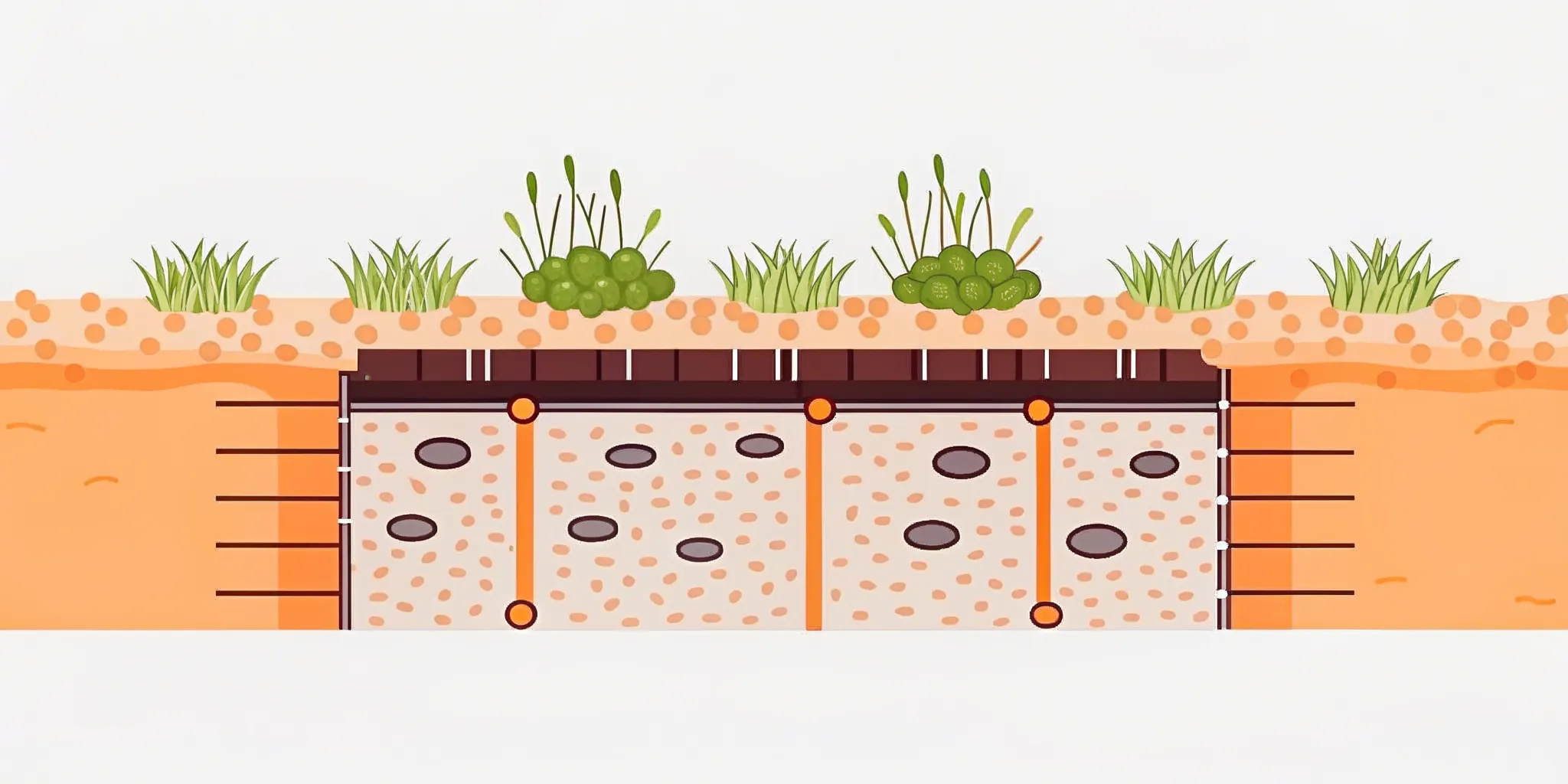
An engineered stormwater solution
Most soil in the city is hard and packed down. When it rains, the water just runs off the top. This runoff can pick up oil, trash, and salt. Bioretention systems use this special soil to catch that water. The soil acts like a big sponge. It holds the water and lets it slowly sink into the ground.
These systems do more than just hold water. They also clean it. As water moves through the soil, it filters out bad things. This includes bits of metal and car oil. Bioretention systems remove pollutants through physical and chemical steps. This keeps our local streams and lakes safe.
Key parts of the mix
To work well, the soil needs the right parts. It must drain fast so the area does not stay wet too long. But it also needs to hold food for plants. Most mixes use three main things:
- Sand: Usually 55% to 65% of the mix to help water drain fast.
- Topsoil: About 10% to 20% to give the soil some body.
- Organic matter: Between 25% and 35% to help plants stay healthy.
Some jobs use more sand. For example, some plans call for 85% sand and very little dirt. Using premium compost for bioretention is the best way to add organic matter. This helps the soil hold on to food that plants need.
Why quality control matters
Not all soil is the same. For a rain garden to work, the soil must be clean. Organic Recycling Inc. uses special tools to make sure the soil is top notch. We screen our products through 1/2-inch mesh. This removes big rocks and trash. It also makes sure every load is the same.
We process our products at sites with NYSDEC permits. This means we follow strict state rules. It ensures the soil is safe and does what it should.
Good soil should be tested before it goes in the ground. Quality control testing proves that the soil meets the project goals. This helps avoid problems like slow drainage or dead plants later on.
How bioretention soil supports drainage and plant growth
Bioretention soil plays a key role in modern stormwater control. This mix is not just dirt; it is a high-quality engineered soil made to solve two problems at once. It must let water flow through quickly to stop floods while giving plants the food they need to thrive. By balancing these needs, the soil helps the whole system work for a long time.
Managing water flow and storage
The main job of bioretention soil is to handle heavy rain. Most mixes use a lot of sand to create paths for water to move down. This prevents water from pooling on the surface for too long. In many designs, an underdrain sits at the bottom to catch the water and lead it away once it has passed through the soil layers.
According to the Connecticut Stormwater Quality Manual, these systems often use underdrains to help with drainage in flow-through designs. This setup allows the soil to act like a sponge. It holds some water for plants but lets the rest move through the ground. This slow movement helps recharge groundwater and reduces the risk of local flooding during big storms.
At Organic Recycling Inc., we screen our soil through a half-inch mesh to keep it even. This step removes large rocks and sticks that could block water flow. A uniform mix ensures that water moves at the right speed every time it rains. Knowing it works well is vital for sites that must meet strict local rules for runoff control.
Improving water quality through filtration
As water moves through the soil, the mix acts as a filter. It catches bits of trash, oil, and metals from the street. The soil uses physical and chemical ways to trap these wastes before they reach our streams. This process keeps our local water clean and protects the fish and birds that live there.
One key part of this work is handling phosphorus. For a site to get credit for clean water, the soil must have low levels of this nutrient. Too much phosphorus in runoff can cause algae to grow too fast in ponds. Testing helps ensure the soil mix meets the right goals for water purity. This makes the soil a tool for both drainage and health.
The organic matter in the mix also helps break down some wastes. Tiny bugs in the soil eat up oil and other chemicals. This living work turns the soil into a natural filter. Because of this, the system gets better at cleaning water as it gets older. It is a simple way to keep the land safe from city runoff.
Promoting strong plant and root health
Plants are the heart of any bioretention area. Their roots help keep the soil loose so water can sink in. They also take up water and nutrients as they grow. The soil must have enough food, like nitrogen and phosphorus, to keep the plants green and strong. A mix with about 12 mg/kg of phosphorus is often best to start growth.
Roots need air just as much as they need water. The sandy nature of bioretention soil keeps air pockets open. This prevents the roots from rotting in wet ground. When roots are healthy, they grow deep into the soil. Deep roots help the plants survive dry spells between rain events. This makes the landscape look good all year round.
Organic matter in the soil holds onto the water that plants need. It acts like a tiny tank that stores moisture. This balance of sand for drainage and compost for food is what makes a great mix. It allows the system to support a wide range of grasses, shrubs, and flowers. Healthy plants mean a more stable and useful stormwater system for years to come.
Bioretention soil vs. ordinary topsoil
Most home gardens and lawns use plain topsoil to help plants grow. This soil works well for grass but it can struggle with heavy rain. When a site needs to manage runoff, a standard dirt mix is not enough. You will need a special mix called bioretention soil to handle the flow. This media is a blend made for a specific task.
Design and purpose
Plain topsoil usually has a lot of clay and silt. These small bits pack together and slow down water. In a heavy storm, water may pool on top of the ground instead of sinking in. Bioretention soil is an engineered mix that solves this problem. It uses a lot of sand to create paths for water to drain fast. This helps stop floods and keeps water moving into the ground.
This soil does more than just drain. It also acts as a filter to catch dirt and oil from rain runoff. As shown in stormwater rules, these systems use natural steps to clean the water. The mix must hold enough food for plants but not so much that it leaks into the local creek.
Quality and stable mix
You can find common topsoil at most supply yards. But the quality can change a lot between loads. One pile might have more clay than the next. This lack of sameness is a big risk for green projects. For rain gardens, you need a high-quality engineered soil that stays the same every time. This ensures the site drains as it should for years.
We make our soil blends in sites that follow strict rules. Our NYSDEC-permitted sites allow us to control every part of the mix. We screen our products through a half-inch mesh to remove sticks and stones. This care leads to a clean mix that meets tough project specs. Using a stable mix helps you avoid costly fixes later on.
Testing and specs
Engineered soil often must meet strict specs to pass building checks. This might include tests for grain size or how much organic matter is in the mix. Builders use these soil standards to prove the mix will work as designed. Plain topsoil rarely needs this level of detail before it is used on a job site.
These tests check for things like how fast water moves through the mix. A good bioretention soil must drain well but also hold onto food for plants. This balance is hard to find in native dirt. By using a tested mix, you can be sure your project meets local rules. This reduces the risk of water damage or plant loss in the future.
| Feature | Plain Topsoil | Bioretention Soil |
|---|---|---|
| Primary Use | Lawns and gardens | Rain gardens and basins |
| Drainage Speed | Varies by source and composition | Designed to meet the project specification |
| Main Component | Native soil and silt | Clean construction sand |
| Quality Control | Varies by source | High and tested often |
| Cleaning Power | Not typically selected as stormwater media | Supports filtration as part of a designed system |
Choosing the right soil
Picking the right dirt depends on your project goals. If you want a lush green lawn, Premium Topsoil is often the best fit. It holds onto water to keep roots wet. But if you must manage runoff, you will need the fast-draining power of a bioretention mix. Always check your local rules before you start. Many towns have specific rules for new builds to help manage storm runoff.
What should project teams confirm in a soil specification?
Project teams must review the site plans and the project book. The soil spec is the rule for the job. You need to know what goes into the high-quality engineered soil before you order it. This helps the mix work well on your site. It also helps you stay on schedule and avoid extra costs. A good plan starts with a clear view of the soil needs.
Review the material parts
The spec lists the parts of the mix. Many mixes use sand, soil, and organic matter, but the required proportions vary by project. Review every component and confirm the proposed blend matches the governing specification. If the mix is wrong, drainage and plant growth may not perform as the designer intended.
You also need to check the specified nutrient and organic matter requirements. The right targets depend on the design, planting plan, local rules, and acceptance criteria. Confirm the required test methods and acceptable results with the project team rather than relying on a universal threshold.
Follow these steps for a smooth review
- Read the project book to find the exact mix ratios. The sand, topsoil, and premium compost for bioretention must match the design.
- Look for testing dates and submittal needs. You must send data to the project manager for approval before any delivery.
- Confirm the delivery site and path. Small trucks may be needed for some sites, while large bulk trucks work best for big jobs.
- Check the total amount of soil you need. Always add a small buffer for settling so you do not run out of soil.
- Set up a plan for site storage. Keep the soil away from mud and runoff to keep the material clean until you use it.
Testing is a big part of any job. You should look for ASTM standards in the spec. Many jobs use ASTM D2487 standards to group the soil types. This testing proves the soil meets the project needs. You will need to show this data to the site owner or the city before the work starts.
Plan for logistics and acceptance
Logistics are just as vital as the soil itself. You should know how much soil the fleet can bring at one time. A trusty supplier will use their own trucks to stay on time. This helps you plan your crew and machines. You do not want a crew waiting for a truck that is late. Clear talk with your supplier can keep the job moving fast.
Finally, confirm the acceptance steps. Someone on site should check the soil when it comes. They should look for trash or poor color. Using soil from a NYSDEC-permitted site helps here. These sites follow strict rules to ensure the soil is clean and safe for the project. Checking the soil upon arrival ensures it meets the high standards of the job.
Contact Organic Recycling Inc. to review the specification and coordinate a project-specific blend.
Planning procurement and delivery for bioretention projects
Buying the right soil for a rain garden project is a key step. You need a mix that drains well but also helps plants grow. Working with a trusted source ensures the mix stays the same from start to finish.
This quality is vital for large jobs where you need many loads of soil. A clear plan helps the designer, the builder, and the source stay on the same page. When everyone knows the plan, the work moves along with fewer errors.
Managing samples and data
Before any soil arrives on site, you must prove it meets the project rules. Designers often ask for data to show the mix will work. This step usually involves sending in samples of the bioretention soil for lab tests. These tests check the mix for sand content and plant matter.
Based on academic rules, soil samples must be sorted using ASTM methods. These tests give a clear picture of how the soil acts when it gets wet. You should also look for quality control data to back up the product claims. Getting these forms done early keeps the project from stalling later on.
Planning site delivery
Moving large amounts of bulk soil takes careful timing. You must think about how trucks will get into and out of the site. It is helpful to use a source that has their own trucks.
This allows for better control over the drop-off times. You can set an order that matches your work pace. For example, you might want a few loads each morning to keep the crew busy.
Good site access is also a big part of the plan. Make sure there is a clear, firm path for heavy trucks to drive on. If the site is small, you may need to bring in small loads over many days.
Talk to your source about any tight spots or low wires. A quick call can prevent many delivery mishaps and keep your team safe.
Protecting soil from compaction
Once the soil is at the site, how you handle it matters a lot. One of the biggest risks to bioretention soil is compaction. If you pack the soil too tight, water cannot flow through it.
Do not use heavy machines to move or spread the soil if you can avoid it. Instead, use light tools or place the soil in layers to keep it loose. This helps the system drain water as the design intended.
You must also protect the mix from other dirt and trash. If muddy water from the site gets into the soil, it can clog the system. Store the soil on a clean surface or use a cover to keep it safe. Keeping the high-quality engineered soil clean ensures it will last for a long time. Good talk between the field crew and the source helps keep these standards high.
Why project-specific blending matters
Meeting strict project specs
Every landscape project has its own set of rules. For stormwater work, these rules often include a specific bioretention soil mix. A blend that works for one site may not match another site's plans. Project teams need soil blended to the governing requirements.
These mixes help support drainage and plant growth as part of a designed system. The required balance of sand, fines, and organic matter varies. Always use the approved project specification and submittal process to define the blend.
Soil samples must follow standards like ASTM D2487 to prove they meet the plan. Using the right high-quality engineered soil ensures your site stays in line with local laws. We can adjust the mix to hit the exact drainage speed your engineers need for your specific site.
Managing water and nutrients
One goal of a bioretention system is to pull waste from runoff. This happens through natural and direct steps like filtration and adsorption. Custom blending lets you control things like phosphorus levels. This is vital for projects near sensitive water bodies or protected wetlands.
The required nutrient targets and test methods must come from the project documents. A custom blend can balance the specified organic components with the mineral fraction while supporting the planting plan. Confirm test results before delivery and keep approved submittals with the project records.
Quality control and delivery
Quality control keeps every load of soil the same. Mixed-in bits like large rocks can clog drainage systems and cause flooding. Organic Recycling Inc. uses bioretention soil that is screened through 1/2-inch meshes. This step removes large rocks and sticks that do not belong in a fine mix.
We process all materials at our NYSDEC-permitted sites. These sites follow Part 360 rules to keep the soil clean and safe for the land. We also run tests to prove the soil meets your project goals before it leaves our yard. It also ensures the soil flows well through machines during the build.
Our own fleet can deliver these custom blends directly to your site on your schedule. You can use our delivery quote tool to start your order. This way, you know the soil you get today is the same high quality as the soil you get tomorrow.
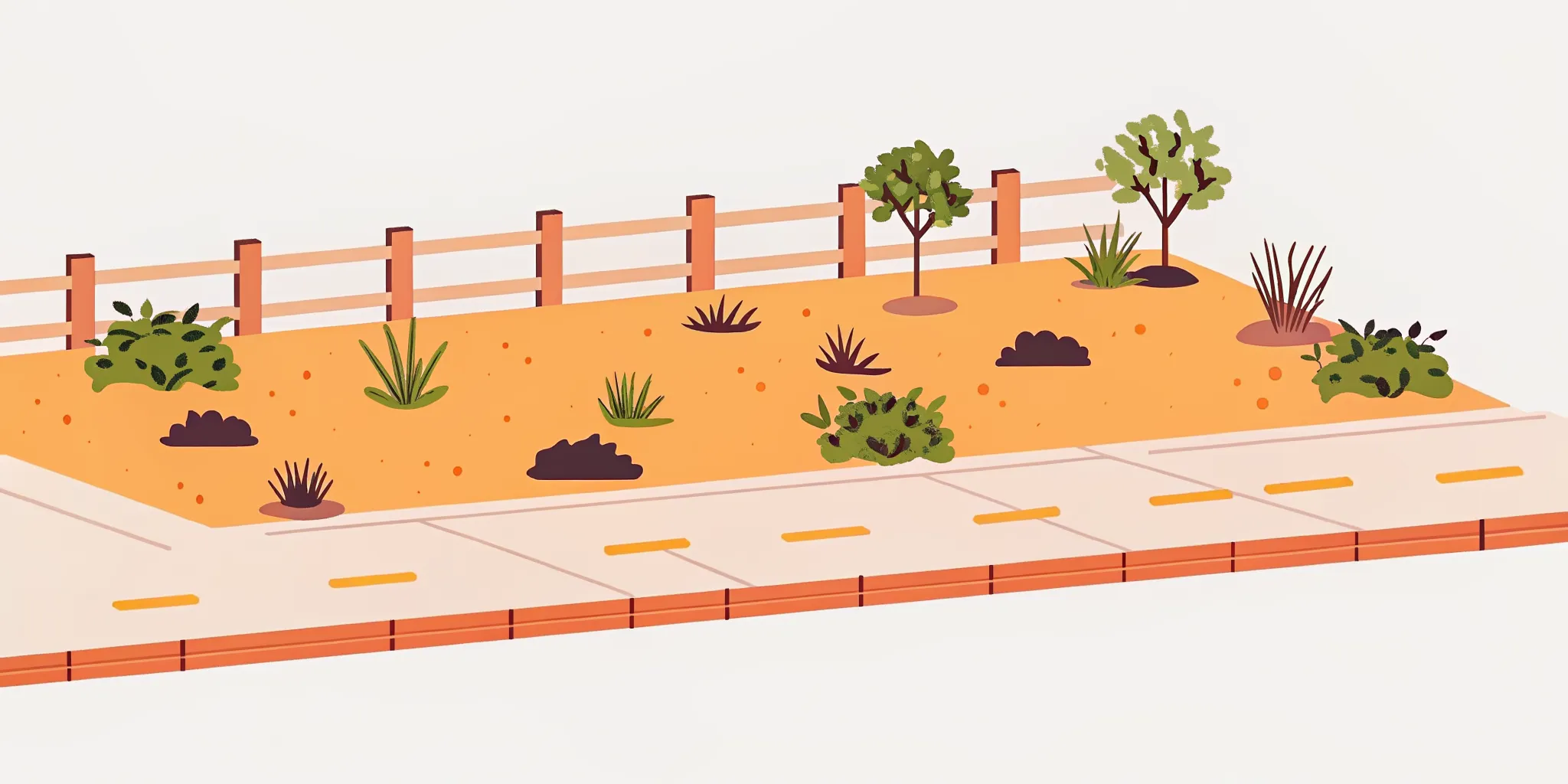
Common bioretention soil mistakes to avoid
Success in stormwater work starts with the right products. Small errors in soil choice or site work can lead to big costs. Many people assume that bioretention soil is the same as garden dirt, but that is a mistake. Using the wrong blend can clog your system and stop water from draining.
Using the wrong soil mix
One common error is using generic topsoil instead of a blend made for drainage. Standard dirt often has too much clay or silt. These fine parts can block water flow. A true high-quality engineered soil uses sand and organic matter to keep pores open. This mix helps water sink through while also helping plants grow.
You must also watch for dirt on the job site. If mud or silt from other areas washes into the mix, it will fail. Quality soil must stay clean until it is in the ground. At Organic Recycling Inc., we screen our products through a 1/2-inch mesh to keep them pure and steady.
Ignoring project plans
Each project has its own set of rules. You should never assume one blend fits every job. Some plans call for very different component proportions or a different type of bioretention system. Testing and submittal approval are key to meeting these goals.
Failing to do testing early can cause delays. You should get lab results that show the soil meets ASTM D2487 standards for soil type. These tests prove the soil will work as the engineers planned. Checking these facts before you buy helps you avoid rework and extra fees.
Handling and delivery errors
How you move and place the soil matters just as much as what is in it. Compaction is a major problem for rain gardens. If you drive heavy tools over the mix, you will squash the air gaps. This stops water from moving and can kill plant roots. Use light tools and place the soil in layers instead.
Late forms and poor delivery plans also cause stress. You should plan your order early to keep the project on track. Using premium compost for bioretention helps ensure the mix has the right nutrients from the start. A reliable fleet of trucks can help you get the bulk loads you need right when you need them.
Frequently Asked Questions
What are common uses for bioretention soil?
Bioretention soil is mostly used in rain gardens, bioswales, and city tree pits. These setups catch runoff from hard areas like parking lots, roads, or roofs. You will often see these systems in busy areas and next to city streets. They help stop local floods and manage water flow during heavy rain storms. Trusted suppliers like Organic Recycling Inc. provide screened mixes to ensure the soil works as intended for these projects.
Is bioretention soil the same as rain garden soil?
The terms are often used for the same thing, but there are small differences. Rain garden soil is a type of bioretention mix made for smaller home projects. Bioretention soil usually meets strict rules for big city or state jobs. Both mixes use sand and organic matter to help water soak into the ground. Most experts use these names to describe any soil that is built to filter and hold stormwater.
How does bioretention soil help reduce water pollution?
This soil cleans water using natural steps that trap solids and pull out harmful bits. It takes in heavy metals and nutrients like nitrogen that can hurt local ponds. The Connecticut Stormwater Manual states that these systems clean water using physical and chemical paths. This keeps our streams and lakes clean by filtering out oil and grit from city streets before the water reaches the drain.
Can I use standard topsoil instead of bioretention soil?
Do not substitute plain topsoil when the project calls for bioretention soil. Ordinary topsoil can have a different texture and may not provide the specified drainage or consistency. Bioretention soil is an engineered mix intended to support stormwater flow and plant growth. Use a blend that meets the approved project documents.
Need a reliable mix for your next stormwater project?
Early soil coordination gives the supplier, designer, and contractor time to confirm the blend, review submittals, and plan deliveries. That preparation helps keep the stormwater project aligned with its approved specification and construction schedule.
Ready to plan your site? Request a project-specific blend and delivery quote. Share the project specification, expected quantity, delivery location, and schedule so the team can discuss the right next steps.