
Bluestone Patio Pavers: A Complete Guide
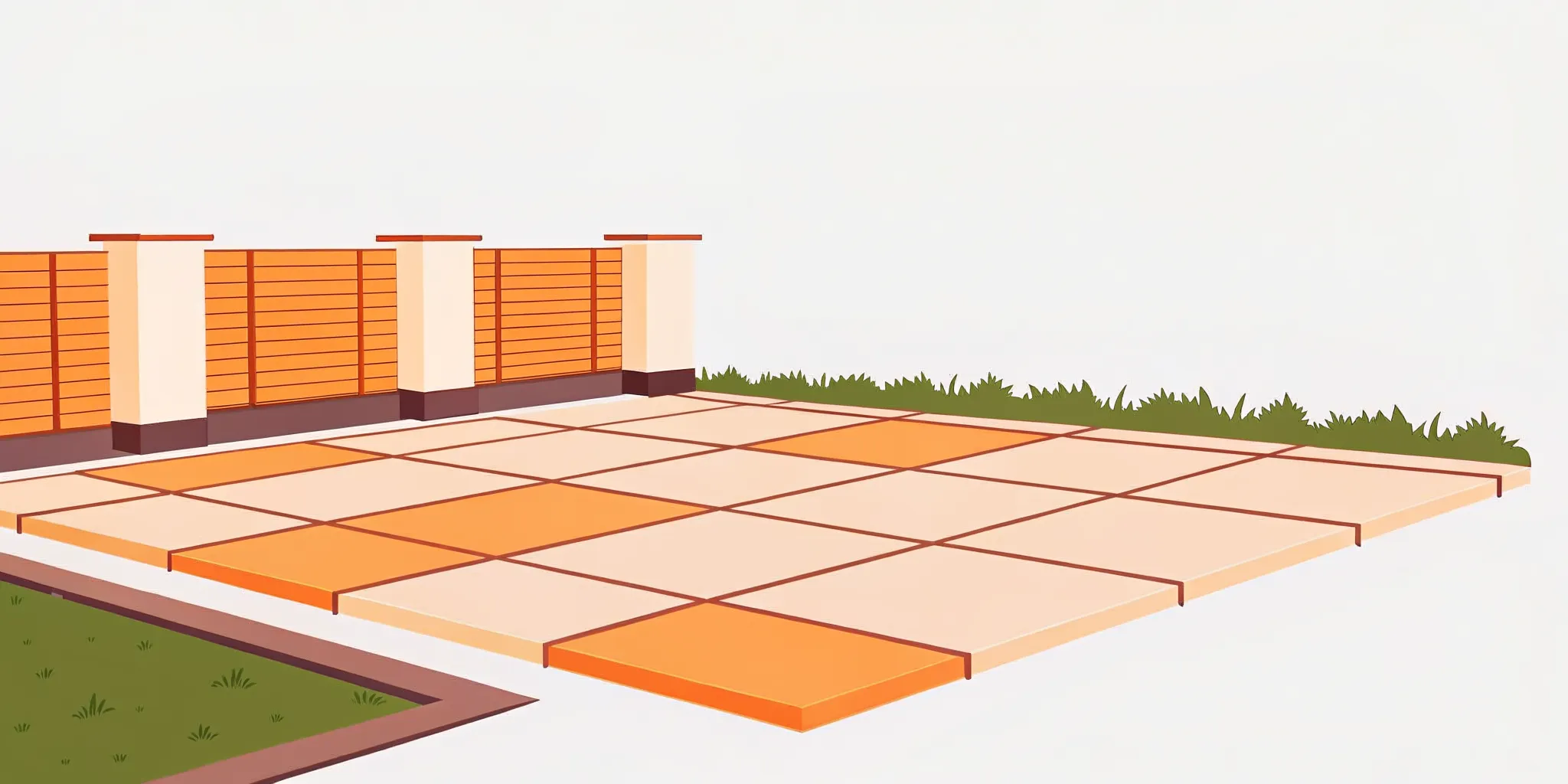
You’ve likely seen stunning photos of bluestone patios and admired their classic, elegant appeal. While it’s a fantastic and durable option, it’s not the perfect choice for every single project. A smart decision comes from knowing both the benefits and the potential drawbacks. This guide offers an honest, balanced look at bluestone patio pavers. We’ll celebrate their incredible durability and timeless style, but we’ll also talk frankly about the necessary maintenance, the higher upfront cost, and how the stone behaves in direct sunlight. Our goal is to give you all the information you need to decide if bluestone is the right material for your lifestyle.
Key Takeaways
- Understand the trade-offs: While bluestone provides unmatched durability and classic style, be prepared for a higher initial cost, its tendency to get hot in direct sun, and the need for consistent maintenance.
- A solid foundation is non-negotiable: The longevity of your patio depends on a properly compacted gravel base. This prevents shifting and cracking, so never lay pavers directly on dirt.
- Protect your investment with sealant: Bluestone is porous, so applying a quality sealer every few years is crucial. This simple step prevents stains, protects against moisture damage, and preserves the stone's natural color.
What Exactly Are Bluestone Pavers?
When you picture a classic, elegant stone patio, there’s a good chance you’re thinking of bluestone. This beautiful natural stone is a type of sandstone, prized for its durability and distinctive color palette. It’s a go-to choice for patios, walkways, pool decks, and garden paths because it offers a perfect blend of timeless style and rugged performance. Before you start planning your project, it helps to understand the different characteristics of bluestone, from its range of colors to its surface textures and sizes. Knowing these details will help you select the perfect pavers for your outdoor space and ensure you get the exact look you want. You can find bluestone alongside other premium masonry supplies from trusted local providers.
Exploring Bluestone Types and Colors
One of the best things about bluestone is that its name is a bit of an understatement. While it’s famous for its signature blue-gray hue, the stone actually comes in a stunning variety of colors. Depending on where it was quarried, you can find bluestone with shades of green, brown, rust, and even purple mixed in. This natural variation means that no two bluestone patios are exactly alike. The subtle, earthy tones allow it to blend seamlessly into almost any landscape design, from rustic country gardens to sleek, modern backyards. This range gives you the creative freedom to choose a color profile that perfectly complements your home’s exterior and your personal style.
Choosing a Surface Finish: Natural Cleft, Honed, or Thermal
The finish of your bluestone pavers affects both their look and feel. The most popular option is a "natural cleft" finish. This means the stone is split along its natural layers, creating a slightly uneven, textured surface. This texture is not only beautiful and classic, but it also provides excellent slip resistance, making it a safe choice for pool surrounds and walkways. Another common option is a "thermal" or "flamed" finish. This is created by heat-treating the stone, which results in a more uniform and consistent texture. A thermal finish offers a smoother, more refined appearance while still maintaining good traction for outdoor use.
Finding the Right Size and Thickness
Bluestone pavers come in various sizes and thicknesses, allowing for flexibility in your design. Typically, you’ll find them in thicknesses ranging from one to one-and-a-half inches. The thickness you choose can affect the project's coverage and installation method. For example, a pallet of 1.5-inch thick pavers might cover around 180 square feet, while a pallet of thinner 1-inch pavers could cover closer to 220 square feet. Thicker stones are often set in a gravel and sand base, while thinner ones may be installed over a concrete slab. Working with your supplier will help you determine the right dimensions for your specific project needs.
Why Choose Bluestone for Your Patio?
When you’re planning a new patio, the material you choose makes all the difference. It sets the tone for your entire outdoor space and determines how much time you’ll spend on upkeep. Bluestone is a consistently popular choice for good reason. It offers a rare combination of rugged durability and natural elegance that’s hard to find in other materials. From its rich, earthy colors to its impressive lifespan, bluestone provides a solid foundation for a patio you’ll enjoy for decades. Let’s walk through the specific benefits that make it a standout option for homeowners and landscapers alike.
Built to Last: Durability and Weather Resistance
One of bluestone’s greatest strengths is its sheer toughness. This dense, hard-wearing stone is built to handle heavy foot traffic, patio furniture, and the challenges of changing seasons without cracking or chipping. For those of us in the Northeast, a material that can withstand freeze-thaw cycles is essential. Bluestone holds up beautifully against rain, snow, and sun, with a potential lifespan of 35 to 50 years or more with proper care. Its resilience means you’ll spend less time and money on repairs, making it one of the most reliable masonry supplies you can choose for your project.
A Safer Surface: Natural Slip Resistance
Safety is a top priority for any outdoor living area, especially around pools or in places that see a lot of rain. Bluestone has a naturally textured, slightly rough surface that provides excellent traction, even when it’s wet. This inherent slip resistance offers peace of mind, reducing the risk of slips and falls for your family and guests. Unlike some smoother stones that can become slick, bluestone’s grip makes it an ideal choice for walkways, steps, and poolside patios where a secure footing is crucial. It’s a practical feature that adds another layer of function to its beautiful form.
Timeless Style and Versatile Design
Bluestone delivers a classic, sophisticated look that complements almost any architectural style, from a rustic farmhouse to a modern colonial. Its signature color palette includes a beautiful range of deep blues, grays, browns, and even hints of purple, with natural variations that make every single paver unique. This creates a rich, organic feel that can’t be replicated by manufactured materials. Whether you prefer a formal, uniform pattern or a more random, natural layout, bluestone’s versatility allows you to design a truly one-of-a-kind patio that feels both timeless and personal. You can explore it alongside other landscape supplies to find the perfect fit.
A Smart Investment: Increasing Your Home's Value
Installing a bluestone patio is more than just an upgrade to your backyard; it’s an investment in your home’s overall value. The premium quality and enduring appeal of natural stone are highly sought after by homebuyers, adding significant curb appeal and a touch of luxury. While the initial cost may be higher than for materials like concrete pavers, its longevity and low maintenance needs often make it more cost-effective over time. A well-designed bluestone patio enhances your enjoyment of the property and can provide a strong return on investment if you ever decide to sell.
What's the Budget for a Bluestone Patio?
Let’s talk numbers. A bluestone patio is an investment, so it’s smart to understand the costs before you start digging. The final price tag depends on the type of stone you choose, the size of your patio, and whether you hire a professional or tackle the project yourself. We’ll break down the key expenses to help you create a realistic budget for your dream outdoor space.
Breaking Down the Cost by Type and Finish
On average, you can expect to pay between $15 and $31 per square foot for a professionally installed bluestone patio. If you're just buying the materials for a DIY project, the stone itself typically costs $6 to $14 per square foot. The finish you select plays a big role here. Natural cleft bluestone is usually more budget-friendly, running from $6 to $11 per square foot. Thermal bluestone, with its smoother, more uniform surface, costs a bit more at $9 to $14 per square foot. For a typical 200-square-foot patio, that means a total installation cost of roughly $3,000 to $6,200. You can explore different types of stone in our masonry supplies to see what fits your budget and style.
Professional Installation vs. DIY: What to Expect
Deciding between hiring a pro and doing it yourself is a classic project dilemma. Going the DIY route can save you a lot on labor, but installing a bluestone patio is physically demanding work. You’ll be lifting heavy stones and spending hours on your knees. If you have physical limitations or a packed schedule, hiring a contractor is often the best choice. Professionals can ensure the job is done right, often with a warranty for their work. Considering a properly installed bluestone patio can last up to 50 years, getting it right from the start is a worthy investment. If you do decide to DIY, our convenient delivery service can bring all the heavy materials right to your curb.
Other Factors That Influence the Final Price
Beyond the stone and basic installation, a few other costs can pop up. Labor is the biggest variable, often making up 60% to 70% of the total project price. Your yard’s condition also matters. If the area needs significant prep work like leveling, grading, or removing an old concrete slab, your costs will increase. You’ll also need a solid foundation, which involves putting down a gravel base that can cost an additional $2 to $5 per square foot. We offer sand and gravel delivery to make getting your base materials simple. Finally, applying a protective sealant, which costs about $2 to $10 per square foot, is highly recommended to protect your patio from stains and weather.
Is Bluestone Always the Right Choice? The Downsides
Bluestone is undeniably beautiful, but like any premium material, it has a few characteristics you should know about before you commit. Thinking through these points isn’t about talking you out of your dream patio; it’s about making sure you go in with your eyes open, fully prepared for what it takes to keep it looking its best for years to come. A successful project is one where there are no surprises down the road. By understanding the complete picture, you can decide if bluestone is the right fit for your home, your budget, and your lifestyle. Let’s walk through some of the potential downsides so you can make a confident and informed choice for your outdoor space.
The Need for Regular Sealing and Maintenance
Because bluestone is a natural, porous stone, it’s susceptible to staining and moisture damage if it isn’t protected. Think of it like a beautiful wood countertop; you wouldn't leave it unfinished. To keep your patio looking pristine, you’ll need to apply a quality sealer after installation and reapply it every few years. This protective layer helps prevent things like spilled drinks, oil from the grill, or fallen leaves from leaving permanent marks. Without a proper seal, the stone can absorb water, which may lead to discoloration or other issues over time. This maintenance is a crucial step in preserving the stone’s rich color and durability for the long haul.
How Hot Does It Get in Direct Sun?
If your patio gets baked by the sun all afternoon, this is a point worth considering. The deep, rich colors of bluestone are gorgeous, but they also absorb heat. On a hot summer day, the surface can get quite warm to the touch, which might be a concern if you have kids or pets who love to run around barefoot. While some finishes and lighter shades of bluestone can be cooler than others, it generally gets hotter than lighter-colored concrete pavers. If your planned patio area is in full, direct sunlight, you might want to factor this into your design, perhaps by incorporating shady spots or choosing a different material for high-traffic barefoot zones.
Understanding the Higher Upfront Cost
There’s no getting around it: bluestone is a premium building material, and its price reflects that. As a natural stone that is quarried, cut, and transported, it simply costs more than manufactured concrete pavers. The price can also vary significantly based on the type, finish, and thickness you choose. While it’s a smart investment that adds significant value to your home, the initial budget required is higher. It’s important to see this not just as a purchase but as an investment in a durable, timeless feature. When planning your project, be sure to account for the cost of the stone itself, along with all the necessary masonry supplies and professional installation.
Potential for Flaking and Fading Over Time
Bluestone is a sedimentary rock, which means it was formed in layers. Over many years, especially in climates with freeze-thaw cycles, this can lead to a condition called spalling, where small flakes or chips come off the surface. This is a natural weathering process, but it can be minimized with proper installation and sealing to keep moisture out. Additionally, like any colored material left outdoors, the beautiful blue and gray tones can fade slightly over time due to sun exposure. Regular sealing can help protect the color, but it’s good to expect a natural, weathered patina to develop as your patio ages gracefully.
How to Install and Care for Your Bluestone Patio
A bluestone patio is a fantastic addition to any home, but its beauty and longevity depend on proper installation and consistent care. Whether you’re tackling this as a DIY project or hiring a professional, understanding the key steps will help you protect your investment. From building a solid foundation to performing routine maintenance, a little effort goes a long way in keeping your patio looking its best for years to come. Here’s what you need to know to get it right from the start.
Getting the Foundation Right: Base Prep and Drainage
The secret to a long-lasting bluestone patio isn’t the stone itself, it’s what’s underneath. A solid, well-drained base is essential to prevent shifting, cracking, and heaving, especially during freeze-thaw cycles. For the best results, you’ll want to excavate the area and lay a foundation of 3/4-inch crushed stone. This material, sometimes called "crusher run," compacts tightly to create a stable base that resists frost heave. Never lay bluestone directly on dirt. Without a strong, compacted gravel base, your patio won't have the support it needs to stay level and secure through the seasons. Proper sand, stone, and gravel delivery can get you the right materials for this critical first step.
Common Installation Mistakes to Avoid
A few common missteps can undermine the entire patio project. The most frequent error is failing to build a proper base, as we just covered. Laying pavers on plain dirt or a thin layer of sand is a recipe for a wavy, unstable surface. Another mistake is improper grading. Your patio should have a subtle slope, about a quarter-inch drop per foot, leading away from your home’s foundation. This ensures water runs off instead of pooling on the surface or seeping into your basement. Finally, be sure to properly compact each layer of the base material. Skipping this step leaves air pockets that will cause the patio to settle unevenly over time.
Sealing and Protecting Your Investment
Bluestone is a porous natural stone, which means it can absorb water and is susceptible to stains. Applying a quality stone sealer is a crucial step to protect it. Sealing prevents moisture from penetrating the stone, which helps stop flaking and cracking. It also makes the surface resistant to stains from things like spilled drinks, fallen leaves, or grill grease. For best results, your bluestone patio should be sealed every one to two years. This simple task keeps the stone’s natural color vibrant and makes cleaning much easier, ensuring your patio remains a beautiful focal point in your yard.
Your Long-Term Bluestone Care Checklist
Once your patio is installed and sealed, keeping it beautiful is straightforward. Basic care will ensure it lasts for decades. Start by sweeping it regularly to remove dirt and debris that can grind into the surface. For a deeper clean, wash it occasionally with water and a pH-neutral cleaner designed for natural stone; avoid acidic or harsh chemical cleaners that can damage the stone. Finally, stick to a resealing schedule. Re-applying a quality stone sealant every few years is the single best thing you can do to protect your bluestone from the elements and preserve its rich color and texture.
Where to Find High-Quality Bluestone Pavers
When you’re ready to start your project, sourcing high-quality bluestone is key. This natural stone is prized for its beautiful and subtle color variations. While it’s known for its signature blue-gray hue, you can also find bluestone with tones of green, brown, rust, and even purple. Choosing a reputable local supplier ensures you get durable, well-cut pavers for your project. At Organic Recycling, we offer a selection of premium bluestone and other masonry supplies to help you build the perfect patio. A reliable supplier can provide the materials you need to bring your vision to life.
Related Articles
- Bluestone
- Sand, Stone, Gravel Delivery Near Me
- Landscape Products & Mulch Delivery | Organic Recycling
- Garden Path & Stepping Stones
Frequently Asked Questions
What's the real difference between natural cleft and thermal bluestone? Think of it as a choice between a rustic texture and a refined surface. Natural cleft bluestone is split along its natural layers, giving it a slightly uneven, organic feel that’s great for slip resistance. Thermal bluestone is treated with heat to create a smoother, more uniform finish. It still offers good traction but has a sleeker appearance, making it a good fit for more modern designs.
Is bluestone difficult to take care of? It’s not difficult, but it does require some consistent attention. The most important task is sealing the stone after installation and then again every couple of years. This simple step protects it from stains and moisture damage. Beyond that, regular sweeping and an occasional wash with a pH-neutral stone cleaner are all you need to keep your patio looking great for decades.
Why should I choose bluestone over less expensive concrete pavers? While concrete pavers can be a good budget option, bluestone offers a level of natural beauty and longevity that manufactured products can't match. Each stone has unique color variations, creating a one-of-a-kind surface. It's also incredibly dense and durable. So, while the initial cost is higher, a properly installed bluestone patio can last 50 years or more, making it a true long-term investment in your home.
How well does bluestone actually handle harsh winter weather? Bluestone is an excellent choice for climates with tough winters. Its natural density makes it very resistant to the freeze-thaw cycles that can cause other materials to crack and heave. The key to this durability is a proper installation with a deep, compacted gravel base that allows for drainage. When done right, a bluestone patio is built to withstand season after season of snow and ice.
Can I really install a bluestone patio myself? It’s possible, but it is a physically demanding project. You’ll be doing a lot of digging, lifting heavy stones, and ensuring every layer of the base is perfectly level and compacted. If you have experience with major landscaping projects and are prepared for the hard work, you can save on labor costs. For most people, however, hiring a professional is a good idea to ensure the foundation is built correctly, which is essential for the patio's long life.