
Western Red Cedar Mulch: A Complete Guide
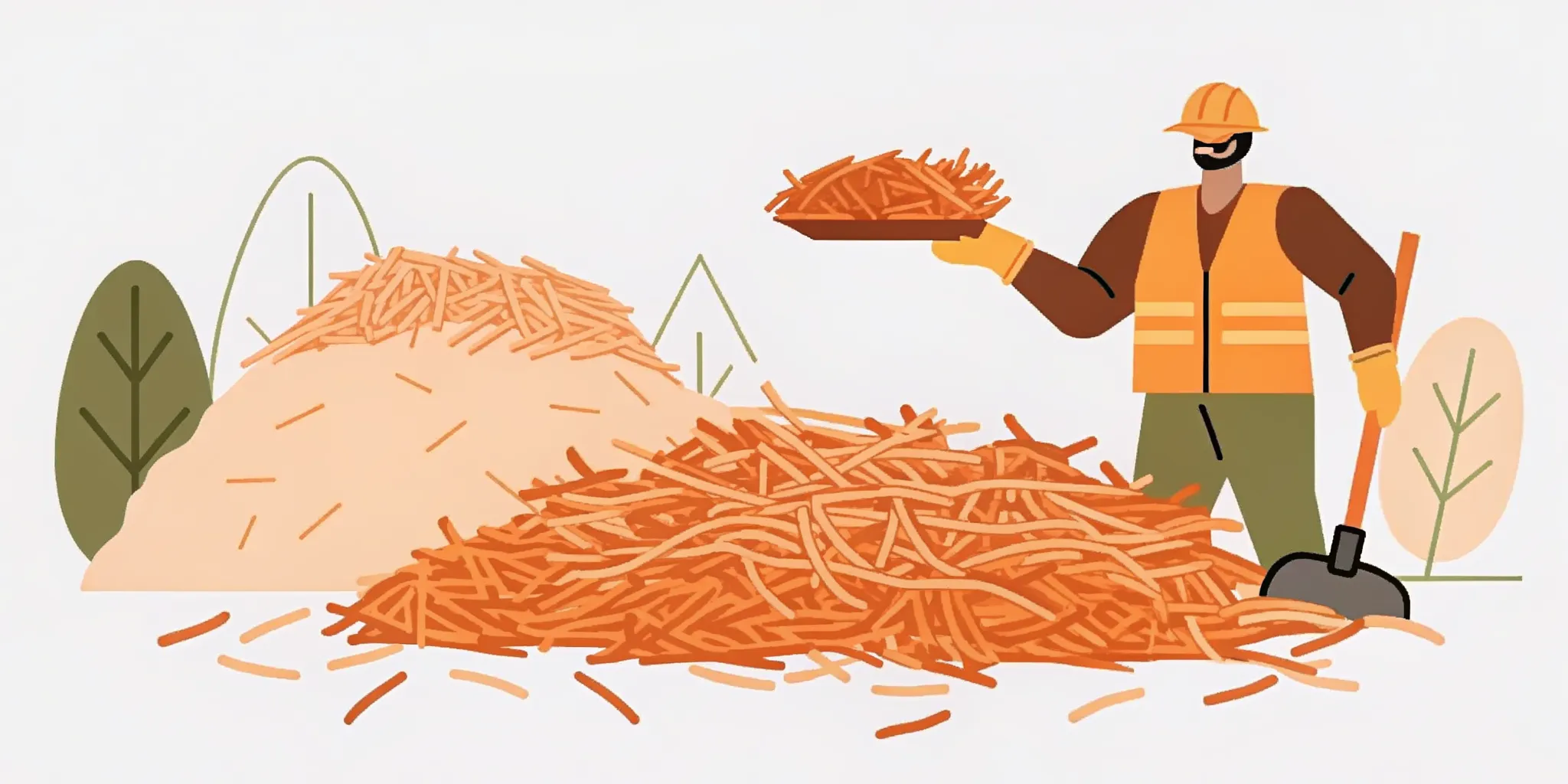
Weeding, watering, and worrying about pests can sometimes take the joy out of gardening. You put in the hard work to plant beautiful flowers and shrubs, only to spend the rest of the season fighting to keep them healthy. What if one simple addition could cut down on all that maintenance? That’s where western red cedar mulch comes in. This premium groundcover does more than just look good; it creates a protective layer that locks in moisture, smothers weeds before they can start, and naturally repels common insects. It’s a smart, low-effort way to get a healthier, more beautiful garden while saving yourself time and work.
Key Takeaways
- Get more than just a pretty groundcover: Western Red Cedar mulch does more than look good; it naturally repels pests, helps soil hold moisture so you water less, and breaks down slowly, making it a lasting investment.
- Apply it correctly for healthy plants: A two to three-inch layer is perfect for suppressing weeds and insulating soil. Just be sure to keep the mulch from touching plant stems or tree trunks to prevent moisture buildup and rot.
- Know the best places to use it: Cedar mulch is perfect for established flower beds, pathways, and around trees. Avoid using it in vegetable gardens or around very young seedlings, as its natural properties can slow their growth.
What is Western Red Cedar Mulch?
If you’ve ever walked through a garden and noticed a beautiful, reddish-brown groundcover with a fresh, woodsy scent, you were likely looking at Western Red Cedar mulch. This premium mulch is a favorite among gardeners and landscapers for good reason. It’s not just about looks; it’s a multi-tasking material that helps your garden thrive.
Made from the bark and wood of the Western Red Cedar tree, this mulch is completely natural and brings a host of benefits to your soil and plants. From its ability to deter pests to its long-lasting nature, it’s a smart and attractive choice for nearly any landscaping project. Let’s get into what makes it so special and how it’s produced.
Its Unique Properties
Western Red Cedar mulch is known for a few standout qualities that set it apart from other options. First, its rich color adds a polished, professional look to garden beds and pathways. Beyond its appearance, it has a distinct, pleasant aroma that comes from the natural oils in the wood. These oils aren't just for fragrance; they also help repel common garden pests like termites and certain ants, reducing the need for chemical pesticides.
This mulch is also excellent at regulating soil temperature and retaining moisture, which means you’ll water less often. It effectively suppresses weeds, saving you time and effort. Because cedar breaks down more slowly than many other wood mulches, it lasts longer in your garden, making it one of the best landscape supplies for long-term value.
How It's Made
The process of creating Western Red Cedar mulch is straightforward and natural. It begins with the Western Red Cedar tree, which is native to the Pacific Northwest. The mulch is produced by shredding or chipping the bark and wood of the tree into a uniform, easy-to-spread texture. There are no artificial dyes or chemicals involved, so you can be confident you’re using a pure, organic product in your yard.
At Organic Recycling, we are committed to providing high-quality, natural materials. We ensure our cedar mulch is sourced and processed to maintain its beneficial properties. This commitment to quality is part of our company mission to offer the best products for your landscaping needs, helping you create a healthy and beautiful outdoor space.
Why Choose Western Red Cedar Mulch?
When you're looking for a mulch that does more than just cover the ground, Western Red Cedar is a top contender. It’s a popular choice among gardeners and landscapers for good reason. Beyond its beautiful color and pleasant aroma, this mulch brings a host of practical benefits to your garden beds, pathways, and around your trees. It works hard to protect your plants and soil, all while making your outdoor space look polished and professional. Think of it as a low-maintenance, high-impact addition to your landscape. From keeping your soil healthy to warding off pests, Western Red Cedar mulch offers a combination of function and beauty that’s hard to beat. Let’s get into the specific reasons why it might be the perfect fit for your yard.
Regulates Soil Moisture and Temperature
One of the biggest jobs mulch has is protecting your soil, and Western Red Cedar excels at this. It forms a protective layer over the soil surface that helps retain moisture by slowing down evaporation from the sun and wind. This means you'll need to water your plants less often, saving you time and water. This same layer also acts as insulation, keeping the soil cooler in the summer and warmer in the winter. This temperature regulation reduces stress on plant roots, creating a more stable environment for them to grow. It’s an ideal choice for keeping your garden beds and pathways healthy through changing seasons.
Naturally Deters Pests
If you prefer to keep your garden free of chemical pesticides, you’ll love this benefit. Western Red Cedar contains natural oils that have a distinct aroma, which is pleasant to us but a turn-off for many common garden pests. Insects like termites, cockroaches, and certain types of ants tend to steer clear of cedar. This built-in pest control means you can protect your plants without reaching for a chemical spray, making your garden a safer place for kids, pets, and beneficial insects like pollinators. It’s a simple, organic way to keep unwanted visitors out of your flower beds and away from your home’s foundation.
Lasts Longer in Your Garden
Some mulches break down quickly, forcing you to reapply them every season. Western Red Cedar, however, is known for its durability. Because cedar wood is naturally resistant to decay, the mulch decomposes much more slowly than other wood mulches like pine or hardwood. This slow breakdown means it stays effective for a longer time, so you won't have to replace it as frequently. You get long-lasting coverage and protection, which saves you both time and money in the long run. When you’re ready for a fresh layer, our mulch delivery service makes restocking simple and convenient.
Offers a Beautiful, Rich Color
You can’t talk about Western Red Cedar mulch without mentioning its stunning appearance. It has a vibrant, reddish-brown hue that adds a touch of warmth and richness to any landscape design. This beautiful color creates a striking contrast with the green foliage of your plants, making them stand out. Over time, it weathers to a lovely silver-gray, but it maintains its classic look for a long time. Whether you're creating clean lines in a formal garden or a more natural look, the consistent color and texture of cedar mulch provide a polished, finished appearance that instantly improves your home’s curb appeal.
Where to Use Western Red Cedar Mulch
Western Red Cedar mulch is much more than just a pretty ground covering. Its unique combination of durability, pest resistance, and beautiful color makes it one of the most versatile landscape supplies you can choose. Whether you're looking to protect delicate flower beds, create inviting garden paths, or keep insects away from your home’s foundation, cedar mulch has a practical application.
Its ability to regulate soil temperature and moisture makes it a workhorse in any garden, while its natural oils provide a chemical-free pest barrier. Because it decomposes more slowly than many other organic mulches, it’s also a fantastic long-term investment for areas that you don’t want to refresh constantly. Let’s look at some of the best places to put this aromatic, reddish-brown mulch to work in your yard.
In Garden Beds and Flower Borders
Using Western Red Cedar mulch in your garden beds and around flower borders is a smart move for creating a healthy, low-maintenance landscape. Its dense matting ability is excellent for suppressing weeds, which means you’ll spend less time pulling unwanted growth and more time enjoying your flowers. The mulch also helps the soil retain moisture, so you won't have to water as frequently during dry spells. Plus, it insulates the soil, protecting plant roots from extreme temperature swings. The rich, warm color of the cedar provides a beautiful backdrop that makes the colors of your flowers and foliage really stand out.
Around the Base of Trees and Shrubs
Applying a ring of cedar mulch around the base of your trees and shrubs is one of the best things you can do for their health. This simple step helps protect the sensitive surface roots from lawnmower damage and foot traffic. More importantly, the natural oils in the cedar help repel common insects that can harm your plants, reducing the need for chemical pesticides. A proper layer of mulch also conserves water by slowing evaporation from the soil and prevents weeds from competing with your trees and shrubs for essential nutrients. It’s an easy way to give your largest landscape investments the protection they need to thrive.
For Pathways and Walkways
If you want to create soft, natural-looking pathways through your garden, Western Red Cedar mulch is an excellent choice. Because it breaks down slowly, it holds up well to foot traffic and won’t need to be replaced as often as other materials like pine straw or hardwood mulch. It helps keep weeds from taking over your walkways, ensuring they remain clear and easy to use. As you walk on it, the mulch releases a pleasant, woodsy aroma that adds another sensory layer to your garden experience. You can easily calculate the volume you need to create beautiful, functional paths that blend seamlessly with the surrounding landscape.
In Areas Prone to Pests
One of the standout features of Western Red Cedar mulch is its natural ability to deter pests. The aromatic oils that give the mulch its distinct scent are unpleasant to many common garden insects, including fleas, gnats, and some types of ants. This makes it a perfect choice for use in areas where you want an extra layer of protection. Consider applying it around your home’s foundation, near patios and outdoor seating areas, or in and around vegetable gardens where pests can be a major problem. Using cedar mulch is a simple, organic way to help manage insects without resorting to harsh chemical treatments.
How to Apply and Maintain Cedar Mulch
Getting the most out of your Western Red Cedar mulch comes down to proper application and a little bit of seasonal care. When you apply it correctly, you’re setting your garden up for success by locking in moisture, keeping weeds at bay, and protecting your plant roots. The good news is that cedar mulch is incredibly low-maintenance, so a little effort upfront pays off for a long time. Let’s walk through the simple steps to apply your mulch and keep it looking great all year.
Calculate the Right Amount
Before you order, you need to know how much mulch you need. Applying the right amount is key; too little won’t be effective at stopping weeds or holding moisture, and too much can be a waste of money. A layer that’s two to three inches deep is the sweet spot for most garden beds and landscapes. This depth is enough to cover the soil surface, prevent weed seeds from sprouting, and insulate the soil from extreme temperatures. To figure out exactly how many cubic yards you’ll need for your specific area, you can use a simple formula or make it even easier by using our handy volume calculator to get a precise measurement.
Follow These Application Steps
Once your mulch has been delivered, it’s time to spread it. First, make sure your garden beds are prepped. Pull any existing weeds and water the soil thoroughly if it’s dry. Next, spread the cedar mulch evenly over the soil to your target depth of two to three inches. As you work, be careful not to pile it directly against plant stems or tree trunks. Pull the mulch back an inch or two to create a small, clear ring around the base of each plant. This little bit of space prevents moisture from getting trapped against the bark, which can lead to rot and other issues.
Keep It Fresh Season After Season
One of the best things about cedar mulch is its longevity. It decomposes much more slowly than other organic mulches, so you won’t need to replace it every year. To keep it looking its best, you can fluff it up with a rake once or twice a season. This breaks up any compacted spots and refreshes its color and texture. Over time, the bottom layer will slowly break down and enrich the soil. You’ll likely only need to top it off with a fresh one-inch layer every year or two to maintain the ideal depth and vibrant look. When you're ready for a top-up, we make it easy with our mulch delivery service.
Avoid These Common Mulching Mistakes
A few common mistakes can undermine the benefits of your mulch. The most frequent one is creating "mulch volcanoes" by piling mulch high against the base of trees. This traps moisture against the trunk, inviting pests and disease. Always remember to leave that small gap around the base of your plants and trees. Another misstep is applying too thick a layer. Anything more than four inches can prevent water and oxygen from reaching the soil and plant roots. Finally, don’t worry about myths that claim mulch will harm your tree’s bark. As long as it’s applied correctly and not piled against the trunk, it provides protection, not harm.
What to Consider Before Using Cedar Mulch
Western red cedar mulch is a fantastic choice for many gardens, but like any landscaping material, it’s smart to know the full story before you buy. It’s not the perfect fit for every single plant or garden situation. Understanding a few key points will help you use it effectively and get the beautiful, healthy garden you want. Thinking about its specific properties ensures you’re making the best choice for your landscape’s needs and setting your plants up for success from the start.
Its Effect on Sensitive Plants
One of the most talked-about aspects of cedar mulch is its effect on other plants. Cedar contains natural oils and compounds that can have what’s called an allelopathic effect, which means they can sometimes inhibit the germination of small, sensitive seeds. This is part of what makes it a great weed suppressor, but it also means you should be cautious when using it around delicate, newly planted seedlings. While most established perennials, shrubs, and trees are not bothered by it, very young plants might struggle to get a strong start. If you’re starting a garden from scratch with tiny seeds, it's a good idea to wait until your plants are more established before applying a layer of cedar mulch.
How It Contributes to Soil Health
While cedar mulch is known for breaking down slowly, it absolutely contributes to better soil health over time. Its primary role is to act as a protective blanket over your soil. This layer helps the ground retain moisture, which means you’ll need to water less often. It also prevents soil erosion from heavy rain and shields plant roots from extreme temperature swings, keeping them cooler in summer and warmer in winter. As it eventually decomposes, it adds valuable organic matter to the soil, improving its structure and fertility. For a quicker path to rich soil, you can always amend your beds with quality compost before mulching to give your plants an immediate nutrient source.
Plant Compatibility Guide
So, where is cedar mulch the best fit? It’s an excellent choice for established ornamental beds, flower borders, and foundational plantings where you aren't frequently digging or planting new seeds. Use it confidently around the base of mature trees and shrubs to help retain moisture and keep weeds down. It also makes for a beautiful and functional material for pathways and walkways, where its durability really shines. I’d recommend avoiding it in your annual vegetable garden where you’re planting new seeds each season. The natural compounds in cedar, like thujone, could slow down the initial development of those young plants. For veggies and annuals, a faster-decomposing mulch might be a better option.
Common Myths and Misconceptions
Let's clear up a couple of common myths you might hear about cedar mulch. First, many people believe that cedar mulch will make their soil acidic. This is false. While the wood itself is slightly acidic, it does not have a significant effect on your soil's overall pH level as it breaks down. Second, you may have heard that mulch can harm trees by causing bark to rot. This only happens with improper application, often called a "mulch volcano." As long as you avoid piling any of your landscape supplies directly against the tree trunk and keep it a few inches away, your trees will be perfectly safe and will benefit from the mulch.
How Much Does Cedar Mulch Cost?
Thinking about the cost of Western Red Cedar mulch is really about investing in your garden's future. While the initial price is a factor, it's also important to consider the long-term benefits, like how long it lasts and how much time it saves you on weeding and watering. The total cost will depend on a few things: the quality of the mulch, whether you buy it in bags or in bulk, and the delivery fees for getting it to your home. It's tempting to just grab the cheapest option, but not all mulches are created equal. A high-quality cedar mulch offers superior color retention, natural pest resistance, and a slower decomposition rate, which means you get more value and beauty for your money over time.
Generally, buying in bulk is the most economical way to cover large areas. For smaller projects, like touching up a flower bed or mulching a few containers, bagged mulch might be more convenient. At Organic Recycling, we focus on providing premium mulch that gives you the best of both worlds: exceptional quality and great value. We make it easy to get the right amount for your project delivered right to your driveway, saving you the hassle of hauling dozens of heavy, messy bags from the store. In this section, we'll break down the different pricing factors so you can make a smart, confident choice for your landscape.
Bagged vs. Bulk Pricing
When you're ready to buy mulch, you’ll usually find it sold in two ways: by the bag or in bulk by the cubic yard. Bagged mulch is great for small, specific tasks. If you only need to freshen up a little patch of your garden or fill a few planters, grabbing a couple of bags is simple and straightforward.
For bigger jobs, however, buying in bulk is almost always the better financial choice. The price per cubic foot drops significantly when you purchase by the yard. This is the best option for laying down new garden beds, mulching around all your trees, or covering large landscape areas. Our convenient Bulk Bags offer a great middle ground, giving you a tidy, manageable way to receive a larger quantity of mulch without having a loose pile on your driveway.
Our Competitive Rates and Delivery
We pride ourselves on offering competitive rates for our premium Western Red Cedar mulch. Because we manage our own recycling and production facilities, we can ensure you get a high-quality product without an inflated price tag. The real game-changer, though, is the convenience of our delivery service. Instead of trying to fit a dozen dusty bags in your car, you can have the exact amount you need brought directly to your home.
Our professional delivery service is designed to be efficient and straightforward, serving a wide area across New Jersey, New York, and Connecticut. This saves you time, effort, and the mess of transporting mulch yourself, allowing you to focus on the fun part: making your garden look amazing.
Seasonal Deals and Volume Discounts
Timing your mulch purchase can sometimes help you save. Many homeowners and landscapers get to work in the spring and fall, so it’s always a good idea to check for seasonal promotions during these peak times. We recommend you check our products online or give us a call to see if any deals are currently running.
Another way to get the best price is by purchasing a larger quantity. As with most landscaping materials, the more you buy, the better the price per unit often becomes. If you have a large property or are teaming up with a neighbor for a landscaping project, ordering a larger volume of mulch at once can be a very effective way to reduce your overall cost.
Its Long-Term Value
One of the best features of Western Red Cedar mulch is its impressive durability. It breaks down much more slowly than many other types of organic mulch, like pine or hardwood. This means you won't have to reapply it as frequently, saving you both money and work in the coming seasons. When you look at the cost, think beyond this year. A slightly higher initial investment can lead to significant savings over two or three years.
This longevity, combined with its natural ability to deter pests and retain soil moisture, makes cedar mulch a fantastic long-term value. Before you order, you can calculate exactly how much you need with our online tool to ensure you buy the right amount, preventing waste and making your investment even more efficient.
Where to Get Quality Western Red Cedar Mulch
When you’re ready to add Western Red Cedar mulch to your landscape, finding a reliable supplier is the next step. You want a product that’s not only high-quality but also easy to get and simple to order. The right supplier makes all the difference, turning a big project into a manageable one. At Organic Recycling, we focus on providing premium materials with the kind of service that helps your projects succeed, whether you’re a seasoned landscaper or a weekend gardening enthusiast.
We understand that getting the details right matters. That’s why we offer top-grade cedar mulch that delivers on its promises of beauty and function. We also know that logistics can be a headache, so we’ve streamlined our delivery process to be as convenient as possible for you. From figuring out exactly how much mulch you need to getting it dropped off right where you want it, we’re here to help. Think of us as your partner in creating a landscape you love, starting with the best materials and a hassle-free experience.
Our Premium Cedar Mulch
Finding a mulch that works for both professional landscapers and dedicated homeowners can be tricky, but our Western Red Cedar mulch is up to the task. We provide a premium product that meets high standards for performance and appearance. This isn’t just any wood chip blend; it’s a carefully processed mulch designed to give your garden beds a clean, polished look while providing all the benefits you expect. It excels at retaining soil moisture and suppressing weeds, giving your plants a healthier environment to thrive in. When you choose our landscape supplies, you’re investing in the long-term beauty and health of your garden.
Check Our Delivery Areas
Getting your hands on bulk mulch shouldn’t be a workout. We make it easy with flexible and convenient delivery options. When you place an order, you can tell us exactly where you want it. Whether it’s on a tarp on the lawn, a specific spot on the driveway, or another designated area, our team will place it right where you need it. This service saves you the time and effort of moving heavy materials around your property. We proudly serve a wide region, so be sure to check our delivery service area to see if we can bring our premium mulch directly to your home or job site.
Use Our Volume Calculator to Order
One of the most common questions we get is, "How much mulch do I actually need?" Guessing can lead to buying too much and wasting money, or not enough and having to make a second order. To take the guesswork out of the equation, we offer a handy tool on our website. Our volume calculator helps you determine the perfect amount of mulch for your project based on your specific measurements and desired depth. Just plug in the dimensions of your garden beds, and you’ll get an accurate estimate, ensuring you order the right quantity the first time.
Related Articles
- Bulk Delivery Mulch: A Complete Buyer's Guide
- Landscape Products & Mulch Delivery | Organic Recycling
- Mulch — Organic Mulch Soil Supply & Mulch Products Middletown NY
- Organic Mulch Soil Supply & Mulch Products Middletown NY
- Bulk Soil & Mulch Products | Organic Recycling Inc.
Frequently Asked Questions
Is Western Red Cedar mulch safe for pets and children? Yes, it's a wonderful choice for family-friendly yards. Since it's a natural wood product without any added dyes or chemicals, you don't have to worry about kids or pets playing near it. The pest-deterring properties come from the natural oils in the wood itself, not from added pesticides, making it a safe way to keep bugs at bay.
I heard wood mulch can attract termites. Is that true for cedar? This is a common concern, but it's actually the opposite with cedar. The natural oils in Western Red Cedar have a strong scent that termites and many other insects find unpleasant. This makes it an excellent choice for use around your home’s foundation, as it actively helps to discourage them from coming near. You get the benefits of wood mulch without inviting unwanted pests.
How long does cedar mulch actually last before I need to add more? One of the best things about cedar is its durability. Because it's naturally resistant to decay, it breaks down much more slowly than other mulches like pine or hardwood. You won't need to do a full replacement each year. Most people find that simply adding a fresh one-inch layer every one to two years is enough to maintain the proper depth and keep it looking vibrant.
Can I use cedar mulch in my vegetable garden? It's best to be strategic here. The same natural compounds that stop weeds can also slow the growth of very young, delicate seedlings. For this reason, I'd avoid using it in a garden where you're planting seeds directly into the soil. However, it's perfectly fine to use around larger, well-established vegetable plants like tomatoes or peppers to help hold in moisture and keep weeds down.
Will the beautiful red color of the mulch fade over time? Yes, like any natural wood product exposed to sun and rain, the vibrant reddish-brown color will gradually weather to a soft, silvery gray. Many people enjoy this natural, aged look. If you prefer to maintain the original rich color, you can gently rake the top layer once or twice a season. This exposes the fresher mulch underneath and can help refresh its appearance until you're ready for a top-up layer.