
How to Buy Bulk Gravel Near Me: A Pro Guide
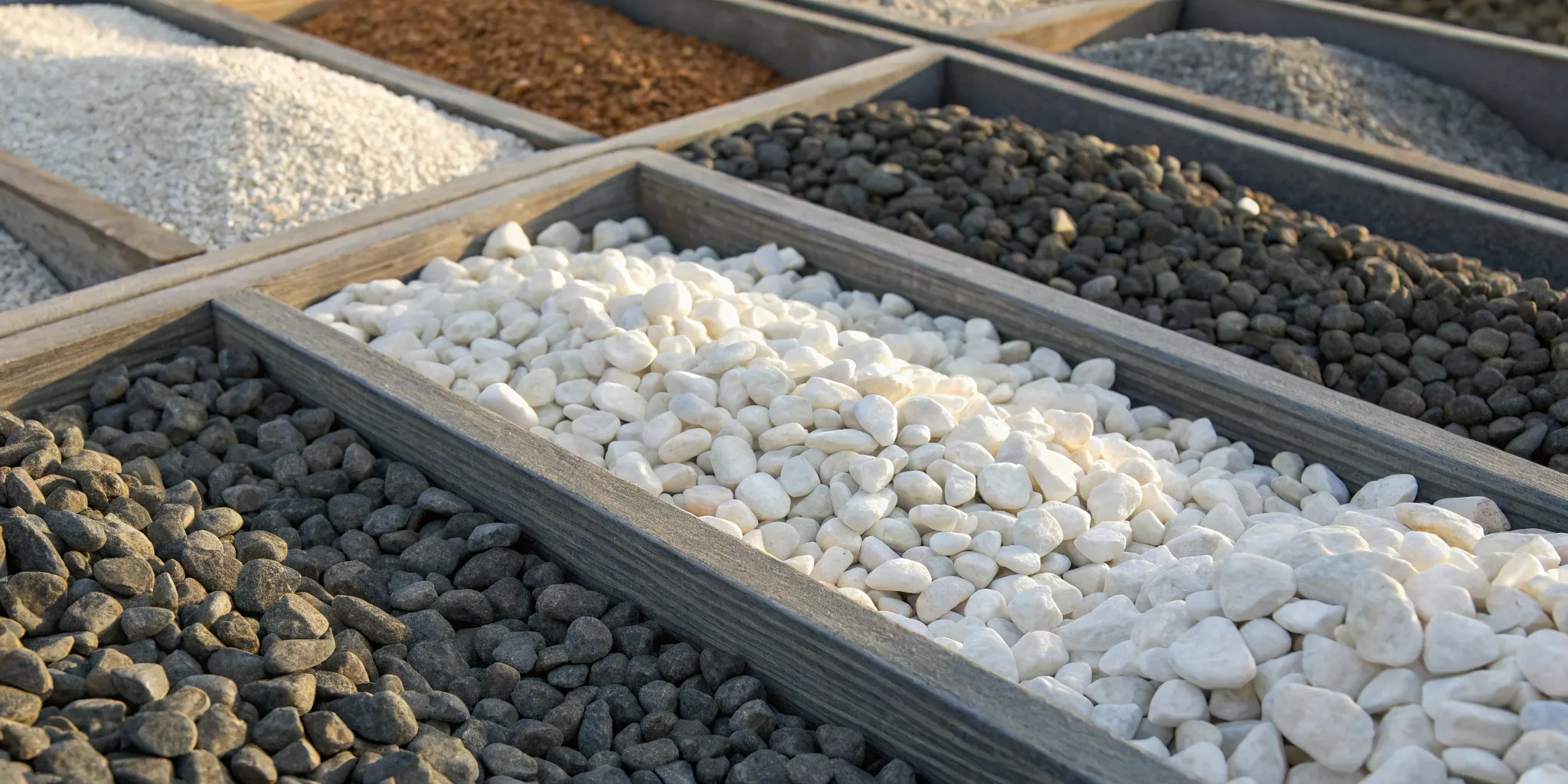
The gravel you choose is more than just a decorative topping; it’s a functional part of your project’s foundation. The wrong choice can lead to a squishy driveway, a washed-out path, or a drainage system that doesn’t drain. Ensuring your project looks great and lasts for years starts with selecting the right material for the job. This guide will help you move past a generic search for "bulk gravel near me" and learn how to match the right type of stone to your project’s specific needs, whether you require a solid, compact base or a material that allows for excellent water flow.
Key Takeaways
- Prioritize function when choosing your gravel: Decide if you need a solid, compacting base for a driveway or a clean, washed stone for proper drainage. Using a volume calculator will help you order the exact amount and avoid waste.
- Partner with a local supplier for better results: A local team offers specialized knowledge and more reliable service. Check their community reputation and ask about product quality before committing to an order.
- Plan for the total cost and a smooth delivery: Your final price includes the material, delivery fees, and taxes, so get a complete quote. Prepare your drop-off site by clearing a path and marking the spot to ensure the truck can unload easily.
Why Buy Bulk Gravel Locally?
When you're starting a big landscaping project, it’s easy to get pulled in by the convenience of online shopping. But for heavy materials like gravel, buying from a local supplier is one of the smartest moves you can make. It’s about more than just supporting a neighborhood business; it’s about getting the right product for your specific environment, backed by people who actually know the area. Local suppliers have a solid understanding of what works best for the soil, drainage issues, and climate conditions you’re dealing with because they live and work there, too.
This local expertise is something you just can’t find at a big-box store or from a distant online retailer. A local team can give you practical advice on everything from which type of stone will hold up on a steep driveway to how much you’ll need for a French drain that can handle our region's rainfall. They can also offer more flexible and timely delivery information, which is a huge relief when you’re trying to coordinate a project on a tight schedule. Sourcing your materials from a nearby supplier simplifies your logistics, saves you from potential headaches, and often results in a better, longer-lasting project.
Explore Common Gravel Types in Your Area
One of the biggest advantages of working with a local supplier is their curated selection of materials. They don’t just stock everything; they stock what works for local projects. You’ll likely find functional options like crushed rock, which is fantastic for driveways and foundations because its sharp, angular edges lock together to create a stable, compacted surface. You might also see rounded pea gravel, a popular choice for walkways, patios, and decorative features because of its smooth texture and pleasing look. A good local yard will have a variety of sand, stone, and gravel on hand, and their team can walk you through the pros and cons of each one for your specific job.
The Perks of Sourcing from a Local Supplier
Beyond the product itself, sourcing from a local supplier offers a level of service that larger, non-local companies often can't match. You’re not just another order number; you’re a neighbor. This usually translates to more personalized service, whether it’s helping you troubleshoot a project or accommodating a specific delivery request. Local businesses have a reputation to maintain in the community, so they have a vested interest in your satisfaction and the success of your project. They understand the local roads and potential delivery challenges, providing a much more reliable and convenient experience from purchase to placement. This direct relationship builds trust and makes the entire process feel less like a transaction and more like a partnership.
How Much Bulk Gravel Do You Really Need?
Figuring out the right amount of gravel for your project can feel like a tricky math problem, but it’s one you can definitely solve. Getting this step right is about more than just avoiding waste; it’s about saving yourself from the headache of a last-minute order or the cost of a second delivery fee. Ordering too little means pausing your project right when you’ve hit your stride, while ordering too much leaves you with a pile of rock you have to figure out what to do with.
The key is to move beyond a simple guess. A little bit of measuring and planning will give you the confidence that you’re ordering the perfect amount. We’ll walk through how to calculate your needs accurately, think about the right depth for your project, and sidestep some of the most common mistakes people make. With the right approach, you can get exactly what you need delivered to your door, ready for you to get to work.
Calculate Your Gravel Quantities
The most reliable way to figure out how much gravel you need is with a simple formula: Length x Width x Depth. Start by measuring the length and width of your project area in feet. Next, decide on the depth of gravel you need, but make sure to convert that measurement to feet as well. For example, if you want 4 inches of gravel, you’ll use 0.33 feet in your calculation (4 divided by 12).
Multiply those three numbers together to get the total cubic feet. Since bulk materials are sold by the cubic yard, your final step is to divide that number by 27. If math isn’t your favorite thing, you can use our handy volume calculator to do the work for you.
Factor in Coverage and Depth
The depth of your gravel is just as important as the area it covers. A decorative walkway only needs a couple of inches, but a driveway that needs to support vehicles requires a much deeper, more stable base of at least 4 to 6 inches. A common rule of thumb is that one cubic yard of gravel will cover a 10-foot by 15-foot area at a depth of about 2 inches.
Remember that this is just an estimate. Different types of gravel settle and compact differently. Smaller, more angular stones will lock together tightly, while larger, rounded river rocks will have more space between them. Always consider the specific needs of your project and add a little extra to your final number to account for settling.
Avoid These Common Estimation Mistakes
One of the biggest mistakes homeowners and landscapers make is underestimating how much gravel they need. It’s always better to have a small amount left over than to run out before the job is done. Placing a second order often means paying another delivery fee, which can quickly add to your project’s cost. Another common pitfall is choosing the cheapest gravel available to save money upfront. This can backfire, as lower-quality gravel may contain more dust and debris, break down faster, or fail to provide proper drainage. Investing in quality sand, stone, and gravel from the start ensures your project looks great and lasts for years.
How to Find a Reliable Gravel Supplier Near You
Finding the right gravel is only half the battle; you also need a supplier you can count on. The right partner will make your project run smoothly, delivering high-quality materials on time and without any hassle. A great local supplier doesn't just sell you rocks—they provide expertise, reliable service, and the peace of mind that comes from knowing you’re getting exactly what you paid for.
Choosing a local gravel supplier involves looking at their reputation, product quality, and delivery capabilities. You want a company that is transparent about its process and committed to customer satisfaction. Think of it as building a relationship. A trustworthy supplier will be happy to answer your questions and help you find the perfect materials for your driveway, garden path, or drainage project. Taking a little time to vet your options now will save you from potential headaches down the road, ensuring your project is built on a solid foundation from the very start.
Where to Search for Local Suppliers
Your search for a great supplier can start with a simple online query like "sand, stone, gravel delivery near me." Look for companies with professional websites that clearly list their products, services, and service areas. Google Maps is another excellent tool for identifying nearby quarries and landscape supply yards.
Don’t underestimate the value of word-of-mouth. Ask local landscapers, contractors, or even neighbors for recommendations. Professionals who regularly work with these materials will know who has the best products and most reliable service. An established supplier with deep roots in the community is often a safe bet, as they’ve built their business on a foundation of trust and quality work.
What Makes a Supplier Trustworthy?
A trustworthy supplier is defined by the quality of their products and the transparency of their operations. The quality of the gravel directly impacts the durability and appearance of your project, so you want a supplier who can guarantee their materials are properly screened and sized. Look for companies that are clear about where their materials come from.
Another key factor is their commitment to sustainable, environmentally sound practices. Suppliers who operate their own state-permitted recycling and production facilities often have greater control over their product quality. For example, a company with NYSDEC-permitted compost sites demonstrates a commitment to responsible operations. This level of oversight usually translates to better, more consistent products for your project.
Check Their Reputation and Reviews
Before you commit, spend some time looking into the company’s reputation. Online reviews on platforms like Google and Yelp can offer honest insight into what it’s like to work with a supplier. Read through the comments to see what past customers are saying about product quality, delivery timeliness, and customer service. Look for patterns—are people consistently praising their professionalism, or are there recurring complaints about late deliveries or poor communication?
A long-standing presence in the community is also a strong indicator of reliability. Companies that have been around for years have built a reputation they need to protect. If you have any questions, don't hesitate to reach out to them directly. A supplier who is responsive and helpful from the first call is likely to provide great service throughout your project.
How Much Does Bulk Gravel Cost?
Figuring out the cost of bulk gravel can feel a bit like a moving target. The price isn't one-size-fits-all because several key factors come into play. The type of stone you choose, how much you need, and where you're located all have a big impact on the final number on your invoice. Think of it less as a fixed price tag and more as a custom quote based on your project's specific needs.
Understanding these variables is the first step to creating a realistic budget. A decorative river rock for a garden path will have a different price point than a basic crushed stone for a driveway base. And while a larger order might have a lower price per ton, you also have to account for getting all that material to your property. We’ll break down exactly what to expect so you can plan your purchase with confidence and avoid any surprise costs.
What Influences the Price of Gravel?
The final cost of your gravel is shaped by a few main things. First is the type of gravel itself. Simple, functional gravels like crushed stone are generally more affordable than decorative options like pea gravel or river rocks, which are sorted for size and smoothness. The quantity you order also matters; buying in bulk often reduces the cost per ton or yard, but the total price will obviously be higher. Your location plays a big role, too, as it affects the cost of transporting the stone from the quarry to the supplier, and then from the supplier to you. A local sand, stone, and gravel delivery will almost always be more cost-effective.
Don't Forget Delivery Fees and Minimum Orders
When you're looking at prices online, remember that the listed cost per ton is rarely the full story. The real costs often appear when you factor in shipping, delivery fees, and taxes. A low initial price can be misleading if the delivery charge is high. Always ask your supplier for a complete breakdown of costs. It's also common for suppliers to have a minimum order quantity for delivery, so be sure to ask about that as well. Understanding the full delivery information upfront ensures there are no surprises, helping you stick to your project budget without any last-minute adjustments.
How to Get an Accurate Quote
The best way to get a clear and fair price is to talk directly with a reliable local supplier. Before you call, have your project details ready. Know the measurements of the area you need to cover so you can estimate the volume needed—using an online volume calculator can be a huge help here. Be prepared to share your delivery address and any specific instructions for the drop-off location. Providing this information allows the supplier to give you a precise, all-inclusive quote that covers the material, delivery, and any other applicable fees. This simple preparation makes the process smoother and ensures you get the right amount of gravel at a price that makes sense.
How to Choose the Right Gravel for Your Project
Walking down the stone aisle at a landscape supply yard can feel a bit overwhelming. With so many sizes, shapes, and types, how do you know which one is right? The secret is that the best gravel is always the one that’s best suited for the job. A sturdy driveway base requires a completely different material than a decorative garden path or a French drain. Choosing the right one means your project will not only look great but will also function correctly and last for years.
Before you buy, think about your project’s specific needs. Do you need a stable, compacted surface that can handle heavy traffic? Or do you need something that allows water to drain through freely? Answering these questions will help you narrow down your options and make a confident choice. We’ll walk through the key differences to help you find the perfect sand, stone, or gravel for your next project.
Crushed Rock vs. Clean Gravel: Which Do You Need?
One of the most common points of confusion for buyers is the difference between "clean" and "minus" gravel. Getting this wrong is a frequent mistake, but it’s easy to avoid once you know what to look for. "Clean" gravel has been screened and washed to remove all the fine particles, like sand and rock dust. This leaves you with just the stones, creating lots of space between them for water to flow.
"Minus" gravel, on the other hand, is an unscreened mix that includes those smaller particles. These fines fill the gaps between the larger stones, allowing the material to lock together and compact into a firm, stable surface. So, if you need excellent drainage, choose clean gravel. If you need a solid base for a driveway or patio, minus gravel is your best bet.
Consider Your Project's Drainage and Compaction Needs
Let’s dig a little deeper into how your project’s function determines your choice. If you’re building something that needs to shed water quickly, like a French drain or backfill around a foundation, you need a material that won’t trap moisture. For better drainage, you’ll want to use a clean crushed rock or a round drain rock. These materials maintain open spaces, allowing water to pass through without turning the area into a muddy mess.
Conversely, projects like walkways, driveways, or paver bases demand a solid, unmoving foundation. For these, you need a gravel that compacts tightly. A crushed stone with fines will create a dense, interlocking base that won’t shift under pressure. Using a clean, round stone for a driveway would result in a constantly shifting surface that’s difficult to walk or drive on.
Match the Right Gravel to Your Job
Now, let's put it all together. For a driveway base, a quarry process or dense grade aggregate is ideal because it compacts into a solid foundation. For a decorative path, you might top that base with a smaller, more comfortable stone like pea gravel. For any project involving drainage, a clean, washed stone is non-negotiable. When you’re planning a project, it’s helpful to browse a supplier’s full range of landscape supplies to see all your options.
While online retailers might show tempting prices, those numbers often don't include hefty shipping fees. Working with a local supplier means you get transparent pricing, expert advice, and the chance to see the materials yourself. This ensures you get exactly what you need without any surprise costs, helping your project go smoothly from start to finish.
What to Expect from Gravel Delivery
Once you’ve found the right supplier and chosen your gravel, the final step is getting it to your property. A bulk delivery might seem intimidating if you’ve never done it before, but it’s a pretty straightforward process. Knowing what to expect will help you coordinate with your supplier and ensure everything goes off without a hitch. From scheduling the drop-off to preparing the site, a little planning goes a long way. The key is clear communication with your delivery team so they know exactly where to go and what to do when they arrive.
Scheduling Your Delivery
When you’re ready to place your order, your supplier will work with you to find a convenient delivery time. Be prepared to provide your address and the total quantity of gravel you need. The delivery fee is often based on the type of material, how much you’re ordering, and the distance from their yard to your location. It’s a good idea to ask about their delivery service area to confirm they can reach you. Scheduling in advance is always best, especially during busy seasons like spring and summer, to make sure you get a spot that works for your project timeline.
How to Prepare Your Site for Arrival
Before the truck arrives, you need to prepare the drop-off spot. First, double-check your measurements to ensure you’ve ordered the right amount of gravel. A simple way to estimate is by multiplying the length, width, and depth of your project area. Using an online volume calculator can make this step much easier and help you avoid costly mistakes.
Next, clear the delivery area of any obstacles like cars, equipment, or debris. The delivery truck is large and heavy, so it needs a firm, level surface to park on. Mark the exact spot where you want the gravel pile with a tarp, cones, or stakes. Also, look up! Check for low-hanging tree branches or power lines that could get in the way.
Understand Your Unloading Options
Most bulk gravel is delivered in a dump truck that will back up to your designated spot and unload the material in a single pile. It’s important to have a clear and safe path for the truck to access the drop-off location. If you have a narrow driveway, a locked gate, or any other potential access issues, communicate them to your supplier when you schedule the delivery. Once the gravel is unloaded, it’s your responsibility to move it to its final destination. Having a wheelbarrow, shovels, and rakes ready will make the job much more manageable.
Questions to Ask Before You Buy
Once you've found a few potential suppliers, it's time to do a little vetting. Asking the right questions upfront can save you from headaches, unexpected costs, and project delays down the road. Think of it as a quick interview to make sure you're partnering with the right company for your project. A reliable supplier will be happy to answer your questions and provide clear, straightforward information. This simple step ensures you get the right material, on time, and without any surprises, so you can feel confident in your purchase.
Ask About Product Quality and Service
The quality of your gravel directly impacts the durability and look of your finished project. Don't be shy about asking where their materials come from and what kind of quality control they have in place. A reputable supplier should be able to tell you about the source of their stone and its specific properties. It's also a great idea to ask if you can see a sample, especially if you're trying to match an existing color or texture. Beyond the product itself, consider their service. Do they have a solid reputation in the community? Are they known for being reliable and helpful? Good service makes the entire process, from ordering to delivery, much smoother.
Confirm Delivery Terms and Timelines
Logistics are just as important as the gravel itself. Before you place an order, get a clear understanding of the entire delivery process. Ask about their pricing structure—is the delivery fee included, or is it a separate charge? Delivery costs can vary based on your location, the amount of gravel you order, and the type of truck needed. Be sure to inquire about minimum order quantities to avoid any surprises. You should also confirm their scheduling process. Find out how far in advance you need to book and what their typical delivery windows are. Our delivery FAQ page answers many of these common questions to help you plan.
Avoid These Common Purchasing Pitfalls
A little planning can help you sidestep some common mistakes. One of the biggest is miscalculating how much gravel you need. Ordering too little means project delays and potentially another delivery fee, while ordering too much leaves you with a pile of extra material. Using a volume calculator is the best way to get an accurate estimate for your project area. Another pitfall is automatically choosing the cheapest option. Low-cost gravel might not be properly screened or could be a weaker type of stone that won't hold up for your specific project. Always prioritize quality that matches your needs over the lowest price tag to ensure your project lasts.
Related Articles
- How to Choose the Right Gravel for Your Driveway
- Gravel Delivery Near Me: What to Know Before You Order
- Landscape Supplies: Sand, Stone, and Gravel Options
- Trucking & Delivery: What to Expect
- Volume Calculator: Estimate Your Bulk Material Needs
Frequently Asked Questions
What's the biggest mistake people make when ordering gravel? The most common slip-up is underestimating the amount needed. It’s tempting to round down, but this often leads to a second delivery fee and a stalled project. The other major pitfall is choosing gravel based on the lowest price alone. Lower-quality stone can contain excess dust or break down quickly, which means you’ll be redoing your work sooner than you’d like. A little extra investment in the right quantity and quality pays off.
I'm building a driveway. What's the best kind of gravel to use? For a driveway, you need a solid, stable foundation that won't shift under the weight of a car. The best choice for your base layer is a crushed stone that includes fine particles, often called "minus" gravel or quarry process. These smaller bits of dust and rock fill in the gaps and allow the gravel to compact into a firm, interlocking surface that provides excellent support.
Can I just pick up a few bags from a big-box store instead? Bagged stone is perfectly fine for very small projects, like filling a single planter or a small garden border. But for anything larger, like a walkway, patio base, or driveway, buying in bulk is far more cost-effective. You also get access to a wider variety of higher-quality materials from a dedicated landscape supplier, along with expert advice to make sure you’re choosing the right stone for the job.
How do I prepare my property for a large gravel delivery? The most important thing is to have a clear and accessible spot for the dump truck. Before it arrives, make sure the path is free of parked cars, equipment, or other obstacles. You’ll also want to look up and check for any low-hanging power lines or tree branches. Laying down a large tarp can make cleanup easier and helps mark the exact spot where you want the pile.
Is there a 'best' time of year to start a gravel project? Spring and fall are generally ideal times for laying gravel. The ground is typically not frozen or overly saturated from heavy rain, which makes it much easier to work with. Summer is also a popular time, but keep in mind that it's a busy season for suppliers, so it’s always a good idea to schedule your delivery in advance to get the date you want.