
Large Retaining Wall Blocks: What You Need to Know
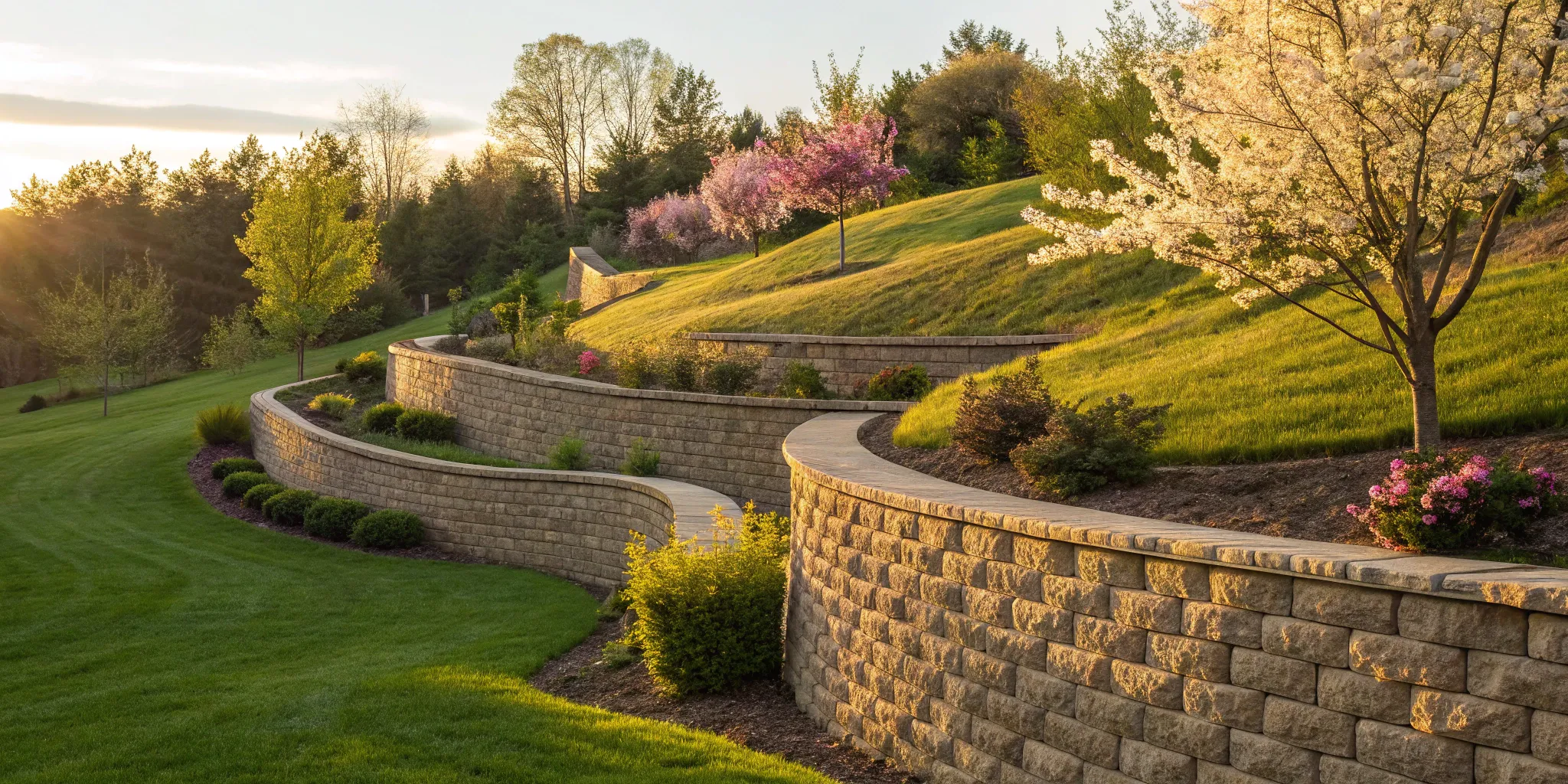
What if you could build a strong, beautiful retaining wall in less time? That’s the core advantage of working with large retaining wall blocks. Because each block covers more surface area, installation moves much more quickly, saving you time and labor costs. But efficiency is just the beginning. These blocks are engineered for superior strength, using their immense weight and interlocking designs to create an incredibly stable structure. Plus, with a wide variety of textures and colors available, you don't have to sacrifice style for performance. This guide explores all the advantages, from design flexibility to long-term durability, showing you why bigger can be better for your next project.
Key Takeaways
- Large Blocks Offer Strength and Efficiency: Using larger blocks means fewer pieces to set and fewer seams in the final wall, resulting in a stronger structure that you can build in less time.
- A Solid Wall Starts with Foundation and Drainage: The most critical steps for a long-lasting wall are creating a perfectly level gravel base and installing a proper drainage system to relieve water pressure from behind.
- Assess Your Site and Local Codes First: Before buying materials, understand your soil conditions and property's slope, and always check with your town for height regulations and permit requirements to avoid costly surprises.
What Exactly Are Large Retaining Wall Blocks?
When you need to hold back soil, prevent erosion, or create level tiers on a sloped property, large retaining wall blocks are your go-to solution. Think of them as the heavy-duty, structural building blocks for your landscape. These blocks are engineered for incredible strength and longevity, designed to fit together to create a stable, durable wall. Most are made from high-strength concrete and feature an interlocking design, which is key to their stability. This mechanism allows the blocks to lock in place, using their combined weight and friction to resist the immense pressure of the earth behind them.
Unlike smaller, decorative stones, these large blocks are built for serious work. Their size and weight make them ideal for walls that need to be both functional and long-lasting. Whether you're a homeowner tackling an ambitious backyard project or a contractor building a commercial-grade wall, these blocks provide the structural integrity you need. They are a core component of our masonry supplies because they offer a reliable and versatile foundation for a huge range of outdoor projects.
A Look at the Different Types
When you start shopping for retaining wall blocks, you’ll find they generally fall into two main categories: landscape and structural. Landscape retaining wall blocks are what you’ll typically use for residential projects. They’re perfect for creating garden beds, terraces, or small walls in your yard, usually up to about three feet high. They are designed to be manageable for DIYers and smaller-scale professional jobs.
Structural retaining wall blocks, on the other hand, are the heavyweights. These are larger, more robust blocks engineered for bigger, more demanding projects. You’ll see them used in commercial construction, along roadways, and in large residential developments where significant soil retention is required. These walls are designed by engineers and built to handle much greater loads than their smaller landscape counterparts.
Common Projects and Uses
The versatility of large retaining wall blocks means you’ll find them in all sorts of projects. Their primary job is to hold back earth, creating what’s known as a gravity wall. These walls use the sheer mass of the blocks to resist soil pressure and can be built surprisingly tall—often between 15 and 21 feet, and sometimes even higher. This makes them a cost-effective solution for creating usable, flat space on sloped lots.
Beyond terracing a yard, these concrete blocks are used for a variety of other practical jobs. You might see them used to support land around a driveway, manage traffic flow in commercial lots, or even create sturdy storage bins for bulk materials like sand and gravel. They are fundamental to many of our customers' landscape supply needs.
Key Specs and Dimensions to Know
Before you can map out your project, you need to get familiar with the numbers. The size, weight, and material composition of your blocks will influence everything from your budget and design to your installation plan. These aren't just minor details—they're the core specifications that determine how your wall will perform and how long it will last. Knowing these specs helps you ask the right questions when sourcing materials and ensures you have the right equipment on hand to get the job done safely and efficiently.
Understanding Standard Block Sizes and Weights
When it comes to large retaining wall blocks, "large" is an understatement. These blocks are engineered for serious stability, and their dimensions reflect that. While sizes vary by manufacturer, you’ll often find blocks measuring around 2 feet tall by 2 feet deep, with lengths ranging from 3 to 6 feet. For example, a common block size is 2' x 2' x 4', which can weigh around 2,000 pounds. A longer 2' x 2' x 6' block can weigh as much as 3,500 pounds. Instead of thinking in individual units, it’s also helpful to consider coverage; some large blocks cover 8 square feet of wall face at a time, which is why installation moves so quickly. Their substantial weight is key to their strength, but it also means you’ll need heavy machinery for delivery and placement.
What They're Made Of and How They Last
The durability of a retaining wall starts with its core material. Most large blocks are made from high-strength concrete, but how that concrete is made matters. Many premium blocks use a wet-cast process, which creates a less porous, more durable product that stands up to harsh weather. Some designs feature a hollow core, which is filled with crushed gravel during installation. This adds mass while creating excellent drainage pathways, a critical factor in a wall's longevity. When properly installed, a wall built with quality concrete masonry supplies can last anywhere from 40 to 80 years or more. It’s a long-term investment in your landscape’s structure and safety.
The Advantages of Using Large Retaining Wall Blocks
When you’re planning a retaining wall, the materials you choose will shape the entire project, from the installation process to the final look and long-term durability. While smaller blocks have their place, large retaining wall blocks offer some serious benefits that make them a top choice for many homeowners and landscapers. They combine strength, efficiency, and style in a way that few other materials can. If you want a wall that goes up relatively quickly, looks fantastic, and is built to last, large blocks are definitely worth considering for your next project.
Faster Installation with Fewer Seams
One of the most practical benefits of using large retaining wall blocks is how much they can speed up installation. Because each block covers more area, you’re handling and setting fewer individual pieces. This means your wall takes shape much faster, saving you significant time and labor. Fewer blocks also mean fewer seams, or joints, in the finished wall. As landscaping pros will tell you, "the fewer joints, or independent blocks you use, the stronger and more uniform the wall is." Using the largest block you can for the base course is a great way to build a solid foundation for the entire structure.
More Design Flexibility and Style Options
Large blocks are workhorses, but that doesn't mean they can't be beautiful. Modern retaining walls are key features in landscaping, "offering both structural support and aesthetic appeal." The variety of textures, colors, and shapes available in large blocks gives you plenty of creative freedom. You can build sleek, modern walls or create a more rustic, natural stone look. With thoughtful design, your retaining wall can become a standout decorative element, perfect for creating tiered gardens, defining a patio space, or even building integrated seating. Our range of masonry supplies can help you find the perfect style for your yard.
Built for Long-Term Strength and Performance
When you build a retaining wall, you want it to last. Large blocks are engineered for exactly that. Their sheer size and weight provide incredible stability to hold back soil and prevent erosion. Many designs also incorporate features that improve strength and drainage. For example, hollow core blocks are often "filled with crushed gravel for extra mass and exceptional drainage," which helps extend the wall's lifespan. Of course, the quality of the materials is just one part of the equation. To "ensure the longevity of your retaining wall blocks," you also need to focus on proper installation, good drainage, and simple, regular maintenance.
How Large Blocks Compare to Other Materials
Choosing the right material for your retaining wall is a big decision that impacts everything from your budget to the final look. Large concrete blocks are a fantastic option, but it helps to see how they stack up against other common choices. Understanding the key differences in installation, aesthetics, and cost will help you pick the perfect material for your project’s needs and personal style.
Large Blocks vs. Smaller Modular Systems
When it comes to retaining walls, larger blocks offer serious advantages. Their size and weight provide incredible stability, which is why it's standard practice to use the largest blocks for the base course of any wall. This creates a solid foundation that resists shifting. While smaller blocks are lighter to handle individually, a wall built with large blocks often goes up faster because you're covering more area with each piece. This means fewer seams, a cleaner look, and less time on labor. For a strong, efficient, and professional-looking wall, large blocks are tough to beat.
Concrete Blocks vs. Natural Stone
This often comes down to a choice between engineered precision and natural beauty. Large concrete blocks are manufactured for uniformity, making them predictable and easy to stack in a variety of colors and textures. On the other hand, natural stone offers a timeless, one-of-a-kind aesthetic that many people love, creating a wall with rich character. Both materials are incredibly durable and will stand up to the elements, especially with proper drainage. Your choice really depends on your design goals. We carry a wide range of masonry supplies to fit either vision.
A Breakdown of Cost and Performance
Let’s talk budget. The cost of your retaining wall depends heavily on the material. Generally, large concrete blocks are a more budget-friendly option compared to premium materials like natural stone. You can typically expect to pay between $15 and $50 per square foot for a block retaining wall, including materials and installation. While natural stone can be more expensive upfront, both materials offer excellent long-term performance when installed correctly. Think of it as an investment in your property that adds value and curb appeal. For specific pricing on materials, it's always best to get in touch for a detailed quote.
What Factors Into the Price of Large Retaining Wall Blocks?
When you’re planning a retaining wall project, understanding the budget is a top priority. The final price tag isn't just about the cost of the blocks; it’s a combination of materials, labor, and the unique details of your property. Thinking through these key areas will give you a much clearer picture of the total investment and help you plan a project that meets your goals without any financial surprises. Let's break down the main factors that influence the cost of building with large retaining wall blocks.
Material Costs and Block Specifications
The first and most obvious cost is the blocks themselves. The price for large concrete blocks typically runs from $20 to $45 per square foot. The specific cost depends on the block’s size, style, and finish. For example, some large blocks like MagnumStone are designed to cover a significant area—about 8 square feet per block—which can make installation faster. Other systems, like Redi-Rock, use massive, heavy blocks engineered specifically for gravity walls that need to hold back a lot of earth. The type of masonry supplies you choose will be a major factor in your material budget, so it’s important to select a block that fits both your aesthetic and your wall’s structural needs.
Labor and Equipment Needs
Don’t underestimate the cost of labor—it often makes up the largest portion of the project’s total expense. Professional installation rates usually fall between $50 and $75 per hour, or you might see it priced at $15 to $50 per square foot. Because these blocks are so heavy, they require specialized equipment to move and set them in place, which adds to the cost. The good news is that an efficient crew of two or three people can install these large blocks relatively quickly, which helps keep the project on schedule. Proper delivery and placement of materials on-site is also a key part of the process that a professional team will handle.
Your Project's Complexity and Site Conditions
Every property is different, and the specific conditions of your site will play a big role in the final cost. A simple, straight wall on a flat, accessible area will be much more affordable than a complex, curved wall on a steep slope. The height of the wall is another critical factor. If your wall is over three feet tall, you’ll likely need a structural engineer to design it, which adds a professional fee to your budget. The type of soil you have also matters, as it determines how much excavation and base preparation is needed to ensure the wall is stable and can handle the pressure from the earth behind it.
How to Choose the Right Blocks for Your Project
Picking the right retaining wall blocks goes way beyond just choosing a color you like. The block you select is the foundation of your wall's strength and longevity, so it’s a decision that requires some careful thought. The right choice depends entirely on your specific project—what works for a small garden bed won't work for a large, load-bearing wall.
To make the best decision, you need to look at your project from a few different angles. It starts with understanding your property and the ground you're building on. From there, you can figure out the structural demands of your wall and what local rules you need to follow. Breaking it down into these steps makes the process much more manageable and ensures you build a wall that is both beautiful and incredibly durable.
Start with a Site and Soil Assessment
Before you even think about buying blocks, take a good look at your build site. The type of soil you have, the slope of the land, and how water drains in the area all play a huge role in your wall's design. A thorough site analysis is crucial for accurately calculating the load your wall will need to bear and choosing the right materials. For example, heavy clay soil puts more pressure on a wall than sandy, well-draining soil. Understanding these conditions from the start helps you plan for proper drainage and reinforcement, preventing future problems like bulging or collapse. This initial assessment is the single most important step in building a wall that lasts.
Determine Your Wall's Structural Needs
Once you understand your site, you can figure out what your wall needs to do. Is it a short, decorative border for a flower bed, or is it holding back a significant hillside to create a patio? The height of the wall is the biggest factor here. Taller walls have to withstand much more lateral pressure from the soil behind them. As a general rule, any wall over a few feet tall requires a more robust structural design. For these larger projects, it's always a good idea to consult a professional engineer. They can perform the necessary calculations to ensure your wall is designed safely for your specific needs, helping you choose the right masonry supplies for the job.
Check Local Height Regulations
Don't get caught by surprise with a stop-work order. Before you finalize your plans, check with your local building department about regulations for retaining walls. Many towns have specific rules about wall height. For instance, it's common that for walls over three or four feet tall, you will likely need a building permit and plans stamped by a licensed engineer. These regulations are in place for safety reasons, and following them is non-negotiable. A quick call or visit to your town's website can save you a lot of time and potential fines down the road. Knowing the rules upfront ensures your project goes smoothly from start to finish.
Installation Techniques for a Rock-Solid Wall
Building a retaining wall with large blocks is a bit like putting together a giant, heavy puzzle. The final picture looks great, but only if you get the first few pieces exactly right. Proper installation is what separates a wall that stands strong for decades from one that starts to lean or fail after a few seasons. It’s all about creating a stable foundation, ensuring every block is perfectly aligned, and managing the immense pressure from water and soil behind the wall. While these blocks are designed for strength, their performance truly depends on the care you put into the installation process. Taking the time to master these techniques will pay off with a structure that is not only beautiful but also incredibly durable and secure.
Preparing the Foundation and Base
Everything starts from the ground up, and your retaining wall is no exception. The foundation is the most critical step. Begin by excavating a trench that’s deep and wide enough to accommodate a leveling pad and the first course of blocks. Your goal is to create a solid, compacted base of crushed stone or gravel that is perfectly level. This pad provides a stable surface for the entire wall to rest on. A great rule of thumb is to use the largest block available for this base course. Starting with your heaviest, most substantial blocks creates an incredibly strong anchor, setting the stage for a uniform and resilient wall from the very first layer.
Best Practices for Aligning and Leveling
Once your base course is set, the focus shifts to precision. Each block must be perfectly level, both from front to back and side to side. Use a string line stretched taut along the back of the blocks to ensure every row is straight. As you stack subsequent courses, stagger the joints like you would with brickwork to distribute pressure evenly. This interlocking pattern adds significant strength. Remember, the fewer individual joints you have, the stronger and more uniform the wall will be. This is another reason why using large blocks is so effective—they create fewer seams, resulting in a more cohesive and structurally sound wall that can better withstand the forces of nature.
Getting Drainage and Backfill Right
What you can’t see behind the wall is just as important as what you can. Proper drainage is essential to prevent hydrostatic pressure—the force of water-saturated soil—from pushing against your wall and causing it to fail. As you build, backfill the area directly behind the blocks with at least 12 inches of free-draining gravel. This creates a drainage zone that allows water to flow down to a perforated pipe at the base, which then carries it safely away from the wall. Ensuring your masonry supplies include the right backfill material is key. Keeping this drainage system clear is crucial for the wall's longevity, as any debris that accumulates will trap water and add unnecessary pressure.
Common Installation Challenges (and How to Solve Them)
Even the best-laid plans can hit a snag. Building a large retaining wall is a major project, and a few common challenges can pop up during installation. The good news is that with a little foresight, you can handle them like a pro. From managing water pressure to making sure every block is perfectly placed, knowing what to expect is half the battle. Let’s walk through some of the most frequent hurdles and, more importantly, how to clear them. By anticipating these issues, you can ensure your project stays on track and results in a strong, beautiful wall that lasts for decades.
Dealing with Soil Stability and Water
One of the biggest jobs of a retaining wall is to hold back tons of soil, which gets even heavier when saturated with water. This immense lateral pressure is why proper design and water management are non-negotiable. Without a good drainage plan, water can build up behind the wall, creating hydrostatic pressure that can cause it to bulge, crack, or even fail. Before you even start, it's wise to have a professional engineer help with the retaining wall design to ensure it meets all local codes and project requirements.
To solve this, you need to give water an escape route. This typically involves installing a perforated drain pipe at the base of the wall and using a free-draining backfill material like clean gravel or crushed stone. This allows water to flow down and away from the wall, relieving pressure and maintaining stability.
Working Around Equipment or Access Issues
Large retaining wall blocks are heavy—that’s part of what makes them so strong. But their weight also means you’ll need heavy equipment to move and place them. Before your materials arrive, map out a clear path for machinery to access the construction site. Think about potential obstacles like septic systems, underground utilities, or delicate landscaping. If your site is on a steep slope or has tight access points, you may need to coordinate with your supplier about the best delivery and staging options.
A great pro tip is to use the largest blocks available for your base course. This creates a stronger, more uniform foundation with fewer joints, which simplifies the rest of the installation. If you’re concerned about site access, it’s always a good idea to contact us to discuss logistics ahead of time.
Ensuring Proper Compaction and Joint Integrity
A retaining wall is only as strong as its foundation and the material behind it. Proper backfilling is essential for the wall's long-term performance. Simply dumping dirt behind the wall won’t cut it. You need to use the right materials, like gravel or crushed stone, and compact them in layers (or "lifts"). This process eliminates air pockets and creates a solid, stable mass that supports the wall structure and prevents settling over time.
As you build, make sure each block is set firmly and the joints are tight. Over the years, you’ll want to perform regular inspections to check for any signs of slumping, shifting, or soil erosion. Catching these small issues early can prevent bigger problems down the road and keep your wall looking and performing its best.
How to Maintain Your Wall for Years to Come
You’ve built a beautiful, strong retaining wall. Now, a little routine care will ensure it stays that way for decades. Maintenance isn’t a huge project; it’s about simple, seasonal check-ins to protect your investment. By catching small issues early, you prevent them from turning into costly repairs. A well-maintained wall not only functions better but also adds value and beauty to your property. These simple steps will help you keep your wall in top-notch condition, preserving its structural integrity and appearance through every season.
Simple Inspection and Cleaning Routines
Making inspections a regular habit is the easiest way to stay ahead of problems. Twice a year—in the spring and fall—walk along your wall. Look for blocks with cracks, chips, or separating joints, especially after freeze-thaw cycles. Minor issues can often be addressed with the right masonry supplies. For general cleaning, a stiff brush and water are usually all you need. A gentle power wash also works, but use a low-pressure setting to avoid damaging the blocks or joints.
Keeping Drainage Clear and Weeds Away
Proper drainage is the secret to a long-lasting retaining wall. Your wall is designed to let water pass through, preventing pressure from building up behind it. Make sure any weep holes or drainage pipes are clear of leaves, dirt, and other debris. You should also pull any weeds growing in the joints or at the base of the wall. Their root systems can be surprisingly powerful, potentially pushing blocks apart over time. Keeping these pathways clear is one of the most important maintenance tasks you can perform.
Monitoring Your Wall's Structure
While doing your inspections, keep an eye on the wall's overall structure. Look for any signs of leaning, bulging, or slumping. Stand back and sight down the length of the wall from both ends to see if it’s still straight and level. These changes can indicate a larger issue with the soil or foundation behind the wall. If you notice significant movement, it’s best to consult with a professional landscaper or engineer. Addressing structural concerns early is key to avoiding a major failure and ensuring your wall remains a safe feature of your landscape.
Where to Find Quality Large Retaining Wall Blocks
Once you’ve decided that large blocks are the right fit for your project, the next big question is where to get them. Finding a reliable source is just as important as choosing the right block style. You need a partner who not only provides high-quality materials but also has the expertise to guide you. The right supplier can make a huge difference in how smoothly your project goes, from initial planning to final installation. Let’s walk through how to find reputable manufacturers and select the best local supplier for your job.
Finding Reputable Manufacturers and Suppliers
Your search for the perfect blocks often starts with the companies that design and create them. Getting familiar with top manufacturers helps you understand what’s available and what to ask for. For instance, companies like Redi-Rock are known for their massive, heavy blocks used in tall gravity walls, while MagnumStone creates an innovative interlocking system with a hollow core for easier handling. Knowing these names gives you a starting point. From there, you can find local landscape and masonry suppliers who are authorized dealers for these brands or offer comparable high-quality products. A good local supplier will have a solid understanding of the products they carry and can help you compare your options.
How to Choose the Best Supplier for Your Needs
After identifying potential products, it’s time to vet the local suppliers. Look for a company with a strong reputation and deep product knowledge. A great supplier does more than just take your order; they can advise you on the best block type for your specific soil conditions and wall height. They should also carry all the other materials you’ll need to do the job right, including the proper gravel for your foundation, drainage stone, and quality backfill. Having one source for all your landscape supplies simplifies logistics. Finally, since these blocks are incredibly heavy, confirm their delivery capabilities. Ask about their process, equipment, and how they handle placement on-site to ensure a smooth and safe drop-off.
Related Articles
- Retaining Wall Design: What You Need to Know
- Masonry Supplies for Every Project
- Landscape Supplies: What to Use for Your Next Project
- Gravel Delivery Near Me: How to Choose the Right Material
- Trucking & Delivery: Getting Materials to Your Site
Frequently Asked Questions
Can I install these large blocks myself, or do I need to hire a professional? While the interlocking design of these blocks can seem straightforward, their sheer weight makes this a job best suited for experienced professionals. Each block can weigh thousands of pounds, requiring heavy machinery like an excavator to lift and place them safely and precisely. A professional crew has the right equipment and the expertise to prepare the foundation and manage drainage correctly, ensuring your wall is built to last.
How do I figure out how many blocks I need for my wall? To get a good estimate, you'll need to calculate the total square footage of the wall's face. You can do this by multiplying the planned height of your wall by its total length. Once you have that number, you can divide it by the square footage that a single block covers. For the most accurate count, especially for walls with curves or steps, it's always best to use an online calculator or get in touch with your supplier directly.
Do I really need to hire an engineer for my retaining wall project? If your wall is going to be taller than three or four feet, the answer is almost always yes. Local building codes typically require an engineer's stamp on the plans for taller walls. This isn't just about following rules; it's about safety. An engineer will analyze your specific soil conditions and the load the wall must support to create a design that prevents failure, protecting your property and your investment.
What's the single most important part of building a retaining wall that lasts? If I had to pick just one thing, it would be a tie between the foundation and the drainage system behind the wall. A perfectly level, compacted gravel base is non-negotiable because it provides a stable platform for the entire structure. Equally important is the column of free-draining gravel and the perforated pipe behind the wall, which relieve the immense pressure that water-logged soil can create. Getting these two elements right is the key to longevity.
Besides the blocks, what other materials will I need to buy? The blocks are the main event, but you'll need a few key supporting materials to do the job right. Plan on purchasing a good amount of crushed stone or gravel to create the compacted leveling pad for your foundation. You will also need clean, free-draining gravel for the backfill directly behind the wall, as well as a perforated drain pipe to carry water away from the base.