
Grass Seed and Clover Mix: Pros, Cons & How-To
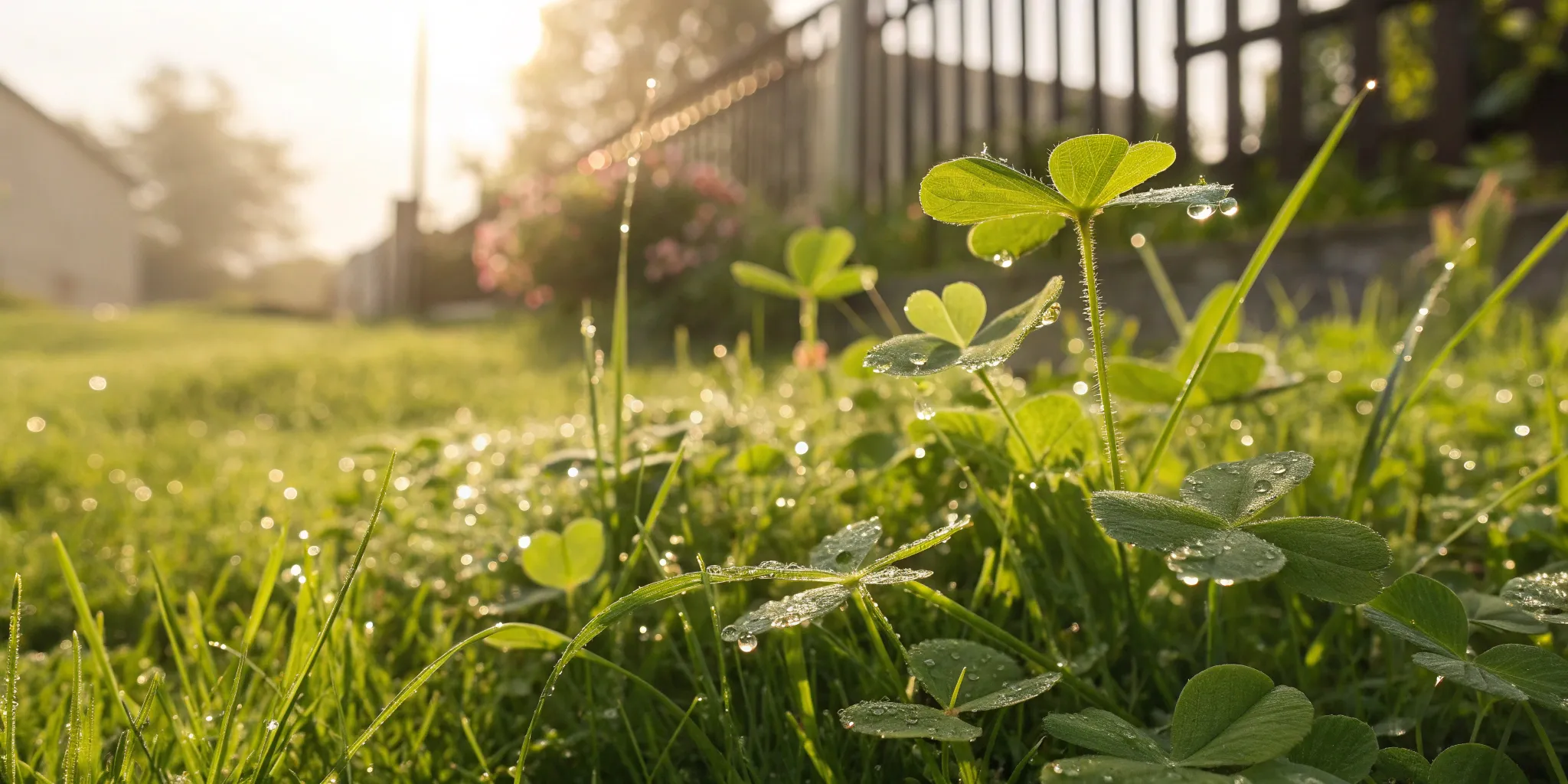
For decades, we’ve been told that clover is a weed to be eliminated from the perfect lawn. But before the 1950s, it was a standard and valued part of lawn seed blends. Today, homeowners and landscapers are rediscovering what our grandparents knew all along: clover is a lawn’s best friend. By intentionally planting a grass seed and clover mix, you’re creating a powerful partnership right in your backyard. The clover works to pull nitrogen from the air, providing a constant, natural source of fertilizer for the grass. This simple addition results in a healthier, more resilient lawn that requires less water, fewer chemicals, and a lot less work to maintain its vibrant green color all season long.
Key Takeaways
- Let Your Lawn Fertilize Itself: Clover is a nitrogen-fixing plant that pulls nutrients from the air and delivers them to the soil. This natural process feeds your grass, drastically reducing the need for synthetic fertilizers and creating a healthier, self-sufficient yard.
- Reduce Your Weekend Workload: A grass and clover mix requires less frequent mowing due to clover's lower growth habit and less watering thanks to its deep, drought-resistant roots. This means you can spend less time on lawn care and more time enjoying your outdoor space.
- Match the Mix to Your Yard's Needs: For the best results, assess your yard's sun exposure, soil type, and foot traffic to select a blend that will thrive in your specific conditions, and always start with quality soil preparation for a strong foundation.
What is a Grass and Clover Mix?
A grass and clover mix is exactly what it sounds like: a blend of traditional grass seed and different varieties of clover. Think of it as a modern take on the classic lawn. Before the 1950s, clover was a standard component of lawn seed mixes, valued for its resilience and benefits to the soil. Today, it’s making a comeback as a smart, low-maintenance, and eco-friendly alternative to a pure grass lawn. This combination creates a yard that is not only lush and green but also more self-sufficient.
Instead of a single type of plant (a monoculture), you get a diverse and robust ecosystem right in your backyard. The grass provides that familiar lawn texture, while the clover works behind the scenes to improve soil health, reduce the need for fertilizers, and keep weeds at bay. It’s a team effort where each plant helps the other thrive. This symbiotic relationship means your lawn can better withstand stressors like drought and disease. If you’re looking for a lawn that looks great without demanding constant attention and chemical treatments, a grass and clover mix is an excellent choice. You can find high-quality seed & fertilizer blends designed to get your lawn started on the right foot.
Common Types of Clover in Lawn Mixes
When you’re looking at grass and clover mixes, you’ll likely come across two main players: Dutch White Clover and Microclover. Dutch White Clover is the classic variety, growing about 4-8 inches tall. It’s a hardy plant that was a lawn staple for decades.
Microclover is a newer variety that has been cultivated specifically for lawns. It grows a bit shorter, around 4-6 inches, and has smaller leaves that blend in seamlessly with turf grasses. A big plus for many homeowners is that it produces about 90% fewer flowers, which means fewer bees buzzing around your yard. It’s also bred to handle more foot traffic, making it a great option for active families.
How Grass and Clover Work Together
The real magic of a grass and clover mix is how the two plants support each other. Clover is a fantastic natural weed suppressor. Its dense, spreading roots create a thick mat that effectively crowds out dandelions and other unwanted weeds, saving you a lot of time and effort.
Even better, clover is a nitrogen-fixing plant. This means it partners with beneficial soil microorganisms to pull nitrogen from the air and convert it into a natural fertilizer in the soil. This process adds nitrogen to the soil, continuously feeding the surrounding grass. As a result, your lawn stays green and healthy with far less need for synthetic fertilizers, creating a more sustainable and vibrant yard from the ground up.
The Benefits of a Grass and Clover Lawn
If you're tired of the constant battle to keep your lawn perfectly green, a grass and clover mix might be the solution you've been looking for. This isn't just about aesthetics; it's about creating a smarter, more resilient lawn that works with nature, not against it. By combining traditional grass with clover, you create a partnership where each plant helps the other thrive. The result is a lush, green yard that requires less work, less water, and fewer chemicals to look its best.
Imagine a lawn that largely fertilizes itself, stays green even during dry spells, and naturally crowds out pesky weeds. That’s the power of a grass and clover lawn. It’s a practical choice for busy homeowners and landscapers who want great results without the constant upkeep. This approach moves away from the idea of a fragile, monoculture lawn and toward a robust, diverse ecosystem right in your backyard. It’s a simple change that delivers significant, long-lasting benefits for your yard and your weekend schedule.
Use Less Fertilizer
One of the biggest advantages of adding clover to your lawn is its natural ability to produce its own fertilizer. Clover is a nitrogen-fixing plant, which means it pulls nitrogen from the air and converts it into a form that plants can use in the soil. This process provides a steady, slow-release source of nutrients for the surrounding grass, keeping it healthy and green. You’ll find you don't need to add much, if any, extra fertilizer to keep your lawn looking great. This saves you time and money and reduces the chemical runoff from your yard, making it a more eco-friendly choice. While a good starter seed & fertilizer mix is always helpful, clover does the heavy lifting for you all season long.
Better Drought Resistance
During the hot, dry months of summer, many traditional grass lawns turn brown and dormant. Clover, on the other hand, is incredibly resilient to drought. It has deep taproots that can reach water sources far below the surface, long after shallow-rooted grasses have dried out. This allows a clover-grass mix to stay greener for longer with much less watering. By incorporating clover, you’re building a lawn that can better withstand periods of low rainfall, which means you’ll spend less time with the sprinkler and have a lower water bill. A healthy foundation of quality topsoil also helps retain moisture, giving your drought-resistant lawn an even bigger advantage.
Healthier Soil and Fewer Weeds
Clover is fantastic for improving the overall health of your soil. Its dense, spreading growth habit and strong root system help to naturally suppress weeds by leaving them little room to grow. As clover grows thick and fast, it creates a living mulch that shades the soil, preventing weed seeds from germinating. This means you can spend less time pulling dandelions and more time enjoying your yard. Furthermore, as older clover plants die back, they decompose and add valuable organic matter to the ground, creating richer, healthier soil for your grass. This natural cycle reduces soil compaction and creates a better environment for the entire lawn to flourish.
A Lower-Maintenance Lawn
Let’s be honest: most of us would rather spend our weekends relaxing than doing yard work. A grass and clover lawn helps make that a reality. Because clover has a lower growth habit than most turf grasses, you won’t need to mow nearly as often. It stays naturally shorter and doesn't grow as quickly, cutting down on your mowing schedule. A clover lawn is also more resilient to common issues like pet spots and foot traffic. It’s a tough, self-sufficient plant that doesn’t demand constant attention. By choosing a grass and clover mix, you’re opting for a beautiful lawn that requires less effort to maintain throughout the year.
How to Choose the Right Mix for Your Yard
Picking the perfect grass and clover mix isn’t about finding a single "best" option—it’s about finding the right one for your yard. Every lawn has its own unique personality, with different soil, sunlight, and daily use. Taking a few moments to understand your yard’s specific needs will make all the difference between a lawn that struggles and one that thrives. By matching the seed mix to your conditions, you set yourself up for a lush, green, and resilient lawn that requires less work in the long run. Before you buy, think through these key factors to ensure you select the best possible seed and fertilizer for your space.
Consider Your Climate
Clover is incredibly adaptable, but it’s still important to choose a mix that suits our region’s climate. Here in the Northeast, we get a little bit of everything—hot summers, cold winters, and unpredictable rainfall. Clover is making a huge comeback partly because it’s so resilient. Its deep root system helps it stay green and healthy during dry spells, meaning you’ll have to water it less than a traditional grass-only lawn. It used to be a standard part of lawn mixes before the 1950s, and now people are rediscovering its benefits for creating lawns that are easier to care for and better for the environment.
Check Your Soil Type
Healthy lawns start with healthy soil. Before you plant, it’s a good idea to understand what you’re working with. Clover generally prefers soil with a slightly acidic pH level, ideally between 6.0 and 7.0. You can find simple, inexpensive soil test kits at most garden centers. If your soil is too compacted, sandy, or lacks nutrients, your new lawn will have a tough time getting established. Amending your yard with a layer of nutrient-rich topsoil or compost can dramatically improve its structure and fertility, creating the perfect foundation for your grass and clover seeds to take root and flourish.
Assess Your Sun Exposure
Take a day to observe how the sun moves across your property. Does your yard get baked in direct sunlight all day, or is it dappled with shade from trees and buildings? Most grass and clover mixes do best with full sun, which means at least six hours of direct sunlight per day. However, one of clover’s great advantages is its tolerance for partial shade. If you have areas that get less light, a clover mix can be a fantastic solution for filling in spots where grass often struggles. Knowing your yard’s sun map will help you choose a blend that will grow evenly and consistently.
Think About Foot Traffic
How do you plan to use your lawn? If it’s the go-to spot for backyard barbecues, kids’ soccer games, or a playground for your pets, you’ll need a mix that can stand up to the action. Clover is an excellent choice for high-traffic areas because it’s incredibly durable. It holds up well to being walked and played on, and many varieties are even resistant to pet urine, which can cause unsightly yellow spots in traditional grass lawns. Choosing a tough, resilient mix means you can spend more time enjoying your yard and less time worrying about keeping people off the grass.
What to Look For When Buying Your Seed Mix
Once you know what type of grass and clover mix suits your yard, it’s time to choose a specific product. Not all seed bags are created equal, and looking closely at the label can save you a lot of time and effort down the road. A quality mix will establish faster, grow thicker, and be more resilient against pests and weeds. Think of it as setting the foundation for a healthy lawn for years to come. When you’re comparing options, pay attention to the details beyond just the price tag. Key factors like the specific seed varieties, germination rates, and the ratio of grass to clover will tell you a lot about the performance you can expect. Making a thoughtful choice here is the first step toward achieving that lush, green lawn you’re picturing.
Seed Quality and Germination Rate
The quality of the seed is the single most important factor for success. Look for bags that list a high germination rate, which tells you what percentage of the seeds are expected to sprout. A higher number means less waste and a denser lawn. For clover specifically, you’ll want to check if the seed is "inoculated." Clover works its magic by pulling nitrogen from the air, but it needs special bacteria in the soil to do this. If your yard hasn't had clover before, buying inoculated seed is the easiest way to ensure it gets a strong start. You can find high-quality seed & fertilizer options that are selected for our region's specific growing conditions.
The Right Grass-to-Clover Ratio
Balance is key in a mixed lawn. You want enough clover to get all the benefits—like natural fertilization and drought resistance—but not so much that it completely takes over your grass. The ideal blend depends on your goals, but a good rule of thumb is that "for a mixed lawn, clover should make up 5-10% of the total seed mix." This ratio ensures the clover can support the grass by adding nitrogen to the soil without outcompeting it for space and sunlight. It creates a symbiotic relationship where both plants thrive, giving you a lawn that looks uniform yet is incredibly resilient. Always check the seed analysis on the bag to see the exact percentages.
Disease and Pest Resistance
One of the best parts of adding clover to your lawn is its natural hardiness. Clover is not particularly appealing to many common lawn pests, which means you’ll spend less time and money on treatments. As one source notes, "Clover usually doesn't have many bug problems and can keep small animals from eating your other plants." This natural pest deterrence helps protect your grass, too. Furthermore, a dense, healthy stand of grass and clover is less susceptible to common lawn diseases. By choosing a mix with strong genetics, you’re building a lawn that can better defend itself, reducing the need for chemical interventions.
Price and Bulk Options
While you don’t want to choose a seed mix based on price alone, cost is always a factor. The good news is that a grass and clover mix is often a very budget-friendly choice. Because clover seed is generally less expensive and helps reduce future costs for fertilizer and water, it’s a smart investment. For example, "a mix of grass and microclover is much cheaper" than many grass-only alternatives. If you have a large area to cover, look for bulk bags or larger quantities to get the best value. This approach is often more economical and ensures you have enough seed to get the job done right.
How to Plant Your Grass and Clover Lawn
Ready to get your hands dirty? Planting a grass and clover lawn is a straightforward project that pays off with a beautiful, low-maintenance yard. Following a few key steps for soil prep, seeding, and watering will set you up for a lush, green lawn that you can enjoy for years to come. It’s less about having a perfect green thumb and more about giving your seeds the right start. With a little planning, you can transform your yard into a resilient, eco-friendly space.
Prep Your Soil and Get the Timing Right
Great lawns start with great soil. Before you scatter any seeds, make sure your yard is ready. Clear the area of any rocks, weeds, or debris. Clover prefers a slightly acidic soil with a pH between 6 and 7. If your soil is compacted or lacks nutrients, spreading a thin layer of high-quality topsoil or compost can make a huge difference. Timing is also crucial. Plan to sow your seeds in the early spring, right after the last frost has passed. For most of our service areas, this is typically between mid-March and mid-April, when air temperatures are consistently between 50 and 60°F.
Follow Seeding and Watering Best Practices
Once your soil is prepped, it’s time to plant. Spread your grass and clover seed mix evenly across the area. You don’t need to be shy with the seeds—a generous coating works best. After spreading the seed, gently rake it into the top quarter-inch of soil. This step is important because it ensures good seed-to-soil contact and helps prevent the seeds from washing away or becoming a snack for birds. For the first two weeks, water the area lightly every day to keep the soil consistently moist but not waterlogged. You should start to see sprouts pop up within 7 to 14 days.
Common Planting Mistakes to Avoid
It’s easy to get great results if you sidestep a few common pitfalls. One major mistake is skipping the raking step. If seeds are just sitting on the surface, a heavy rain can easily wash them all away. Another common error is overwatering; remember, you’re aiming for moist, not muddy. Finally, don’t feel like you have to kill your entire existing lawn to start over. One of the best things about clover is that you can overseed it directly into your current grass. Just mow your lawn short, rake it to loosen the soil, and spread your seed and fertilizer mix right on top.
How to Maintain Your New Clover Lawn
One of the best things about a clover lawn is how little maintenance it requires compared to a traditional grass lawn. You can say goodbye to constant mowing and fertilizing. However, a little bit of care will go a long way in keeping your clover-grass mix healthy, dense, and beautiful. Following a few simple guidelines for mowing, watering, and weeding will ensure your lawn thrives for years to come.
Mowing Height and Frequency
You can put the mower away for longer stretches with a clover lawn. Since clover doesn’t grow as tall or as quickly as most turfgrasses, you’ll likely only need to mow about once a month. The best time to mow is after the clover has flowered, which provides a great food source for pollinators.
When you do mow, set your blade height to about two to three inches. This keeps the lawn looking tidy without stressing the plants. A great tip is to leave the clippings on the lawn. As they break down, they return valuable nitrogen to the earth, acting as a natural fertilizer that helps both the clover and the grass. This process reduces the need to purchase additional seed & fertilizer throughout the season.
Watering and Seasonal Care
Clover is remarkably resilient and can handle dry conditions much better than grass. In most cases, the natural rainfall in the spring and early summer is all it needs to get established and grow well. You won’t have to worry about running the sprinkler every other day.
However, during extended droughts or particularly hot, dry spells, your lawn will appreciate a good drink. When you do water, aim for a deep, infrequent soaking rather than a light, daily sprinkle. This encourages the roots to grow deeper into the soil, making the plants even more drought-tolerant. Having a base of high-quality topsoil is a huge advantage here, as it helps retain moisture where the roots need it most.
Weed Management Tips
A thick, healthy clover lawn is your best defense against weeds. Clover grows densely and has a robust root system that spreads, effectively crowding out and smothering many common weeds before they can even get started. This natural weed suppression is a major perk for anyone who prefers to avoid chemical herbicides.
Of course, a few stubborn weeds might still find their way in. The most effective way to deal with them is simply to pull them by hand as you see them. Regularly walking your lawn and pulling any intruders is usually all it takes to keep things looking clean. By starting with quality soil and the right landscape supplies, you give your clover lawn the strong foundation it needs to outcompete weeds from day one.
Are There Any Downsides to a Clover Lawn?
A grass and clover lawn has some incredible benefits, but let's be real—it's not the perfect solution for every single yard. Before you go all-in on this eco-friendly option, it’s wise to consider the potential drawbacks. Thinking through these points will help you decide if a clover mix is the right choice for your home, family, and aesthetic goals. The main things to keep in mind are its appeal to pollinators (especially bees), its non-traditional appearance, and its growth habits throughout the year. For some, these might be minor points, but for others, they could be significant. For example, if you dream of a perfectly uniform, carpet-like lawn, the slightly patchy look of a clover mix might not be for you. Similarly, if you have young children or pets with bee sting allergies, the constant presence of pollinators could be a concern. It also behaves differently in winter than traditional turfgrass and has a tendency to spread into areas where you might not want it. Knowing these things upfront allows you to make an informed decision and choose the best seed & fertilizer for your specific needs, ensuring you create a lawn you'll love for years to come.
It Attracts Bees
One of clover’s biggest environmental benefits can also be a drawback for some families. Those lovely white or purple flowers are a magnet for bees, butterflies, and other pollinators. While this is fantastic for your local ecosystem, it can be a real concern if you, your children, or your pets have bee sting allergies. A lawn buzzing with bees might make barefoot summer afternoons a little less relaxing. If you have little ones who love to play in the grass or a curious dog, this is an important factor to weigh. Mowing more frequently can help reduce the number of flowers, but it won't eliminate the risk entirely.
It Looks Different Than a Traditional Lawn
If your ideal lawn is a flawless, uniform green carpet, a clover mix might not be for you. Clover grows in patches and has a broader leaf than most turfgrasses, which can create a varied, slightly uneven appearance. Some people love this soft, meadow-like look, finding it more natural and interesting than a monoculture lawn. For others, it can just look weedy or unkempt. An all-clover lawn can also appear a bit lumpy over time. It really comes down to personal preference and the overall style of your landscape supplies and garden design. Be honest with yourself about the aesthetic you’re aiming for.
Winter Appearance and Spreading
Clover isn't an evergreen, so its appearance and behavior change with the seasons. In colder climates, a lawn that is mostly clover can die back during the winter, potentially leaving you with bare, muddy spots until spring. This is less of an issue in a balanced grass-and-clover mix, as the grass will help maintain coverage. Clover also spreads aggressively through runners, which is great for filling in bare patches but means it can easily creep into your garden beds or pathways. You’ll need to be diligent with edging to keep it contained. If you do end up with muddy patches, a fresh layer of topsoil in the spring can help you reseed.
Frequently Asked Questions
Can I just add clover seed to my existing grass lawn? Yes, you absolutely can, and it's one of the easiest ways to start. You don't need to tear up your yard and start from scratch. Simply mow your current lawn short, rake it thoroughly to loosen the top layer of soil, and then spread your grass and clover seed mix right over it. This process, known as overseeding, allows the clover to establish itself among your existing grass, gradually improving the health and resilience of your entire lawn.
Is a clover lawn safe for kids and pets? Clover is a great choice for active families because it's soft, durable, and holds up well to running and playing. It's also naturally resistant to the yellow spots that dog urine can cause on traditional grass. The main thing to consider is that clover flowers attract bees. If you have children or pets with bee sting allergies, you can manage this by mowing more often to reduce the number of blooms or by choosing a microclover variety, which produces far fewer flowers.
How long will it take for my new grass and clover lawn to look full? While you'll likely see the first sprouts pop up in about one to two weeks, patience is key for a truly lush lawn. It typically takes a full growing season for a new grass and clover mix to become fully established, dense, and resilient. With proper watering and care, you should see a significant and satisfying transformation within the first couple of months, and it will only get better from there.
Will clover really take over my garden beds? Clover does spread, which is great for filling in bare spots in your lawn but not so great when it creeps into your flower beds. Thankfully, it's fairly easy to manage. Clover has shallow roots, so stray plants are easy to pull by hand. Installing a simple garden edge or border is also a highly effective way to create a physical barrier that keeps your lawn where it belongs.
What if I like the idea of clover but really don't want all the bees? This is a very common concern, and there's a perfect solution. Look for a seed mix that specifically includes Microclover. This variety was cultivated to have smaller leaves and produce significantly fewer flowers than the classic Dutch White Clover. You get all the wonderful benefits—like natural fertilization and drought resistance—with a lot less buzz, making it a more comfortable option for many families.