
Your Ultimate Guide to Topsoil for Raised Beds
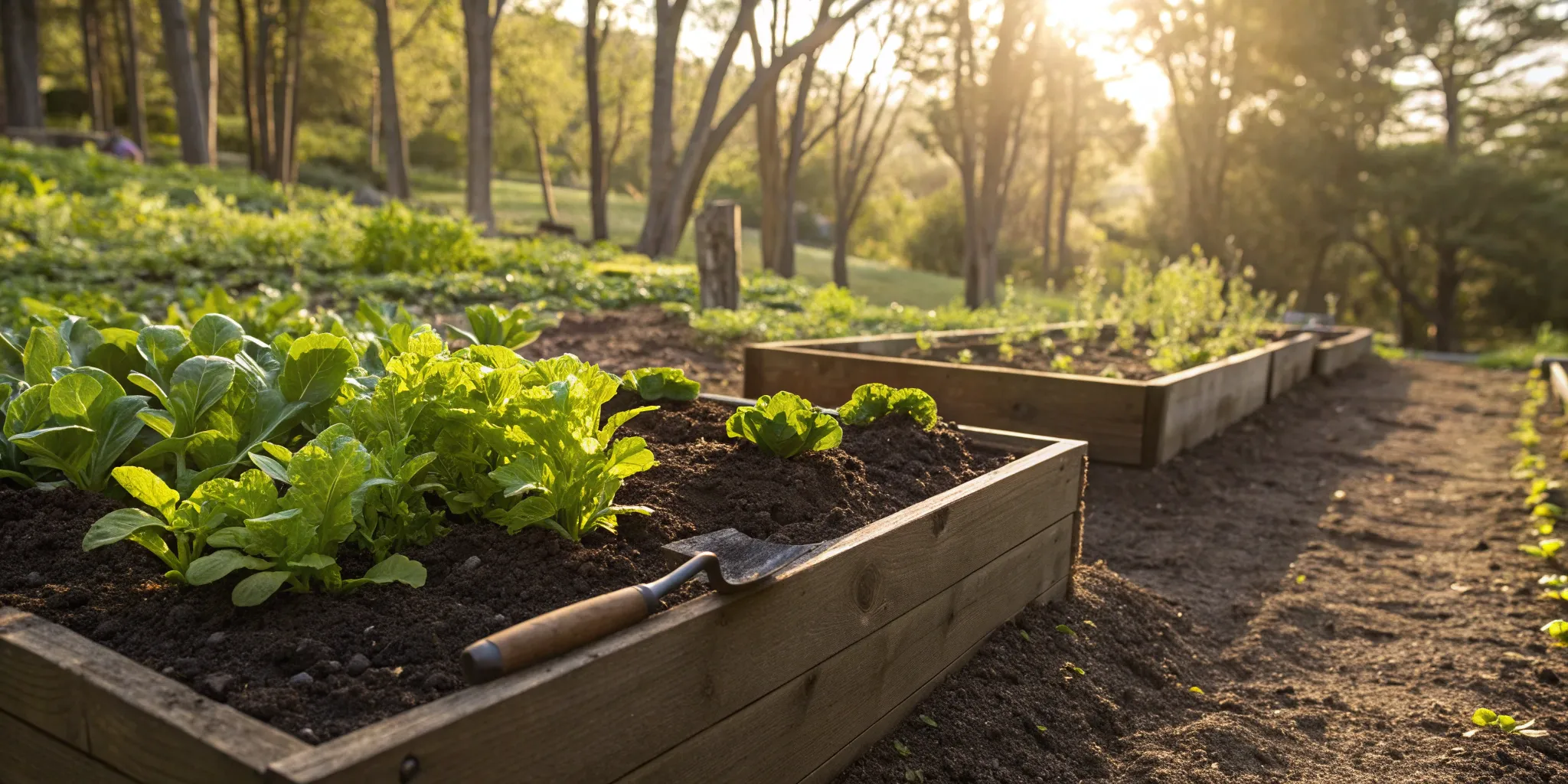
Have you ever done everything right—watering, sunlight, spacing—only to watch your plants struggle? More often than not, the problem isn’t you; it’s the soil. For plants in a raised bed, the soil is their entire world. If it’s too dense, their roots can’t breathe. If it lacks nutrients, they’ll starve. And if it doesn’t drain properly, they can drown. Creating a healthy, productive garden is all about preventing these problems from the start. This guide is your complete resource for understanding and selecting the perfect topsoil for raised beds, ensuring you build a foundation that gives your plants everything they need to grow strong and healthy.
Key Takeaways
- Build the ideal soil mix: For a thriving raised bed, blend high-quality topsoil for structure, compost for rich nutrients, and a coarse material like sand or perlite for drainage. This simple recipe creates the perfect environment for healthy roots.
- Trust your senses to spot good soil: High-quality topsoil is dark, crumbly, and has a pleasant, earthy smell. Avoid dense, sticky clay, overly sandy fill, or any soil that looks gray or has a chemical odor, as these are red flags for poor plant health.
- Plan your purchase and feed your soil annually: Use a calculator to determine exactly how much soil you need and buy in bulk to save time and money. To keep your garden productive, top off your beds with a fresh layer of compost each year to replenish essential nutrients.
What Is Topsoil (and Why Does It Matter for Raised Beds)?
Think of topsoil as the uppermost layer of the earth's skin, typically the top 6 to 12 inches. This is where all the action happens. It’s a mix of minerals, rocks, water, air, and organic matter—like decomposed plants and other bits of life. This combination gives soil its structure and is packed with the nutrients your plants need to grow. When you're building a raised garden bed, you're essentially creating a brand-new, self-contained ecosystem from scratch. Unlike a traditional garden where you work with the existing earth, a raised bed is a blank slate. The soil you choose to fill it with is the single most important decision you'll make for the success of your garden.
Putting a little extra thought and effort into your soil now pays off for seasons to come. Great soil is the foundation for healthy roots, vibrant leaves, and a bountiful harvest. Using the wrong kind of fill can lead to a summer of frustration with waterlogged plants, nutrient deficiencies, and weak growth. Starting with high-quality bulk topsoil designed for gardening gives your plants the best possible head start. It’s the difference between a garden that just survives and one that truly thrives.
Why Healthy Plants Start with Great Soil
Healthy, living soil is teeming with a microscopic world of beneficial fungi, bacteria, and earthworms. These tiny organisms are hard at work breaking down organic matter into nutrients that your plants can easily absorb. This underground ecosystem is what feeds your plants. When you fill your raised beds with quality soil, you’re not just giving your plants a place to anchor their roots—you’re providing a complete support system. Good soil structure allows for proper drainage, ensures roots get enough oxygen, holds onto essential nutrients, and maintains a balanced pH level, creating the perfect environment for strong, resilient plants.
The Benefits of Using Quality Topsoil
The best soil for your raised bed should be loose and crumbly, allowing roots to spread out easily. It needs to hold enough moisture for your plants to drink but also let excess water drain away so the roots don't rot. Using the wrong material, like heavy clay or poor-quality fill, can cause a host of problems, from stunted growth to a garden full of weeds. When you’re looking for good topsoil, trust your senses. It should be dark and rich in color, feel light and crumbly in your hands, and have a pleasant, earthy smell. This is the kind of soil that will set your garden up for success.
What's the Best Soil Mix for Raised Beds?
One of the biggest advantages of a raised garden bed is that you have complete control over the soil. You’re not stuck with the rocky, clay-heavy, or sandy ground in your yard. Instead, you get to create the perfect growing environment from the ground up, giving your plants exactly what they need to flourish. Getting this soil mix right is the most critical step for a healthy, productive garden. It’s not just about filling a box with dirt; it’s about building a balanced, nutrient-rich ecosystem where roots can breathe, find water, and access food. A well-crafted soil mix promotes strong root development, reduces the need for chemical fertilizers, and helps your plants fight off pests and diseases naturally. While you can certainly source and mix all the individual ingredients yourself, using a professionally blended soil mix designed specifically for raised beds can save you a ton of time and guesswork. These mixes are formulated to provide the ideal balance of structure, nutrients, and drainage, ensuring your plants get the best possible start right from day one.
The "Perfect" Soil Recipe
If you want to create your own mix, a great rule of thumb is to follow a simple recipe. The ideal blend for a raised bed is typically 40-50% high-quality topsoil, 40-50% compost, and 10-20% aeration material (like perlite, vermiculite, or coarse sand). Think of it like baking: the topsoil provides the structure and body, the compost adds all the rich nutrients and organic matter, and the aeration material keeps the mixture light and fluffy. This combination creates a soil that’s dense enough to support your plants but loose enough for their roots to grow freely.
Key Ingredients for Drainage and Nutrients
The best soil for your raised bed should feel loose, deep, and crumbly in your hands. You’re aiming for a texture that holds moisture for your plants but also allows excess water to drain away easily, which is essential for preventing root rot. This balanced texture is often called “loam.” A high-quality, screened topsoil forms the foundation of your mix, providing the basic structure. When you’re ready to fill your beds, you can get premium topsoil delivered right to your home, ensuring you start with a clean, reliable base for your garden.
Why You Should Always Add Compost
Think of compost as the superfood for your garden. It’s the single most important amendment you can add to your raised beds. Compost is packed with the essential nutrients and organic matter that feed your plants over time. More importantly, it supports a thriving ecosystem of beneficial microorganisms, fungi, and earthworms in the soil. These tiny helpers are crucial because they break down organic matter and make nutrients available for your plants to absorb. Adding a generous amount of compost to your landscape supplies list ensures your garden soil is alive and full of everything your plants need to grow strong.
How to Spot High-Quality Topsoil
Not all dirt is created equal, and your garden's success hinges on its foundation. Knowing how to identify high-quality topsoil saves you from future headaches and gives your plants the best start. It’s less about luck and more about knowing what to look, feel, and even smell for. Here are the key signs of great soil and the red flags to watch out for.
What to Look and Feel For
Great topsoil engages the senses. It should have a dark, rich color, like dark chocolate, which signals it’s full of organic matter. When you pick it up, it should feel crumbly and loamy. Squeeze a handful—it should hold its shape loosely but fall apart easily when you poke it. This texture is the sweet spot between sandy soil that drains too fast and clay soil that holds too much water. Finally, healthy topsoil has a pleasant, earthy smell. A quality topsoil delivery ensures you get a consistent, well-balanced product for your beds.
Red Flags of Low-Quality Soil
Just as there are signs of good soil, there are clear warnings of bad soil. Steer clear of topsoil that looks gray, is overly rocky, or contains trash. If it feels sticky and dense like modeling clay, or excessively gritty, your plants’ roots will struggle. A sour or chemical smell is another major red flag, indicating potential contamination. Poor drainage is also a deal-breaker. If water pools on top for a long time, the soil is too compact and can suffocate roots. It's always best to start with quality landscape supplies from a trusted source.
How to Test Your Soil's pH
Even if your soil looks perfect, an imbalanced pH can prevent plants from absorbing nutrients. Think of pH as a gatekeeper; most vegetables and flowers thrive in a slightly acidic to neutral range of 6.0 to 7.0. If the soil is too acidic or alkaline, essential nutrients become "locked up" and unavailable. You can buy a home testing kit for a quick reading or send a sample to a local cooperative extension for a detailed analysis. Once you know your pH, you can amend it with the right seed & fertilizer products to create the perfect environment for your garden.
What Kind of Soil to Avoid for Raised Beds
Choosing the right soil for your raised beds is half the battle, but knowing which soils to avoid is just as critical for a thriving garden. Using the wrong type can lead to compacted, waterlogged conditions that suffocate plant roots and stunt growth. It’s tempting to just grab any dirt to fill your beds, but understanding what not to use will save you a lot of headaches and lead to a much healthier garden.
Why Clay and Fill Dirt Don't Work
Heavy clay soil and basic fill dirt are two of the worst options for a raised garden bed. These soils are incredibly dense and compact easily, which is the exact opposite of what your plants need. Healthy roots require a light, fluffy environment to spread out and access oxygen and water. Clay and fill dirt create a brick-like consistency that prevents proper drainage, leading to waterlogged soil and root rot. Instead of these heavy materials, you want a soil mix that is moisture-retentive but also allows excess water to drain away freely. A quality bulk topsoil designed for gardening is a much better foundation for success.
Garden Soil vs. Raised Bed Soil: What's the Difference?
It might seem logical to use soil straight from your garden, but it’s generally not the best choice for a raised bed. The soil in the ground is part of a larger ecosystem and is often too dense for a contained environment. When you put it in a raised bed, it tends to compact, restricting root growth and holding too much moisture. In-ground garden soil can also contain weed seeds, pests, or even high salt levels that can harm your plants. Raised beds need a specially formulated mix that provides the perfect balance of drainage, aeration, and nutrients, which is why using a blend of topsoil and compost is always recommended.
The Problem with Big-Box Store Soil
While convenient, bagged soil from big-box stores can be a gamble. The quality can be inconsistent from one bag to the next, and you don't always know what you're getting. High-quality topsoil should be dark, crumbly, and have a rich, earthy smell. Be wary of bags that feel overly sandy or heavy like clay. If the soil looks gray, chalky, or has an unpleasant odor, it’s a clear red flag. Poor-quality soil won't give your plants the strong start they need. It’s always better to source your soil from a reputable supplier that is transparent about how they produce their products and can guarantee consistent quality.
How to Improve Drainage in Your Raised Bed
Proper drainage is one of the biggest advantages of a raised garden bed, but it all comes down to the soil mix you use. If water can't move freely, your plant roots can become waterlogged and deprived of oxygen, leading to root rot and unhappy plants. The goal is soil that holds enough moisture for your plants to drink but allows the excess to drain away easily. If you suspect your soil is holding on to too much water, there are a few simple ways to fix it.
Add Sand and Other Coarse Materials
One of the most effective ways to improve drainage is to amend your soil with coarse materials. Mixing coarse sand into your soil creates larger particles, which helps prevent the soil from compacting and allows water to move through more easily. Be sure to use coarse builder's sand, not fine play sand, which can actually make compaction worse. You can also mix in small, pea-sized gravel or pine bark fines. These materials create air pockets that give water a clear path to drain away, keeping your plant roots healthy and happy. When adding amendments, work them into the top 6-12 inches of your raised bed soil.
Use Perlite and Vermiculite for Aeration
For a lighter-weight option, consider adding perlite or vermiculite to your soil mix. These porous, lightweight materials are excellent for improving both aeration and drainage. Perlite is a volcanic glass that looks like tiny white styrofoam balls; it’s fantastic for creating air pockets and loosening heavy soil. Vermiculite is a mineral that also improves aeration but has the added benefit of holding onto some water and nutrients, releasing them as the plants need them. Both are great choices for ensuring your plant roots get the perfect balance of air and water. You can find these amendments in our range of landscape supplies.
Spot the Signs of Poor Drainage
Not sure if you have a drainage problem? Your plants will often tell you. If your plants are yellowing, wilting even when the soil is wet, or just not growing well, poor drainage could be the culprit. These are classic signs that the roots are suffocating. A simple way to test your drainage is to watch what happens after you water. If water pools on the surface and takes more than an hour to disappear, your soil is too compacted and isn't draining properly. Catching these signs early allows you to amend the soil before your plants suffer any long-term damage.
How Much Topsoil Do You Need?
Figuring out exactly how much soil to buy for your raised beds can feel like a tricky math problem, but I promise it’s easier than it looks. Getting this number right is worth the effort. Ordering too little means a last-minute scramble for more, while ordering too much leaves you with a pile of soil and a lighter wallet. The goal is to fill your beds perfectly so your plants have plenty of room to grow strong roots.
The amount of topsoil you need depends entirely on the size of your raised bed—specifically its length, width, and depth. With a few simple measurements, you can calculate the volume and order with confidence. Just grab a tape measure, and let’s get started.
A Simple Way to Calculate Soil Volume
To find out how much soil you need, you’ll calculate the volume of your raised bed in cubic feet and then convert it to cubic yards, which is how bulk materials are sold.
First, measure the length, width, and depth of your bed in feet. Let's say your bed is 8 feet long, 4 feet wide, and you want the soil to be 1 foot deep.
Multiply these three numbers together: Length (ft) x Width (ft) x Depth (ft) = Volume in Cubic Feet 8 x 4 x 1 = 32 cubic feet
Since there are 27 cubic feet in one cubic yard, you’ll divide your total by 27: 32 ÷ 27 = 1.18 cubic yards
So, you’d need just over one cubic yard of topsoil. If you’d rather skip the math, you can use a handy volume calculator to do the work for you.
Don't Forget to Account for Settling
Here’s a pro tip: soil settles over time. As the organic matter in your fresh topsoil breaks down and decomposes (which is a good thing!), the overall volume will decrease, and the soil level in your bed will drop. This is completely normal, but it’s something you should plan for.
To compensate for settling, it’s a good idea to order about 10% more soil than your calculation suggests. This ensures your beds are truly full from the start. Alternatively, you can fill them to the brim and simply plan to top off your beds with fresh soil and compost mixes after the first few weeks or before the next growing season. This keeps your soil level consistent and adds a fresh dose of nutrients for your plants.
Can You Fix the Soil You Already Have?
So, you’ve already filled your raised beds, but your plants aren’t thriving. Or maybe you inherited a garden with soil that feels more like concrete than a welcoming home for roots. Don't panic! While starting with high-quality topsoil is always the best-case scenario, you can often improve the soil you already have. It takes a bit of effort, but amending existing soil can save you from having to dig everything out and start from scratch.
The key is to identify what your soil is lacking and add the right ingredients to fix it. Most soil problems come down to poor texture, a lack of nutrients, or compaction. By introducing the right amendments, you can breathe new life into tired soil and create a much healthier environment for your plants. Let's walk through a few ways to diagnose and treat your soil.
Simple Fixes for Better Soil
If your soil is hard, clumpy, and difficult to work with, the main issue is likely poor structure and compaction. The goal is to lighten it up to improve drainage and aeration, giving plant roots room to grow. A simple fix is to mix in coarse materials. If you’re dealing with heavy clay, adding sand can help break it up. For general improvement, amendments like perlite and vermiculite are fantastic for creating air pockets in the soil. You can find these and other essential landscape supplies to help get your soil back in shape. Gently work these materials into the top 6-8 inches of your bed with a garden fork.
Add Compost for Long-Term Health
Compost is the single best thing you can add to almost any soil. It’s a powerhouse amendment that improves soil structure, adds essential nutrients, and introduces beneficial microorganisms. If your soil is lackluster, be generous with the compost. You can spread a two- to three-inch layer over the top of your raised bed and gently mix it into the existing soil. Another great technique is to add a healthy scoop of compost directly into each planting hole before you place your plant. This gives the roots immediate access to nutrients. Consistently adding high-quality compost each season will continue to build healthier, more productive soil over time.
Should You Replace or Amend Your Soil?
Deciding whether to amend or replace your soil comes down to a simple question: how bad is it? Good garden soil should be loose, deep, and crumbly. It should hold moisture without becoming waterlogged. If your soil is only moderately compacted or slightly depleted, amending it is a great, cost-effective option. However, if you’re dealing with soil that is mostly heavy clay, full of rocks, or contaminated in some way, you’ll save yourself a lot of time and frustration by replacing it. Trying to fix severely poor soil can be an uphill battle. In those cases, the best investment is to start fresh with a quality topsoil delivery and build your garden on a solid foundation.
How to Keep Your Soil Healthy Year After Year
Once you’ve filled your raised beds with the perfect soil mix, the work isn’t quite done. Think of your garden soil like a bank account: your plants make withdrawals all season long. To keep it from running empty, you need to make regular deposits. Maintaining healthy, nutrient-rich soil is an ongoing process, but it’s simpler than you might think. With a few key habits, you can ensure your raised beds remain fertile and productive for years to come, giving you healthier plants and better harvests.
Prevent Compaction and Nutrient Loss
One of the biggest enemies of healthy raised bed soil is compaction. When soil gets packed down, it loses the light, airy structure that allows plant roots to breathe and grow. It also makes it harder for water to penetrate, leading to runoff and thirsty plants. The easiest way to prevent this is to follow one simple rule: don’t step in your raised beds. Design your beds to be narrow enough that you can reach the middle from either side. This keeps the soil fluffy, protecting the delicate ecosystem of air pockets and pathways that roots, water, and beneficial organisms need to thrive.
Seasonal Soil Care Tips
Each growing season, your plants use up vital nutrients from the soil. To keep your garden productive, you need to replenish them. The best way to do this is by making it a habit to top-dress your beds every year. In the spring before you plant, or in the fall after you’ve cleared everything out, add a fresh one-to-two-inch layer of high-quality compost. This simple step infuses the soil with a rich blend of organic matter, feeding your plants and improving the soil’s structure and water-holding capacity. It’s the single most effective thing you can do to maintain long-term soil fertility.
How Mulching Protects Your Soil
Think of mulch as a protective blanket for your soil. Applying a layer of organic mulch, like shredded bark or wood chips, over the surface of your raised beds offers a whole host of benefits. As the mulch slowly breaks down, it releases valuable nutrients into the soil, acting as a slow-release fertilizer. It also helps the soil retain moisture, so you’ll need to water less often. Plus, a good layer of mulch is one of your best defenses against weeds and can prevent heavy rains from washing away your precious topsoil. It’s a simple step that protects your investment and makes your gardening life much easier.
Get the Right Topsoil Delivered
Once you know what kind of soil you need and how much, the next step is getting it to your garden. While you could lug dozens of heavy bags from a big-box store, buying in bulk is often easier and more cost-effective for filling raised beds. The key is to find a reputable source that not only provides high-quality materials but also makes the process simple from start to finish. Sourcing your soil is just as important as creating the perfect mix.
NYSDEC-Permitted Quality You Can Trust
When you're growing vegetables or flowers for your family, the last thing you want to worry about is what’s hiding in your soil. That’s why looking for a supplier with NYSDEC-permitted products is so important. This designation means their compost and soil mixes meet strict quality standards set by the New York State Department of Environmental Conservation, ensuring they are free from harmful contaminants. Choosing a supplier that operates NYSDEC-permitted facilities gives you confidence that you’re starting your garden with clean, safe, and high-quality topsoil. It’s the best way to give your plants a healthy foundation to grow.
Convenient Delivery to NJ, NY, and CT
Let’s be honest—transporting hundreds of pounds of soil isn't exactly a fun weekend project. This is where a reliable delivery service becomes a game-changer. You can get the perfect blend of topsoil and compost brought right to your driveway, saving you time, effort, and a very messy car. Many gardeners find a 50/50 mix of topsoil and compost creates the ideal growing environment for raised beds. Finding a local supplier that offers bulk topsoil delivery makes filling your beds incredibly simple. You just place your order, and the foundation for your new garden arrives ready to go.
How to Budget for Your Raised Bed Soil
Creating a budget for your raised bed soil might seem like just another line item, but it's one of the most important investments you'll make in your garden. The right soil sets the stage for healthy, productive plants, while cutting corners can lead to a season of frustration. Thinking about the cost upfront helps you get the best material for your money and avoid the hidden costs of poor-quality fill, like weak growth and constant soil amendments.
The key is to balance the initial expense with the long-term value. By planning your purchase and understanding why quality matters, you can build a garden that thrives for years. It’s less about finding the cheapest option and more about making a smart, sustainable choice for your garden's foundation. Let's walk through how to plan for this essential purchase.
Planning Your Bulk Topsoil Purchase
First things first: figure out exactly how much soil you need. Guessing can lead to buying too much or, even worse, not enough. Using a volume calculator is the easiest way to get an accurate number—just plug in the dimensions of your raised beds. Once you have your total cubic yards, you can start pricing things out. For any project larger than a single small container, buying in bulk is almost always the most cost-effective route. While grabbing a few bags from a home improvement store seems convenient, the cost per cubic foot is significantly higher, and you'll end up making multiple trips. Arranging for a single bulk topsoil delivery saves you time, money, and a lot of heavy lifting.
Why Quality Soil Is a Smart Investment
It’s tempting to look for the cheapest "dirt" to fill your beds, but your plants will pay the price. Investing in high-quality topsoil is crucial because it provides the structure, nutrients, and drainage your plants need to establish strong roots. Using the wrong soil can lead to major headaches like waterlogged roots, nutrient deficiencies, and weak, stunted plants. Good soil is an ecosystem in itself, and you're paying for a balanced blend that will support life. You can trust NYSDEC-permitted soil that is dark, crumbly, and has a rich, earthy smell. Avoid anything that looks overly sandy, feels like sticky clay, or has a sour odor, as these are signs of poor-quality fill that will only cause problems down the road.
Frequently Asked Questions
Can I just use the dirt from my yard to fill my raised beds? It’s a tempting shortcut, but I strongly advise against it. The soil in your yard is often too dense and heavy for a contained raised bed. When you move it into a box, it compacts easily, which can suffocate plant roots and prevent water from draining properly. You also risk bringing weed seeds and soil-borne pests along for the ride. A raised bed gives you the advantage of creating a perfect, controlled growing environment from scratch, so it's best to start with a fresh, balanced soil mix.
What's the difference between topsoil and compost, and do I really need both? Yes, you really do need both! Think of it this way: topsoil provides the structure, and compost provides the nutrition. Topsoil is the foundation of your mix, offering the mineral content and loamy texture that supports plant roots. Compost is the powerhouse of organic matter and nutrients that feeds your plants and supports the microscopic life that keeps your soil healthy. Using one without the other will leave your garden lacking a key component for success.
How deep should the soil in my raised bed be? For most vegetables and flowers, a soil depth of 10 to 12 inches is perfect. This gives their roots plenty of room to grow down and anchor themselves securely. If you’re growing root vegetables like carrots or potatoes, you might want a slightly deeper bed, around 12 to 18 inches. For shallow-rooted plants like lettuce and herbs, you can get away with as little as 6 to 8 inches of quality soil.
Is it better to amend my existing soil or just replace it? This depends on how bad your current soil is. If your soil is just a bit compacted or seems tired after a few seasons, amending it is a great choice. You can revive it by working in a few inches of fresh compost to add nutrients and improve its texture. However, if you're dealing with soil that is mostly heavy clay, full of rocks, or potentially contaminated, you’ll save yourself a lot of frustration by replacing it. In that case, starting fresh is the best investment.
Why is buying soil in bulk a better option than getting bags from a store? For any project larger than a few small pots, buying in bulk is the smarter move. It’s significantly more cost-effective than buying individual bags, which have a much higher price per cubic foot. You also get a more consistent, high-quality product, whereas the contents of bagged soil can vary. Plus, having your soil delivered saves you the time and back-breaking work of hauling dozens of heavy bags from the store to your car and then to your garden.