
How to Use Organic Compost for a Better Garden
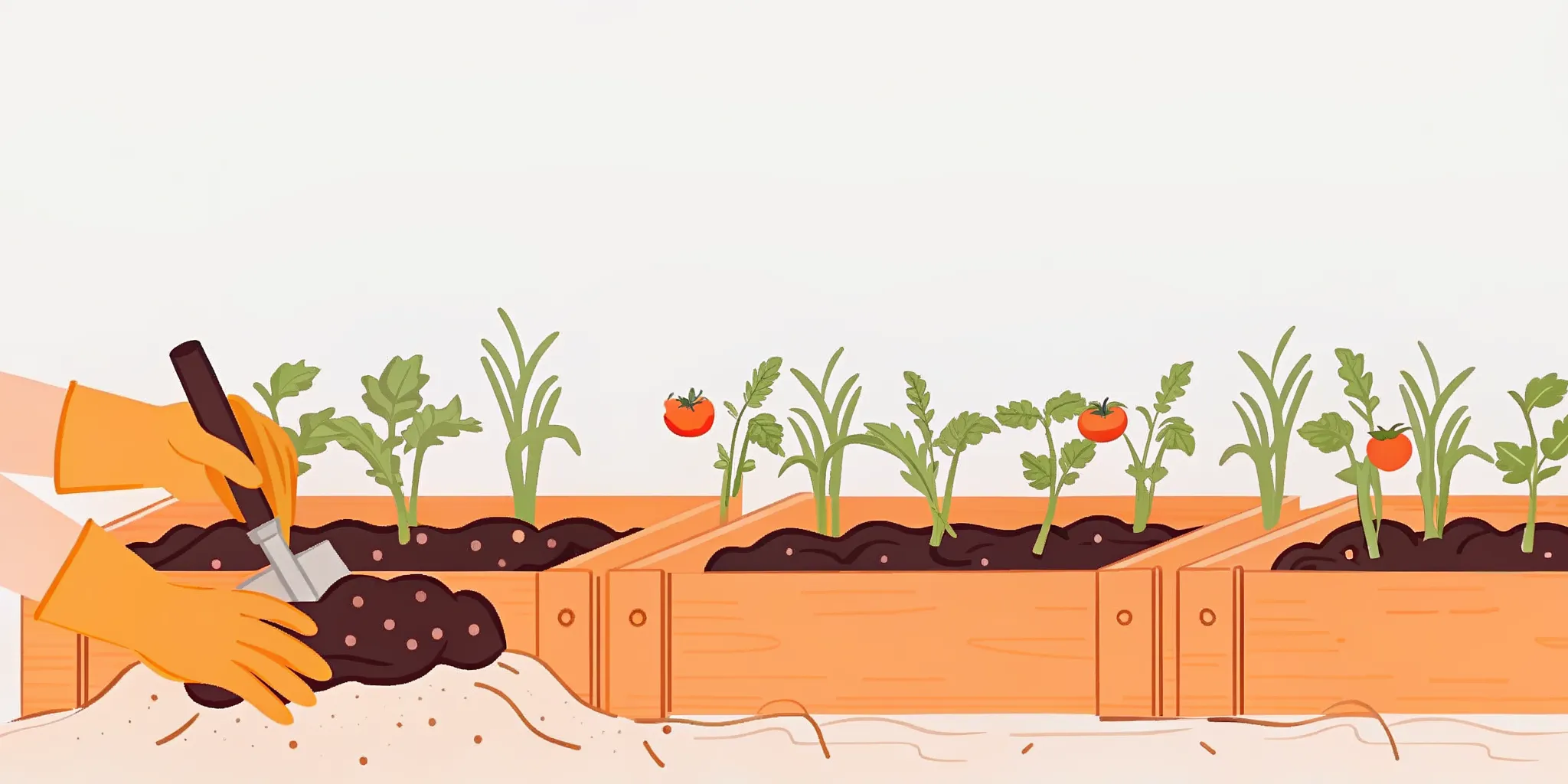
If you’ve ever felt frustrated by yellowing leaves, stunted plants, or a harvest that just didn’t live up to its promise, the answer is likely right under your feet. The secret to a vibrant, productive garden isn’t just feeding your plants; it’s about feeding your soil. Organic compost is the key to transforming tired, depleted dirt into a living, breathing foundation for your vegetables. It works by improving everything from drainage to nutrient availability. Understanding how to use organic compost in a vegetable garden is the difference-maker. Ahead, we’ll cover the simple techniques for applying it, so you can solve common garden problems and grow healthier, more resilient plants.
Key Takeaways
- Compost is a soil conditioner, not just a fertilizer: Its primary role is to improve your soil's physical structure, helping it retain moisture and drain properly, which creates a healthy environment for plants to thrive long-term.
- Apply compost correctly to maximize its benefits: A simple routine of mixing a one- to three-inch layer into your soil each spring and fall works wonders. When top-dressing, always keep compost away from plant stems to avoid causing rot.
- Quality is key, whether you buy or DIY: Always look for compost that is dark, crumbly, and has a pleasant, earthy smell. While making your own is rewarding, buying professionally cured compost is a great, time-saving option for large projects or when you need a consistent, ready-to-use product.
What Is Organic Compost and Why Your Garden Needs It?
Let's start with the basics. What exactly is organic compost? Think of it as a superfood for your soil. It’s a dark, crumbly, earthy-smelling material created when organic matter like leaves, food scraps, and grass clippings breaks down over time. This natural recycling process creates a powerhouse soil amendment that can transform your garden from the ground up.
Adding compost is one of the single best things you can do to create a healthy foundation for your plants. Whether you have a sprawling vegetable patch, a few raised beds, or just want a greener lawn, compost provides the essential ingredients for vibrant, resilient growth. It’s not just about feeding your plants; it’s about building a living, breathing soil ecosystem that will support your garden for years to come.
How compost builds healthier soil
Compost works by improving the very structure of your soil. It’s a soil amendment, which is just a way of saying it’s something you add to make your soil better. When you mix organic compost into your garden, it gets to work right away. In heavy, clay-like soils, compost adds air pockets, which improves drainage and allows plant roots to breathe and grow freely. In sandy soils that drain too quickly, compost acts like a sponge, helping the soil hold onto moisture and nutrients. This process creates humus, a rich, dark material that is the hallmark of healthy, fertile soil. It’s the perfect foundation for any garden, from flower beds to vegetable patches.
The benefits for your vegetables
For vegetable gardens, compost is a game-changer. It provides a slow and steady release of vital nutrients that your vegetables need for strong, healthy growth. Unlike some synthetic fertilizers that give a quick but short-lived jolt, compost feeds your plants over the long haul, leading to more abundant yields. It’s packed with essentials like nitrogen for leafy greens and calcium for preventing issues like blossom-end rot in tomatoes. Plus, the improved moisture retention means you’ll likely water less, and better drainage helps prevent root rot during rainy spells. By using compost, you’re not just growing vegetables; you’re growing more nutritious and resilient ones in soil that gets better every year.
How to Know Your Compost Is Ready
Patience is a gardener's best friend, especially when it comes to compost. Using compost before it’s fully broken down can do more harm than good. So, how do you know when that pile of kitchen scraps and yard trimmings has transformed into the rich, nutrient-dense amendment your garden craves? Thankfully, your senses are the best tools for the job. A finished compost pile has a few distinct characteristics that tell you it’s ready to work its magic on your soil. By learning what to look, smell, and feel for, you can confidently decide when it's time to harvest your "black gold" and give your plants the foundation they need to thrive. If you're ever in doubt, it's always better to let it cure a little longer.
What to look and smell for
Finished compost should look and smell like a healthy forest floor. It will have a dark, rich brown or black color and a crumbly, soil-like texture. You shouldn’t be able to identify any of the original materials you added, like eggshells, leaves, or vegetable peels. Everything will have broken down into a uniform, fine-textured material. Next, take a whiff. Ready compost has a pleasant, earthy scent. If your pile smells sour, like ammonia, or like rotting garbage, it’s not done yet. Those strong odors are a sign that the microorganisms are still hard at work breaking things down. Give it more time and another turn to get air flowing.
Check the texture and temperature
Once your compost looks and smells right, check its temperature. An active compost pile generates a lot of heat, with core temperatures reaching 130°F to 160°F. This heat is essential for killing off weed seeds and pathogens. As the decomposition process finishes, the microorganisms run out of food, and the pile naturally cools down to the surrounding air temperature. If the center of your pile is no longer hot, it’s a strong signal that the composting process is complete. The final texture should be soft and crumbly, holding moisture without being soggy. Squeeze a handful; it should feel like a damp sponge, with only a drop or two of water coming out.
The risks of using unfinished compost
Applying compost before it’s fully decomposed can create problems for your garden. Unfinished compost can have high levels of organic acids and a high carbon-to-nitrogen ratio, which can temporarily tie up nitrogen in the soil, making it unavailable to your plants. This can lead to yellowing leaves and stunted growth. Immature compost can also contain pathogens or weed seeds that weren't eliminated by the heating process. To avoid these issues and ensure you're giving your garden the best, you can always rely on a professionally cured, high-quality compost. This guarantees you get a safe, stable, and nutrient-rich product every time, without the wait.
How to Make Your Own Organic Compost
Making your own compost is a rewarding way to recycle kitchen scraps and yard waste into something amazing for your garden. Think of it like following a recipe: get the ingredients right, manage the process, and you’ll end up with a nutrient-rich amendment that your plants will love. It takes a little patience, but the process itself is pretty straightforward. Of course, if you need a large amount of finished compost right away, you can always supplement your efforts with a quality bulk compost to get your garden started. But if you’re ready to try your hand at making your own, here’s how to get started.
Balance your greens and browns
The secret to great compost is finding the right mix of materials. You’ll need a combination of "green" materials, which are rich in nitrogen, and "brown" materials, which are rich in carbon. Greens include things like grass clippings, vegetable scraps, coffee grounds, and eggshells. Browns are dry, woody materials like fallen leaves, twigs, shredded newspaper, and cardboard. A good rule of thumb is to aim for a ratio of about two parts brown material to one part green. This balance provides the microorganisms doing all the hard work with the energy and protein they need to break everything down efficiently.
Manage moisture, air, and heat
Once you have your pile of greens and browns, you need to manage three key elements: moisture, air, and heat. Your compost pile should feel damp, like a wrung-out sponge, but not soggy. If it’s too dry, decomposition will slow down, so add water as needed. You also need to aerate the pile by turning it with a pitchfork every week or two. This introduces oxygen, which is crucial for the beneficial microbes. A healthy, active compost pile will generate its own heat, reaching temperatures between 135-160°F in the center. This heat is a great sign, as it helps kill off weed seeds and pathogens, ensuring your finished compost is safe and effective for your garden.
How long does composting take?
Patience is a virtue, especially when it comes to composting. The entire process can take anywhere from four to five months, depending on the materials you used and how actively you manage the pile. You’ll know your compost is ready when it’s dark brown, crumbly, and has a pleasant, earthy smell. At this point, you shouldn’t be able to recognize the original materials you put in. If you can still see bits of banana peel or leaves, it likely needs more time to break down. Once it’s finished, you’ll have a beautiful, homemade soil amendment to enrich your garden beds.
How to Apply Compost to Your Vegetable Garden
Once you have your high-quality compost, it’s time to put it to work. The best way to apply it depends on whether you’re starting a new garden, refreshing an existing one, or feeding plants mid-season. Each method helps build a rich soil structure that will support your vegetables all season long. Let’s walk through the four most common ways to add this "black gold" to your garden for incredible results.
Mix compost into garden beds
If you're preparing your garden beds for the growing season, mixing compost directly into the soil is a fantastic way to improve its structure and fertility. For existing beds, a good practice is to add a thin layer of compost, about one-quarter to one inch deep, across the surface each year. Use a garden fork or tiller to gently work this compost into the top 8 to 12 inches of your soil. This process aerates the soil, improves drainage in heavy clay, and helps sandy soil retain moisture, creating a perfect foundation for your vegetable roots to thrive. This annual addition ensures your soil gets a consistent supply of organic matter and nutrients.
Add compost to raised beds
Raised beds offer great control over your soil environment, and compost is a key ingredient for success. However, you should not fill your raised beds with pure compost. On its own, compost can be too rich and may lack certain minerals your plants need. A healthy mix is crucial. As a rule of thumb, aim for a blend that includes up to 25% compost. You can mix it with topsoil and other materials to create a balanced growing medium. When you need to fill a new bed or top off an existing one, you can get quality soil delivered to create the perfect custom blend.
Top-dress plants during the season
As your vegetables grow, they use up nutrients in the soil. You can give them a mid-season pick-me-up by top-dressing with compost. This simply means applying a layer of compost on the soil surface around your plants. Spread a two- to three-inch layer around the base of your plants, shrubs, or trees. This technique slowly releases nutrients to the roots every time you water, suppresses weeds, and helps the soil retain moisture. Just be careful to keep the compost one to two inches away from the main stems of your plants. Piling it directly against the stem can trap moisture and lead to rot, so give your plants a little breathing room.
Use compost as a mulch
Compost also works wonderfully as a natural mulch. Applying a two-inch layer on top of your garden soil can help you manage weeds and keep the soil consistently moist, reducing how often you need to water. As it slowly breaks down, the compost will continue to feed your soil and plants. Unlike wood mulches, compost adds a significant amount of nutrients over time. Be mindful not to apply it too thickly; a layer deeper than three inches can sometimes generate heat as it decomposes, which might harm the sensitive roots of your plants. Using compost as a mulch is an easy way to get multiple benefits from a single application.
How Much Compost Does Your Garden Need?
Figuring out the right amount of compost can feel like a guessing game, but it doesn't have to be. While it’s tempting to think more is always better, applying the correct amount is key to building healthy soil without overdoing it. The ideal quantity depends on your soil’s current condition, whether you’re starting a new bed or amending an existing one, and what you plan to grow.
For a brand new garden with poor soil, you’ll need more compost to build a strong foundation. For an established bed, you’ll use less, treating it more like an annual supplement. Different vegetables also have different appetites; some are heavy feeders that crave rich soil, while others are less demanding. Getting the amount right ensures your plants get the nutrients and soil structure they need to thrive all season long. If you're planning a large project, using a volume calculator can help you determine exactly how much compost you need to order, saving you time and money.
Find the right application depth
A good rule of thumb for existing garden beds is to add about a quarter-inch to one inch of compost each year. Once you spread a layer over the soil, gently work it into the top 8 to 12 inches with a digging fork or spade. This process mixes the rich organic matter into the root zone where plants need it most. For new garden beds or areas with particularly sandy or clay-heavy soil, you can be more generous. Applying a two- to three-inch layer and mixing it in thoroughly will dramatically improve the soil’s structure and fertility, giving your new plants the best possible start.
Which vegetables are the hungriest?
Not all vegetables have the same appetite. Some plants, known as "heavy feeders," consume a lot of nutrients and will thank you for generous amounts of compost. These include tomatoes, squash, cucumbers, corn, peppers, and leafy greens like spinach and kale. They need rich, fertile soil to support their rapid growth and produce a bountiful harvest. On the other hand, some plants are "light feeders." Root vegetables like carrots and radishes, for example, may produce forked or hairy roots if the soil is too rich in nitrogen. Giving your hungriest vegetables plenty of quality compost is one of the easiest ways to ensure a successful growing season.
Feed heavy feeders mid-season
For those nutrient-hungry plants like tomatoes and peppers, a single compost application at the beginning of the season might not be enough. As they grow and begin to produce fruit, they use up a lot of energy and nutrients from the soil. You can keep them productive and healthy by giving them a mid-season snack. Simply apply a light, one-inch layer of compost around the base of the plants, being careful not to pile it against the stems. This technique, called top-dressing, provides a slow-release source of nutrients to carry them through the rest of the season. Having extra compost stored in a bulk bag makes this simple task even more convenient.
How Often Should You Add Compost?
Think of compost as a regular, healthy meal for your garden, not just a one-time treat. Consistent application is the key to building and maintaining the rich, living soil that produces incredible vegetables. The ideal frequency depends on your garden type and what you’re growing, but establishing a simple rhythm will make it a natural part of your gardening routine. By feeding your soil regularly, you ensure it has the structure and nutrients to support your plants all year long. This proactive approach is much easier than trying to fix depleted, problematic soil later on.
Your pre-planting and post-harvest schedule
For a thriving vegetable garden, a twice-a-year schedule is a fantastic rule of thumb. Plan to add a two- to three-inch layer of compost over every 100 square feet of your garden bed. Do this once in the spring before you plant and again in the fall after your final harvest. Some vegetables are particularly hungry, and you’ll see a big difference if you give them extra attention. For heavy feeders like tomatoes, peppers, squash, and corn, consider adding another light layer of compost as a side-dressing in the middle of the growing season to keep them productive.
A simple spring and fall schedule
The easiest way to remember when to add compost is to link it to the beginning and end of the growing season. In the spring, typically around April, work compost into the soil a few weeks before planting. This wakes up the soil and gives your new seedlings a nutrient-rich environment to start their lives. In the fall, around September or October, after you’ve cleared out the old plants, add another layer. This application helps replenish the soil, feeds the beneficial microbes over the winter, and ensures your garden is rested and ready for next year. Getting a bulk compost delivery scheduled for these two seasons makes the whole process incredibly simple.
Signs your soil needs more compost
Your garden will give you clues when it’s hungry. If you grab a handful of soil and it feels hard, dense, and compacted, it’s a clear sign that it needs the structure and aeration that compost provides. Another telltale sign is poor water drainage, where water pools on the surface instead of soaking in. Watch your plants, too. If they look stunted, have yellowing leaves, or just seem to lack vigor despite getting enough sun and water, your soil is likely depleted of essential nutrients. Without regular additions of organic matter, soil loses its vitality and ability to support healthy growth.
Does Compost Replace Fertilizer?
This is a fantastic question, and the short answer is no, not exactly. While both are incredibly beneficial for your garden, they play different roles. Think of compost as the foundation of a healthy diet and fertilizer as a targeted supplement. One builds long-term health, while the other addresses an immediate need. Understanding the difference will help you give your plants exactly what they need to thrive.
Compost vs. fertilizer: What's the difference?
Compost is a soil conditioner. Its main job is to improve the soil itself. When you mix compost into your garden, you’re adding rich organic matter that improves soil structure, increases its ability to hold water, and creates a welcoming home for beneficial microorganisms. While compost does contain a wide range of nutrients, they are released slowly over time as the organic matter breaks down.
Fertilizer, on the other hand, is designed to feed plants directly with a concentrated dose of specific nutrients, most commonly nitrogen, phosphorus, and potassium. It’s a quick fix for nutrient-deficient soil or for giving heavy-feeding plants an extra push. You can find excellent organic options in our seed & fertilizer selection that work well alongside compost.
Know when to add extra nutrients
The best way to know if your plants need more food is to simply observe them. Are their leaves looking a little yellow? Is their growth slower than you expected? These are classic signs that they might need a nutrient top-up. Some plants are also just naturally hungrier than others. Vegetables like tomatoes, peppers, squash, and corn are known as "heavy feeders" and will quickly use up the nutrients in the soil.
For these demanding plants, it’s a great idea to give them an extra meal mid-season. After they’ve started to produce fruit, applying another light layer of compost can give them the energy they need to keep going. Using a high-quality compost from our list of all products ensures you're giving them the best organic matter to support their growth.
Common Composting Mistakes to Avoid
Compost is one of the best things you can add to your garden, but applying it correctly is key to getting all those amazing benefits. It’s easy to get excited and just start spreading it everywhere, but a little know-how will help you avoid some common slip-ups. Making sure you use the right amount, apply it in the right places, and start with a quality product will make all the difference for your plants. Let's walk through a few mistakes to sidestep so your garden can truly thrive.
Don't apply too much
It might sound counterintuitive, but you can definitely have too much of a good thing. Piling on compost can actually harm your plants. An overly thick layer can create an imbalance of nutrients in the soil and even lead to nutrient runoff, which isn't great for the local environment. Think of it as giving your garden a balanced meal, not an all-you-can-eat buffet. Stick to a layer of one to three inches when mixing it into new beds or top-dressing. If you're unsure how much you need for your space, you can use a volume calculator to get the perfect amount and avoid waste. Applying compost in moderation ensures your plants get exactly what they need to flourish.
Keep compost off plant stems
When you’re spreading that rich, dark compost around your plants, remember to give them a little breathing room. You’ll want to keep the compost about one to two inches away from the base of plant stems and tree trunks. Piling it directly against the stem can trap moisture, which creates the perfect environment for rot and disease to set in. It’s a simple step that makes a huge difference in keeping your plants healthy and strong. Gently work a two- to three-inch layer of compost into the soil around your plants, but always leave that small gap. This simple technique helps you protect your investment in your garden's landscape supplies and your plants themselves.
Always check compost quality first
Not all compost is created equal, and starting with a high-quality product is the foundation of a successful garden. Good compost should look and feel like rich, dark, crumbly soil. It will have a pleasant, earthy smell. You shouldn't see large, un-decomposed pieces, rocks, or bits of trash in the mix. According to the Oregon State University Extension Service, quality compost should be fine enough to pass through a 3/8-inch screen. If it smells sour, is full of clumps, or looks like yard waste, it’s likely not finished and won't give your plants the nutrients they need. We take pride in producing consistent, high-quality soil and compost that’s ready to work its magic in your garden from day one.
Buy or Make Compost: Which Is Right for You?
Deciding whether to make your own compost or buy it is a common question for gardeners. While creating your own "black gold" is a fantastic, sustainable practice, it's not always the most practical choice. Your project's size, your available time, and your desire for a consistent, high-quality product all play a role. Let's walk through the factors to help you decide which path is best for your garden.
When to buy instead of DIY
Making your own compost is rewarding, but it requires space, time, and the right balance of materials. If you're short on any of these, buying compost is a great alternative. For small tasks like potting a few plants, a bag from the garden center might do. But for larger projects like starting new garden beds or revitalizing an entire lawn, buying in bulk is more efficient. Purchasing from a reputable source also gives you peace of mind that the compost is free of weed seeds and managed correctly, so you know exactly what you're adding to your soil.
How to choose a quality bulk compost
When you're shopping for compost, use your senses. High-quality compost should look dark, rich, and crumbly, with a texture like good soil. You shouldn't see large, un-decomposed pieces, rocks, or bits of trash. Next, give it a sniff. It should have a pleasant, earthy smell, like a walk in the forest after it rains. If it smells sour, like ammonia, or just plain bad, it means the compost isn't fully broken down and isn't ready for your garden. Don't hesitate to ask the seller if they test their compost and soil products for nutrient levels, pH, and other quality indicators.
The convenience of bulk compost delivery
For big gardening projects, the logistics of moving dozens of heavy bags are a real headache. This is where bulk compost delivery shines. Bulk compost is sold by the cubic yard, which is a much larger quantity perfect for amending large garden beds or topdressing lawns. Using a volume calculator can help you figure out exactly how much you need. Having it delivered directly to your driveway saves you time, effort, and the mess in your car. A single delivery is often more cost-effective and convenient than making multiple trips for smaller bags, letting you focus on the fun part: getting your hands in the dirt.
Related Articles
Frequently Asked Questions
Can I fill my raised beds or pots with just compost? That’s a great question, and it’s a common mistake to think you can. You should avoid filling containers with 100% compost. On its own, compost is incredibly rich but can be too intense for plant roots and may not hold water correctly. Think of it as a powerful ingredient, not the whole meal. For the best results in raised beds or pots, mix compost with topsoil. A good starting point is a blend of about 25% compost and 75% topsoil to create a balanced, healthy environment for your plants.
I'm new to this. What's the easiest way to start using compost? The simplest way to begin is by top-dressing your existing garden beds or even your lawn. You don't need to do any heavy digging or tilling. Just spread a one- to two-inch layer of compost on the soil surface around your plants or a thin quarter-inch layer across your lawn. Every time it rains or you water, all those great nutrients will work their way down into the soil. It’s an easy, no-fuss method that will still give your soil a wonderful, slow-release feeding.
My homemade compost smells awful. What did I do wrong? Don't worry, this is a common and fixable problem. A foul smell, like ammonia or rotting garbage, usually means your compost pile has too much nitrogen-rich "green" material (like food scraps) or is too wet and not getting enough air. The solution is to turn the pile with a pitchfork to introduce oxygen. While you're at it, mix in more carbon-rich "brown" materials like dry leaves, shredded cardboard, or wood chips. This will help balance the pile, absorb excess moisture, and get rid of the smell.
Is compost only for vegetable gardens, or can I use it on my lawn? Compost is fantastic for lawns, too. Applying a thin layer, about a quarter-inch deep, across your lawn in the spring or fall is a process called top-dressing. You can use a rake to spread it out evenly. This feeds the soil beneath the grass, which encourages deeper roots, improves water retention (so you can water less), and helps create a thicker, greener lawn naturally. It’s a great way to improve your lawn’s health without relying on synthetic chemicals.
I bought a bulk bag of compost and have some left over. How should I store it? Having extra compost on hand is perfect for mid-season feedings or future projects. To store your leftover compost, simply keep it in its bulk bag and cover the top with a tarp. This protects it from getting soaked by heavy rain, which can wash away nutrients, and also prevents it from drying out completely in the sun. Stored this way, your compost will stay in great condition and be ready to use whenever your garden needs a little attention.