
Your Complete Guide to Bulk Compost Delivery
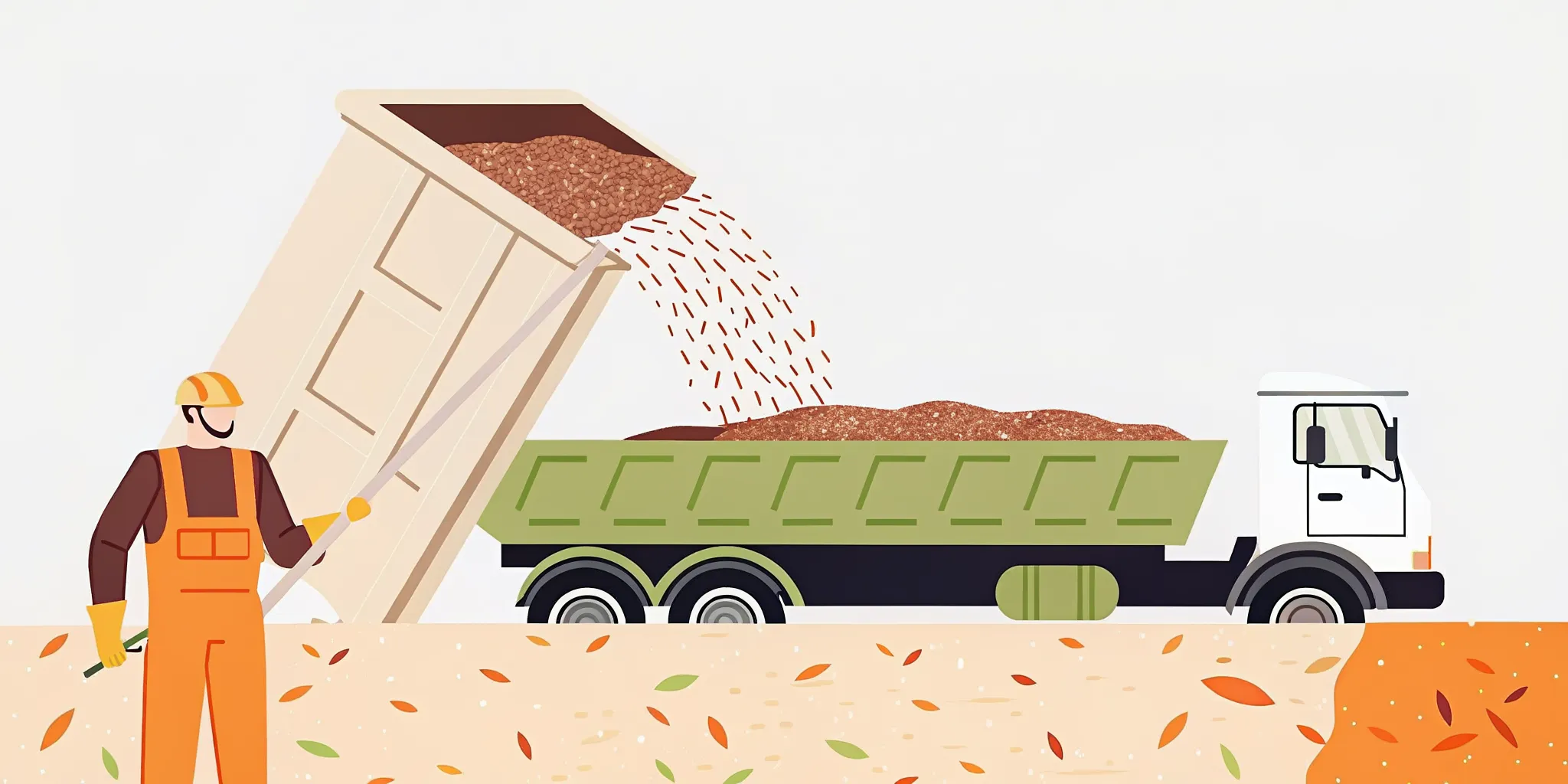
When you’re investing in your garden, you want to make choices that are good for your plants, your wallet, and the planet. The choice between buying compost in individual bags versus in bulk is a perfect example. While grabbing a few bags might seem convenient, the cost adds up quickly, and so does the plastic waste. A single cubic yard of compost is equivalent to about 27 plastic bags. By choosing bulk compost delivery, you not only get a much better price per volume, but you also eliminate a significant amount of single-use plastic from entering the waste stream. It’s a simple switch that makes your project more sustainable and affordable. Here, we’ll break down the real cost savings and environmental benefits of buying in bulk.
Key Takeaways
- Choose bulk delivery for cost and convenience: For any project bigger than a few garden pots, buying compost in bulk is more cost-effective than bagged alternatives, saving you from the physical labor of transport and reducing plastic waste.
- Calculate your needs and prepare your space: Use an online volume calculator to determine the exact amount of compost you need to avoid overspending. Before delivery day, ensure your driveway or drop-off location is clear and accessible for the truck.
- Partner with a reputable supplier: The health of your garden depends on the quality of your compost, so select a company that is transparent about its products. Look for important credentials, like a NYSDEC permit, to ensure you receive a safe, nutrient-rich material.
What is Bulk Compost Delivery?
Bulk compost delivery is exactly what it sounds like: getting a large amount of high-quality compost brought right to your driveway or project site. Think of it as the smart, efficient way to get the materials you need for any significant landscaping or gardening project. If you're tackling a big garden renovation, starting a new lawn from scratch, filling raised beds, or managing a commercial landscaping job, this service is designed for you. It becomes the most practical and cost-effective option when your project requires more compost than you could comfortably fit in a pickup truck.
Instead of making multiple trips to the garden center and wrestling with dozens of heavy, messy bags, you get everything you need in one convenient drop-off. This service saves you time, serious effort, and the hassle of transportation. You simply place an order for the amount you need, and a truck delivers it to your specified location, ready for you to use. It’s the go-to solution for gardeners and landscapers who value both quality and efficiency for their large-scale projects. You can explore all our products to see the different types of compost and soil mixes available for delivery, ensuring you get the perfect blend for your specific needs. It’s about working smarter, not harder, to create the beautiful, healthy landscape you envision.
Bulk vs. Bagged: The Clear Winner
When you're standing in the garden center, it can be tempting to just grab a few bags of compost. But if you have a larger project, buying in bulk is the clear winner, especially for your wallet. The cost savings are significant when you compare the price per yard to the price of individual bags. To put it in perspective, one cubic yard of compost is the same as 27 standard-sized bags. Imagine the cost of buying 27 separate bags versus one single yard. The difference adds up quickly. Using a volume calculator can help you accurately determine how much you need, so you don’t over or under-buy. Choosing bulk delivery means you get a better price and a more streamlined process.
The Eco-Friendly Advantage
Beyond the practical benefits, choosing bulk compost delivery is also a great move for the environment. Think about the plastic waste generated from bagged products. Every bag of compost, soil, or mulch comes in single-use plastic that often ends up in a landfill. When you order in bulk, you eliminate all of that packaging waste in one simple step. Remember that one cubic yard equals about 27 bags? By ordering just one yard in bulk, you're preventing 27 plastic bags from entering the waste stream. For larger projects, that number can easily climb into the hundreds. This choice aligns with a more sustainable approach to gardening and landscaping, which is something we're passionate about. It’s a small change in how you buy your materials that makes a big, positive impact.
How Much Compost Do You Really Need?
Figuring out the right amount of compost can feel like a tricky math problem, but it doesn't have to be. Ordering too little is frustrating, and ordering too much means you're spending more than you need to and have to find a place to store the extra. The goal is to get just enough to give your garden beds, lawn, or new plantings the perfect nutrient-rich layer they need to thrive. Getting your quantity right from the start saves you time, money, and a potential headache.
Whether you're top-dressing your lawn, amending soil in vegetable beds, or starting a brand new garden, the amount of compost you need will vary. A thin layer might be enough for an existing lawn, while a new bed built on poor soil will require a much deeper application. Luckily, there are a couple of straightforward ways to get an accurate estimate for your project. You can either do a quick calculation based on your area's measurements or use a simple online tool to do the work for you. We'll walk through both methods so you can feel confident placing your order for bulk bags or a loose delivery. Let's get you the perfect amount of compost for your space.
Calculate Your Coverage Area
If you like to work things out yourself, a simple formula is all you need. First, grab a tape measure and find the length and width of the area you want to cover. Multiply these two numbers together to get the total square footage. Next, decide how deep you want the compost layer to be. For most garden applications, two to three inches is a great starting point. Once you have those numbers, you can calculate the cubic yards you'll need. A quick way to do this is to multiply your square footage by the depth in inches, then multiply that result by 0.0031. This will give you a solid estimate for your compost order.
Use a Volume Calculator for Your Project
If math isn't your favorite thing, don't worry. The easiest way to determine your compost needs is to use an online tool. Our volume calculator takes the guesswork out of the equation. You just plug in your length, width, and desired depth, and it instantly tells you how many cubic yards to order. As a general guideline, a two-inch layer is perfect for new garden beds or sandy soils that need a lot of organic matter. For amending existing beds or working with heavy clay, you can often use about half that amount. Using a calculator ensures you get an accurate number tailored to your project without having to remember any formulas.
How to Choose a Reliable Compost Supplier
Finding the right compost supplier is about more than just getting a good price. The quality of the compost you use directly impacts the health of your garden, so it’s worth doing a little homework to find a partner you can trust. A great supplier is transparent about their products, follows strict quality standards, and makes the delivery process simple and predictable. When you’re investing in your landscape, you want to be sure you’re getting a product that will actually nourish your plants, not introduce weeds or harmful materials. By asking the right questions and looking for a few key indicators, you can feel confident that you’re choosing a supplier who provides premium, safe, and effective compost for your project.
Look for Quality Certifications like NYSDEC
Think of certifications as a seal of approval for your compost. When a supplier has credentials from a recognized environmental agency, it means their product and process have been thoroughly vetted. For those of us in New York and surrounding areas, a permit from the New York State Department of Environmental Conservation (NYSDEC) is a big deal. It shows the supplier meets strict standards for safety, quality, and environmental responsibility. Companies that operate NYSDEC-permitted compost sites are committed to recycling green waste properly and creating a final product that’s clean and consistent. Choosing a certified supplier gives you peace of mind, knowing your compost is free from unwanted contaminants and ready to help your garden thrive.
Ask About Product Testing and Standards
Not all compost is created equal, so don't be shy about asking a potential supplier about their quality control. A reputable company should be able to tell you about their testing process. This includes checking for things like pH balance, nutrient content, and the absence of heavy metals or pathogens. Understanding their standards helps you ensure the compost is a good fit for your specific needs, whether you're starting a vegetable garden or enriching your flower beds. A supplier who is open about their testing and can explain what goes into their premium compost blends is one that takes quality seriously and is dedicated to providing a product that delivers real results.
Confirm Delivery Areas and Reliability
You could find the best compost in the world, but it won’t do you any good if it can’t get to your driveway. Before you place an order, make sure the supplier delivers to your location. Check their website for a clear map or list of towns they serve. It’s also a good idea to ask about their delivery process. How far in advance do you need to schedule? What are their truck sizes and requirements for the drop-off spot? A reliable supplier will have a clear and efficient delivery service area and be upfront about any potential fees or minimum order sizes. This ensures a smooth, hassle-free experience from the moment you order to the moment your compost arrives.
What Does Bulk Compost Delivery Cost?
Budgeting for your next big project means understanding all the costs involved, and compost is no exception. The price can vary based on quality, quantity, and your supplier, but knowing the basics will help you plan effectively. Let’s break down what you can expect to pay for bulk compost so you can get the best value for your garden.
Cost Per Yard vs. Per Bag
When you buy compost, you’ll usually see it priced per cubic yard or per bag. For any project larger than a few containers, buying by the yard is far more economical. Bulk compost typically runs from $20 to $50 per cubic yard for just the material. Compare that to buying individual bags at a garden center, where the cost adds up quickly. For large-scale needs, you can also get compost delivered in convenient bulk bags, which offer a great middle ground between loose piles and dozens of small plastic bags. Thinking in terms of volume from the start will save you money and ensure you have enough material to finish the job right.
Factor in Delivery Fees and Minimums
Beyond the cost of the compost itself, you’ll need to account for getting it to your home or job site. Most suppliers have a separate delivery fee, which can range from $40 to $150 depending on your location and the size of the truck needed. It’s also common for companies to have a minimum order for delivery, often between one and two cubic yards. Before you place an order, make sure you get a clear quote that includes all associated fees. You can usually find detailed delivery information on a supplier’s website, which helps you avoid any surprises and budget accurately.
Ask About Volume Discounts
If you’re tackling a major landscaping overhaul or are a professional landscaper, always ask about volume discounts. Many suppliers are happy to offer better pricing on large orders. Buying all your materials at once for a big project can often lead to significant savings. While every company’s policies are different, it never hurts to inquire if you’re purchasing several cubic yards or more. Planning ahead allows you to consolidate your needs and get the most value. Browse all the available landscape supplies to see if you can bundle your order to meet a higher volume threshold and save on both materials and delivery.
What to Expect on Delivery Day
Getting a mountain of fresh compost delivered right to your driveway is exciting. It’s the moment your garden project starts to feel real. A little bit of prep work can make the entire process go off without a hitch, ensuring your compost lands exactly where you want it without any surprises. From clearing a path to understanding how the truck operates, here’s everything you need to know for a smooth and successful delivery day.
Prepare Your Drop-Off Spot
First things first, decide exactly where you want the compost pile to be. Keep in mind that delivery trucks are heavy and can only drive on hard surfaces like asphalt, concrete, pavers, or gravel. To prevent ruts or damage to your property, they cannot drive on lawns or bare dirt. Your driveway needs to be at least 10 feet wide to accommodate the truck safely. Before the truck arrives, make sure the path and the drop-off spot are completely clear of cars, bikes, toys, or any other obstacles. For more specifics, you can always review the company's delivery FAQ.
Know the Truck and Site Needs
Our delivery trucks are large, and they need enough room to maneuver safely. When you place your order, it’s a great idea to mention any potential challenges, like tight turns, low-hanging branches, or overhead wires. This helps the delivery team plan the best approach. Also, remember that if you order more than one type of bulk material, like compost and mulch, they will likely arrive in separate trucks, which means a separate delivery charge for each. You can always confirm that you are within the delivery service area and discuss any site-specific questions with our team when you order.
Understand the Unloading Process
When the truck arrives, the driver will back up to your designated spot and unload the compost into a single pile. It’s helpful to visualize the amount you ordered. A cubic yard is a 3-foot by 3-foot by 3-foot cube and can weigh over 1,200 pounds, so even a few yards will create a substantial pile. You can use a volume calculator to get a better sense of the quantity. Once the material is unloaded, it’s your responsibility to move it to your garden beds. Having a wheelbarrow and shovel ready will make the job much easier.
Explore Your Bulk Compost Options
Once you’ve decided on bulk compost, the next step is picking the right kind. It’s easy to think all compost is the same, but the truth is, different blends are designed for different purposes. The compost you’d use to start a new vegetable garden isn’t necessarily the same one you’d use to top-dress your lawn. Understanding your options ensures you get the best results for your project. Let’s look at a few common types you’ll find.
Premium and Organic Blends
Premium and organic composts are all about quality. They are typically made from a carefully managed mix of green waste, like leaves and grass clippings, which breaks down into a nutrient-dense soil amendment. Unlike lower-quality options, these blends are rich in the essential organic matter and beneficial microbes that help your plants thrive. This is the kind of compost that builds healthy soil structure, improves water retention, and gives your garden a serious nutritional advantage. When you choose a premium blend from our list of all products, you’re investing directly in the long-term health of your soil and plants.
OMRI-Listed and Chemical-Free Options
If you’re growing edibles or just want peace of mind, look for compost that is chemical-free. This means it was created without synthetic pesticides or fertilizers, so you won’t introduce unwanted chemicals into your garden. For those committed to organic gardening, an OMRI-Listed product is the gold standard. The Organic Materials Review Institute (OMRI) verifies that a product is suitable for certified organic production. Choosing these options ensures your compost is safe for your family, pets, and the food you grow, letting you garden with confidence. Our company mission is rooted in creating safe, high-quality products from recycled green waste.
Specialty Mixes for Specific Garden Needs
Sometimes, your project needs something more specific than a general-purpose compost. That’s where specialty mixes come in. These are custom blends that combine compost with other materials like topsoil or sand to create the perfect growing medium for a particular use. For example, you might need a lighter mix for raised beds or a nutrient-rich blend specifically for starting new flower beds. These tailored mixes take the guesswork out of soil preparation and provide an ideal foundation for whatever you’re planting. You can often find these alongside other landscape supplies to complete your project.
Common Myths About Bulk Compost Delivery
Thinking about getting compost delivered? It’s a great way to give your garden a nutrient infusion, but a few misconceptions can be confusing. Let’s clear the air. Getting the facts straight about bulk compost delivery helps you make a confident choice for your garden, schedule, and wallet. We’ll walk through the biggest myths so you know what to expect when ordering high-quality landscape supplies for your project.
Myth #1: Quality is Always the Same
It’s easy to assume that compost is just decomposed organic matter, so one batch is as good as the next. The truth is, quality can vary dramatically. The final product is heavily influenced by the source materials and the composting process. Low-grade compost might contain weed seeds or improper pH levels. High-quality compost, however, is carefully managed to create a consistent, nutrient-rich soil amendment. At Organic Recycling, we operate NYSDEC-permitted facilities, ensuring our compost is produced to the highest standards for a healthy, vibrant garden.
Myth #2: It's Too Expensive
The upfront cost of a bulk delivery can seem high, but it’s important to look at the bigger picture. When you break it down by volume, buying in bulk is almost always more economical than purchasing individual bags. For any project larger than a few container pots, the savings add up quickly. Before you decide, run the numbers for your project. You can use a volume calculator to figure out exactly how much you need and see just how cost-effective a bulk delivery can be.
Myth #3: Any Supplier is Fine
This might be the most important myth to bust. The company you choose matters immensely. A reputable supplier is transparent about their materials and process. Choosing an unvetted supplier can introduce problems into your garden, like persistent weeds or even harmful chemicals. Always look for a trusted local company with a proven track record. Ask questions, check for certifications, and make sure they have a reliable delivery service. Your garden’s health depends on the quality of what you put into it, so starting with a great supplier is key.
How to Use Your New Compost
Once your compost delivery arrives, the real fun begins. Putting this nutrient-rich material to work in your garden, lawn, or landscape beds is how you’ll see a real difference in your plants’ health and vitality. Using it correctly ensures you get the maximum benefit from your investment. Whether you're a seasoned landscaper or a weekend gardener, applying compost is a straightforward process that pays off all season long.
When and How to Apply It
The best way to apply compost depends on where you plan to use it. For new or existing garden beds, a good rule of thumb is to spread a one- to four-inch layer over the surface. Then, gently mix it into the top six to eight inches of your soil. This enriches the soil, improves its structure, and gives plant roots easy access to nutrients.
For lawns, you’ll want to take a lighter approach. A thin layer, about a quarter to a half-inch deep, is perfect for topdressing. If you’ve recently aerated your lawn, raking the compost over the turf will help it settle into the holes, delivering nutrients directly to the root zone. All of our compost blends are screened for a fine, consistent texture that makes them easy to spread.
Tips for Storing and Handling
If you have compost left over after your project, don’t worry. It can easily be stored for a year or more without losing its beneficial properties. The key is to protect it from the elements. Keep your leftover compost in a cool, dry, and shady spot. If it’s in one of our bulk bags, simply tie the top closed to keep out excess moisture and prevent weed seeds from blowing in. A well-ventilated area will also help prevent it from developing any unpleasant odors. Proper storage means you’ll have a ready supply of high-quality compost for future planting or top-dressing needs.
Get the Most From Your Compost
You’ve already made a smart choice by buying in bulk, which saves money and reduces plastic waste compared to purchasing individual bags. The next step is ensuring you’re using a high-quality product. We take this seriously, which is why we operate NYSDEC-permitted compost sites to recycle green waste into premium, tested soil amendments. This process guarantees our compost meets strict quality and safety standards. By choosing a certified product, you can feel confident that you’re giving your soil the very best without introducing unwanted contaminants. It’s the surest way to support a healthy, thriving landscape.
Delivery vs. DIY: Why Professional Delivery Wins
When you’re planning a big garden or landscaping project, one of the first questions you’ll face is how to get your materials. You could spend a weekend hauling dozens of heavy bags from the store, or you could have high-quality compost delivered right to your driveway. While the do-it-yourself route might seem like a way to save a few dollars, professional delivery is often the smarter, simpler, and more efficient choice. It saves you from the back-breaking labor, logistical headaches, and guesswork that can come with sourcing materials on your own. Let’s break down why letting the pros handle the heavy lifting is a game-changer for your project.
Save Your Time and Your Back
Think about the last time you loaded even a few bags of soil into your car. Now imagine doing that with 20, 30, or even 50 bags. Buying compost in individual bags is not only more expensive, but it’s also incredibly labor-intensive. You have to load them at the store, unload them at home, and then slice open every single one. Opting for a bulk delivery saves you from hours of hard work and the inevitable sore back that follows. You can use a simple volume calculator to figure out exactly how much you need, place one order, and spend your precious time and energy on the project itself, not the prep work.
Skip the Transportation Hassle
Unless you own a large pickup truck, transporting bulk materials yourself is a major challenge. It often means making multiple trips, borrowing or renting a vehicle, and dealing with a messy truck bed afterward. Even if a supplier can load your truck, getting a large quantity of compost home is rarely a one-trip job. Professional delivery services eliminate this entire headache. You simply schedule a time, and the right amount of material arrives exactly where you need it. It’s the most practical way to get the quantity you need for big jobs without disrupting your day or dirtying your vehicle.
Enjoy Convenience and Guaranteed Quality
When you arrange for delivery from a trusted supplier, you get more than just convenience; you get peace of mind. Not all compost is the same quality, and some can even contain unwanted chemicals or debris. Reputable companies provide tested, high-quality products that you can feel good about adding to your garden. At Organic Recycling, we operate NYSDEC-permitted compost sites, ensuring our soil and mulch meet strict standards. Professional delivery means you get a consistent, premium product delivered reliably, so you can focus on creating the beautiful, healthy landscape you envision.
Related Articles
- Mulch & Compost Delivery FAQ | Organic Recycling Inc.
- Soil Delivery Near Me | Topsoil, Compost & Bulk Bags
- Organic Recycling | Bulk Landscape Supply & Delivery
- Bulk Mulch Bags & Landscaping Bags | Organic Recycling
- Bulk Soil & Mulch Delivery in Bags – Rockland & Orange NY
Frequently Asked Questions
Is bulk delivery really cheaper than buying individual bags? Yes, for any project larger than a few flower pots, it absolutely is. When you do the math, a single cubic yard of compost is equal to about 27 standard-sized bags from a garden center. The price per yard for a bulk delivery is significantly lower than what you would pay for 27 separate bags. You save money on the material itself and avoid the time and effort of hauling all those bags yourself.
How do I know your compost is safe to use in my vegetable garden? This is a great question, and it’s something we take very seriously. Our compost is created at NYSDEC-permitted facilities, which means we follow strict guidelines for recycling green waste into a high-quality, clean product. We carefully manage the process to ensure the final compost is rich in nutrients and free from unwanted contaminants, making it a safe and healthy choice for growing the food you feed your family.
Can the delivery truck drive on my lawn to get the compost closer to my garden? Unfortunately, no. Our delivery trucks are very heavy and can only travel on hard, stable surfaces like a driveway or gravel path. Driving on a lawn or soft ground would cause deep ruts and damage your yard, which is something we definitely want to avoid. It's best to choose a drop-off spot on your driveway that is clear of any obstacles.
What if I order too much? Can I store leftover compost? You certainly can. Leftover compost is like gold for a gardener. If you have extra, you can easily store it for future projects. The best way to keep it fresh is to cover the pile with a tarp to protect it from heavy rain and prevent weed seeds from blowing in. Stored this way in a shady spot, your compost will maintain its quality for a year or more.
How do I figure out the right amount of compost to order? Getting the quantity right is key to avoiding waste and extra cost. The easiest and most accurate way is to use an online volume calculator, like the one on our website. You just need to measure the length and width of your garden bed to find the square footage, then decide on the depth you want to add, which is typically two to three inches for most projects. The calculator will do the rest of the math for you.