
Masonry Sand Delivery: What to Know Before You Buy
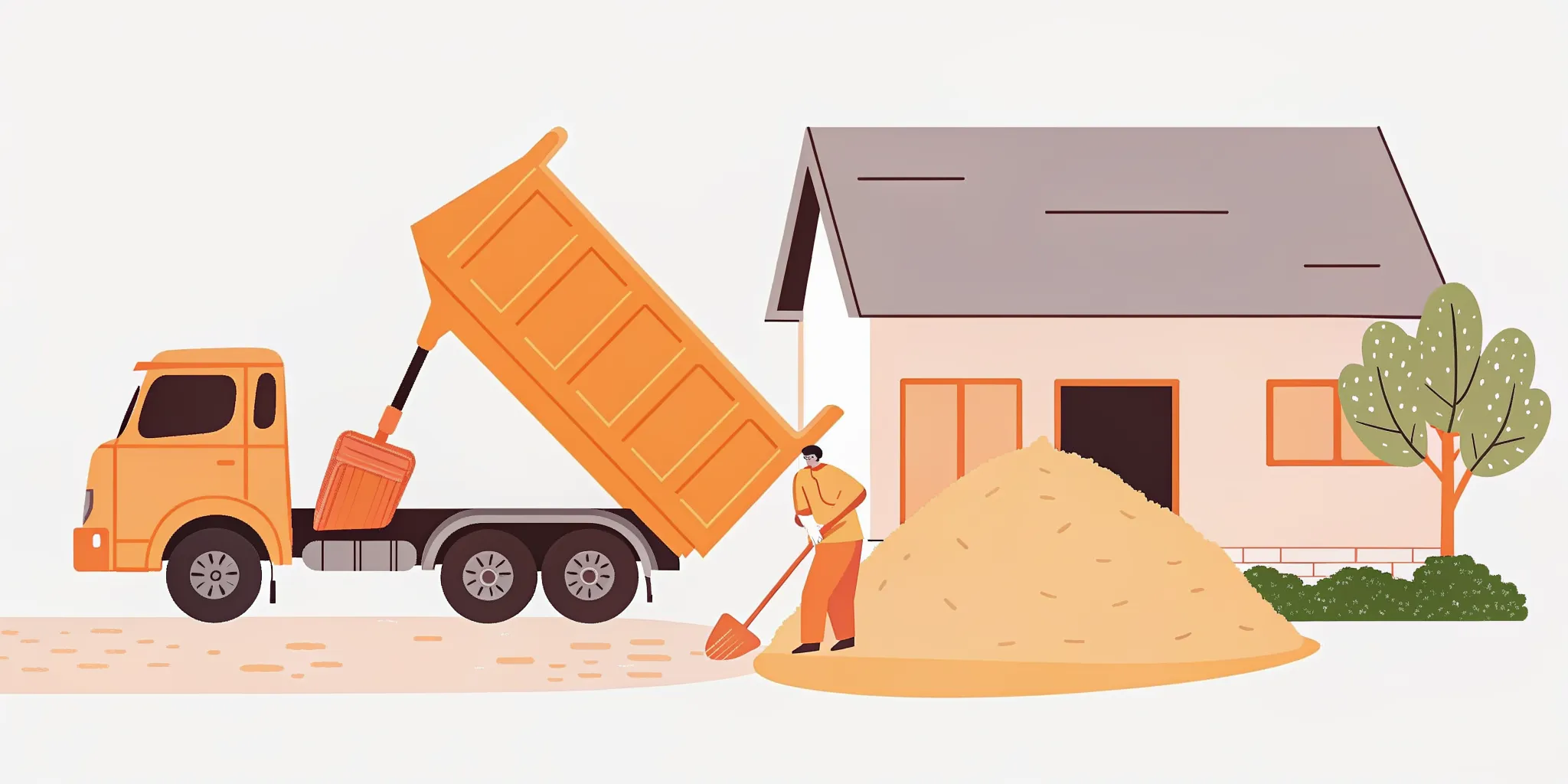
Few things can derail a weekend project faster than running out of a key material halfway through. On the other hand, over-ordering leaves you with a leftover pile of sand and a lighter wallet. When it comes to bulk materials, getting the quantity right is a common stumbling block for many homeowners and landscapers. Fortunately, a little bit of planning is all it takes to avoid these mistakes. From accurately measuring your space to using simple tools to calculate your needs, we’ll show you how to order the perfect amount. This guide will ensure your masonry sand delivery is just right, saving you time, money, and frustration.
Key Takeaways
- Understand the material: Masonry sand's fine, uniform grains create stronger mortar and a smoother base for pavers, making it essential for professional-looking hardscaping projects.
- Plan your order carefully: Accurately calculate your needs by measuring your space and using a volume calculator. When comparing suppliers, always ask for an itemized quote that includes delivery fees to avoid unexpected costs.
- Prepare for delivery and storage: Ensure the delivery truck has a clear path to your drop-off spot. Once the sand arrives, inspect it for quality and keep the pile covered with a tarp to protect it from rain and debris.
What Is Masonry Sand, Anyway?
If you’ve ever admired a perfectly smooth brick patio or a stone wall with clean, tight joints, you’ve likely seen masonry sand in action. Often called mason sand or mortar sand, it’s a very fine, clean sand that’s a go-to for all sorts of building and landscaping projects. Think of it as the unsung hero of hardscaping, providing the stable, reliable base that makes beautiful projects last.
So, what makes it special? Masonry sand starts its life as larger rocks, like granite, quartz, or limestone. These rocks are crushed down in a quarry and then put through a rigorous washing and screening process. This is a critical step that removes dust, clay, large particles, and other impurities. The result is a batch of uniform, smooth grains that are consistent in size and texture. This careful process is what gives masonry sand its signature fine quality and ensures you get a reliable product every time, which is exactly what you need for professional-looking results.
The fine, clean nature of the sand is essential for its most common job: creating mortar. When mixed with cement and water, it forms a pliable, buttery paste that’s easy to spread between bricks or stones. Unlike coarser sands, its tiny, uniform grains allow the cement to create a powerful bond, resulting in strong, durable joints that resist cracking. Whether you're laying a foundation for a new walkway or building a backyard fire pit, using the right sand is a critical first step. When you're ready to start your project, you can find high-quality masonry supplies to get the job done right.
Common Uses in Construction and Masonry
In the world of construction, masonry sand is most famous for its role in creating mortar. When you mix it with cement and water, its fine texture creates a smooth paste that’s easy to work with. This mortar is the "glue" that holds bricks, blocks, and stones together in everything from walls and chimneys to patios and walkways. The uniform grains allow for a really strong bond and a clean finish, which is why masons and contractors rely on it for projects that need to be both durable and beautiful.
Its Role in Landscaping and Hardscaping
Masonry sand isn't just for construction; it’s also a superstar in the yard. Because it’s so fine and drains well, it’s perfect for creating a level base for pavers and patio stones. You can also use it to fill the joints between stones, which helps lock them in place and prevent weeds from popping up. Beyond hardscaping, it can be mixed into garden soil to improve drainage for plants that don't like wet feet. Some people even use a light layer to protect their lawn grass during the winter. It’s one of the most versatile landscape supplies you can have on hand.
What Makes It Different from Other Sands?
Not all sand is created equal, and the main difference comes down to grain size and cleanliness. Compared to something like concrete sand, which is much coarser and has larger particles, masonry sand is noticeably finer and smoother. This finely washed quality is what makes it ideal for mortar, as it creates a stronger, more pliable mix. While coarse sand is great for providing bulk and strength in a concrete slab, you’d never want to use it for bricklaying. The fine texture of masonry sand ensures a tight, professional joint every time, giving your projects a polished look that coarser sands just can't match.
Breaking Down Masonry Sand Delivery Costs
Figuring out the budget for your project means looking beyond the sticker price of the sand. The total cost includes the material itself, the delivery fee to get it to your site, and how much you need to order at once. It’s a bit like ordering takeout; the price of the food is just one part of the final bill. Understanding each component helps you plan accurately and avoid any last-minute surprises. When you get a quote, you want to be sure it covers everything from the quarry to your curb.
At Organic Recycling, we believe in transparent pricing for all our masonry supplies. We’ll walk you through the costs so you know exactly what you’re paying for. Let’s break down what goes into the final price of a masonry sand delivery.
Typical Price Per Ton
The price of masonry sand can vary depending on your location and the supplier, but it’s helpful to have a general idea. You’ll often see it priced per ton (weight) or per cubic yard (volume). It’s important to ask which measurement a supplier is using so you can accurately compare quotes. While prices fluctuate, getting a quote directly from a local supplier is the best way to get a precise number for your area. This base price covers the high-quality, properly screened sand your project needs to succeed. It ensures you're starting with the right foundation for a durable, professional-looking result, whether you're laying bricks or creating a patio base.
Factoring in Delivery Fees
Unless you have a dump truck handy, you’ll need to factor in delivery costs. This fee covers getting the sand from the supplier’s yard to your project site. The cost typically depends on your distance from the supplier and the quantity of sand you’re ordering. Before you place an order, make sure your location is within the company’s delivery service area. Always ask for the delivery fee to be itemized in your quote. This way, you get a clear picture of the total investment and can avoid any unexpected charges on the final invoice. A clear breakdown helps you manage your budget effectively.
Bulk Pricing and Minimum Orders
Suppliers that deliver bulk materials usually have a minimum order requirement. This is because it’s not cost-effective to send a large truck out for a very small amount of sand. Be sure to ask about minimum quantities when you call for a quote. Ordering in bulk is almost always the most economical choice for larger projects. If you’re not sure exactly how much you need, a good volume calculator can be a lifesaver. For smaller jobs or sites with tricky access, ask about options like bulk bags, which can be a convenient and tidy alternative to a loose pile of sand.
How to Choose the Right Masonry Sand Supplier
Finding the right masonry sand supplier is about more than just a good price. The quality of your materials and the reliability of your delivery partner can make or break your project. When vetting suppliers, focus on three key areas: the quality of their sand, their delivery process, and their service area. Getting these details right from the start saves you from headaches and ensures your project goes smoothly.
Look for High-Quality Sand
The success of your project starts with your materials. Masonry sand is a versatile product, often described as a mix between white sand and concrete sand, making it ideal for everything from mortar and paver joints to sandboxes. A reputable supplier provides sand that is clean, fine, and uniformly graded. Don't hesitate to ask where they source their sand and what their screening process looks like. Using low-quality sand with debris or inconsistencies can weaken your mortar and ruin the appearance of your hard work. For a reliable foundation, always start with premium masonry supplies.
Verify Their Delivery Capabilities
A great product is only useful if it arrives when and where you need it. Reliability is essential when choosing a sand delivery company, as you need to trust they will meet schedules and provide the correct quantity. Before placing an order, look into the company’s delivery process. Do they offer different truck sizes to accommodate your property? Can they provide a clear delivery window? Check their website for delivery information and read customer reviews to get a sense of their track record. A dependable supplier is transparent about their logistics and works with you to ensure a hassle-free drop-off.
Consider the Supplier's Service Area
Choosing a local supplier offers major advantages. Sourcing materials like sand and stone locally often means you get a better product at a lower price, since transportation costs are reduced. It also means you can count on faster, more flexible delivery, which is crucial for keeping your project on schedule. A local company understands the area and can handle regional delivery challenges with ease. Make sure any supplier you consider explicitly lists your town in their delivery service area. Working with a local partner ensures you have a team nearby that’s invested in getting you what you need.
How to Order the Perfect Amount of Sand
Getting the right amount of sand for your project is a balancing act. Ordering too little means delays and extra delivery fees, while ordering too much leaves you with a pile of sand you don't need. The good news is that a little planning is all it takes to get it just right. By taking a few simple measurements and using the right tools, you can place your order with confidence and keep your project on schedule and within budget.
Measure Your Project Area
First things first, grab a tape measure. You’ll need to determine the length and width of the area you plan to fill, whether it’s a patio base, a sandbox, or the joints between pavers. Multiply these two numbers to get the total square footage. Next, decide on the depth you need, which for most projects is between two and four inches. While you’re measuring, take a moment to assess your property. Make sure the path to your drop-off spot is clear of any obstacles like low-hanging branches or parked cars. This ensures a smooth delivery process and prevents any potential damage to your yard or driveway when the truck arrives.
Calculate Your Coverage Needs
Once you have your measurements, you can figure out how much sand you’ll need. A good rule of thumb is that one ton of masonry sand covers about 100 square feet at a two-inch depth. If you’re thinking in cubic yards, one cubic yard typically covers around 108 square feet at a three-inch depth. Instead of doing the math by hand, you can use an online tool to get a precise estimate. Our handy volume calculator does the work for you; just plug in your project’s dimensions, and it will tell you exactly how much sand to order. This takes the guesswork out of the equation and helps you buy only what you need.
Avoid These Common Ordering Mistakes
A few common slip-ups can complicate your project, but they’re easy to avoid. The biggest mistake is simply guessing the quantity instead of measuring and calculating. This often leads to running out of sand mid-project or overspending on material you won’t use. Another frequent error is waiting until the last minute to place an order. High-quality masonry supplies can be in high demand, especially during peak landscaping season. Ordering ahead of time ensures you get what you need when you need it, preventing unnecessary stress and keeping your project timeline intact. A little forethought goes a long way in making sure everything runs smoothly from start to finish.
What to Expect on Delivery Day
The big day is here, and your masonry sand is on its way. A little bit of planning can make the entire process seamless, from the truck pulling up to your property to the final sign-off. Knowing what to expect and how to prepare will help you avoid any last-minute hiccups and get your project started on the right foot. Here’s a simple breakdown of what to do before, during, and right after your sand arrives.
Prepare Your Site for a Smooth Drop-Off
Before the delivery truck arrives, take a walk around your property to ensure the truck has a clear path to your drop-off spot. Check for obstacles like low-hanging tree branches, parked cars, or narrow gates that could make access difficult. It’s a good idea to choose a specific spot for the sand pile and lay down a tarp to make cleanup easier and protect the material. A flat, stable surface is best, as it helps prevent the truck from getting stuck on softer ground. For more details on truck sizes and clearance, check out our delivery information.
Schedule Your Delivery
Coordinating your delivery is key to a stress-free experience. When you place your order, we’ll work with you to find a convenient delivery window. If possible, try to be home when the sand arrives. This allows you to guide the driver to the exact drop-off location and address any questions on the spot. Before finalizing the schedule, double-check your order details to confirm you have the right type and amount of sand. Planning your delivery for a clear, dry day is also smart, as it helps keep your sand ready for use. You can contact our team to get everything set up.
Inspect the Sand When It Arrives
Once the truck has dropped off your sand, take a moment to inspect it before the driver leaves. You want to make sure you received exactly what you ordered. Check the quality of the sand to ensure it meets your project’s needs. Look for a consistent texture and color, and make sure it’s free from large rocks, debris, or other contaminants. If you received a sample, compare it to the delivered product. If something doesn’t look right, speak with the driver and get in touch with us immediately. We stand by the quality of our masonry supplies and want you to be completely satisfied.
Storing and Using Your Masonry Sand
Once your masonry sand arrives, your job is to keep it in great condition until the project is done. Proper storage and handling are just as important as ordering the right product. Taking a few simple steps will protect your investment, prevent waste, and ensure your project has a professional, long-lasting finish. Think of it as setting yourself up for success from the moment the delivery truck pulls away.
Proper Storage to Maintain Quality
To keep your masonry sand clean and effective, you’ll want to protect it from the elements. Find a dry, level spot for your sand pile and cover it with a tarp. This simple step prevents rain from washing it away and keeps it from getting soggy, which can affect your mortar mix. It also stops leaves, dirt, and other yard debris from getting mixed in. Contaminants can compromise the integrity of your masonry work, so keeping your sand pile pure is key. A clean storage area ensures the sand you use in your project is the same high quality as it was when it arrived.
Best Practices for Mixing and Application
Before you even start mixing, make sure you have enough sand for the job. It’s a common oversight that can bring your project to a halt. You can easily calculate your needs to avoid ordering too little or too much. When you’re ready to mix, add water gradually until you reach the desired consistency for your specific project, whether it’s for mortar or a paver base. Also, remember to plan for your delivery. Ensure the truck has clear access to your property. If access is tight, we can work with you on a plan to get the materials exactly where you need them.
How to Prevent Contamination and Waste
Preventing waste starts with ordering the right amount, but it continues with smart handling on-site. Designate a specific spot for your sand, away from other bulk materials like mulch or topsoil, to avoid cross-contamination. When you take sand from the pile, try to work from one side to keep the area tidy and minimize loss. Keeping your sand covered when not in use is the best way to protect it from contamination. These small habits prevent costly mistakes and ensure you get the most out of your masonry supplies, saving you from having to pause your project for a top-off order.
Related Articles
- Sand, Gravel, Stone Delivery
- Sand & Gravel — Sand, Gravel, Stone Delivery
- Bulk Mulch, Soils, Sand & Stone | Organic Recycling Inc.
- Sand, Stone, Gravel Delivery Near Me
- Masonry Supplies & Cambridge Pavers for Outdoor Projects
Frequently Asked Questions
What’s the real difference between masonry sand and concrete sand? Think of it in terms of texture. Masonry sand is much finer and has a smoother, more uniform grain because it goes through a thorough washing and screening process. This makes it perfect for creating a pliable mortar that spreads easily. Concrete sand, on the other hand, is coarser and contains larger, more angular particles, which is what you need to create strong, durable concrete slabs. Using the wrong one can really affect your project's strength and finish.
Can I use masonry sand for my kid's sandbox? Yes, you absolutely can. Because masonry sand is washed and screened to remove impurities, dust, and large particles, it's a clean and safe option for a sandbox. Its fine texture is soft and great for building sandcastles. It's a versatile product that works well for both your hardscaping projects and for creating a fun play area for your family.
Why is it so important for the sand to be "washed"? The washing process is what separates high-quality masonry sand from a basic pile of sand. Washing removes silt, clay, and other fine debris that can weaken the bond between the sand and cement in a mortar mix. A clean, washed sand ensures you get a strong, durable mortar that resists cracking and looks professional. It’s a critical step that guarantees the quality and consistency of the material.
Is it more cost-effective to get sand delivered or buy it in bags? For any project larger than a small repair, getting a bulk delivery is almost always the more economical choice. While buying a few bags from a hardware store might seem convenient for a tiny patch job, the cost per pound is significantly higher. When you need a substantial amount for a patio base or a large masonry project, a bulk delivery saves you money and the hassle of hauling dozens of heavy bags yourself.
What should I do if I can't be home for the delivery? It's always best if you can be there, but we understand that's not always possible. If you can't be home, the most important thing is to provide clear, detailed instructions when you place your order. Mark the exact drop-off spot with a tarp, cones, or even a lawn chair. This helps our drivers place the material precisely where you need it and ensures a smooth, hassle-free delivery even when you're away.