
The 6 Best Grass Seeds for Full Sun and Drought
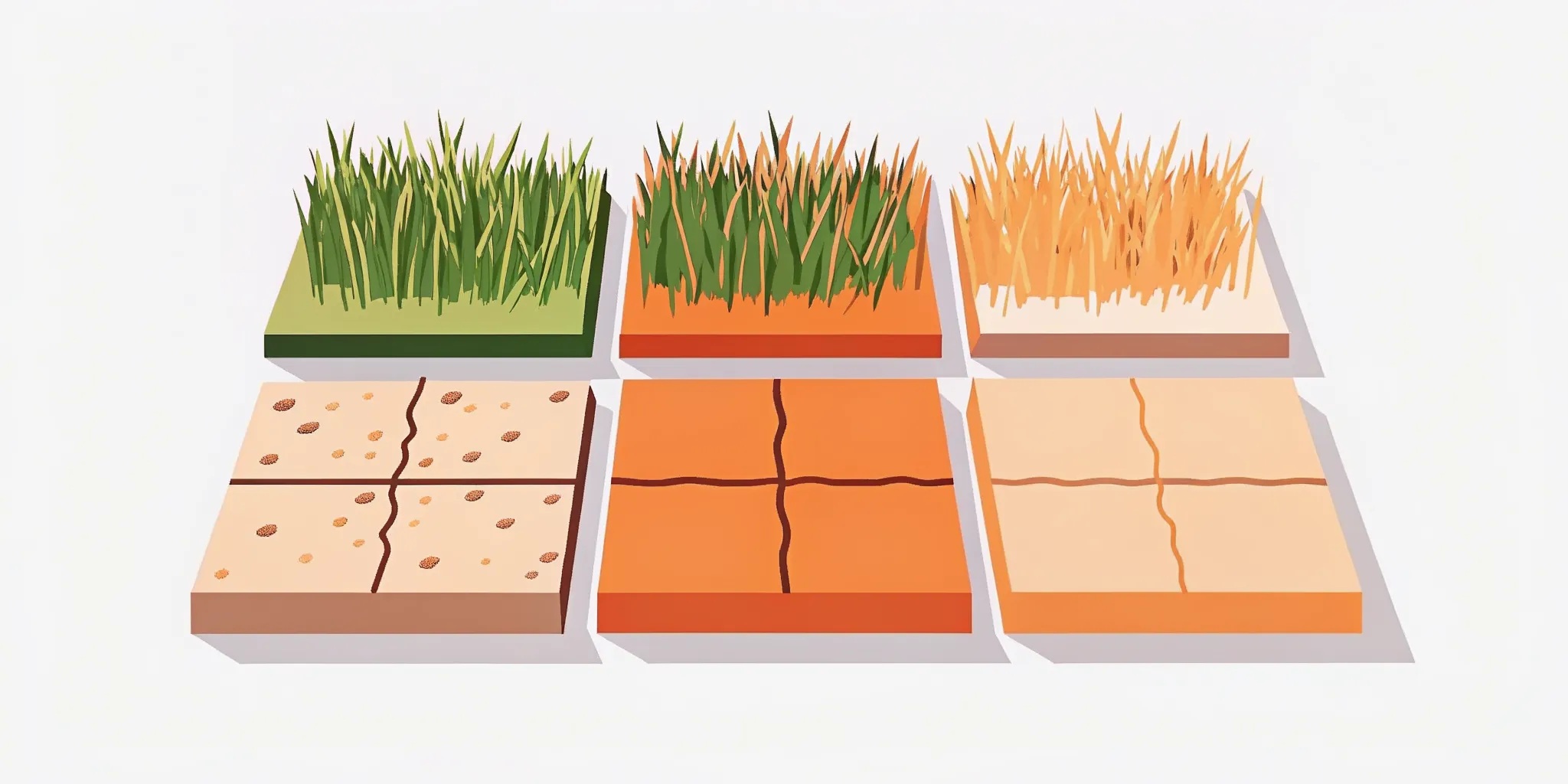
Keeping a lawn green through the hottest, driest parts of a Northeast summer can feel like a constant, losing battle. You water, you fertilize, but those sunny spots still turn brown and crispy. The truth is, a beautiful lawn doesn't start with more water; it starts with smarter choices. The secret is planting grass that is naturally built to handle the heat. This guide is your roadmap to a more resilient, low-maintenance yard. We'll explore the specific traits that make certain grasses thrive in tough conditions and help you find the best grass seed for full sun and drought. You can achieve a lush, green lawn that works with our climate, not against it.
Key Takeaways
- Focus on deep-rooted grasses: The secret to a drought-proof lawn isn't just more water; it's choosing a grass like Turf-Type Tall Fescue that grows deep roots to find moisture on its own.
- Choose a seed that fits your yard and lifestyle: Your lawn's success depends on matching the seed to your specific conditions, so consider your local climate, soil health, and how much time you want to spend on upkeep.
- Proper planting is key to resilience: Even the best seed needs a strong start, so prepare your soil with quality compost, water new seeds consistently, and mow high during the first year to build a tough, healthy lawn.
What Makes a Grass Seed Drought-Resistant?
Ever feel like you’re fighting a losing battle to keep your lawn green through the hottest, driest parts of summer? The secret isn’t just more watering; it’s starting with the right grass seed. Drought-resistant grasses aren’t magic, they’re just naturally equipped with a few key survival skills that help them thrive when the weather gets tough. Understanding these traits will help you choose a seed that works with your climate, not against it.
The most important feature is a deep root system. While some grasses have shallow roots that stay near the surface, drought-tolerant varieties send roots down several feet into the ground. These deep roots can tap into moisture that other grasses can't reach, acting as a built-in reservoir during dry spells. This is the primary reason they stay greener longer without constant watering. A healthy lawn with deep roots is much more self-sufficient and resilient against environmental stress.
Beyond their impressive roots, these grasses are also incredibly efficient with water. They are simply better at absorbing and retaining the moisture they get. Many varieties also have a clever defense mechanism: dormancy. When a drought becomes severe, they might turn brown and stop growing to conserve energy and water. They aren't dead, just sleeping. Once the rains return, they green right back up. This ability to endure periods of stress makes them a smart, low-maintenance choice for sunny yards. When you select the right seed & fertilizer, you’re setting your lawn up for long-term success.
Best Warm-Season Grasses for Sunny, Dry Lawns
If your lawn feels more like a sun-baked patch of dirt than a lush oasis during the summer, a warm-season grass might be exactly what you need. These grasses are true summer lovers. They grow most actively when temperatures are high, typically between 80 and 95 degrees Fahrenheit. This means they thrive in the heat and direct sun that can cause other grass types to wither and turn brown. While they do go dormant and turn a tan color after the first frost, their performance during the hottest months is unmatched.
Choosing a warm-season grass is a smart move for creating a resilient, low-water lawn in the right climate. They are known for their deep root systems that can find moisture far below the surface, making them naturally drought-tolerant. This translates to less time spent watering and more time enjoying your yard. If you're looking for a tough grass that can handle summer stress with ease, consider one of these top performers. We carry a variety of premium seed & fertilizer options to help you get started on the right foot. Let’s look at three of the best warm-season grasses for sunny, dry spots.
Bermudagrass: The Heat Champion
Think of Bermudagrass as the athlete of the grass world. It’s tough, grows quickly, and recovers from wear and tear in record time, making it a fantastic choice for sunny lawns that see a lot of action from kids or pets. This grass variety absolutely loves the sun and establishes itself aggressively, which helps it outcompete weeds. Its most celebrated quality is its excellent drought and heat tolerance, allowing it to stay green and vibrant even during scorching summer heatwaves. While it requires regular mowing during its peak growing season, its durability makes it a go-to for a beautiful, resilient lawn in the hottest climates.
Buffalograss: The Water-Wise Native
If a low-maintenance lawn is your ultimate goal, Buffalograss is your answer. As a North American native, it’s naturally adapted to thrive in sunny, dry conditions with minimal intervention. This grass is incredibly water-wise and can get by with very little supplemental watering once established. Buffalograss is also a slow grower, which means you’ll spend a lot less time mowing. In fact, many homeowners find it needs very little care at all. Its fine texture and soft, gray-green color give it a unique, prairie-like look that stands out. For a truly hands-off approach to a sunny yard, Buffalograss is hard to beat.
Zoysia: The Dense, Durable Option
Zoysia grass is known for forming a thick, dense carpet of turf that feels wonderful underfoot. It’s a tough grass that stands up well to heat and can handle periods of drought like a champ. While it takes a bit longer to establish, its slow and steady growth is a plus for maintenance, as it requires less frequent mowing than Bermudagrass. Zoysia’s density is one of its best features, as it naturally chokes out weeds, leaving you with a clean, uniform lawn. It’s a great choice for sunny spots and creates a durable, beautiful surface that can handle foot traffic while conserving water.
Best Cool-Season Grasses for Sunny, Dry Lawns
Cool-season grasses are the go-to choice for lawns in the Northeast, since they grow most actively during the cool weather of spring and fall. While many types struggle in the summer heat, several varieties are specifically bred to handle sunny, dry conditions. These grasses have features like deep root systems that help them stay green without constant watering. For anyone living in New Jersey, New York, or Connecticut, picking the right drought-tolerant, cool-season grass is the secret to a beautiful, resilient lawn. Let’s look at three top performers that can take the heat.
Turf-Type Tall Fescue: The Versatile Performer
This grass is a true workhorse for sunny lawns. What makes Turf-Type Tall Fescue so tough is its incredibly deep root system, which can reach several feet into the ground to find moisture when the surface is dry. This quality makes it exceptionally drought-tolerant. It also maintains a nice, dark green color and holds up well to foot traffic from kids and pets. Because it's so adaptable, it performs well across our region's varied conditions. If you're looking for a durable, low-water lawn that stays green through the summer, this is one of the best seed & fertilizer options you can choose.
Fine Fescue: The Low-Maintenance Solution
If you want a beautiful lawn without a ton of work, Fine Fescue is your friend. This group of grasses, which includes Creeping Red, Chewings, and Hard Fescue, has a delicate texture and is known for its low-maintenance needs. It doesn't require much fertilizer and is surprisingly drought-tolerant. When water is scarce, it has a clever survival strategy: it goes dormant, turning a bit brown, but bounces right back to green as soon as it rains. It's also one of the more shade-tolerant options on this list, making it great for yards with a mix of sun and trees. It's a perfect fit for homeowners who prefer a more hands-off approach to their landscape supplies.
Kentucky Bluegrass: The Deep-Rooted Survivor
Kentucky Bluegrass is what many people picture when they think of a perfect lawn: dense, lush, and beautifully green. While it has a reputation for being thirsty, modern varieties have been bred for much better drought resistance, developing deeper roots to withstand dry spells. Its best feature is its ability to spread and self-repair. Thanks to underground stems called rhizomes, it can quickly fill in bare patches, making it great for active families. For the best results, establish it in high-quality soil to encourage deep root growth. A good layer of delivered topsoil can make all the difference in helping it thrive through a hot summer.
A Look at Top Drought-Resistant Brands
Once you’ve decided on the type of grass that fits your yard, the next step is picking a quality brand. This might seem like a small detail, but the brand you choose matters a great deal. It affects everything from germination rates and the purity of the seed to the specific cultivars included in the mix. High-quality brands invest in research to develop grass varieties that are more disease-resistant, greener, and, most importantly for us, better at handling drought. Some brands specialize in creating blends that are particularly suited for tough conditions, combining different grass types to create a more resilient and beautiful lawn. Think of it like baking: you can have a great recipe, but the quality of your ingredients makes all the difference in the final result.
We’ll look at a few trusted names in the grass seed world. These brands have earned a reputation for performance, especially when it comes to standing up to heat and drought. From locally curated blends designed for our specific climate to nationally recognized names you might see at any garden center, each offers something unique for homeowners and landscapers looking to establish a hardy, low-water lawn. Exploring these options will help you find the perfect match for your specific lawn care goals, soil type, and local weather patterns, so you can invest your time and money wisely.
Organic Recycling's Premium Seed Selection
Choosing the right drought-tolerant grass can help you keep a green lawn even when it's hot and dry. We take the guesswork out of this process by offering premium seed and fertilizer blends specifically chosen for our region's challenging climate. Our selection focuses on high-performance varieties that establish quickly and develop deep roots, which is your lawn's best defense against drought. By starting with a high-quality, locally-suited seed mix, you’re setting your lawn up for long-term success and reducing the need for constant watering and maintenance down the road. It’s the foundational step for a truly resilient yard.
Jonathan Green Black Beauty
If you’re looking for a lawn that can handle serious heat, Jonathan Green’s Black Beauty series is a fantastic option. Their Heat and Drought mix is specially formulated to withstand temperatures up to 100°F and requires less water than many other varieties. The secret is in the waxy coating on the grass blades, which is similar to the skin on an apple. This natural coating helps the grass retain moisture, keeping it greener and healthier during those long, dry summer spells. This makes it an excellent choice for homeowners who want a lush, dark-green lawn that won’t give up when the temperatures soar.
Scotts Turf Builder Varieties
Scotts is a household name for a reason, and their Turf Builder grass seed mixes are known for their reliability. The Heat-Tolerant Blue® Mix for Tall Fescue Lawns is particularly impressive because it not only endures heat and drought but also recovers quickly from stress. What makes it stand out is its ability to spread and fill in thin or worn-out patches on its own. This self-repairing quality is a game-changer for lawns that see a lot of activity from kids, pets, or summer parties. If you want a resilient lawn that can bounce back from both environmental stress and everyday use, this is a solid choice.
Mountain View Seeds Drought Defy Mix
Sometimes the best vote of confidence comes from other people who have used a product and loved the results. Mountain View Seeds’ Drought Defy mix consistently gets positive feedback from homeowners who say it’s easy to use and grows well, even in difficult conditions. This blend is known for its strong performance in sunny, dry areas where other seeds might struggle. Its reputation for being user-friendly and effective makes it a great pick for anyone, whether you’re seeding a lawn for the first time or you’re an experienced gardener looking for a dependable product that delivers on its promises.
Comparing Your Options: Price vs. Performance
Choosing the right grass seed isn't just about picking a name off a bag; it's an investment in your lawn's future. When you're standing in the aisle or browsing online, it’s easy to get stuck comparing options. The key is to look beyond the initial price tag and consider what you’re really getting for your money. A slightly higher upfront cost for a premium seed blend can save you a lot of time, water, and frustration down the road. Think about performance factors like how much water the grass will need, how quickly it establishes, and how it will hold up over the years. This approach helps you find the best value, not just the best price.
Breaking Down the Cost
It can be tempting to grab the cheapest bag of grass seed, but price is often a direct reflection of quality. As a general rule, more expensive seeds tend to be of better quality. Cheaper options might contain fewer desirable grass seeds, a higher percentage of weed seeds, or older seeds with a lower germination rate. Investing in a premium seed and fertilizer blend means you're paying for purity, performance, and a higher likelihood of success. You'll get a lawn with better color, texture, and resilience, which means less money spent on troubleshooting problems later.
Water Needs and How Fast It Grows
Different grass types have very different needs. For sunny, dry spots, you want a seed that establishes deep roots quickly. Turf-Type Tall Fescue, for example, is great at handling heat and dry spells because its roots reach deep into the soil for moisture. Bermudagrass is another champion of drought tolerance, growing fast and recovering quickly from dry periods. When comparing seeds, check the label for these varieties. Some mixes are specifically designed to thrive with less water, which is perfect if you have a busy schedule and can't always get the sprinkler out.
Long-Term Results and Reviews
A great lawn is one that stays healthy year after year. When choosing a seed, think about long-term performance. How well does it resist common lawn diseases like brown patch? How does it handle foot traffic from kids or pets? Reading customer reviews can give you real-world insight into how a seed mix performs in challenging conditions. Look for comments on durability, color, and disease resistance. A seed that gets glowing reviews for its hardiness is likely a solid choice for a beautiful, low-fuss lawn that will last for years to come.
Choosing the Right Seed for Your Yard
Picking the right grass seed is the first step toward a lawn you can be proud of, especially when you're dealing with lots of sun and little rain. It’s easy to feel overwhelmed by all the options, but it really comes down to three key things: your local climate, your soil’s health, and how much time you want to spend on upkeep. Think of it like a simple checklist. By matching the seed to your specific conditions, you set yourself up for a lush, green lawn that can handle the summer heat without demanding constant attention.
Before you buy, take a moment to think through these factors. A little planning now saves you from frustration later and ensures the seed and fertilizer you invest in has the best possible chance to thrive. Let’s walk through what you need to consider to make a confident choice for your yard.
Consider Your Climate and Region
The most important factor in choosing grass seed is your location. A seed that flourishes in Florida will struggle in New Jersey. Since our service area covers the Northeast, we focus on cool-season grasses. These varieties are built for our climate: they can handle cold winters and still perform well during hot, dry summers. When you see "drought-tolerant" on a bag of cool-season grass seed, it means the grass has deep roots that can find moisture when the summer sun is beating down. Look for grasses like Turf-Type Tall Fescue and Kentucky Bluegrass, which are proven performers in our region.
Test Your Soil Type and pH
You wouldn't build a house on a shaky foundation, and the same logic applies to your lawn. Your soil is the foundation for your grass. Before you even think about seeding, it’s a great idea to test your soil’s pH. A simple test kit can tell you if your soil is too acidic or alkaline, which can prevent grass from absorbing vital nutrients. If your soil isn't in the ideal range (usually between 6.0 and 7.0), your new seed will struggle no matter how much you water it. Once you know your soil's needs, you can easily amend it with high-quality topsoil or compost to create the perfect environment for healthy growth.
Match Your Maintenance Style
Be honest with yourself: are you someone who enjoys spending Saturday mornings tending to the lawn, or do you prefer a more hands-off approach? Your answer will help you choose the right seed. Some grass varieties, while beautiful, require more frequent mowing, watering, and fertilizing to stay in top shape. Others are much more forgiving. If you want a tough lawn for kids and pets to play on with minimal fuss, a hardy fescue blend might be perfect. If you’re aiming for that perfect, carpet-like look and don’t mind the extra work, a variety of Kentucky Bluegrass could be a better fit.
How to Plant and Grow a Drought-Tolerant Lawn
Choosing the right seed is the first step, but giving it the right start is what truly sets your lawn up for success. A little prep work and consistent care in the beginning will pay off with a lush, resilient lawn that can handle those hot, dry summer days. By focusing on healthy soil, smart watering, and proper first-year maintenance, you’ll help your new grass develop the deep, strong roots it needs to thrive for years to come. Let’s walk through how to get it done.
Prep Your Soil and Time Your Seeding
Great lawns start with great soil. Before you even open the bag of seed, it’s a good idea to understand what you’re working with. A simple soil test can tell you about your soil’s pH and nutrient levels, so you know exactly what it needs. For new lawns, spreading a layer of nutrient-rich topsoil or compost is one of the best things you can do. This organic matter improves the soil structure and helps the new seeds make good contact, which is essential for germination. Plan to sow your seeds in the fall or spring, when cooler temperatures give the grass a chance to establish without the stress of summer heat.
Create a Watering Schedule for New Growth
Once your seeds are down, water is their best friend. For the first few weeks, your goal is to keep the top layer of soil consistently moist but not waterlogged. A good rule of thumb is to water lightly twice a day for about five to ten minutes each time. This gentle approach prevents the seeds from washing away and gives them the steady moisture they need to sprout. You’ll want to continue this daily routine until the new grass blades are about two inches tall. Keep an eye on the weather; on especially hot or windy days, you might need to water a little more to keep the soil from drying out.
First-Year Care Tips for a Strong Lawn
That first year is all about building strength. When it’s time for the first mow, wait until the grass is at least three inches tall, and never cut off more than one-third of the blade at a time. Mowing too short can stress the young grass and weaken its root system. A taller cut encourages deeper roots, which is exactly what you want for a drought-tolerant lawn. Keep an eye out for any thin or discolored patches and address them quickly. Applying a quality seed & fertilizer blend can give your new lawn the nutrients it needs to grow thick and healthy, crowding out weeds and preparing it for its first summer.
Where to Find the Best Grass Seed
Once you’ve picked the right type of grass for your sunny, dry yard, the next step is finding a quality source. Where you buy your seed can make a big difference in the health and success of your lawn. You want to find a supplier that offers high-performance seed that hasn’t been sitting on a shelf for months. It’s worth looking at a few options, from specialized local suppliers to larger retailers, to find the best fit for your project and budget.
Get Premium Seed Delivered from Organic Recycling
If you’re in the New Jersey, New York, or Connecticut area, your best bet is to work with a local expert. We offer a curated selection of premium seed and fertilizer specifically chosen to thrive in our regional climate. Sourcing from a dedicated landscape supplier means you get high-quality, professional-grade seed that you won’t find at a big-box store. Plus, you can skip the hassle of lugging heavy bags home. Our convenient delivery service brings everything you need right to your driveway, so you can focus your energy on prepping your lawn for its beautiful new start. It’s the easiest way to ensure you’re planting the best possible seed for your yard.
Comparing Local Nurseries and Online Retailers
When you’re shopping around, you’ll find that local garden centers and nurseries are great for getting personalized advice. The staff can often provide tips specific to your neighborhood’s soil and climate conditions. On the other hand, large home improvement stores offer convenience and are easy to find, but their selection might be more generic. Online retailers provide a massive variety, but it can be tough to verify the quality and freshness of the seed. You also miss out on that local expertise. That’s why a specialized supplier often gives you the best of both worlds: expert-backed products and a straightforward purchasing process.
Understanding Bulk and Delivery Options
For larger lawn projects, like starting from scratch or overseeding a big area, buying in bulk is the most cost-effective way to go. You’ll get a much better price per pound compared to buying small bags from a retail store. Many people don’t realize that you can get bulk bags of seed, just like you can with mulch or topsoil. This saves you from making multiple trips to the store and ensures you have enough seed to get the job done right. If you’re not sure how much you need, a volume calculator can be a huge help in planning your purchase and avoiding waste.
Related Articles
- How to Choose the Best Grass Seed for Your Lawn
- Seed and Fertilizer Blends & Lawn Fertilizer Online
- 5 Best Grass Seed for NJ Lawns (2026 Guide)
- Find the Best Grass Seed Blend for Your Lawn
Frequently Asked Questions
When is the absolute best time to plant this type of grass seed in the Northeast? For our region, early fall is the gold standard for planting cool-season grasses. The soil is still warm from the summer, which helps the seeds sprout quickly, while the cooler air temperatures reduce stress on the new grass. This timing gives the lawn a long runway to establish strong roots before winter arrives. Your second-best window is in the spring, after the last frost but before the summer heat kicks in.
Can I just spread this seed over my existing, patchy lawn? Yes, you absolutely can. This process is called overseeding, and it's a great way to thicken up a thin lawn. For the best results, you should do a little prep work first. Rake the patchy areas thoroughly to remove any dead grass and loosen the soil. Spreading a very thin layer of compost or topsoil before you seed will give the new seeds a much better chance to take root and thrive.
How long will it take for my new drought-resistant grass to grow? Patience is key when growing a new lawn. You can typically expect to see the first sprouts appear within one to three weeks, depending on the specific seed mix and weather conditions. However, it takes a full growing season for the grass to become fully established and develop the deep root system that gives it its drought-tolerant quality.
Is a soil test really necessary before I plant? While you can certainly plant without one, a soil test takes out all the guesswork. Think of it as a check-up for your yard. The results tell you the pH level and if you're missing any key nutrients. Knowing this allows you to add exactly what your soil needs to grow healthy grass, which saves you from spending money on the wrong products and gives your new seed the best possible start.
Will a drought-tolerant lawn ever need to be watered? Yes, it will. "Drought-tolerant" means the grass is incredibly resilient and can survive periods of dryness far better than standard grass types, it doesn't mean it needs no water at all. During its first year, your lawn will need consistent watering to establish its deep roots. Once it's mature, it will require much less water, but it will still benefit from a deep watering during extended periods of heat and drought to stay healthy.