
Pros and Cons of Black Mulch: What You Need to Know
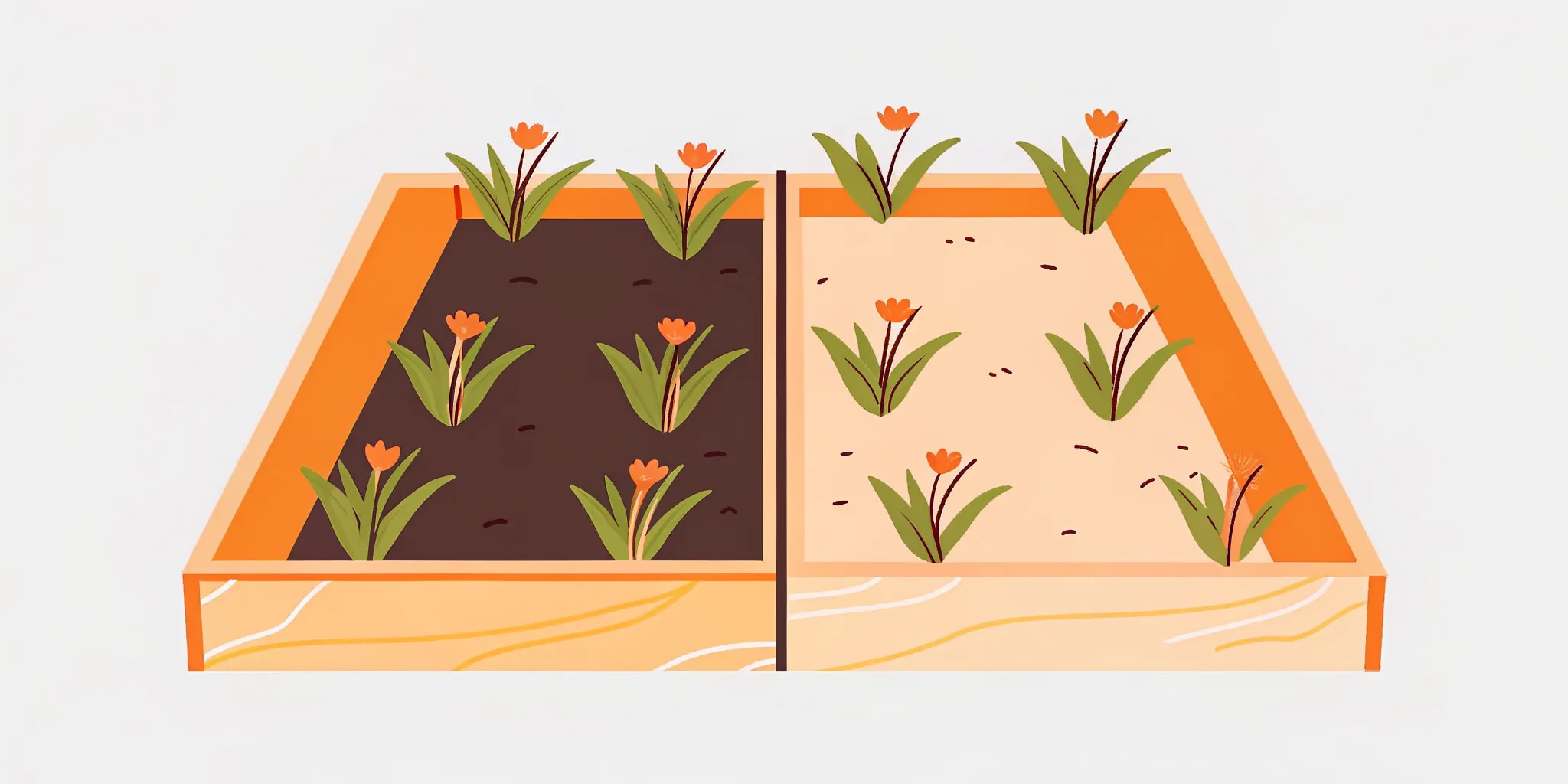
Have you ever wondered what actually makes black mulch black? That deep, rich color comes from a dye, and the quality of that dye—and the wood it’s applied to—makes all the difference. While it delivers a beautiful, uniform look, it’s smart to ask if it’s safe for your soil, your pets, and your plants. Some lower-quality products can contain questionable materials, while premium organic mulch uses non-toxic, carbon-based colorants. Understanding the source is the first step in weighing the pros and cons of black mulch. Here, we’ll explore what goes into a quality product and how it impacts your garden’s ecosystem, helping you choose wisely.
Key Takeaways
- Understand the trade-offs: While black mulch offers a striking look and warms soil in the spring, it can overheat plant roots in summer and requires a yearly refresh to maintain its deep color.
- Choose the right plants for the job: Black mulch is perfect for heat-loving plants like tomatoes and marigolds that benefit from warmer soil, but it can harm plants that prefer cooler conditions, like hostas and ferns.
- Source your mulch carefully: The quality of black mulch varies greatly, so to protect your garden, always choose a product made from clean wood and non-toxic dyes from a trusted supplier.
What Is Black Mulch (And What's It Made Of?)
Black mulch is a popular landscaping choice that gives garden beds a clean, polished look while helping plants thrive. But what exactly is it made of? The term "black mulch" can refer to a few different materials, so it's helpful to know what you're buying before you spread it around your precious plants. Generally, it falls into two main categories: organic and inorganic. Organic black mulch is typically made from natural wood products like shredded hardwood or bark chips that have been dyed black. Inorganic options, on the other hand, are often made from recycled rubber or plastic.
While both can cover your soil, their impact on your garden is quite different. Organic mulches break down over time, enriching the soil with valuable nutrients and improving its structure. Think of it as a slow-release meal for your garden. Inorganic mulches don't decompose, which means they last longer but offer no nutritional benefit to your plants. Understanding the source of your mulch is the first step in making sure you're giving your garden the best possible care. At Organic Recycling, we specialize in high-quality, organic landscape supplies that are safe for your plants and the environment, so you can feel confident about what you're putting in your yard.
Your Organic Options
When you choose organic black mulch, you're typically getting a product made from shredded wood, bark, or other natural materials. The deep, rich color comes from a dye, which in high-quality products is a non-toxic, carbon-based colorant, similar to charcoal, or an iron oxide. These dyes are designed to be safe for your soil, plants, pets, and local wildlife. As the wood fibers decompose, they add organic matter back into the earth, improving soil structure and fertility over time. This is the kind of mulch that works with your garden's ecosystem, not against it.
The Deal with Rubber Mulch
You might also see black mulch made from recycled rubber, often from old tires. While the idea of using recycled materials is appealing, rubber mulch has some significant downsides. It doesn't break down, so it won't improve your soil health. More importantly, as it weathers, it can leach chemicals and heavy metals into your soil and potentially contaminate groundwater. Over time, rubber can also break down into tiny pieces, contributing to microplastic pollution. For gardeners focused on creating a healthy, natural environment, these risks often outweigh the benefit of its longevity.
How to Choose a Quality Product
When shopping for black mulch, quality really matters. A reputable supplier will be transparent about what their mulch is made from. Look for products made from all-natural, virgin wood fiber rather than recycled pallets or construction debris, which could contain harmful chemicals like arsenate. The best dyed mulches use pet-safe and plant-safe colorants that won't harm your garden's ecosystem. We take pride in our process, using only high-quality, organic materials to create our mulch products, ensuring you get a beautiful and beneficial addition to your landscape.
Why Choose Black Mulch? The Key Benefits
If you're weighing your options, black mulch has some standout advantages that make it a popular choice for gardens of all kinds. From its stunning visual appeal to its practical benefits for plant health, here’s a closer look at why so many gardeners love it.
Creates a Striking, Modern Look
If you want your garden beds to truly pop, black mulch is a fantastic choice. Its deep, rich color creates a dramatic backdrop that makes green foliage look greener and vibrant flowers look even brighter. This contrast gives your landscape a clean, polished, and sophisticated appearance that works well with almost any home style, from modern to traditional. It’s one of the simplest ways to add instant curb appeal and make your garden look professionally designed. By defining the edges of your flower beds and walkways, black mulch provides a cohesive look that ties all your different landscape supplies together into a beautiful, unified design.
Keeps Weeds Under Control
Let's be honest, no one enjoys spending their weekends pulling weeds. Black mulch is a huge help in this department. By applying a thick layer (about two to three inches) over your garden soil, you create a physical barrier that blocks sunlight from reaching pesky weed seeds. Without sunlight, most weeds can't germinate, which means you’ll be doing far less weeding throughout the season. This not only saves you time and backache but also helps your plants thrive. With fewer weeds competing for water and essential nutrients, your flowers and shrubs get everything they need to grow strong. Getting a fresh mulch delivery is one of the best investments you can make for a low-maintenance garden.
Locks in Soil Moisture
Think of black mulch as a protective blanket for your soil. It helps to significantly slow down the evaporation of water from the soil surface, especially during hot, sunny, and windy days. This means the soil stays moist for longer, and your plant's roots have a steady supply of the hydration they need to flourish. For you, this translates to less time spent watering and potentially a lower water bill. It’s especially beneficial for new plantings that are still establishing their root systems. By pairing a quality mulch with nutrient-rich soil, you create the perfect environment for a healthy, resilient garden. Good soil delivery is the foundation, and mulch is the finishing touch that protects it.
Warms Soil for Early Planting
For those of us who can't wait to get our hands in the dirt each spring, black mulch offers a nice head start. Because dark colors absorb more sunlight, black mulch helps warm up the soil faster as the seasons change. This is a huge advantage in cooler climates like the Northeast, where the ground can take a while to thaw and become workable. By raising the soil temperature, you create a cozier environment for seeds to germinate and for young plants to establish their roots. This allows you to get a jump on the growing season, which is especially great for heat-loving vegetables and annuals. It’s the perfect partner for your new seed & fertilizer applications.
What Are the Downsides of Black Mulch?
While black mulch can make a stunning visual statement, it’s not the perfect fit for every garden. Before you commit, it’s smart to consider some of the potential drawbacks. From how it interacts with the sun to what gives it that dark color, there are a few things every gardener should know. Understanding these downsides will help you decide if black mulch is truly the right choice for your plants, your budget, and your long-term garden goals. Let's walk through the potential issues so you can make an informed decision.
Risk of Overheating Your Soil
Just like a dark t-shirt on a sunny day, black mulch absorbs a lot of heat. While this can be a benefit in the spring, it can become a problem during the peak of summer. The dark surface can get quite hot, raising the soil temperature to levels that may stress or even damage the delicate roots of your plants. This excess heat can be particularly tough on young seedlings and heat-sensitive plants, potentially stunting their growth. If your garden gets relentless, direct sun all day, the risk of overheating your soil is something to take seriously.
Fading Color Requires Upkeep
That rich, dramatic black color is one of the main reasons people choose this mulch, but unfortunately, it doesn’t always last. Continuous exposure to sunlight and rain can cause the color to fade over time, often turning it a dull gray or patchy brown. Cheaper, lower-quality mulches tend to fade much faster. To maintain that fresh, uniform look, you’ll likely need to rake the mulch periodically to expose the darker layers underneath or apply a fresh layer more often than you would with a natural, undyed mulch. This means a bit more maintenance and potential cost to keep your garden beds looking their best.
Are the Dyes Safe for Your Garden?
It’s a fair question: what exactly makes black mulch black? The color comes from dyes, and not all are created equal. Some lower-quality mulches may use dyes with unknown chemicals that could potentially leach into your soil over time. While most modern mulch dyes are considered safe for plants and pets, some gardeners report that very young or sensitive plants don't thrive when surrounded by freshly dyed mulch. To be safe, it’s always a good idea to source your landscape supplies from a reputable provider that uses high-quality, non-toxic colorants like carbon-based dyes.
The Higher Cost
Generally speaking, dyed mulches come with a higher price tag than their natural, undyed counterparts. The manufacturing process to color the wood chips adds an extra step, and that cost is passed on to the consumer. When you factor in that its color may fade faster, requiring more frequent top-offs, the long-term expense can be greater. Before making a final decision, it’s helpful to compare the cost per cubic yard. You might find that a classic, natural mulch gives you more value, especially if you have a large area to cover and are working within a specific budget.
How Black Mulch Affects Your Plants and Soil
Black mulch does more than just make your garden beds look sharp; it directly interacts with the soil and plants living there. Its dark color is the main driver behind its unique effects, influencing everything from soil temperature to moisture levels and even weed growth. When you spread a layer of black mulch, you're creating a protective blanket that can be incredibly helpful. It's fantastic at retaining moisture, which means less watering for you, and it blocks sunlight from reaching weed seeds, stopping them before they can sprout.
However, the most significant impact comes from its color. Just like a dark t-shirt on a sunny day, black mulch absorbs a lot of heat. This can be a huge advantage in the spring, warming up the soil so you can get your heat-loving plants in the ground earlier. But this same quality can become a challenge during the peak of summer, potentially making the soil too hot for more delicate plants. Understanding this balance is key to using black mulch successfully. It’s not just about aesthetics; it’s about creating the right environment for your garden to flourish. Let's get into how its heat-absorbing nature works and which plants love it versus which ones might prefer a different ground cover.
Understanding Heat Absorption
The dark pigment in black mulch is excellent at absorbing and holding onto the sun’s energy. In cooler climates or during the spring, this is a major plus. The mulch warms the soil faster, creating a cozy environment that encourages root growth and can give you a head start on the growing season. This is especially useful for vegetables like tomatoes and peppers that thrive in warmer soil. However, in the heat of summer, this benefit can turn into a drawback. The surface of the mulch can get very hot, raising the soil temperature to levels that might stress or even damage the sensitive roots of certain plants. It can also cause the soil to dry out more quickly right at the surface.
Plants That Thrive with Black Mulch
So, which plants are a good match for black mulch? Generally, anything that loves the sun and heat will appreciate the warmer soil. Think of vibrant, sun-loving perennials and annuals whose colors will pop against the dark background. Plants like zinnias, marigolds, and daylilies look stunning with black mulch. It’s also a great choice for many vegetable gardens, especially for heat-loving crops like tomatoes, peppers, eggplants, and melons. The mulch not only provides extra warmth but also helps keep the soil consistently moist and suppresses weeds that compete for nutrients. This combination helps you grow healthier, more productive plants while creating a clean, polished look for your garden beds.
Plants to Keep Away from Black Mulch
On the other hand, some plants aren’t fans of the extra heat black mulch provides. Plants that prefer cool, moist soil, such as hostas, ferns, and many types of hydrangeas, can struggle if their roots get too warm. Young seedlings and new transplants can also be sensitive to high soil temperatures, so you might want to use a different mulch for them until they are more established. It’s also wise to be mindful of the source of your mulch. Some lower-quality dyed mulches can contain materials you don't want in your soil. By choosing a product from a reputable supplier that uses safe, high-quality colorants, you can avoid any potential issues and ensure your garden stays healthy.
Is Black Mulch Right for Your Garden?
Deciding on the right mulch feels like a big commitment, but it doesn’t have to be complicated. Black mulch is a popular choice for a reason, offering a clean, modern aesthetic that makes plants stand out. But before you place a bulk order, it’s smart to consider if it’s the best fit for your specific garden, climate, and maintenance style. The right answer depends on your goals. Are you looking for a dramatic visual contrast? Do you want to give your soil a head start in the spring? Or are you concerned about soil temperature during a hot summer?
Thinking through these questions will help you make a choice you’ll be happy with all season long. It’s also a good idea to figure out exactly how much you’ll need for your space. A simple volume calculator can save you from the headache of ordering too much or too little. Let’s walk through the key factors to help you decide if black mulch is the perfect finishing touch for your landscape.
Factoring in Your Climate
Here in the Northeast, our weather can be a bit of a rollercoaster. Black mulch’s ability to absorb and retain heat can be a huge advantage in our region. It helps warm the soil faster in the spring, which is great for giving your plants an earlier start after a long winter. This extra warmth can be especially beneficial for heat-loving vegetables and perennials.
However, that same heat absorption can be a drawback during a July or August heatwave. In areas that get intense, direct sunlight all day, the dark surface can get quite hot, potentially stressing the roots of more delicate plants. If your garden is in full sun, you might need to monitor soil moisture more closely or choose hardier plants for those spots.
Matching It to Your Garden's Style
From a design perspective, black mulch is a showstopper. It creates a rich, dark backdrop that makes colors pop. The bright greens of foliage, the vibrant pinks of peonies, and the crisp whites of hydrangeas all look more dramatic against the deep, uniform color. This contrast delivers a clean, polished, and contemporary look that can instantly make a garden bed feel more put-together.
If you’re aiming for a modern landscape design or want to highlight specific specimen plants, black mulch is an excellent choice. It works beautifully for foundation plantings, creating a neat frame around your home. It also provides a consistent, neutral canvas that complements almost any house color or architectural style, from classic colonial to sleek and modern.
When to Consider an Alternative
Black mulch isn’t for everyone, and there are a few situations where another option might be better. The deep black color can fade over time due to sun exposure, often requiring a top-up every year or two to maintain its fresh look. If you prefer a lower-maintenance approach, a natural brown mulch that fades more subtly might be a better fit.
It’s also important to know where your mulch comes from. Some low-quality black mulches are made from recycled wood that could contain unwanted chemicals. Always choose a reputable supplier that uses safe, carbon-based dyes. If you’re still hesitant, there are plenty of other fantastic landscape supplies to consider, like natural wood chips or rich compost, which also nourish the soil.
How to Maintain Black Mulch
One of the biggest draws of black mulch is its bold, dramatic color. But to keep that fresh, uniform look, it does require a bit of maintenance. Unlike natural brown mulches that fade into the landscape as they age, faded black mulch can look patchy and gray. The good news is that keeping it looking great is pretty straightforward. With a few simple steps, you can extend its life and maintain that striking contrast in your garden beds all season long.
What Affects Its Lifespan?
The biggest challenge with black mulch is color fading. The primary culprit is the sun. Constant exposure to UV rays will break down the dye over time, causing that rich black to turn a dull gray. Heavy rain and watering can also contribute to washing out the color. The quality of the mulch itself plays a huge role, too. Lower-quality products often use cheaper dyes that fade much faster. Starting with a premium, well-dyed mulch ensures the color is more resilient from the get-go, giving you a longer-lasting, more vibrant look.
Signs It's Time for a Refresh
You’ll know it’s time for a mulch refresh when you start noticing a clear difference in color. The deep, consistent black will begin to look uneven or patchy, especially in areas that get a lot of direct sun. You might see a grayish tint as the dye wears off. Another sign is compaction. Over the year, the mulch layer will break down and become thinner. If you can easily see the soil, you’re also losing the weed-suppressing and moisture-retaining benefits. Most people find a yearly top-up is the perfect schedule to restore both color and depth.
Tips to Extend Its Color and Life
Keeping your black mulch looking its best doesn't have to be a major chore. First, invest in a quality product from a trusted supplier. When you apply it, aim for a consistent layer of two to three inches. This depth is effective for weed control and looks great. You can use a volume calculator to figure out exactly how much you’ll need. For a quick refresh, gently rake the top layer every month or so to expose the darker pieces underneath. When it’s time for a top-up, adding a fresh one-inch layer each spring will restore that deep, dramatic color.
Black Mulch vs. Natural Mulch: Making the Call
Choosing between black and natural mulch feels like a big decision, and in many ways, it is. This choice impacts not just your garden's look, but also your budget, your soil's health, and your weekend to-do list. There’s no single right answer, but understanding the key differences will help you make the best call for your specific landscape.
Natural mulch is simply shredded or chipped wood that breaks down over time, adding organic matter to your soil. Black mulch is a wood product that has been dyed to achieve its deep, consistent color. While the modern aesthetic of black mulch is a huge draw, it’s worth looking at the full picture. Let’s compare them side-by-side on the factors that matter most: cost, environmental considerations, and ease of use. By the end, you’ll have a clear idea of which path to take for a garden you’ll love.
Comparing Cost and Value
When you’re looking at the price tag, natural mulch usually costs less upfront than its dyed black counterpart. The dyeing process adds a step, and that extra work is reflected in the price. However, the initial cost isn't the whole story. Any quality mulch, regardless of color, offers long-term value by suppressing weeds and retaining soil moisture, which means you’ll spend less time weeding and less money on your water bill. A great way to manage costs for larger projects is to purchase your landscape supplies in bulk. This approach often lowers the per-unit price and ensures you have enough to complete the job in one go.
Considering the Environmental Impact
This is where the source of your mulch really matters. The main concern with black mulch is what it’s made from and what dyes are used. Low-quality versions can be made from recycled wood pallets or construction debris, which may contain harmful chemicals. On the other hand, reputable suppliers use clean wood and non-toxic, carbon-based dyes. Natural, undyed mulch is a straightforward choice that decomposes cleanly, enriching your soil without any questions about additives. To be safe, always get your mulch and other products from a trusted source that is transparent about how their materials are made.
Quick Tips for First-Timers
Feeling ready to get started? Here are a few simple tips to ensure you get the best results, whether you choose black or natural mulch. First, apply a layer that’s about two to three inches deep. This is the sweet spot for blocking weeds and holding in moisture without smothering your plants' roots. Second, consider your climate. If you live in a hot, sunny area, be mindful that black mulch can get quite warm and may not be ideal for delicate, heat-sensitive plants. Finally, remember that you can always use our volume calculator to figure out exactly how much mulch you’ll need for your space.
Related Articles
- The Ultimate Guide to Western Red Cedar Mulch
- Mulch — Organic Mulch Soil Supply & Mulch Products Middletown NY
- Organic Mulch Soil Supply & Mulch Products Middletown NY
- Bulk Soil & Mulch Products | Organic Recycling Inc.
Frequently Asked Questions
Is the dye in black mulch safe for my vegetable garden and pets? Yes, when you buy from a reputable supplier. High-quality black mulch is colored with carbon-based or iron oxide dyes, which are non-toxic and considered safe for use around plants, pets, and wildlife. The key is to know your source. Avoid cheap mulch made from recycled construction debris, as it could contain contaminants. Stick with products made from virgin wood fiber to ensure you're only adding safe, beneficial material to your garden.
How often will I need to add more black mulch? To keep that deep, rich color looking its best, you should plan on refreshing your black mulch annually. A fresh one-inch layer applied each spring is usually enough to restore the color and replace any material that has decomposed. Throughout the season, you can also gently rake the surface after a heavy rain or a few weeks of intense sun to bring the darker, unexposed pieces to the top.
Will black mulch attract termites to my house? This is a common concern, but the risk is very low. While any wood mulch can provide a habitat for insects, termites are primarily interested in the wood structures of your home, not loose wood chips in a garden bed. The best practice is to simply keep a buffer zone of about six inches between your mulch and your home's foundation. This prevents moisture from building up against your house and makes the area less attractive to all kinds of pests.
Why did my black mulch fade to gray so quickly? The primary reason black mulch fades is sun exposure. The UV rays from the sun naturally break down the colorant over time, causing the deep black to turn a lighter gray. The quality of the mulch also plays a big role; lower-quality products often use less resilient dyes that fade much faster. Starting with a premium mulch and applying a fresh top layer each year is the best way to maintain that striking, uniform look.
Can I just put new mulch on top of the old stuff? Absolutely. In fact, that's the recommended method. As the old mulch breaks down, it adds valuable organic matter to your soil. There's no need to remove it unless the layer has become excessively thick (more than four inches), which could prevent water from reaching the soil. Simply applying a fresh one or two-inch layer on top is the perfect way to refresh the look and continue feeding your soil.