
Red Cedar Mulch Bulk: The Pros, Cons, and Price
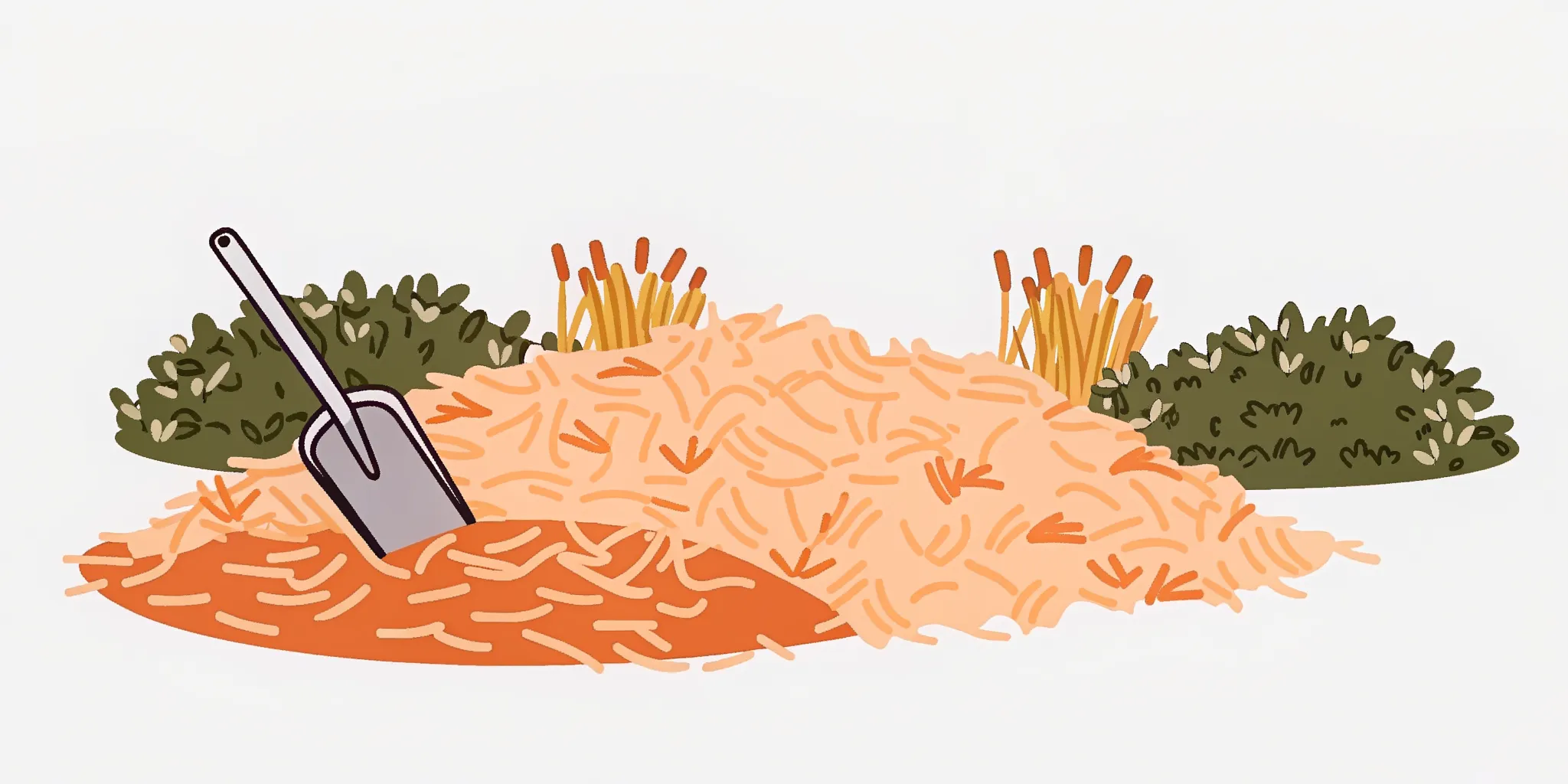
You’ve probably seen red cedar mulch in beautifully maintained gardens and heard about its benefits, from pest control to weed suppression. But you might also have questions. Is it the right choice for every type of plant? Could its potent, pest-repelling aroma also drive away the beneficial insects you want to attract? It’s true that this popular material isn’t a one-size-fits-all solution. Understanding its unique properties is key to using it successfully. This guide will give you a complete picture, covering everything you need to know before you commit to a red cedar mulch bulk order for your property.
Key Takeaways
- Choose cedar for its natural benefits: It's a great chemical-free option for repelling pests, conserving water in your soil, and blocking weeds, all while offering durable, vibrant color that lasts longer than many other mulches.
- Apply mulch correctly to protect your plants: A two- to three-inch layer is ideal for your garden beds, but always keep it a few inches away from plant stems and tree trunks to prevent rot and disease.
- Understand when to use another option: Cedar mulch isn't perfect for every situation; it can inhibit seed growth and deter beneficial insects, making it less suitable for vegetable gardens, and its high moisture retention can be a problem for soggy, clay-heavy soil.
Why Choose Red Cedar Mulch for Your Landscape?
If you've ever walked through a garden with a rich, reddish-brown ground cover, you've likely seen red cedar mulch. It's a popular choice for homeowners and professional landscapers, and for good reason. Beyond its beautiful color and pleasant, woodsy aroma, red cedar mulch offers a host of practical benefits for your garden beds. It helps with pest control, keeps your soil healthy, and lasts longer than many other types of wood mulch. Let's break down exactly why this mulch might be the perfect addition to your landscape.
Deters Pests Naturally
One of the biggest draws of red cedar mulch is its ability to naturally repel insects. The secret is in the cedar oil, which contains compounds that many common garden pests like termites, certain types of ants, and cockroaches find unpleasant. Using cedar mulch around your home's foundation and in your garden beds can create a protective barrier without you having to reach for chemical sprays. It’s a simple, organic way to manage pests while making your garden look great. This makes it a favorite among gardeners looking for effective and eco-friendly landscape supplies.
Retains Moisture and Blocks Weeds
A healthy garden starts with healthy soil, and red cedar mulch is a great tool for soil maintenance. Applying a two- to three-inch layer over your garden beds helps the soil retain moisture by slowing down evaporation from the sun and wind. This means you'll need to water your plants less often, saving you time and money. Cedar mulch also acts as a physical barrier that blocks sunlight from reaching weed seeds, preventing them from sprouting. Just be mindful of your soil type; cedar mulch is excellent for dry soil but might hold too much moisture for clay-heavy or soggy ground.
Offers Long-Lasting Color and Durability
Red cedar mulch brings a vibrant, long-lasting color to your landscape that beautifully complements green foliage. But its value goes beyond looks. Cedarwood decomposes much more slowly than other types of wood, like pine or hardwood. This durability means your mulch will last longer, and you won't have to reapply it as frequently. While the initial cost can be slightly higher than other options, its longevity often makes it a more cost-effective choice over time. You get a polished look that holds up through the seasons, making mulch delivery a smart investment for your property.
Common Cedar Mulch Myths, Debunked
You may have heard that cedar mulch can be harmful to plants. The concern is that as cedar breaks down, it can release compounds that may inhibit the germination of seeds or the growth of very young plants. While this is true for new seedlings, cedar mulch is perfectly safe to use around established plants, shrubs, and trees. Another common myth is that it robs the soil of nitrogen. While the decomposition process does use some nitrogen at the soil's surface, this is true for most wood mulches. You can easily offset this by adding a light application of a nitrogen-rich fertilizer before you lay down your mulch.
How Much Does Bulk Red Cedar Mulch Cost?
Figuring out the cost of red cedar mulch involves more than just the price tag. While cedar can be a premium choice, buying it in bulk is the most cost-effective way to cover your landscape beds. The price depends on whether you buy by the bag or the cubic yard, the quality of the mulch, and how much you actually need for your project. Let's break down the numbers so you can budget with confidence and make a smart investment in your garden's health and appearance.
Bulk vs. Bagged: A Price Comparison
When you have a lot of ground to cover, buying mulch in bulk is almost always the better deal. A single cubic yard of bulk mulch typically costs between $30 and $50. To get that same amount from bagged mulch, you’d need to buy about 14 bags (each holding two cubic feet). At $3 to $5 per bag, you’d end up spending $42 to $70. Choosing bulk not only saves you money but also cuts down on plastic waste from all those bags. For any project larger than a few small flower pots, having a mulch delivery is the way to go.
Cost of Cedar vs. Other Mulch Types
You might notice that cedar mulch is often priced slightly higher than other wood mulches, and there’s a good reason for it. Cedar is one of the most durable and long-lasting options available. Its natural oils help it resist decay and deter common garden pests, meaning you won’t have to reapply it as often. While you might pay a little more upfront, you’re paying for longevity and performance. Think of it as an investment that provides value over several seasons, unlike cheaper mulches that can break down and lose their color in just a few months. You can explore our full range of landscape supplies to compare your options.
Calculate How Much Mulch You Need
Nothing is more frustrating than running out of mulch mid-project or having a giant pile left over. A little math can save you a big headache. As a general rule, one cubic yard of mulch will cover a 100-square-foot area with a three-inch layer. To find your total, just multiply the length and width of your garden bed (in feet) to get the square footage. For an even simpler way to get an accurate estimate, you can use an online volume calculator. Just plug in your dimensions, and it will do the work for you.
What to Look for in a Quality Supplier
The quality of your mulch is just as important as the price. A reputable supplier will offer a consistent, high-quality product without unwanted debris like trash or construction waste. Look for a company that is transparent about where its mulch comes from. Ideally, you want a supplier that produces its own materials, as this gives them greater control over quality. Don’t hesitate to ask questions about their process and what to expect from their delivery service. A knowledgeable team that can answer your questions and ensure a smooth delivery is a sign you’re in good hands.
What to Know Before You Buy in Bulk
Buying mulch in bulk is a smart move that saves you money and multiple trips to the store. But before that big pile of cedar mulch arrives in your driveway, a little planning goes a long way. Thinking through the logistics of delivery, the type of mulch you want, and the best time to order will make the entire process smoother. Let’s walk through the key things to consider so you can feel confident in your bulk purchase and get the best results for your garden.
Planning for Delivery and Storage
When you order in bulk, a large truck will deliver a single, large pile of mulch. First, you’ll need to pick a good spot for the drop-off. A driveway is usually the best option, but make sure the area is clear and accessible for the truck. It’s also a great idea to lay down a large tarp before the delivery arrives; this makes cleanup much easier. Once the mulch is there, you’ll need a wheelbarrow to move it to your garden beds. For more details on what to expect on delivery day, you can check out our delivery FAQ.
Natural vs. Dyed: Which Is Better?
You’ll often see cedar mulch in a vibrant red, but it’s important to know how it gets that color. Many dyed mulches use chemicals to achieve their bright hue. These chemicals can sometimes find their way into your soil and plants, which isn’t ideal for your garden’s ecosystem. Natural cedar mulch, on the other hand, gets its beautiful color from the wood itself. It weathers to a lovely silver-gray over time and supports soil health without adding unknown substances. We always recommend choosing natural, high-quality landscape supplies to keep your garden happy and healthy.
How to Spot High-Quality Mulch
Not all mulch is created equal. High-quality cedar mulch has a few telltale signs. It should have a pleasant, fresh cedar smell, which is a key part of its natural ability to repel insects. The texture should be fairly consistent, without large chunks of wood or other debris mixed in. Avoid mulch that looks soggy, has a sour smell, or shows signs of mold, as this can mean it was stored improperly. A trustworthy supplier is transparent about where their materials come from. We take pride in recycling green waste at our own permitted facilities to produce premium, high-quality soil and mulch.
The Best Time of Year to Order
You can apply mulch almost any time, but spring and fall are the most effective seasons. Applying a fresh layer in the spring helps the soil retain moisture as temperatures rise and keeps weeds from sprouting. If you’re mulching in the fall, aim for late September or October. This is the perfect window to insulate your plants’ roots and protect your soil from the harsh winter weather. A good rule of thumb is to apply mulch after the soil has warmed in the spring and before the first hard freeze in the fall.
How to Apply Red Cedar Mulch for the Best Results
Getting the most out of your red cedar mulch is all about proper application. A little bit of prep work ensures your garden beds look fantastic and your plants stay healthy. Follow these simple steps for a professional-looking finish that lasts and helps your landscape thrive. Taking the time to apply it correctly will pay off all season long.
Prep Your Garden Beds
Before you start spreading that beautiful mulch, give your garden beds a quick clean-up. Pull any existing weeds and clear away old, decomposed mulch and other debris. This gives you a fresh start and prevents unwanted growth from popping through your new layer. Next, create a clean edge around your beds to keep the mulch contained. You can use a simple spade or install a more permanent border with stones or plastic edging. A defined border not only looks tidy but also stops mulch from spilling onto your lawn or pathways.
Apply the Right Amount
The sweet spot for mulch depth is a layer of two to three inches. This is enough to suppress weeds and hold in soil moisture without smothering your plants' roots. Spreading it too thin won't be effective, while piling it on too thick can prevent water and oxygen from reaching the soil. To make sure you order the right quantity, use a volume calculator before you buy. This simple tool helps you avoid guesswork and ensures you have just enough mulch to cover your entire area to the perfect depth.
Keep Mulch Away From Stems and Trunks
This is a big one: avoid the dreaded "mulch volcano." Piling mulch directly against the base of your plants, shrubs, or trees is a common mistake that can cause serious problems. It traps excess moisture against the bark and stems, which can lead to rot, disease, and insect infestations. Instead, think of creating a donut shape. Leave a gap of a few inches between the mulch and the base of each plant. This gives your plants room to breathe and prevents the issues caused by constant dampness right at the stem.
Best Practices for Garden Beds and Paths
In garden beds, a consistent layer of red cedar mulch provides a beautiful, uniform backdrop that makes your flowers and foliage stand out. It also works hard to keep the soil cool and moist for your plants. Don't limit yourself to just garden beds, though. Cedar mulch is also an excellent, natural-looking material for creating soft, attractive pathways through your yard or between raised beds. Whether you're highlighting your prized perennials or designing a walkway, proper application makes all your landscape supplies work together for a cohesive, stunning result.
Are There Downsides to Using Red Cedar Mulch?
Red cedar mulch has some fantastic benefits, but it’s not the perfect choice for every single garden situation. Like any landscaping material, it has specific characteristics that make it ideal for some areas and less so for others. Understanding these potential downsides helps you make the best decision for your plants and soil, ensuring your garden thrives. Before you place a bulk order, let’s look at a few scenarios where red cedar mulch might not be the right fit, from its impact on insects to its compatibility with certain plants and soil types.
Impact on Beneficial Insects
One of cedar’s biggest selling points is its natural ability to repel pests like termites, ants, and cockroaches. The aromatic oils that these pests dislike are potent. However, this insect-repelling quality isn't selective. The strong scent can also deter beneficial insects that you actually want in your garden, such as ladybugs, lacewings, and important pollinators like bees. If you have a garden that relies heavily on these helpful critters for pollination or natural pest control, you might notice a decrease in their activity. It’s a trade-off to consider: excellent pest deterrence versus a potentially less welcoming environment for your garden’s allies.
Plant and Seed Compatibility
Cedar mulch contains natural compounds that can suppress the growth of other plants, a phenomenon known as allelopathy. While this is great for preventing weeds, it can also affect more delicate plants and seeds. Red cedar, in particular, can inhibit the germination of small seeds like lettuce or carrots. For this reason, it’s best to avoid using it in vegetable gardens where you plan to sow seeds directly into the soil. For established perennials, shrubs, and trees, this effect is minimal. The key is to simply keep the mulch away from areas where you’re trying to grow new plants from seed.
Effects on Soil Nitrogen
When any wood-based mulch breaks down, the microorganisms responsible for decomposition need nitrogen to do their work. They pull this nitrogen from the soil, which can temporarily make it less available for your plants. This is often called "nitrogen tie-up." While this effect is mostly limited to the thin layer of soil directly touching the mulch, it can affect shallow-rooted plants that need a steady supply of nitrogen. To counter this, you can apply a balanced seed & fertilizer to your garden beds before spreading the mulch. This gives your plants the nutrients they need while the mulch begins to decompose.
When Another Mulch Might Be a Better Fit
Red cedar mulch is excellent at retaining soil moisture, which is a huge plus for gardens in sunny or dry locations. However, this same quality can be a drawback in areas with poor drainage or heavy clay soil. If your garden beds tend to stay soggy after it rains, adding a thick layer of cedar mulch can make the problem worse by trapping too much moisture. This can lead to root rot and other fungal issues for your plants. In these situations, you might want to improve your soil’s drainage first or choose from other landscape supplies that don't hold as much water.
Related Articles
- The Ultimate Guide to Western Red Cedar Mulch
- Organic Mulch Soil Supply & Mulch Products Middletown NY
- Bulk Soil & Mulch Products | Organic Recycling Inc.
- Landscape Products & Mulch Delivery | Organic Recycling
Frequently Asked Questions
How often do I need to replace red cedar mulch? Because cedarwood decomposes much more slowly than other types of wood, you won't need to replace it as often. Most people find that a light top-dressing every year or two is enough to refresh the color and keep the depth at an ideal two to three inches. Its durability is one of the main reasons it's such a cost-effective choice in the long run.
Is red cedar mulch safe for my vegetable garden? It's best to be strategic with cedar mulch in a vegetable garden. While it's perfectly safe to use around established plants like mature tomato or pepper plants, its natural compounds can prevent small seeds from sprouting. For areas where you plan to sow seeds like carrots or lettuce directly into the soil, it's better to leave the ground bare or use a different type of mulch, like compost.
Does the pest-repelling smell of cedar mulch fade over time? Yes, the distinct cedar aroma, which comes from the natural oils in the wood, will be strongest when the mulch is fresh. Over time, as the mulch is exposed to sun and rain, the scent will gradually lessen. While the pest-deterring effect may decrease as the scent fades, the mulch will continue to provide other benefits like weed suppression and moisture retention.
What's the biggest mistake people make when applying mulch? The most common error is piling mulch directly against the trunks of trees and the stems of plants, creating what's often called a "mulch volcano." This practice traps moisture against the bark, which can lead to rot, disease, and insect problems. Always leave a few inches of space around the base of your plants to allow for proper air circulation.
I've never bought mulch in bulk before. What's the easiest way to handle a large delivery? A little preparation makes a bulk delivery simple. First, choose a clear, accessible spot on your driveway for the drop-off. Placing a large tarp down beforehand will protect your driveway and make the final cleanup much easier. Once the mulch arrives, a good wheelbarrow and a sturdy rake are all you need to move it to your garden beds.