
Stone Walkway with Grass in Between: A Complete Guide
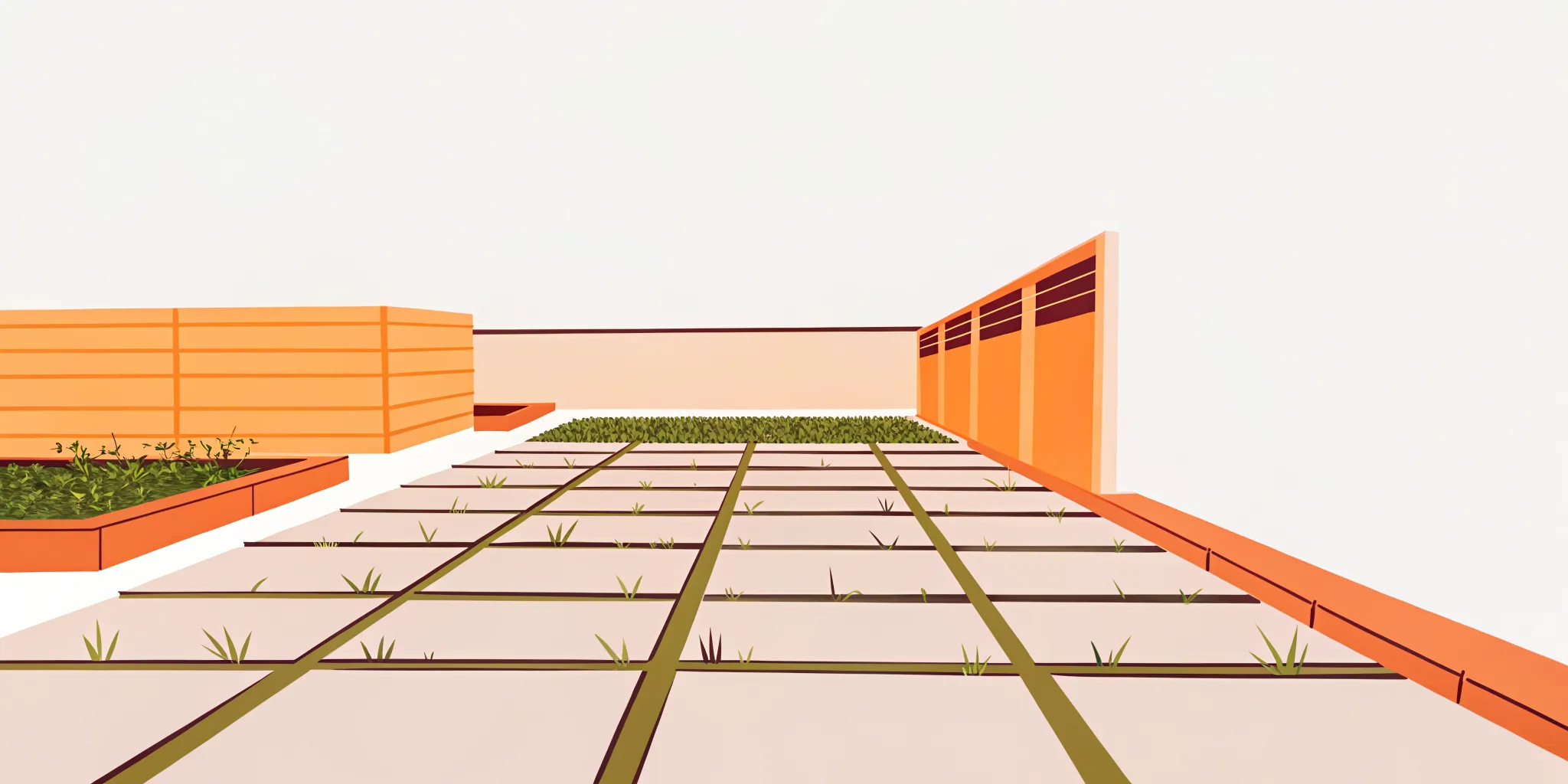
Traditional walkways made of solid concrete or asphalt can create problems in a yard, causing rainwater to run off and creating hot surfaces that bake in the sun. There is a more beautiful and eco-friendly alternative. A stone walkway with grass in between allows rainwater to drain naturally into the ground, reducing runoff and helping to replenish the water table. The grass also has a natural cooling effect, making your yard a more pleasant place to be on hot days. This guide will show you how to build this smarter, greener path. We’ll cover the essential steps for a stable foundation and share tips for keeping the grass healthy, so you can create a walkway that’s as practical as it is beautiful.
Key Takeaways
- Build a Strong Base to Prevent Future Problems: The long-term stability of your walkway relies entirely on its foundation. Prevent wobbly, shifting stones by excavating at least four inches deep and compacting a solid layer of gravel before setting your stones.
- Balance Stone and Plants for a Cohesive Design: Create a beautiful, walkable path by carefully considering the relationship between your materials. Use a two to four inch gap between stones and select a plant, like tough fescue or creeping thyme, that suits your climate and foot traffic.
- Commit to Simple Maintenance for a Polished Look: Keep your walkway looking sharp with a few routine tasks. Regular mowing, hand-pulling weeds before they spread, and occasionally topping off settled soil are the keys to preserving the crisp contrast between your stone and grass.
What Is a Stone and Grass Walkway?
A stone and grass walkway is exactly what it sounds like: a beautiful path made from individual stones with lush green grass growing in the spaces between them. Think of it as the perfect marriage of hardscape and softscape. This design creates a natural, charming, and eco-friendly landscape feature that feels more integrated with your yard than a solid slab of concrete or a tightly packed brick path. It’s a fantastic way to guide visitors from your driveway to the front door or to create a meandering path through your garden. This style is incredibly versatile, working well with everything from rustic cottages to modern homes.
Why This Charming Style Works So Well
The magic of this design is in its ability to soften the look of a landscape. The grass or ground cover growing between the stones breaks up the hard, solid surface, making the entire area feel more natural and inviting. It helps blend outdoor structures with the surrounding greenery, creating a seamless transition from your patio or deck into the yard. This style also offers practical benefits. The gaps allow rainwater to drain directly into the ground, which helps reduce runoff and prevent puddles. It’s a simple way to add visual texture and a touch of organic charm to any outdoor space.
Popular Design Styles to Consider
You have a lot of creative freedom with a stone and grass path. The two most common approaches use either flagstone or pavers. Flagstone pathways, with their irregular shapes and sizes, create an informal, rustic aesthetic that feels like it’s been there for years. For a more contemporary look, you can use uniform pavers with clean lines and consistent spacing to create a geometric, modern pattern. The type of stone, its color, and how far apart you place each piece will all define the final character of your walkway, giving you plenty of room to match your home’s unique style.
Choose the Right Stones and Base Materials
Okay, let's talk materials. The success of your stone and grass walkway really comes down to two things: the stones you choose for the look and the base you build for stability. Getting this part right is the difference between a charming path that lasts for decades and a wobbly, uneven mess that becomes a tripping hazard after the first winter. Think of the stones as the stars of the show and the base materials as the essential supporting cast. We’ll walk through how to pick the perfect stones for your style, get the spacing just right for that lush grass, and build a foundation that will keep everything securely in place.
Flagstone vs. Pavers: Which Is Better for Your Project?
The first big decision is what kind of stone to use. Your choice here really defines the personality of your walkway. If you’re dreaming of a rustic, natural-looking path that seems like it’s always been there, flagstone is your best bet. Large, irregular pieces of natural stone, like bluestone, create an organic, free-flowing feel that’s perfect for cottage gardens or more relaxed landscapes. On the other hand, if you prefer a cleaner, more structured look, pavers are the way to go. Their uniform shapes, whether square or rectangular, create a more modern and formal style. There’s no right or wrong answer; it just depends on the vibe you want for your yard. You can find a great selection of options in our masonry supplies.
Get the Size, Shape, and Spacing Right
Once you’ve picked your stone type, it’s time to think about the layout. The key to a walkable and beautiful path is getting the spacing between the stones just right. You’ll want to aim for gaps that are between two and four inches wide. This gives the grass enough room to grow thick and healthy without making the path awkward to walk on. Any narrower, and the grass will struggle to establish itself. Any wider, and you risk creating an uncomfortable stepping experience. Before you start digging, lay your stones out on the ground like you’re putting together a puzzle. This helps you visualize the final look and ensure the spacing is consistent and comfortable.
Build a Solid Base: Gravel, Loam, and Soil
This step is the most important for making sure your walkway lasts. A solid foundation prevents stones from sinking, shifting, or wobbling over time. Start by digging out the area for your path to a depth of about four to six inches. The first layer you'll add is a base of coarse sand or gravel, which provides excellent drainage and stability. After spreading the gravel, you'll need to compact it firmly. On top of that, you’ll add a layer of sifted loam or soil and compact it again. This creates a firm, level bed to set your stones into. Once the stones are in place, you’ll fill the gaps with a high-quality topsoil that will give your grass the nutrients it needs to thrive.
How to Install Your Stone and Grass Walkway
Ready to get your hands dirty? Building your own stone and grass walkway is a completely achievable weekend project. Following these steps will help you create a beautiful, lasting path you can be proud of. Let's walk through the process together, from planning to planting, to make sure your project is a success from the ground up.
Step 1: Plan and Mark Your Path
First things first, decide where you want your path to go. Think about the natural flow of traffic in your yard, connecting spaces like your patio to a garden or a side door to the driveway. Once you have a route, lay out your stones to visualize the pattern and spacing. I like to leave about three to four inches between stones for the grass to grow in nicely. After you’re happy with the layout, use landscape marking paint or stakes and string to outline the walkway’s edges. This simple step ensures your path is straight (or perfectly curved) and saves you a lot of headaches later.
Step 2: Excavate to the Correct Depth
Now it's time to dig. Remove the sod and soil within your marked-out path. You'll want to excavate about four to five inches deep. This depth accounts for a two-inch layer of base material, the thickness of your stones, and enough room for topsoil and grass roots to establish themselves. Try to get the bottom of the excavated area as level as possible. It’s a bit of a workout, but getting the depth right is crucial for a stable, professional-looking walkway that won't heave or shift over time. A flat shovel is your best friend for this part of the job.
Step 3: Lay and Compact Your Base Material
A solid base is non-negotiable for a walkway that lasts. Spread a two-inch layer of paver base or crushed stone gravel over the excavated area. You can get quality sand, stone, and gravel delivered right to your home, which saves a lot of heavy lifting. Once the base is spread evenly, you need to compact it. For smaller projects, a hand tamper will do the job. For larger walkways, renting a plate compactor is worth the small expense. A compacted base prevents the stones from sinking and shifting, so don't be tempted to skip this critical step.
Step 4: Place and Level Each Stone
This is the fun part where your vision starts to come to life. Begin placing your stones according to your planned design. A great tip is to use scrap 2x4 boards as spacers to maintain consistent three- to four-inch gaps for the grass. As you place each stone, check that it's level with the surrounding ground and with the other stones. Use a rubber mallet to gently tap them into place and make minor adjustments. A wobbly stone is a tripping hazard, so take your time to get each one perfectly stable and secure before moving on to the next.
Step 5: Fill Gaps with High-Quality Soil
With your stones set, it's time to fill the gaps. You'll want to use a high-quality topsoil or loam that will give your grass the best start. Don't just use the dirt you dug up earlier; a nutrient-rich soil mix makes a huge difference in how well your grass grows. We recommend our premium screened topsoil, which is perfect for this application. Fill the gaps, leaving about a half-inch of space at the top for the grass seed and a light soil covering. Some people like to pre-mix their seed with the soil, which can work well too.
Step 6: Plant Your Grass or Ground Cover
Now, let's add the green. Choose a grass seed that can handle foot traffic; fescue or ryegrass blends are often good choices. If you want something other than grass, creeping thyme or sedum are fantastic, durable alternatives that add a unique touch. Spread your seed and fertilizer evenly in the gaps, then lightly cover it with a bit more topsoil. Water the area gently but thoroughly, and keep the soil consistently moist for the first few weeks. This helps the seeds germinate and establish strong roots. Patience is key here!
Step 7: Add Edging for a Finished Look
For a truly polished and professional look, consider adding edging along the sides of your walkway. This isn't just for aesthetics; it also helps to hold the base material in place and prevents the outer stones from shifting over time. No-dig landscape edging is a popular and easy-to-install option that creates a clean, defined line between your new path and the rest of your lawn. This final touch really frames your hard work and keeps your beautiful walkway looking sharp for years to come. You can find various options in our landscape supplies.
What Should You Plant Between the Stones?
Choosing what to plant in the gaps of your stone walkway is just as important as selecting the stones themselves. The right plants will tie the whole look together, creating a soft, living path that feels integrated with your landscape. Your choice will depend on the amount of foot traffic the area gets, the sunlight it receives, and the overall aesthetic you’re aiming for. Whether you want a classic grassy look, a fragrant carpet of herbs, or a low-maintenance succulent design, there’s a perfect plant to fill the spaces between your stones.
Durable, High-Traffic Grasses
If your walkway will see a lot of action from kids, pets, or frequent guests, you need a grass that can handle the pressure. Standard lawn grass might struggle, but certain varieties are bred for resilience. A high-quality, high-traffic grass seed is your best bet for creating durable, green joints that bounce back from daily wear and tear. Tall Fescue is a popular choice because it’s tough, feels soft underfoot, and maintains a beautiful deep green color. It establishes strong roots in the soil between the stones, helping it withstand foot traffic and creating a lush, classic look for your path.
Fragrant Creeping Thyme
For a walkway that delights more than just the eyes, consider planting creeping thyme. This low-growing herb is a fantastic alternative to grass, forming a dense mat that can handle moderate foot traffic. The best part? As you walk on it, the leaves release a wonderful, subtle fragrance, adding a sensory experience to your garden strolls. Creeping thyme is also quite hardy and drought-tolerant once established. It produces tiny pink or purple flowers in the summer, which adds another layer of charm and attracts pollinators to your yard. It’s a beautiful and functional choice for sunny spots.
Low-Maintenance Sedum and Other Alternatives
If you’re looking for a "plant it and forget it" option, sedum is your friend. These tough little succulents, also known as stonecrop, are incredibly low-maintenance and drought-resistant. They thrive in sunny, dry conditions where other plants might fail. Sedum comes in a wide variety of colors and textures, from bright green to deep burgundy, allowing you to create unique patterns and designs between your stones. Other great low-maintenance ground covers to consider are Irish Moss (for shady, moist spots) or Blue Star Creeper, which produces delicate, star-shaped flowers. These alternatives offer texture and color with minimal fuss.
Pick the Best Option for Your Climate and Sunlight
Ultimately, the best plant for your walkway is one that suits your specific environment. Before you buy seeds or seedlings, take a moment to observe your path. How many hours of direct sun does it get each day? Is the area naturally damp or does it dry out quickly? Answering these questions will help you select a plant that will thrive, not just survive. A sun-loving sedum will struggle in a shady, damp corner, while a moisture-loving moss will scorch in direct sun. Matching the plant to the conditions is the key to a healthy, beautiful stone and grass walkway that lasts for years.
Real Grass vs. Artificial Turf: Which Is Right for You?
Choosing what to plant (or not plant) between your stones is a big decision that shapes both the look and the long-term care of your walkway. Both real grass and artificial turf have their fans, and the right choice really comes down to your priorities, your climate, and how much time you want to spend on maintenance. Let’s walk through the benefits and drawbacks of each so you can feel confident in your decision.
The Pros and Cons of Using Real Grass
There’s nothing quite like the soft, natural look of real grass peeking out between stones. It creates a classic, organic feel that blends seamlessly with the rest of your yard. However, this beautiful aesthetic requires a commitment to upkeep. Many homeowners find that weeds quickly become a major issue, sometimes outcompeting the grass itself. As some DIYers have shared, you should expect a lot of work to keep it looking tidy. To give your grass the best shot, start with a high-quality seed & fertilizer mix and fill the gaps with nutrient-rich soil. While it demands more effort, the authentic charm of a living walkway is hard to beat.
The Pros and Cons of Using Artificial Turf
If your main goal is a beautiful walkway without the weekly weeding and mowing, artificial turf is an excellent alternative. Modern turf looks surprisingly realistic and offers a permanently green, low-maintenance solution. Once installed, it’s incredibly durable. In fact, one popular DIY project showed that artificial turf held up well through all kinds of weather, from scorching sun to snow and ice. The main downsides are the higher initial cost and the fact that it doesn't provide the same cooling effect or soft feel underfoot as real grass. It’s a practical, set-it-and-forget-it option for busy homeowners who want a consistently perfect look.
How to Decide What's Best for Your Yard
So, how do you choose? Start by thinking about your lifestyle and personal style. Are you someone who enjoys gardening and tending to your lawn, or do you prefer to spend your weekends relaxing? Your answer will point you in the right direction. It also helps to browse different design styles to see how each option complements various aesthetics, from modern to rustic. Consider your climate, how much sun the path gets, and the amount of foot traffic it will endure. Ultimately, there’s no wrong answer. It’s all about what works for you, your home, and your vision for your outdoor space.
Avoid These Common Installation Mistakes
Creating a beautiful stone and grass walkway is a really satisfying project, but a few common missteps can turn your dream path into a wobbly, weed-filled headache. Taking the time to get the foundation and details right from the start will save you so much effort later on. Let's walk through the most frequent mistakes so you can sidestep them and build a walkway that looks amazing for years to come.
Digging a Foundation That’s Too Shallow
This is probably the number one mistake. It’s tempting to skimp on the digging, but a shallow base is a recipe for shifting, uneven stones. Your walkway needs a solid footing to handle foot traffic and changing weather. You should excavate at least 4 to 6 inches deep. This gives you enough room for a sturdy layer of compacted gravel for drainage and stability, plus a few inches of quality topsoil for the grass to root into. A proper foundation is what keeps your stones from sinking or wobbling. Getting your sand, stone, and gravel delivery sorted out first will set you up for success.
Setting the Soil Level Too High in the Gaps
After you’ve perfectly placed your stones, it’s time to fill the gaps. A common error is filling the spaces with too much soil, bringing it level with or even higher than the stones. When you do this, the grass will eventually grow over the edges of your stones, blurring the clean lines you worked so hard to create. Instead, aim to have the soil level sit about a half-inch to an inch below the top of the stones. This simple step keeps your walkway looking crisp and intentional, highlighting the beautiful contrast between the stone and the grass. Using a high-quality topsoil or compost blend will give your grass the best start.
Placing Stones Too Close or Too Far Apart
The spacing between your stones is both an art and a science. If you place them too close together, the grass won't get enough sun and air, causing it to struggle or even burn out. If they're too far apart, the path loses its cohesive look and can feel disjointed. I recommend a gap of about 2 to 4 inches. The best way to get it right is to lay out all your stones before you finalize anything. This lets you play with the arrangement and find a rhythm that feels balanced and gives your grass plenty of room to thrive.
Forgetting to Add a Weed Barrier
Nothing ruins the look of a stone and grass path faster than a bunch of pesky weeds. While you'll always have to deal with some airborne seeds, you can prevent a major invasion from below by laying down a weed barrier. A quality landscape fabric placed over your excavated area before you add the gravel base can make a huge difference. It blocks weeds from sprouting up through the gaps while still allowing water to drain through. This is one of those landscape supplies that feels like an extra step, but you’ll be so glad you used it when you’re spending less time weeding and more time enjoying your walkway.
Ending Up with Uneven or Wobbly Stones
A wobbly stone isn't just annoying; it's a tripping hazard. This problem almost always traces back to an improperly prepared base. Each stone needs to be set on a firm, level foundation of compacted gravel and sand. As you place each stone, use a rubber mallet to tap it securely into place and check it with a level. Don't be afraid to add or remove a little sand underneath to get it just right. Taking your time with this step ensures your walkway is safe, stable, and ready for anything, from daily foot traffic to patio furniture. A solid base is non-negotiable for a lasting result.
Keep Your Walkway Looking Its Best
You’ve put in the work to create a beautiful stone and grass walkway, and now it’s time to make sure it stays that way. A little routine maintenance is all it takes to keep your path looking lush, tidy, and inviting for years to come. Think of it not as a chore, but as the finishing touch that protects your beautiful creation. Keeping the grass healthy, the stones visible, and the weeds at bay is straightforward with a simple seasonal plan. With the right approach and a few essential landscape supplies, you can easily preserve the charm and function of your new favorite garden feature. These simple steps will help you maintain that perfect balance between structured stone and soft, living greenery.
Water and Fertilize for Healthy Growth
To get that vibrant green growth between your stones, consistent watering is key, especially during the first few weeks after planting. The stone can absorb heat from the sun, causing the soil in the gaps to dry out quickly. Check the soil moisture regularly and water whenever it feels dry to the touch. Once the grass is established, you can likely reduce watering to match your lawn's schedule. To help it thrive, apply a balanced fertilizer a few times during the growing season. Using the right seed and fertilizer combination designed for high-traffic areas will ensure your grass is tough enough to handle footsteps while staying green and healthy.
Mow and Trim Around the Stones
Maintaining a consistent height for the grass in your walkway is essential for a clean, polished look. The easiest way to do this is to mow the path at the same time you mow the rest of your lawn. This prevents the grass from growing over the edges of the stones and obscuring the pattern. For an extra-crisp finish, use a string trimmer to carefully edge around each stone. This quick step makes a huge difference, defining the shape of the stones and highlighting the beautiful contrast between the hardscape and the soft grass. Just be careful not to hit the stones directly with the trimmer line to avoid any scuffs.
Manage Soil Levels as They Settle
Over the first year or two, the soil in the gaps between your stones will naturally compact and settle. It’s important to keep an eye on this. If the soil level drops too low, it can create an uneven surface. If it’s too high, the grass will start to creep over the tops of the stones, hiding your beautiful design. Check the gaps every few months. If you notice the soil is too high, simply scrape a bit out. If it has settled too much, you can add a small amount of fresh topsoil to bring the level back up, making sure it sits just below the top edge of the stones.
Simple Seasonal Care and Upkeep
Weeds are the number one challenge with this walkway style, especially in the first couple of years. The best defense is a good offense. Make it a habit to walk your path once a week and pull any weeds you see by hand. Getting them while they’re small prevents them from going to seed and creating a bigger problem. It’s best to avoid chemical weed killers, as they can easily harm the grass you want to keep. In the fall, be sure to rake or blow leaves off the walkway promptly so they don’t smother the grass and create damp spots.
What Are the Biggest Challenges of This Walkway Style?
A stone and grass walkway is undeniably beautiful, but it’s good to go into the project with your eyes open. Like any special garden feature, it requires a bit of care to keep it looking its best. Knowing the potential hurdles ahead of time means you can plan for them from the start, ensuring your hard work pays off. Let’s walk through some of the most common challenges you might face and, more importantly, how to handle them. With the right approach, you can create a stunning, lasting path that you'll enjoy for years to come.
Controlling Weeds in the First Few Years
Don’t be surprised if weeds seem to love your new walkway as much as you do, especially in the first year or two. It’s one of the most common frustrations, as unwanted plants can pop up in the gaps before your grass has a chance to fill in completely. The key is to be diligent. Regular hand-pulling is your best friend during this initial phase. A strong, healthy lawn is the best long-term defense against weeds, as thick turf will naturally crowd them out. Making sure your grass has everything it needs to thrive, from good soil to the right seed & fertilizer, will make your job much easier down the line.
Helping New Grass Get Established
Getting a lush carpet of green between your stones starts with giving the seeds a great home. Simply sprinkling seed on top of compacted dirt won’t cut it. For the best results, you need to prepare the gaps properly. Dig out the spaces between the stones to a depth of about three to four inches. This creates plenty of room for roots to grow deep and strong. Fill these gaps with a high-quality, sifted soil. Mixing your grass seed directly into the screened topsoil before filling the gaps ensures even distribution and gives your new lawn the foundation it needs to flourish.
Preventing Stones from Shifting Over Time
Over the years, you might notice some of your stones have started to move or wobble, particularly in areas that get a lot of foot traffic. This shifting can create an uneven surface, which isn't just a tripping hazard but also makes it tricky to place a table or chairs without them rocking. This is almost always a sign of an issue with the base layer. A deep, well-compacted foundation is your best defense against shifting. If a stone does become loose, you’ll need to lift it, add and re-level the sand or gravel underneath, and reset it. A little periodic maintenance will keep your walkway stable and safe.
Dealing with Intense Sun and Heat
If your walkway is in a spot that gets baked by the sun all day, you’ll need to plan for the heat. The stones can absorb and radiate a surprising amount of warmth, which can scorch the tender grass growing between them. The simplest way to prevent this is by leaving adequate space between your stones; don’t place them too close together. This gives the grass more soil area and breathing room, helping it stay cooler. Also, be mindful that intense heat can stress your grass, making it more vulnerable to weeds. Choosing a drought- and heat-tolerant grass variety from the start will make a huge difference.
Is a Stone and Grass Walkway a Good Investment?
So, you’ve put in the work, and your walkway looks amazing. But was it worth the time and money? Absolutely. A stone and grass walkway is an investment that pays off in more ways than one, benefiting both your property value and the local environment. It’s a project that adds lasting value long after you’ve laid the final stone. Here’s a closer look at why it’s such a smart and beautiful addition to your home.
The Eco-Friendly and Cooling Benefits
A stone and grass walkway is more than just a pretty path; it’s a responsible choice for your landscape. Unlike solid concrete or asphalt surfaces that cause water to run off into storm drains, this permeable design allows rain to soak directly into the ground. This helps replenish the water table and reduces erosion. Plus, the plants between the stones have a natural cooling effect. While solid hardscapes absorb and radiate the sun’s heat, the grass helps keep the surface and the surrounding air more comfortable, creating a more pleasant backyard oasis on hot summer days.
How It Impacts Curb Appeal and Property Value
There’s no denying the visual charm of a stone and grass walkway. This style creates a beautiful, organic transition between your home, patio, and garden, softening the hard lines of traditional hardscaping. It feels both timeless and custom-designed. This unique look can seriously improve your home's curb appeal, making it stand out in the neighborhood. Because it’s so versatile, you can find plenty of design inspiration to match your home’s specific style, from rustic country to modern minimalist. A well-executed walkway is a feature potential buyers notice, and it can be a fantastic return on investment when it comes time to sell.
Related Articles
- Garden Path & Stepping Stones
- Crushed Stone Delivery Near Me | Organic Recycling Inc.
- Sand, Stone, Gravel Delivery Near Me
- Landscape Products & Mulch Delivery | Organic Recycling
- Sand, Gravel, Stone Delivery
Frequently Asked Questions
How long will it take to build this walkway? For most people, installing a stone and grass walkway is a great weekend project. The exact time depends on the length and complexity of your path, but you can typically plan on one day for excavation and base preparation and another day for placing the stones and planting the grass. Taking your time with the planning and layout phase first will make the actual installation go much more smoothly.
What's the most important step I shouldn't skip? Without a doubt, the most critical step is building a proper foundation. It's tempting to just dig a shallow trench and set the stones in dirt, but this will lead to wobbly, sinking stones. You must excavate to a depth of at least four to six inches and lay a compacted base of gravel or crushed stone. This provides the stability and drainage needed to keep your walkway level and safe for years.
Do I have to use grass, or are there other options? You definitely have other options besides grass. If your path is in a sunny spot and you want something fragrant and low-growing, creeping thyme is a wonderful choice. For a very low-maintenance and drought-tolerant option, consider planting sedum, which comes in many colors and textures. The best choice depends on your climate, the amount of sun your path gets, and the overall look you want to achieve.
How do I stop my stones from wobbling over time? Wobbly stones are almost always caused by an unstable base. The key to prevention is to compact your gravel base firmly before you even think about placing the stones. As you set each stone, make sure it sits securely on the base layer. You can use a rubber mallet to gently tap it into place and check it with a level. A solid, well-compacted foundation is the best insurance against future shifting.
Is this walkway style hard to take care of? It does require some routine care, but it isn't difficult. The biggest challenge is managing weeds, especially in the first year. Regular hand-pulling is the best approach. You will also need to mow the path along with your lawn and use a string trimmer to keep the edges around the stones looking neat. A little seasonal attention is all it takes to keep your walkway looking beautiful.