
The Smart Guide to Topsoil Bulk Bag Free Delivery
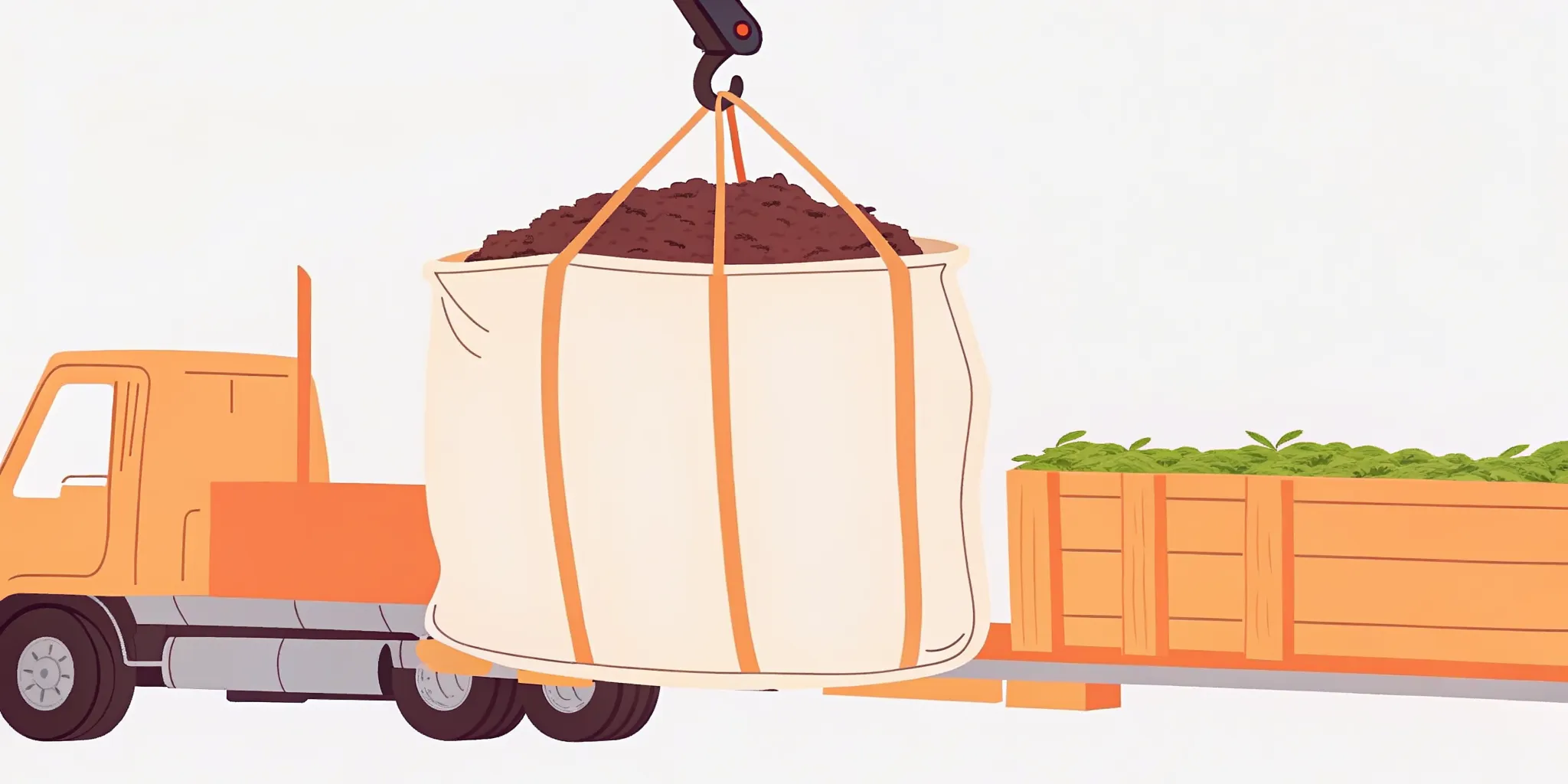
The secret to a lush lawn or a thriving garden isn’t just sunlight and water; it’s the soil. Using low-quality, filler dirt can set your project up for failure, leading to weak plants and disappointing results. High-quality topsoil, rich with organic matter and nutrients, is the true foundation for success. Our topsoil is created at NYSDEC-permitted compost sites, where we recycle green waste into a premium, life-giving blend. This isn't just dirt; it's a carefully crafted product designed for healthy growth. The best way to get this superior soil is in a tidy, convenient package. With our topsoil bulk bag free delivery service, you get the highest quality materials brought directly to your curb, ensuring your project starts with the best foundation possible.
Key Takeaways
- Choose Bulk Bags for Value and Convenience: For any project larger than a few planters, a bulk bag is the smartest choice. It saves you money compared to small bags and eliminates the mess of a loose soil pile.
- Learn to Spot Quality Soil: The best topsoil is dark, crumbly, and smells fresh and earthy. Prioritize screened soil from a certified source to get a nutrient-rich product without rocks or other debris.
- Plan Your Purchase and Delivery: Before ordering, use a volume calculator to find the right amount of soil for your project. Then, confirm that your supplier delivers to your area and offers a delivery method, like bulk bags, that works for your space.
Why Choose Bulk Bags for Your Topsoil?
When you’re planning a landscaping project, getting your materials can feel just as challenging as the work itself. If your project is bigger than filling a few flower pots, you’ve probably wondered if there’s a better way than hauling dozens of small plastic bags of topsoil from the garden center. There is, and it’s a game-changer for homeowners and landscapers alike.
Opting for topsoil in a bulk bag is the perfect middle ground between loose, messy piles and an army of small, expensive bags. It’s a streamlined solution that offers the cost-effectiveness of buying in bulk with the convenience of a clean, contained delivery. Our bulk bags are designed to make your project easier from the moment they arrive. You get a generous amount of high-quality soil delivered right where you need it, without the mess or the hassle. This approach saves you time, money, and a lot of heavy lifting, letting you focus on the fun part: bringing your garden to life.
Bulk Bags vs. Small Bags: What's the Real Difference?
Think about the scale of your project. Those 40-pound bags of topsoil are great if you’re repotting a houseplant or filling a single window box. They’re easy to grab and toss in your car. But for anything larger, like creating a new garden bed, topdressing a lawn, or filling raised planters, the math just doesn’t add up. You’d need a huge number of small bags, which means more plastic waste, higher costs, and multiple trips to the store.
A bulk bag, on the other hand, delivers about one cubic yard of soil in a single, tidy package. It’s the ideal quantity for medium-to-large home projects, providing all the high-quality landscape supplies you need in one go. You get the same premium soil without the parade of plastic.
Unpacking the Cost Savings
Let’s talk numbers, because this is where bulk bags really shine. While the upfront cost of a bulk bag is higher than a single small bag, the price per cubic yard is significantly lower. When you buy topsoil in small quantities, you're paying a premium for packaging and convenience. By purchasing in bulk, you benefit from economies of scale, which means more soil for your money.
This is especially true for projects requiring a cubic yard or more of soil. Before you start your project, it’s a great idea to use a volume calculator to determine exactly how much topsoil you need. This helps you avoid over-purchasing and ensures you get the most cost-effective solution for your specific project, saving you money that can be better spent on plants.
The Simple Convenience of Bulk Delivery
Imagine this: a large, sturdy bag filled with rich topsoil is delivered and placed neatly on your driveway. There’s no loose pile of dirt washing away in the rain or creating a mess for you to clean up later. The soil stays contained, dry, and ready for you to use whenever you want. That’s the simple beauty of bulk bag delivery.
This method eliminates the back-breaking work of loading and unloading countless small bags from your car. Our delivery team can place the bag in a convenient spot, allowing you to wheelbarrow the soil to your project area at your own pace. It’s a clean, efficient, and stress-free way to get your materials. For more details on how it works, you can check out our delivery information and get ready for the easiest soil delivery you’ve ever had.
How to Spot High-Quality Topsoil
Not all dirt is created equal, and when it comes to your lawn or garden, the quality of your topsoil can make all the difference. Getting a great result from your project starts with using great materials. High-quality topsoil is the foundation for healthy plant growth, providing essential nutrients and the right structure for roots to thrive. It holds water effectively but also allows for proper drainage, preventing your plants from getting waterlogged. Low-quality soil, on the other hand, can be full of filler, rocks, or weeds and may lack the organic matter your plants need to flourish. Using poor soil can lead to weak growth, yellowing leaves, and a constant struggle to keep your plants alive.
So, how can you tell the good stuff from the bad? It’s easier than you might think. You don't need to be a soil scientist to make a smart choice. By paying attention to a few key characteristics like texture, composition, and sourcing, you can ensure you’re getting a rich, fertile product that will set your garden or lawn up for success. Let’s walk through what to look for when you order topsoil so you can feel confident in your purchase and get the beautiful results you're looking for.
Check the Ingredients: Nutrients, Texture, and Organic Matter
The best topsoil has a dark, rich color and a crumbly texture that holds together when squeezed but easily breaks apart. This indicates a good balance of sand, silt, and clay, creating a loamy soil that retains moisture without becoming waterlogged. It should also be packed with organic matter, like compost, which provides the nutrients plants need to grow strong. When you inspect the soil, it should smell earthy and fresh, not sour or unpleasant. Avoid soils that look overly sandy, feel heavy and dense like clay, or contain obvious filler materials.
Screened vs. Unscreened: Why It Matters for Your Project
You’ll often see topsoil described as "screened," which simply means it has been passed through a mesh to remove large particles. Choosing screened topsoil is a smart move for most landscaping projects because it ensures you get a uniform, easy-to-spread material free of rocks, roots, and clumps. This makes it ideal for starting a new lawn, topdressing an existing one, or filling garden beds. Unscreened soil can be a more budget-friendly option for filling deep holes, but the extra labor required to remove debris often isn't worth the initial savings for finer gardening tasks.
Know Where Your Soil Comes From: Sourcing and Certifications
Knowing the origin of your topsoil is crucial. Reputable suppliers are transparent about how they produce their soil. At Organic Recycling, we create our high-quality soil and mulch at our own NYSDEC-permitted compost sites. This means we recycle local green waste, turning it into nutrient-rich soil instead of just digging up and selling whatever is available. Look for suppliers with proper certifications and a clear process. This gives you peace of mind that you’re not just getting "filler dirt" but a carefully crafted product designed to benefit your landscape.
Finding the Right Topsoil Delivery Service
Once you know what kind of topsoil you need, the next step is finding someone to deliver it. A quick search might give you a long list of names, but choosing the right supplier is about more than just finding the lowest price. You’re looking for a reliable partner who can provide a high-quality product and a hassle-free experience. The right delivery service ensures your project starts on solid ground, literally. It means getting nutrient-rich soil that’s perfect for your region, delivered on time and exactly where you need it. To make sure you find the best fit, focus on a few key areas: local expertise, clear policies, and excellent product quality.
1. Look for Local, Certified Suppliers
It’s always a good idea to work with a local supplier. They have a much better understanding of the region’s specific soil types, climate, and plant life. This local knowledge means you’re more likely to get topsoil that’s perfectly suited for your lawn or garden. Beyond just being local, look for certifications. For example, a supplier that operates state-permitted facilities, like our NYSDEC-permitted compost sites, is held to a higher standard. This certification is your assurance that their products are not only high-quality but also produced in an environmentally responsible way. A company with deep roots in the community has a reputation to uphold, which usually translates to better service and more reliable products.
2. Check for Clear Delivery Zones and Policies
Before you get too far in the process, make sure the company can actually deliver to you. Most reputable suppliers will have a clear delivery service area listed on their website. This simple check can save you a lot of time and frustration. You should also understand their delivery methods. Will a large dump truck drop a loose pile of soil on your driveway? Or do they offer contained solutions, like our mess-free bulk bags, which can be placed precisely where you need them with a forklift? Knowing these details helps you plan for the delivery day and prevents any surprises, ensuring the process is smooth from start to finish.
3. Prioritize High-Quality, Recycled Materials
All topsoil is not created equal. For your plants to thrive, you need soil that’s rich in nutrients and organic matter. Look for suppliers who are transparent about what goes into their soil. High-quality topsoil is typically screened to remove rocks, roots, and other debris, and it’s often enriched with compost to create a balanced, fertile growing medium. We believe in the power of recycling, turning green waste into nutrient-dense compost that enriches our soil blends. Choosing a supplier who uses recycled materials is not only great for your garden but also a more sustainable choice for the environment. It ensures you’re getting a product that’s alive with beneficial microbes, ready to support healthy growth.
4. Why Organic Recycling is Your Go-To Choice
Finding a supplier that checks all these boxes might seem tough, but that’s exactly why we’re here. As a local, family-owned business, we have decades of experience providing premium landscape supplies to our neighbors in New Jersey, New York, and Connecticut. Our NYSDEC-permitted facilities are a testament to our commitment to quality and sustainability. We offer a range of high-quality, compost-rich soil blends and provide clear information about our delivery process. Whether you need a loose load or the simple convenience of our bulk bags, we make getting the materials you need easy. When you’re ready to start your next project, you can count on our topsoil delivery service to bring the best right to your curb.
How Much Topsoil Do You Really Need?
Ordering the right amount of topsoil is key to a successful project, and a little planning goes a long way. While our online volume calculator is the fastest way to get an exact number, it helps to understand the basics. Different jobs require different soil depths, so here’s a quick guide to help you estimate.
For New Lawns and Topdressing
For a new lawn, a six-inch foundation is ideal for strong roots. At this depth, one cubic yard of topsoil covers about 55 square feet, giving your new grass the best start. If you're just topdressing an existing lawn, you only need a thin half-inch layer. This allows you to cover a much larger area with the same amount of soil, efficiently improving your lawn's health.
For Garden Beds and Raised Planters
Gardens need a deeper environment to thrive. Plan for at least an eight-inch depth of quality soil in your flower or vegetable beds. At this depth, one cubic yard covers about 41 square feet, giving roots plenty of room to grow. For raised beds, the calculation is simpler: find the total volume of your container to determine how much of our soil and compost you'll need to fill it.
For Leveling and Erosion Control
Topsoil is a great tool for fixing low spots or preventing erosion on a slope. Estimating for uneven ground is tricky, but here's a helpful visual: one cubic yard of topsoil is about what you can fit in a standard pickup truck. This can help you gauge how much you need to smooth out your landscape. We can deliver what you need right to your property within our delivery service area, making big projects feel manageable.
Calculate Your Needs and Avoid Waste
Here’s a pro tip: always order a little extra. I suggest adding 5% to 10% to your final number to cover spills or natural settling. It’s much less stressful than running out before the job is done. To get the most accurate number and avoid guesswork, use our online volume calculator. It’s the easiest way to ensure you order the perfect amount, saving you time and money.
Related Articles
- Bulk Mulch Bags & Landscaping Bags | Organic Recycling
- Bulk Topsoil Delivery: A Complete Buyer's Guide
- Soil Delivery Near Me | Topsoil, Compost & Bulk Bags
- Topsoil Delivery Near Me
Frequently Asked Questions
How much soil is in one bulk bag, and what kind of project is it good for? Each of our bulk bags contains one cubic yard of material. This is the perfect amount for many common home landscaping projects, such as filling two or three standard raised garden beds, creating a new flower bed around your patio, or topdressing a small lawn. If you're unsure, our online volume calculator can help you match the quantity to your specific project dimensions.
What's the best way to store the topsoil if I can't use it all right away? The great thing about a bulk bag is that it doubles as a clean storage container. The woven fabric protects the soil from washing away in the rain and keeps your driveway or yard tidy. You can use the soil at your own pace over several weeks. Just fold the top of the bag over between uses to keep the soil dry and prevent weeds from finding a new home.
Your soil is made from recycled green waste. What does that mean for my garden? It means your garden gets a product that is rich in natural, slow-release nutrients. We create high-quality compost from local green materials at our state-permitted facilities, and then we blend that compost into our soil. This process creates a fertile, living soil full of beneficial microbes that support strong root systems and healthy plant growth, often reducing the need for additional fertilizers.
I'm just filling a few planters. Are bulk bags still a good option for me? For a handful of small pots, a bulk bag is likely more soil than you need. However, if you're planning to fill several large planters or tackle a few different small projects around your yard, a bulk bag quickly becomes the more economical and convenient choice. You avoid the waste and expense of buying dozens of small plastic bags and get a higher quality product delivered right to you.
How do I prepare for my bulk bag delivery? It’s simple. Just think about the most convenient spot for the bag to be placed. Our delivery trucks are equipped with a forklift, so we need a firm, relatively flat surface like a driveway with clear access. This allows us to place the bag exactly where you want it, saving you the effort of moving the soil a long distance with a wheelbarrow.