
9 Things to Know Before You Buy 1 Cubic Yard of Topsoil
The secret to a lush lawn or a thriving garden isn’t just about sunshine and water; it starts with the soil. But not all dirt is created equal. Low-quality fill dirt can be full of rocks, clay, and weeds, setting your project up for failure. High-quality topsoil, on the other hand, is a nutrient-rich foundation that gives your plants everything they need to flourish. So, how do you spot the good stuff? This guide will teach you how to become a soil detective. We’ll cover what to look for in texture, color, and sourcing, ensuring that when you buy 1 cubic yard of topsoil, you’re investing in the success of your landscape.
Key Takeaways
- Identify high-quality topsoil: Look for a dark, crumbly texture and a fresh, earthy smell. A trustworthy supplier can also provide details on their sourcing and soil test data, which confirms you are getting a clean, nutrient-rich product.
- Measure your space to order the right amount: Guessing how much soil you need often leads to waste or a second delivery. Take a few minutes to measure your project area's length, width, and desired depth, then use an online volume calculator for a precise quantity.
- Match the soil type to your project's goal: Different jobs require different soil blends. Use a fine, screened topsoil for establishing a new lawn, but choose an enriched topsoil mixed with compost for vegetable gardens and flower beds to give your plants the food they need.
What Exactly Is a Cubic Yard of Topsoil?
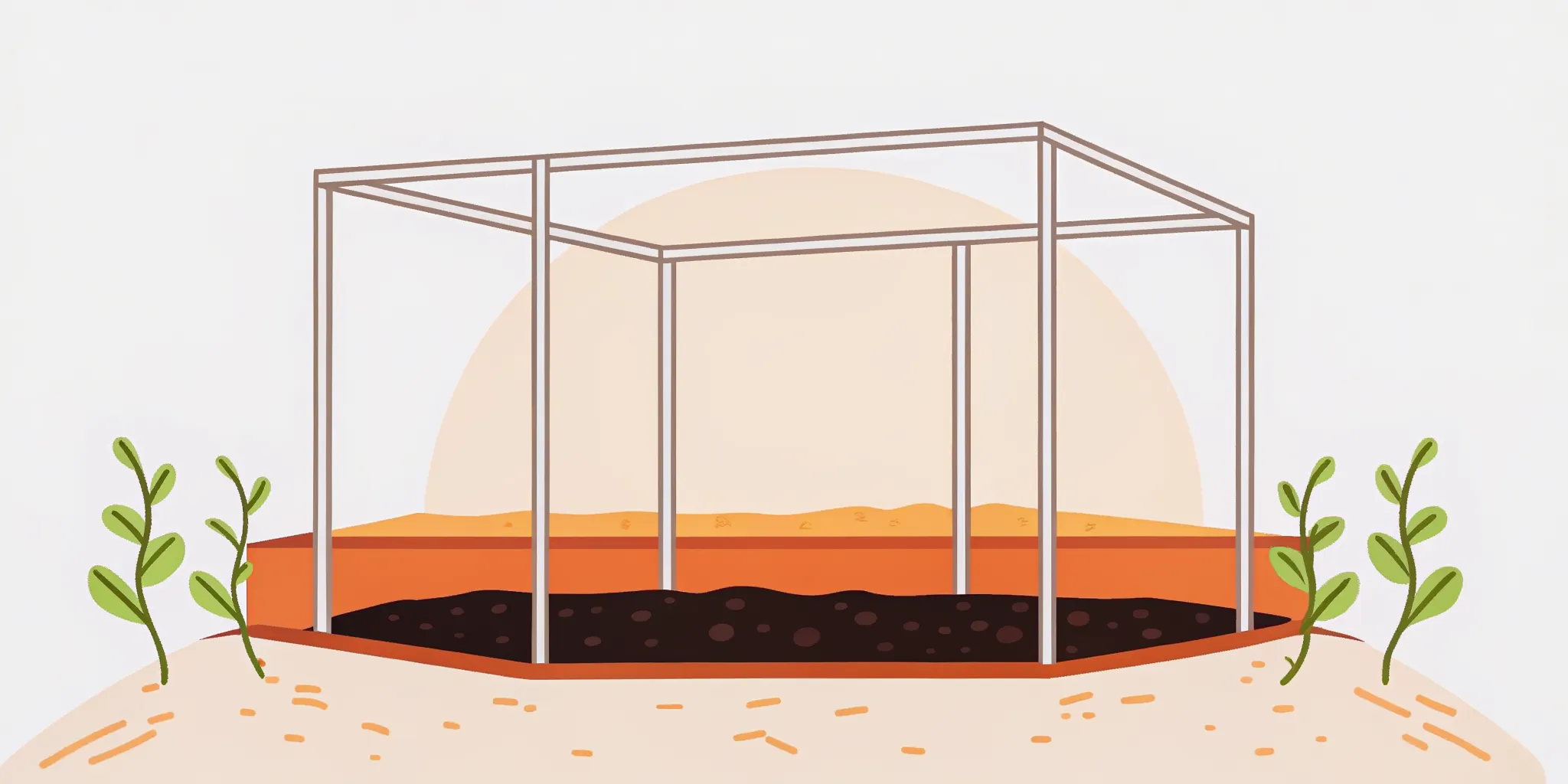
If you’re trying to picture a cubic yard, imagine a large cube that is three feet long, three feet wide, and three feet tall. When you fill that cube with soil, you have one cubic yard. It’s the standard unit of measurement for buying bulk materials, so when you're looking at topsoil for your project, you'll almost always see it sold this way. This measurement is all about volume, not weight, which is an important distinction we'll get to in a bit. It’s a surprisingly large amount of soil, which is why it’s perfect for bigger landscaping jobs.
Topsoil itself is the nutrient-rich, uppermost layer of earth, the good stuff that plants love. It's packed with organic matter and microorganisms that are essential for a healthy lawn or garden. However, not all topsoil is created equal. You'll often find it sold in different grades, from premium blends enriched with compost to more basic, general-purpose options. The type you choose depends entirely on your project's needs. For example, starting a new vegetable garden will require a much richer soil than simply filling in a few low spots in your yard. Understanding that "cubic yard" is just the amount helps you focus on the next important step: choosing the quality of the soil you're putting in that imaginary box.
How Much Area Does It Cover?
This is the million-dollar question, right? Here’s a simple rule of thumb to remember: one cubic yard of topsoil will cover a 100-square-foot area with a 3-inch layer of soil. To picture that, think of a space that’s 10 feet by 10 feet. A 3-inch depth is perfect for overseeding an existing lawn or establishing a new one. If you’re filling a brand-new garden bed or a raised planter, you’ll likely need a deeper layer, which means that same cubic yard will cover less square footage. Don't worry about doing complicated math in your head; you can use a handy volume calculator to get a precise estimate for your specific dimensions.
How Much Does It Weigh?
While topsoil is sold by volume, its weight is a major factor for delivery and handling. On average, a single cubic yard of dry topsoil weighs around 2,000 pounds, or one ton. That's about the weight of a small car! However, this can change quite a bit. If the soil is wet, its weight can increase to 2,500 pounds or more due to the added water. The composition also plays a role; a sandier soil will be heavier than one with more organic matter. This is why having your materials delivered is so convenient. It saves you from trying to haul that much weight in a personal vehicle and ensures it arrives safely at your project site. You can learn more about how delivery works to plan ahead.
Breaking Down the Cost of a Cubic Yard of Topsoil
Let's talk about the numbers. The price tag on topsoil isn’t just a random figure; it’s a reflection of quality, quantity, and the journey it takes to get to your home. Understanding what goes into the cost will help you budget accurately and ensure you’re getting great value for your project. From the soil’s composition to the delivery logistics, a few key elements determine your final price. Knowing what to expect will make the entire process smoother, so you can focus on the fun part: getting your hands dirty.
What Affects Topsoil Pricing?
The price of topsoil can vary quite a bit, and it usually comes down to quality and sourcing. Premium topsoil that has been screened to remove rocks and debris will naturally cost more than unprocessed dirt. The composition also plays a big role. Soil enriched with high-quality compost has more nutrients for your plants, which adds to its value. Where the soil comes from matters, too. We create our own soil and mulch at NYSDEC-permitted compost sites, giving us direct control over the quality of the final product. Finally, your location and the accessibility of your property can influence the overall cost, especially when it comes to delivery.
Bulk vs. Single-Yard Pricing
When you’re planning a project, buying topsoil in bulk is almost always the most cost-effective route. While you can grab small bags from a home improvement store, the cost per cubic foot is significantly higher. For anything larger than filling a few small planters, ordering by the cubic yard is the way to go. Suppliers often offer better per-yard pricing on larger quantities, so you get more for your money. Whether you need a single yard or a full truckload, our bulk landscape supplies are measured to give you a clear and fair price, saving you from endless trips to the store and the hassle of handling dozens of plastic bags.
Factoring in Delivery Fees
The price per yard is just one part of the equation; you also need to account for delivery. Most suppliers charge a separate fee to transport the topsoil to your property. This fee often depends on your distance from the supply yard and the size of the delivery truck required. Before you finalize your order, always ask for the total cost, including delivery and any applicable taxes. It’s also a good idea to check for a minimum order quantity for delivery. You can find detailed information about how our delivery services work to make sure you know exactly what to expect on delivery day, with no surprise charges.
Finding the Right Type of Topsoil
Not all dirt is created equal, and the term "topsoil" can cover a few different products. Choosing the right one is the secret to a lush lawn or a thriving garden. It all comes down to what your project needs. Let’s walk through the most common types so you can feel confident you’re getting exactly what you need for the job.
Screened Topsoil
Screened topsoil is your go-to for a clean, consistent, and easy-to-spread material. The "screening" process is exactly what it sounds like: the soil is passed through a mesh screen to filter out rocks, roots, clumps, and other debris. What you’re left with is a fine, uniform soil that’s perfect for starting a new lawn from seed, leveling uneven spots in your yard, or filling in holes. Because it’s so smooth, it creates an ideal seedbed, giving new grass a great start. It’s a versatile choice that provides a reliable foundation for many general landscape supplies.
Enriched Topsoil
Think of enriched topsoil as screened topsoil with a nutritional kick. This type is blended with compost or other organic matter to create a powerhouse for your plants. The added compost infuses the soil with vital nutrients, improves its structure, and helps it retain moisture more effectively. This means you’ll water less, and your plants will have a steady supply of food to draw from. Enriched topsoil is the perfect choice for new vegetable gardens, flower beds, and raised planters. It gives your plants everything they need to establish strong roots and produce beautiful blooms or a healthy harvest from our all products page.
Organic Topsoil
When you see "organic" topsoil, it refers to soil that is rich in organic matter and sourced responsibly. High-quality organic topsoil is alive with beneficial microorganisms that help plants absorb nutrients. It should be dark, crumble easily in your hand, and have a pleasant, earthy smell. We take this seriously, operating NYSDEC-permitted facilities to recycle green waste into our premium compost and soil blends. This process ensures you’re getting a product that’s not only effective but also environmentally sound. You can learn more about our commitment to quality and our recycling process.
Topsoil vs. Garden Soil: What's the Difference?
This is a common point of confusion, but the distinction is simple. Topsoil is, at its core, the uppermost layer of native earth, which is then screened or amended. It’s the best choice for large-scale projects like grading, filling in areas, or establishing a lawn. Garden soil, on the other hand, is a more specific blend of ingredients, often including topsoil but also containing a higher percentage of compost and other organic matter like peat moss. It’s specifically formulated for growing plants. While you can use enriched topsoil for gardens, pre-bagged "garden soil" is often best for containers or small, intensive planting beds where you need a perfectly balanced growing medium.
How to Spot High-Quality Topsoil
Not all dirt is created equal, and the success of your garden or lawn depends on starting with the right foundation. Buying topsoil can feel like a guessing game, but it doesn’t have to be. Once you know what to look for, you can easily tell the difference between rich, nutrient-dense soil and low-quality fill dirt. Think of it as becoming a soil detective. A few simple checks for texture, color, and even smell can tell you everything you need to know. A reputable supplier will be transparent about their product, but learning to assess it yourself gives you the confidence that you’re making the best investment for your landscape. These tips will help you identify high-quality topsoil that will give your plants the best possible start.
Texture and Consistency
The first test for great topsoil is how it feels. High-quality topsoil should be loose and crumbly, easily breaking apart in your hands. When you squeeze a handful, it should hold its shape loosely but fall apart when you poke it. If it’s heavy and dense like clay or overly gritty and sandy, it’s not ideal. You’re looking for a balanced texture that feels slightly moist and loamy. This perfect consistency indicates a healthy mix of sand, silt, and clay, which allows for proper drainage while retaining enough moisture and nutrients for plant roots to thrive. This structure also prevents compaction, giving roots the space they need to grow strong and deep.
Color and Organic Matter
You can tell a lot about soil just by looking at it. Generally, you want to see a dark, rich brown or black color. This deep hue is a great indicator of high organic matter content, which is exactly what you want for a healthy garden. This organic material, often from compost, is packed with the essential nutrients that feed your plants. Beyond color, give it a smell. Good soil has a distinctly fresh, earthy scent. If you notice a sour, rotten, or chemical-like odor, that’s a major red flag. A bad smell can mean the organic matter is not properly decomposed or that the soil contains contaminants you definitely don’t want in your yard.
pH and Nutrient Levels
While texture and color are great visual cues, the invisible chemistry of your soil is just as important. The pH level, which measures acidity or alkalinity, determines which nutrients are available for your plants to absorb. Most vegetables, flowers, and grasses prefer a neutral pH, typically between 6.0 and 7.0. A trustworthy supplier should be able to provide you with a soil analysis report. Don’t be shy about asking for it. This data gives you a clear picture of the soil’s pH and its composition of sand, silt, and clay. Knowing these details helps you choose the right soil for your specific project and ensures you’re not fighting an uphill battle with unbalanced soil from day one.
Sourcing and Certifications
Do you know where your topsoil comes from? The answer matters. Some suppliers simply scrape soil from construction sites, which can be full of debris and low in nutrients. A quality supplier, on the other hand, is involved in creating their product. For example, we operate NYSDEC-permitted facilities where we recycle green waste into nutrient-rich compost and soil blends. This process ensures a consistent, high-quality product free from contaminants. Looking for suppliers with state-recognized permits or certifications is a great way to verify their commitment to quality. It’s your assurance that the soil is not only effective but also safe for your family and the environment. When you find a local supplier you trust, you can be confident in the product you’re getting.
Red Flags to Watch For
Knowing what to avoid is just as important as knowing what to look for. Be wary of topsoil that is priced significantly lower than competitors; it’s often poor-quality fill dirt in disguise. Another major red flag is the presence of debris. Your topsoil should be screened and free of rocks, roots, trash, or large clumps of hard clay. While a few tiny pebbles are normal, you shouldn’t be picking out junk. Also, remember that "black" doesn't automatically mean "good." Some sellers add charcoal or dye to make soil look richer than it is. Trust the texture and smell tests over color alone. Finally, if a supplier is vague about their sourcing or can’t provide a soil test, it’s best to walk away.
Is One Cubic Yard Enough for Your Project?
Now for the big question: will one cubic yard actually get the job done? It’s a surprisingly common amount for many household projects, but it’s also easy to misjudge how far it will spread. Let’s break down what you can realistically accomplish with a single yard and how to know for sure if you need to order more. Getting your quantity right from the start is the key to a smooth, successful project without the headache of running out or the hassle of storing leftovers.
Common Projects for a Single Yard
A single cubic yard of topsoil can go a long way for smaller, more focused projects. Think of it as the perfect amount for giving your yard a little refresh without a huge commitment. It’s an ideal quantity for topping off a few flower beds that have settled over the year or for filling in some low spots and bare patches in your lawn. If you’re starting a small vegetable patch or a couple of new raised garden beds, one yard is often just right. It provides a nutrient-rich base for new plants or sod without leaving you with a massive, unused pile of dirt.
Calculate Your Topsoil Needs
Guessing how much topsoil you need is a recipe for frustration. The best way to avoid buying too much or too little is to do a quick measurement. Grab a tape measure and find the length and width of your project area in feet. Then, decide on the depth of topsoil you need in inches (a few inches for top-dressing a lawn, more for a new garden bed). Once you have those numbers, you can plug them directly into an online volume calculator to get an exact recommendation. This simple step takes all the guesswork out of the equation and ensures you order the right amount for your specific project.
When to Order More
If your project involves more than just a small patch or a couple of beds, you’ll likely need more than one cubic yard. Large-scale landscaping, like establishing a new lawn from scratch, filling several large raised beds, or regrading a significant portion of your yard, will require a larger volume of soil. For these bigger jobs, ordering in bulk is usually more economical. It’s also smart to order slightly more than your calculations suggest, maybe an extra 10%, to account for settling or uneven spots. If you’re tackling a big project and aren't sure how much to get, our team is always here to help you figure it out.
How to Choose the Right Topsoil for Your Project
Picking the right topsoil is about more than just finding the cheapest dirt. The success of your garden, lawn, or landscape project hinges on getting the correct foundation. Think of it like baking a cake; you can’t just use any old flour and expect a masterpiece. The best topsoil for your project depends entirely on what you’re trying to grow and what your existing soil is like. A new vegetable garden has very different needs than a lawn patch, and filling a raised bed requires a different approach than amending a flower bed.
Before you place an order, take a moment to think about your end goal. Are you trying to create a lush, nutrient-dense environment for vegetables? Or are you looking to level a patchy area in your yard and grow new grass? The answers will guide you toward the perfect blend. We’ll walk through how to assess your current soil, find the right mix for your specific project, and understand when adding compost is a must. Getting this part right from the start saves you time, money, and a lot of gardening headaches down the road. With the right soil and compost, you’re setting your project up for success.
Match Topsoil to Your Existing Soil
The first step in choosing the right topsoil is to get to know the soil you already have. Is it dense and sticky like clay, or gritty and loose like sand? Knowing your soil’s basic texture helps you select a topsoil that will improve its structure. For example, if you have heavy clay soil that drains poorly, adding a lighter, loamier topsoil can introduce air pockets and improve drainage. If your soil is very sandy and dries out quickly, a topsoil with more organic matter will help it retain moisture. You can get a good idea of your soil type with a simple squeeze test in your hand.
Find the Best Blends for Gardens, Lawns, and Raised Beds
Different projects call for different soil recipes. For raised garden beds or containers, you’re creating a brand-new growing environment from scratch. A popular and effective mix is a 50/50 blend of high-quality topsoil and compost. This gives your plants the structure and drainage from the soil, plus the rich nutrients from the compost. For starting a new lawn, you’ll want a screened topsoil that is free of rocks and debris to ensure good seed-to-soil contact. Amending an existing garden bed might just require a few inches of enriched topsoil or compost tilled into the surface.
Know When to Mix in Compost
I almost always recommend adding compost. Topsoil provides the structure, but compost is what brings the soil to life. It’s packed with organic matter and essential nutrients that feed your plants over time. Think of topsoil as the house and compost as the fully stocked pantry. If you’re working with topsoil that isn't already enriched, mixing in compost is non-negotiable for vegetable gardens and flower beds. It improves soil structure, helps retain moisture, and encourages a healthy ecosystem of beneficial microbes. For most garden applications, a mix of 70% topsoil and 30% compost is a great starting point.
Where to Buy Your Topsoil
Once you know what kind of topsoil you need, the next step is figuring out where to get it. The quality of your supplier is just as important as the quality of the soil itself. A great supplier won't just sell you a pile of dirt; they'll provide a high-quality, consistent product and have the expertise to help you choose the right one for your project. Your main options will likely be a dedicated local supplier or a larger online or big-box retailer. Each has its pros and cons, but asking the right questions will help you find a trustworthy source no matter where you look.
Local Suppliers vs. Online Retailers
There's a real advantage to working with a local supplier. For one, you can often see and feel the soil before you commit to a purchase. This is your chance to check for that dark, crumbly texture we talked about. Topsoil is generally available in different grades, from premium blends to more basic economy options, so seeing it firsthand helps you match the quality to your project's needs. If possible, try to test its compaction before buying. A good soil shouldn't be overly dense or hard-packed. While big-box stores offer convenience, a specialized local supplier can usually provide more detailed information about where their soil comes from and how it's processed.
Questions to Ask Before You Buy
To make sure you're getting a great product, don't be shy about asking questions. A reputable supplier will be happy to answer them. Start by asking about the source of their topsoil and if they have any test data available. A company that tests its soil should be willing to show you the results. This is especially important if you're planning a vegetable garden where soil safety is a top concern. Also, find out if they offer different blends. A mix of topsoil and compost can add valuable nutrients that plain topsoil might lack. Asking these questions helps you find a quality product and a supplier you can trust for future landscape supplies.
What to Expect on Delivery Day
You’ve picked your topsoil and calculated the amount you need—now for the final step: getting it to your home. The delivery day for your topsoil doesn’t have to be complicated, but a little bit of planning will make the entire process much smoother for you and the delivery team. Knowing the supplier’s policies and preparing your property ahead of time ensures your topsoil arrives right on schedule and exactly where you need it.
Before the truck arrives, it’s helpful to think through a few key details. Let’s walk through what you should know about scheduling, delivery types, and making sure your site is ready for a large delivery.
Delivery Minimums and Scheduling
Most suppliers have a minimum order quantity for delivery, so it’s always a good idea to confirm what that is before you finalize your purchase. This can sometimes vary depending on your specific location within the delivery service area. When you place your order, you’ll also schedule a delivery window. Be sure to ask about any specific requirements or potential factors, like difficult terrain or a narrow street, that might affect the delivery. A quick conversation upfront can prevent any surprises on delivery day, ensuring the team knows exactly what to expect when they arrive at your property.
Bulk Bags vs. Loose Delivery
When you order topsoil, it typically arrives in one of two ways: loose or in bulk bags. Loose topsoil is dumped directly from the truck onto a spot you’ve designated, which is great for large, open areas. The other option is to have your material delivered in large, durable bulk bags, which keeps the soil contained and tidy. Here’s a pro tip: if you’re ordering loose topsoil and also need another material, like mulch, be aware that they might get mixed if delivered together in one truck. To keep your materials separate, ordering in bags is an excellent solution.
Site Access and Drop-Off Requirements
Take a moment to think about the path the delivery truck will need to take to get to your drop-off spot. Look for potential obstacles like low-hanging tree branches, overhead power lines, narrow gates, or a steep driveway. Large delivery trucks are heavy and need plenty of room to maneuver safely. Giving the company a heads-up about any potential challenges ensures they can plan accordingly. You can find more details in our delivery FAQ to make sure everything goes off without a hitch. Clear communication is the best way to guarantee your topsoil lands in the perfect spot, ready for your project.
How to Prepare for Your Topsoil Delivery
A little bit of planning goes a long way in making your topsoil delivery day a complete success. Once you’ve placed your order, taking a few simple steps to prepare your space will ensure the process is smooth for both you and the delivery team. It also means you can get straight to work on your project without any delays.
Choose the Perfect Drop-Off Spot
Think about where the delivery truck will drop your soil. The ideal spot is one that’s easy for a large truck to access and won't damage your lawn or sprinkler heads. A driveway is often the best choice. If you need the soil dropped on your lawn, lay down a large, heavy-duty tarp first to protect the grass and make cleanup much easier.
Choosing a good location helps you avoid potential issues or extra fees. Make sure the path is clear of cars, low-hanging branches, and other obstacles. If you have any questions about what our trucks need for a successful drop-off, it’s always a good idea to review the delivery FAQ or give us a call beforehand.
Store Your Topsoil Before Use
If you aren't using your topsoil immediately, you’ll want to protect it from the elements. High-quality topsoil is a living ecosystem, and leaving it exposed to harsh sun and wind can cause it to dry out and lose valuable nutrients. The easiest way to protect your pile is by covering it securely with a tarp. This simple step helps retain moisture and keeps the beneficial microbes happy.
For an extra nutrient kick, especially if the soil will sit for a bit, you can mix in some compost. This not only adds essential organic matter but also helps the soil hold onto moisture even better. Keeping your topsoil in prime condition ensures your plants and lawn get the best possible start when you’re ready to spread it.
Have the Right Tools Ready
There’s nothing worse than having a beautiful pile of fresh topsoil delivered, only to realize your shovel is broken or your wheelbarrow has a flat tire. Before delivery day, do a quick inventory of your tools. You’ll definitely want a sturdy shovel for moving the soil, a wheelbarrow for transporting it, and a garden rake for spreading it evenly. A good pair of gloves is also a must-have.
This is also a great time to assess the area where you'll be using the soil. Is the ground heavily compacted? You might need a garden fork or tiller to loosen it up first. Having your tools and your project area prepped means you can dive right in once your delivery arrives. Using a volume calculator ahead of time also ensures you have just the right amount of soil for the job.
Get Ready to Start Your Project
You’ve done the research, calculated your needs, and placed your order. Now comes the exciting part: getting ready for your project to begin. A little preparation before your topsoil arrives can make a world of difference, ensuring your project goes smoothly from the moment the delivery truck pulls up. Taking a few simple steps now will save you time and effort later, letting you focus on the fun of transforming your lawn or garden. Think of it as setting the stage for a successful and stress-free project day.
Choose the Perfect Drop-Off Spot
Think carefully about where you want the delivery truck to leave your topsoil. The ideal spot is close to your project area to minimize how far you have to move the soil, but also on a surface that can handle the weight, like a driveway. Avoid having it dropped directly on your lawn, as it can smother the grass. Make sure the location is easily accessible for a large truck and won’t block your garage or sidewalk. It’s a great idea to lay down a large tarp first to make cleanup a breeze. If you have any questions about site access, review the supplier's delivery FAQ or call them ahead of time.
Store Your Topsoil Before Use
If you aren't starting your project the moment the topsoil arrives, you’ll need to protect your pile. Uncovered topsoil is vulnerable to the elements. A heavy rain can wash away valuable nutrients and turn your pile into a muddy mess, while strong winds can blow your investment all over the yard. Simply cover the pile securely with a tarp. This keeps the moisture level consistent, protects the nutrients, and prevents it from spreading. It also keeps the area tidy and ensures your high-quality soil is in perfect condition when you’re ready to get your hands dirty.
Have the Right Tools Ready
There’s nothing worse than having a beautiful pile of topsoil delivered only to realize you don’t have the right tools to move it. Before delivery day, make sure you have a few key items on hand. A sturdy wheelbarrow is essential for transporting the soil from the pile to your garden beds or lawn. You’ll also need a good shovel or spade for loading the wheelbarrow and a bow rake for spreading the topsoil evenly. A pair of durable garden gloves will protect your hands. Having these basic landscape supplies ready will make your work faster, easier, and much more enjoyable.
Related Articles
- Garden Soil Delivery: 5 Things to Know Before You Buy
- Bulk Topsoil Delivery: A Complete Buyer's Guide
Frequently Asked Questions
What's the real difference between screened and enriched topsoil for my project? Think of it this way: screened topsoil is your clean slate, while enriched topsoil is your fully prepped canvas. Screened topsoil is perfect for projects where you need a smooth, uniform surface, like when you're seeding a new lawn or leveling bumpy areas. It’s been filtered to remove rocks and debris. Enriched topsoil is that same clean soil but with compost blended in. Choose enriched topsoil when you need to give plants a nutritional head start, like in a new vegetable garden or flower bed.
How much topsoil do I need for a new raised garden bed? This is a great question, and it's simpler to figure out than you might think. To find the volume, just multiply the length, width, and depth of your bed. For example, a bed that is 8 feet long, 4 feet wide, and 1 foot deep will need 32 cubic feet of soil. Since a cubic yard contains 27 cubic feet, you'd need just over one cubic yard for that bed. For raised beds, I always recommend using an enriched topsoil or a 50/50 mix of topsoil and compost to create a nutrient-dense home for your plants.
Why can't I just use the dirt already in my yard to fill a garden bed? While it might seem like a simple solution, the dirt in your yard is often not ideal for growing. It's usually compacted, which makes it hard for plant roots to grow, and it can be low in the organic matter that vegetables and flowers need to thrive. It may also be full of weed seeds or rocks. Buying high-quality topsoil ensures you're starting with a balanced, clean, and nutrient-rich foundation, which saves you a lot of frustration and gives your plants the best chance of success.
Is it okay to have topsoil delivered if it's going to rain? Yes, it's perfectly fine. Rain won't harm the soil, but it will make it heavier and a bit messier to work with. The most important thing is to have a tarp ready. As soon as the soil is delivered, cover the pile securely with the tarp. This prevents the rain from washing away valuable nutrients and turning your beautiful pile of soil into a muddy puddle. It keeps the soil contained and ready for you to use once the weather clears up.
I'm just patching up my lawn. Do I really need a whole cubic yard? A cubic yard is a lot of soil, and it might be more than you need for a few small patches. However, it covers a 100-square-foot area with a 3-inch layer, so it's perfect for overseeding a larger section of your lawn. If you only have a couple of tiny spots to fix, bagged soil might seem convenient, but the cost per foot is much higher. For anything more than a minor touch-up, ordering a cubic yard is often the more economical choice and ensures you have high-quality soil for the job.