
Bulk Topsoil Delivery: A Step-by-Step Guide
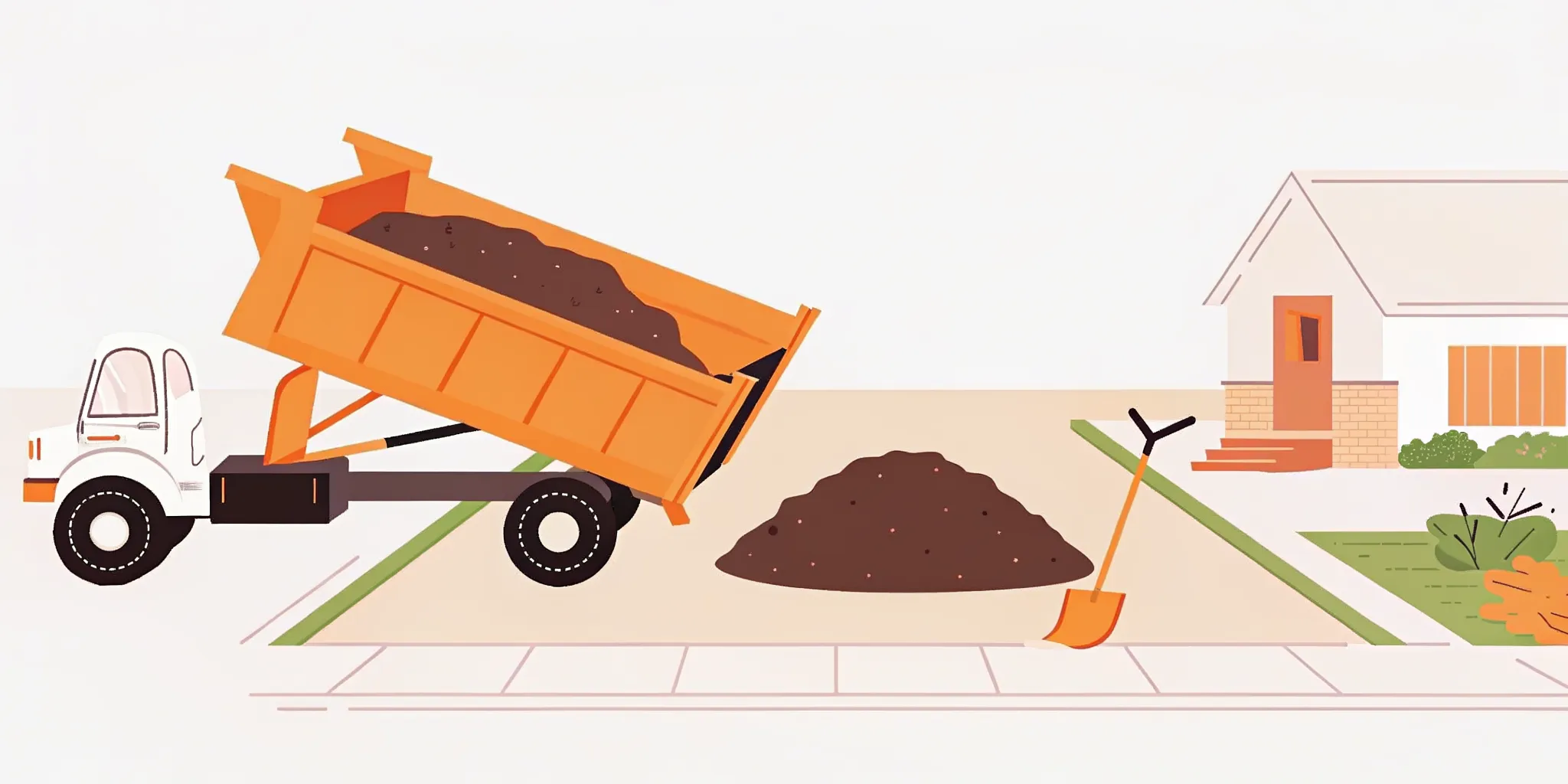
A successful landscaping project begins long before the delivery truck arrives. It starts with smart planning to avoid common, costly mistakes. Ordering too little soil means a second delivery fee, while ordering too much leaves you with a pile you don't need. Choosing the wrong blend can prevent your plants from thriving. This guide is designed to help you get it right the first time. We’ll explain how to select the perfect topsoil, accurately measure your space, and prepare your property for a smooth drop-off. Let’s walk through the essentials for a hassle-free bulk topsoil delivery from start to finish.
Key Takeaways
- Choose the right soil for the job: Your project's success starts with the correct foundation. Use enriched topsoil for gardens that need extra nutrients, screened topsoil for general lawn repairs, and sandy loam for areas requiring better drainage.
- Calculate correctly and prep for delivery: Avoid project delays by measuring your space accurately and ordering a little extra to account for settling. Before the truck arrives, pick a clear, accessible drop-off spot to ensure a smooth and damage-free delivery.
- Look beyond the price tag: Your total cost includes the soil, delivery distance, and order size, so always get a detailed quote. Choose a reputable supplier by checking for quality certifications and reading customer reviews to ensure you get a great product and reliable service.
What Kind of Topsoil Do You Need?
Choosing the right topsoil is the first step to a successful landscaping project. The best type for you depends entirely on what you plan to do with it, as each blend is designed for a specific purpose. Whether you're starting a garden, patching up your lawn, or laying a new flower bed, understanding the basic types will help you select the perfect foundation. Our soil delivery service can bring the right type directly to your home or job site.
Screened Topsoil for General Landscaping
Think of screened topsoil as your go-to for most general landscaping needs. This soil has been sifted to remove large debris like rocks and roots, leaving you with a smooth material that’s easy to work with. Quality topsoil typically contains a balanced mix of sand, silt, and clay, creating a crumbly texture that promotes root growth and water infiltration. It’s the perfect choice for leveling uneven areas in your yard, filling in bare spots before seeding, or creating a solid base for new sod. If you need a reliable, all-purpose soil, screened topsoil is an excellent starting point.
Enriched Topsoil for Gardens and Flower Beds
If you’re planting anything you want to eat or admire, enriched topsoil is your best friend. This blend starts with high-quality topsoil and adds nutrient-rich organic matter, like compost. A nutrient-dense soil provides a fertile foundation for vegetable gardens and vibrant flower beds. The added compost not only feeds your plants but also improves the soil's structure, helping it retain moisture while allowing for proper drainage. This means less watering for you and healthier, more productive plants, making it a worthwhile investment for any serious gardener.
Sandy Loam for Projects Needing Drainage
Does your yard have spots where water tends to pool after it rains, or are you planting species that prefer drier conditions? If so, sandy loam might be the solution. This type of soil has a higher percentage of sand, which creates more space for water to move through freely. This excellent drainage prevents roots from becoming waterlogged and rotting, a common problem in heavy clay soils. Sandy loam is also a great choice for creating a stable base under hardscaping projects like patios and walkways, ensuring water doesn’t sit and cause issues down the line.
Clay-Based Soil for Holding Moisture
On the other end of the spectrum is clay-based soil, which is ideal for projects where you need to retain moisture. The fine particles in clay soil are excellent at holding onto water, making it a great choice for thirsty plants or for amending soil in sunny spots that dry out too quickly. Healthy topsoil with good clay content retains nutrients to promote lush plant growth and strong root structures. By blending it into an overly sandy area, you can create a more balanced environment that holds water and nutrients right where your plants need them, reducing your watering chores.
How to Calculate How Much Topsoil You Need
Figuring out exactly how much topsoil to order can feel like a tricky math problem, but it’s simpler than you think. Getting the amount right is key. Ordering too little means a second delivery and a delayed project, while ordering too much leaves you with an extra pile of soil to deal with. To get an accurate estimate, you just need to measure your space, decide on the right soil depth, and use a simple formula. It’s also smart to factor in a little extra for settling. If you want to skip the manual math, you can always use a handy volume calculator to do the work for you.
Use the Simple Volume Formula
The basic formula for calculating volume is Length x Width x Depth. First, measure the length and width of your area in feet. Next, decide on the depth of topsoil you need in inches. Before you can do the math, you’ll need to convert your depth from inches to feet by dividing the number of inches by 12. For example, a 3-inch depth is 0.25 feet (3 ÷ 12 = 0.25). Once you have all your measurements in feet, multiply them together: Length (ft) x Width (ft) x Depth (ft). This gives you the total cubic feet. Since bulk materials are sold by the cubic yard, you’ll do one last conversion: divide your total cubic feet by 27 to find the number of cubic yards you need.
Measure Your Space Correctly
Accurate measurements are the foundation of a good calculation. Grab a tape measure and get the precise length and width of the area you plan to cover. If you’re working with a simple square or rectangle, this is straightforward. Just jot down the two numbers. If your space has an irregular shape, don’t worry. The easiest approach is to break it down into smaller, manageable rectangles or squares. Measure each small section individually, calculate the volume for each one, and then simply add all the totals together. This method ensures you’re not guessing or over-ordering for those tricky, curved garden beds or oddly shaped patches of lawn.
Decide on the Right Depth
The right depth of topsoil depends entirely on your project. You don’t want to spread it too thin or pile it on too thick. For topping up existing garden beds or planters, a layer of 2 to 3 inches is usually enough to add fresh nutrients. If you’re establishing a brand-new lawn from seed or sod, you’ll want a more substantial base. Plan to spread a layer of 3 to 6 inches of quality topsoil to give the roots plenty of room to grow strong. For filling raised beds, you’ll measure the depth from the bottom to just a few inches below the top edge.
Don't Forget to Account for Settling
Freshly delivered topsoil is fluffy and full of air pockets. Over time, with watering and natural compression, it will settle and become more compact. If you don’t account for this, your perfectly level garden bed might look a little low in a few weeks. A good rule of thumb is to add an extra 10% to your final calculation to make up for settling. This small buffer ensures that once the soil settles, your project will be at the exact height you planned for. It’s a simple step that prevents you from needing a small top-off order later on.
What to Expect on Delivery Day
Your topsoil is ordered, and the delivery day is marked on your calendar. A little bit of prep work now will make the entire process go smoothly, ensuring the truck can get in, drop your soil exactly where you need it, and get out without any hitches. Think of it as setting the stage for your project’s success. From clearing the path to knowing what to look for in your delivery, here’s a simple guide to getting ready for the big day. Following these steps will help you avoid any last-minute surprises and protect your property.
Prep Your Drop-Off Spot for Truck Access
First things first, decide exactly where you want the topsoil. Choose a spot that’s convenient for your project but also easily accessible for a large delivery truck. Remember, these trucks are heavy and need a solid, level surface to operate safely. A driveway is often the best choice. If you prefer the soil on your lawn, consider laying down a large, heavy-duty tarp first. This will protect your grass and make cleanup much easier later. If you can't be home for the delivery, be sure to clearly mark the spot with a cone, a bucket, or a sign so the driver knows exactly where to unload. Our delivery information page has more details on what our trucks need.
Clear Any Overhead or Underground Obstacles
Take a moment to look up and think about what’s underground. Delivery trucks are tall and heavy, so you’ll need to clear the path of any potential obstacles. Check for low-hanging tree branches, power lines, or even the eaves of your house that could get in the way. It’s also crucial to consider what’s below the surface. The weight of the truck could damage underground sprinkler systems, septic tanks, or utility lines. Make sure the path to your drop-off spot is clear of these hazards. Communicating any potential obstacles to us when you place your order helps ensure a safe and damage-free delivery for everyone.
Think About Scheduling and Timing
Weather plays a big role in a successful delivery. A heavy truck driving over soft, rain-soaked ground can leave deep ruts in your lawn and driveway. If possible, try to schedule your delivery for a dry day. Keep an eye on the forecast leading up to your delivery date; if heavy rain is predicted, it might be wise to reschedule. We want to protect your property as much as you do. Also, plan to be available during the delivery window. Being on-site allows you to guide the driver and answer any questions, ensuring the soil ends up right where you want it. For more on scheduling, check out our delivery FAQ.
Coordinate with the Delivery Driver on Placement
While you have the ideal drop-off spot in mind, the delivery driver has the final say based on safety. They are experts at maneuvering large vehicles and will assess the location for potential risks to your property and their equipment. They will do their absolute best to accommodate your request, but if a spot is too tight, on too much of a slope, or has hidden hazards, they will suggest an alternative. The key is clear communication and a little flexibility. Trust their professional judgment, as their top priorities are safety and preventing property damage. If you have specific concerns about your property, feel free to contact us ahead of time.
Inspect the Soil When It Arrives
Once the truck arrives and before the driver unloads, take a quick look at the topsoil. You want to make sure you’re getting the high-quality product you paid for. Good topsoil should have a dark, rich color, which indicates it's full of healthy organic matter. The texture should be crumbly and consistent, without a lot of large rocks, clumps of clay, or debris like sticks and trash. This quick quality check ensures you’re starting your project with the best possible material. We take pride in our NYSDEC-permitted compost sites and the quality they produce, which you can learn more about on our about page.
Store It Properly if You're Not Using It Right Away
If your project isn’t starting the moment the soil arrives, you’ll want to protect your pile. Cover the topsoil with a tarp and secure it tightly. This simple step does a few important things. It prevents the valuable nutrients from being washed away by rain, stops weed seeds from blowing in and taking root, and keeps the pile neat and contained. Protecting your soil ensures that when you are ready to use it, it will be in the same excellent condition as it was on delivery day. Proper storage is key to getting the most out of all our quality products.
What Affects the Cost of Topsoil Delivery?
When you’re planning a project, it’s easy to focus on the price of the topsoil itself. But the final number on your invoice includes more than just the dirt. Several factors influence the total cost of getting that rich, quality soil from our site to your property. Understanding these variables will help you budget accurately and avoid any surprises. From your location to the specific type of soil you choose, each element plays a role in the final price. Let’s walk through the key things that affect your topsoil delivery cost so you can plan your project with confidence.
Your Location and Delivery Zone
One of the biggest factors in your delivery cost is simply where you are. The price for delivery often changes based on how far away you are from the supplier’s yard. Think of it like a food delivery fee; the farther the driver has to travel, the more it will cost in fuel and time. We have a set delivery service area, and costs are calculated based on zones within that region. Before you place an order, it’s a good idea to confirm you’re within the delivery range and get a clear quote based on your specific address. This helps ensure there are no unexpected travel charges on your bill.
The Amount You Order
It might seem counterintuitive, but ordering a larger amount of topsoil can actually save you money in the long run. Buying in bulk often comes with a lower price per cubic yard. While the total cost of the order will be higher, the per-unit cost is reduced, which is a huge advantage for big projects. This is because it’s more efficient for us to send out one large truck than several smaller ones. To make sure you’re ordering the right amount and getting the best value, you can use a volume calculator to accurately measure your space and avoid over or under-ordering.
The Type and Quality of Soil
Not all topsoil is created equal, and the price will reflect that. A basic, unscreened fill dirt will cost less than a premium, screened topsoil that has been amended with rich organic compost. Quality topsoil contains a balanced mix of sand, silt, clay, and organic matter, which creates the perfect environment for healthy root growth. When you’re investing in your lawn or garden, choosing a higher-quality soil can make all the difference in your results. Be sure to look at the different soil products available to find the one that best fits your project’s needs and budget.
Seasonal Demand and Delivery Fees
Landscaping has a peak season, and just like with any industry, supply and demand can affect prices. In the spring, when everyone is eager to get their gardens started, demand for topsoil and delivery slots skyrockets. This can sometimes lead to higher delivery fees or longer wait times. If your project timeline is flexible, consider ordering your topsoil during the off-season, like in the late fall or winter. Planning ahead not only helps you avoid the spring rush but can also be a smart way to save a little money. You can always check our delivery FAQ for more information on scheduling.
Any Extra Services You Need
Your delivery cost might also change if you need any special accommodations. Standard delivery usually means the truck will drop the soil in one accessible pile on your driveway. However, if you need the driver to place the material in a tricky spot, split the load into multiple piles, or use special equipment, there may be extra fees. Some suppliers can even place large decorative boulders or other materials for an additional charge. It’s always best to be upfront about your property’s layout and any specific placement needs. Don’t hesitate to contact us directly to discuss your requirements so we can give you the most accurate quote possible.
How to Choose the Right Topsoil Supplier
Finding the right topsoil supplier is about more than just getting a good price. You’re looking for a partner who can provide a high-quality product, deliver it on your schedule, and offer great service from start to finish. A reliable supplier can make your project run smoothly, while a poor one can cause major headaches. To make sure you’re working with the best, focus on a few key areas. By asking the right questions and doing a little homework, you can find a company that will help your landscape thrive.
Look for Quality and Certifications
Not all topsoil is created equal. High-quality topsoil should have a balanced mix of sand, silt, clay, and organic matter, giving it a rich, crumbly texture that’s perfect for root growth. A reputable supplier will be transparent about where their soil comes from and how it’s processed. Look for companies that operate certified facilities, as this shows they adhere to strict quality and environmental standards. For example, our topsoil and compost are produced at NYSDEC-permitted sites, ensuring you get a consistent, premium product every time. Don’t be afraid to ask about the composition of the soil; a great supplier will be happy to tell you all about it.
Check Their Delivery Flexibility
Your project is on a schedule, and your topsoil delivery should fit into it, not disrupt it. Before you place an order, find out what the supplier’s delivery process looks like. Can they provide a clear delivery window? Do they offer different truck sizes to accommodate your property’s access points? A flexible supplier will work with you to find the best time and placement for your delivery. Clear communication is key. You want a company that keeps you in the loop and makes the entire process feel easy. You can usually find detailed delivery information on a supplier’s website, which can answer many of your initial questions.
Read Customer Reviews
Customer reviews are your best source for an unbiased look at a company. Before committing, spend some time on Google or other review sites to see what past customers are saying. Are people happy with the quality of the topsoil? Was the delivery on time and professional? Look for patterns in the feedback. A few negative reviews aren't necessarily a deal-breaker, but if you see the same complaints over and over again, it’s a red flag. Positive reviews that mention specific details, like helpful drivers or vibrant plant growth after using the soil, are a great sign that you’re looking at a trustworthy supplier.
Ask About Product Testing and Guarantees
A confident supplier knows their product inside and out. Don’t hesitate to ask if their soil is tested for things like pH balance, nutrient levels, and organic matter content. This information is crucial for ensuring the soil is right for your specific needs, whether you’re planting a vegetable garden or laying a new lawn. A company that regularly tests its products is committed to quality control. If a supplier is vague or unwilling to provide these details, it’s best to look elsewhere. You can always contact a supplier directly with your questions; their responsiveness will tell you a lot about their customer service.
Make Sure Pricing is Clear and Honest
While you want a fair price, the cheapest option isn’t always the best value. When getting a quote, make sure it’s all-inclusive. Ask if the price includes delivery, or if there are separate fees based on your location. A transparent supplier will provide a clear breakdown of all costs so there are no surprises on the final bill. Use an online volume calculator to get an accurate estimate of how much soil you need, which will help you compare quotes effectively. Ultimately, you’re paying for quality soil and reliable service, which will save you time, effort, and money in the long run.
Related Articles
Frequently Asked Questions
What's the real difference between topsoil and compost? Think of it this way: topsoil is the house, and compost is the furniture. Topsoil is the mineral-based foundation of your garden, providing structure for plant roots with its blend of sand, silt, and clay. Compost, on the other hand, is made entirely of decomposed organic matter. It's a nutrient-packed amendment you add to soil. Enriched topsoil gives you the best of both by mixing that nutrient-rich compost directly into the foundational topsoil, creating a perfect, ready-to-use home for your plants.
Can I just use the existing dirt in my yard for my garden? While it might seem like the easiest option, using the dirt already in your yard can be a gamble. Existing soil is often compacted, depleted of nutrients, and may contain weed seeds, rocks, or even construction debris. Buying quality topsoil means you're starting with a clean slate. It's been screened, tested, and balanced to provide an ideal environment for plants to grow, saving you the time and frustration of trying to fix problematic soil.
How do I choose between screened and enriched topsoil? The best choice comes down to your project's goal. If you are doing structural work like leveling a lawn, filling holes, or creating a base for new sod, screened topsoil is your best bet. It's a clean, workable material designed for building things up. If your goal is to grow things, like vegetables, flowers, or shrubs, you should choose enriched topsoil. The added compost provides the essential nutrients that growing plants need to be healthy and productive.
What should I do if I have leftover topsoil? Having a little extra topsoil is actually a great problem to have. You can use it to top-dress your lawn in the fall, which adds nutrients and improves its overall health. It's also perfect for filling in any low spots that might appear in your yard over time or for refreshing the soil in your potted plants and window boxes. Just be sure to cover the leftover pile with a tarp to keep it dry and prevent weeds from sprouting in it.
How far in advance do I need to schedule my delivery? It's always a good idea to plan ahead, especially during the busy spring and fall seasons. We recommend scheduling your delivery at least a few days to a week in advance. This gives you a better chance of securing the exact day and time that works for your schedule. It also gives you plenty of time to properly prepare your drop-off spot so that delivery day is quick, easy, and stress-free.