
The 6 Best Grass Seed Brands for a Lush Lawn
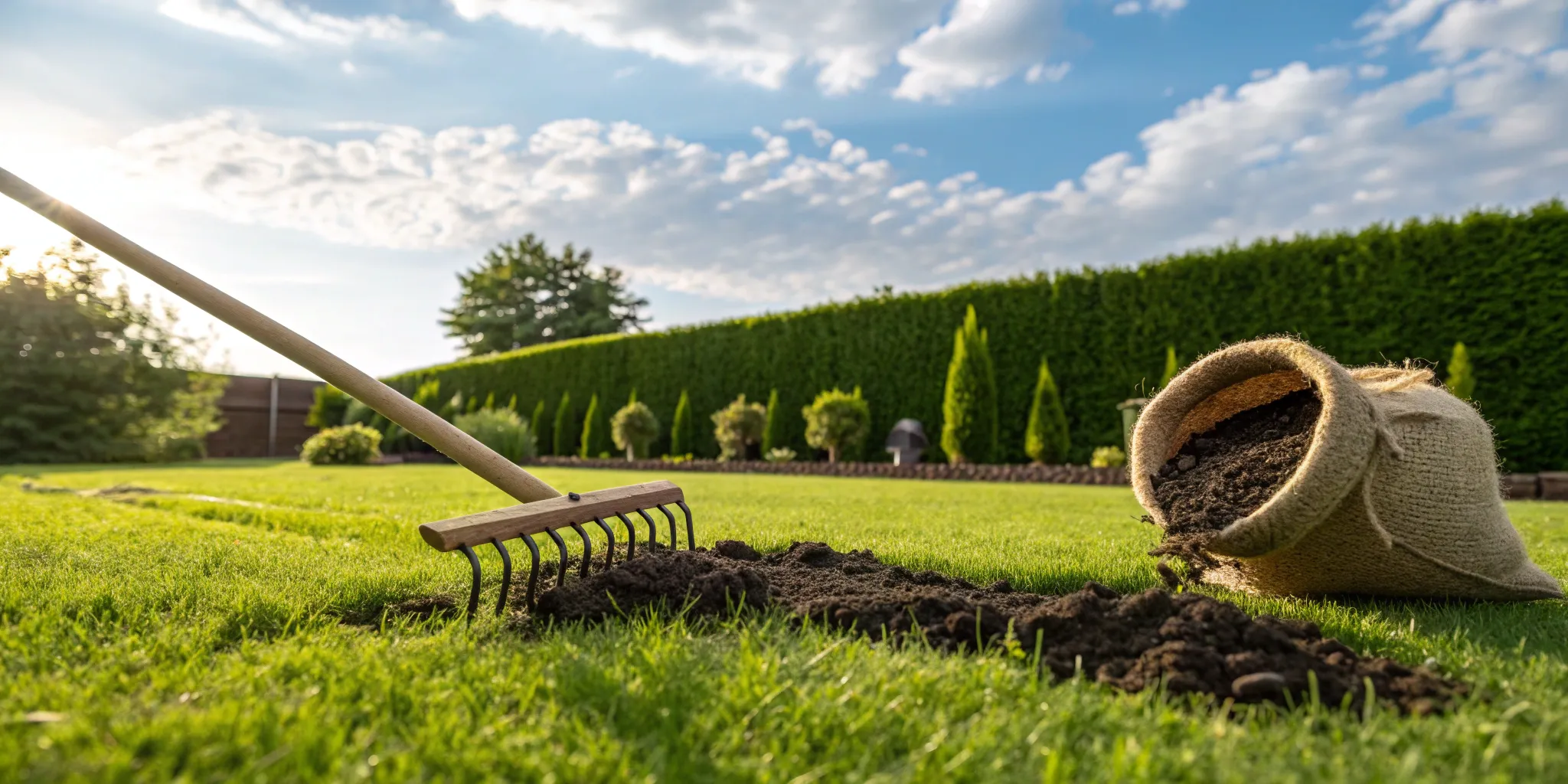
What makes a lawn thrive? It’s not just about regular watering or fertilizing. The real foundation of a healthy, beautiful lawn is choosing a seed that is genetically programmed to succeed in your specific environment. Think about your yard for a moment. Is it a sun-drenched play area for kids and pets, or a quiet, shady spot under mature trees? Answering simple questions like this is the first step toward finding the perfect match. This guide will help you assess your yard’s unique needs—from sunlight exposure to soil type—so you can select the best grass seed and set your lawn up for long-term success.
Key Takeaways
- Stick with Cool-Season Grasses: For a lawn that thrives in the Northeast, choose grass types like Tall Fescue, Kentucky Bluegrass, and Perennial Ryegrass. These varieties are specifically adapted to handle our distinct seasons, from cold winters to warm summers.
- Match the Seed to Your Specific Yard: Look beyond climate and consider your lawn's unique environment. A seed blend that accounts for your yard's sun exposure, shady spots, and foot traffic levels will always outperform a generic, one-size-fits-all option.
- Proper Prep is Non-Negotiable: The best seed will struggle in poor soil. Before planting, improve your ground with a layer of quality compost or topsoil and commit to a consistent watering schedule to give new seedlings the best chance to establish strong roots.
What Kind of Grass Seed Is Best for My Climate?
Before you even think about brands or special features, the most important factor in choosing grass seed is your climate. Grasses are generally split into two main camps: those that love cooler northern weather and those that thrive in the heat of the south. Picking the right type for your region is the first and most critical step toward growing a lawn that looks great year after year. Since our delivery area covers New Jersey, New York, Connecticut, and Pennsylvania, we'll focus on what works best right here in the Northeast. Understanding this basic difference will save you a lot of time, money, and frustration down the road. It ensures you’re working with nature, not against it, to get that lush, green carpet you’re picturing.
Cool-Season Grasses
If you live in the Northeast, cool-season grasses are your go-to. These varieties are built to handle our distinct seasons, showing the most growth in the cooler temperatures of spring and fall. Popular choices include Tall Fescue, known for its deep roots that make it durable and somewhat shade-tolerant. Kentucky Bluegrass is another favorite, famous for its beautiful blue-green color and ability to self-repair, making it great for active yards. Perennial Ryegrass is also a solid contender, valued for sprouting quickly to give you a fast, fine-bladed lawn. Most high-quality seed mixes, including the right seed & fertilizer, combine these types to create a resilient and attractive lawn.
Warm-Season Grasses
On the other side of the spectrum are warm-season grasses. Varieties like Bermudagrass and Zoysia are superstars in the southern United States, where they thrive in intense heat and sun. They are incredibly drought-tolerant and can handle heavy foot traffic, which is why you often see them on golf courses in warmer states. However, they are not suited for our climate in the Northeast. These grasses go dormant and turn brown during our cold winters, and they simply can’t survive the prolonged freezing temperatures. While they are excellent options for homeowners in the South, you’ll want to steer clear of them for your lawn in our region.
Find Your Climate Zone
Choosing the right grass is all about knowing your zone. The United States is divided into different climate zones that help gardeners and landscapers select plants that will flourish in their specific location. Here in the tri-state area, we are firmly in the cool-season grass zone. This means any seed mix designed for northern lawns will be your best bet. If you're curious, you can always check the USDA Plant Hardiness Zone Map to get a more precise idea of the conditions in your backyard. Knowing your zone helps you make informed decisions for not just your lawn, but your entire garden.
What Else Should I Consider When Choosing Grass Seed?
Beyond your climate zone, a few key factors will determine which grass seed will truly thrive in your yard. Think of it like this: climate gets you in the right ballpark, but your specific yard conditions will tell you which seat is best. Answering a few simple questions about your lawn’s environment and how you plan to use it will help you narrow down the options from a dizzying list to a handful of perfect choices. Taking a moment to consider sunlight, soil, foot traffic, and your own commitment to maintenance will save you a lot of time, money, and frustration down the road. It’s the difference between a lawn that struggles to survive and one that becomes a lush, green carpet you can be proud of. Getting these details right from the start sets the foundation for a healthy lawn that looks great for years to come. It's about working with your yard, not against it. By understanding these four elements, you can confidently select a seed that is genetically programmed to succeed in your specific environment, leading to less work for you and a more beautiful result.
How Much Sun Does Your Lawn Get?
Before you buy a single seed, take a day to observe your yard. Does it get baked in direct sun all day long, or is it dappled with shade from trees and buildings? Different grass types have very different needs for sunlight. Some varieties, like Kentucky bluegrass, love soaking up at least six to eight hours of direct sun. Others, like fine fescues, are built to thrive in varying sunlight conditions and can handle areas with more shade. Choosing a sun-loving grass for a shady spot will only lead to thin, patchy growth. Be honest about how much light each part of your lawn receives to pick a seed that will perform its best.
What's Your Soil Type?
Healthy grass starts with healthy soil. The ground beneath your feet is the foundation for your entire lawn, providing essential water and nutrients. If your soil is compacted, sandy, or heavy with clay, your grass will struggle no matter which seed you choose. The good news is that you can improve it. Before planting, it’s a great idea to loosen the existing soil and mix in a generous layer of nutrient-rich compost or topsoil. This not only adds vital organic matter but also improves drainage and aeration. A simple soil test can also tell you your soil’s pH level, which helps you know if you need to make adjustments for optimal grass growth.
Will Your Lawn Get a Lot of Foot Traffic?
Think about how you’ll be using your lawn. Will it be a pristine, ornamental landscape or the go-to spot for backyard soccer games, family barbecues, and pets? Some grass types are more delicate, while others are tough enough to handle constant activity. If you expect a lot of foot traffic, you’ll want to choose a durable, resilient grass variety. Grasses like tall fescue and Kentucky bluegrass have a robust growth habit that helps them recover quickly from wear and tear. Choosing a hard-wearing seed for high-traffic zones ensures your lawn stays green and full instead of developing worn-out patches.
How Much Maintenance Can You Handle?
Finally, it’s time for a little self-reflection. How much time and energy are you willing to put into lawn care? Some grass varieties are high-maintenance, requiring frequent mowing, watering, and fertilizing to look their best. Others are more self-sufficient and can tolerate a bit of neglect. Your local climate and soil type will also influence how much work is needed. For instance, a drought-prone yard will require more watering. Be realistic about your schedule and choose a grass seed that matches your lifestyle. You can find a variety of seed and fertilizer options that are suited for different maintenance levels.
What Are the Top Grass Seed Brands?
Once you know what you’re looking for, it’s time to choose a brand. Walking down the aisle at a big-box store can be overwhelming, with countless bags all promising the same thing: a perfect lawn. The truth is, some brands consistently deliver better results because they invest in higher-quality seed varieties and more effective blends. Let’s look at some of the most trusted names in the industry to help you find the right fit for your yard.
Organic Recycling's Seed & Fertilizer
For a straightforward, high-quality option perfectly suited for our local climate, look no further than our own curated selection of seed & fertilizer. We’ve chosen blends that are proven to thrive in the soil and weather conditions of Northern New Jersey and Southern New York. This takes the guesswork out of the equation. Plus, you get the added convenience of having your seed delivered right to your door along with your topsoil, compost, or mulch. It’s the simplest way to get everything you need for your lawn project in one go from a local supplier you can trust.
Jonathan Green Black Beauty
With a history stretching back to 1881, Jonathan Green is a name that has earned its reputation for quality. Their Black Beauty grass seed is a favorite among homeowners for its ability to grow a thick, dark green lawn. It’s primarily a mix of tall fescue varieties, which gives it fantastic resilience. This seed is designed to sprout quickly and establish deep roots, making it tough enough to handle both the summer heat and the winter cold. If you’re looking for a durable, beautiful lawn that can withstand a wide range of weather conditions, Black Beauty is a classic and reliable choice.
Pennington Smart Seed
Pennington is well-known for producing tough, adaptable grass seed. Their Smart Seed mixes are designed to be water-efficient, requiring up to 30% less water than ordinary grass seed year after year. This makes them an excellent choice for anyone looking to create a more sustainable and lower-maintenance lawn. Options like their Kentucky 31 Tall Fescue are celebrated for their durability and ability to perform well in a variety of challenging conditions. If you need a lawn that can hold its own without constant attention, Pennington’s resilient blends are definitely worth considering.
Scotts Turf Builder
Scotts is one of the most recognizable names in lawn care, and for good reason. Their Turf Builder line is a popular all-in-one solution that simplifies the seeding process. This product is a 3-in-1 mix that combines grass seed, fertilizer, and a soil improver. This combination helps the grass establish strong, deep roots right from the start. It’s designed to be incredibly versatile, growing well in areas that get a lot of sun, a lot of shade, or a mix of both. For beginners or anyone who wants a simple, effective product, Scotts Turf Builder is a top pick.
Nature's Seed
If you want a seed blend specifically tailored to your region, Nature's Seed is an excellent brand to explore. They specialize in providing high-quality, U.S.-grown seeds that are blended for optimal performance in different parts of the country. Their philosophy is that a healthy, durable lawn starts with the best possible seed. By focusing on regional conditions, they offer mixes that are naturally equipped to handle your local climate, soil, and environmental challenges. This customized approach helps ensure you’re planting a lawn that is set up for success from day one.
Barenbrug
For those tricky spots in your yard, like areas with dense shade, Barenbrug offers fantastic specialized solutions. They are experts in turfgrass research and cultivation, developing seed varieties that thrive where others might struggle. Their products are designed to adapt to changing light conditions and temperature fluctuations, making them ideal for lawns with diverse environments. Whether you need a shade-tolerant mix or a durable blend for a play area, Barenbrug’s tailored grass seed options provide professional-grade quality that can solve common lawn care headaches and help you achieve lush grass everywhere.
What's the Best Seed for Your Lawn's Unique Needs?
Even the most popular grass seed brands won’t perform well if they aren’t suited for your specific yard. Think about your lawn’s trouble spots. Is there a big oak tree that casts a shadow all afternoon? Do your kids and dog have a favorite path they run across constantly? Maybe you have a patch of yard that gets baked by the sun and is always the first to turn brown.
Choosing the right type of grass seed for these unique conditions is the secret to growing a lawn that looks great all season long. You might even find that you need a couple of different seed blends to address the different needs across your property. By matching the seed to the environment, you’re setting yourself up for success from the very beginning. Let’s walk through some common lawn challenges and the types of grass seed that can solve them.
For Shady Areas
Growing grass under large trees or next to buildings can feel like an impossible task. Most turfgrass loves sun, but some varieties are specifically adapted to thrive with less light. If you have a shady, low-traffic spot, Fine Fescues are an excellent choice. These grasses are known for their ability to grow in areas with limited sunlight. For those really challenging spots, a specialized blend like Jonathan Green Black Beauty Dense Shade is formulated to establish a beautiful lawn even in deep shade. These seeds give you a fighting chance to finally get some green in those tricky, darker corners of your yard.
For High-Traffic Lawns
If your lawn is the go-to spot for neighborhood soccer games, family barbecues, or a very active dog, you need a grass that can handle the pressure. High-traffic areas require durable grass types that can recover quickly from wear and tear. Kentucky Bluegrass is a fantastic option, known for creating a dense, resilient lawn that can repair itself. For an even tougher solution, a variety like Pennington Kentucky 31 Tall Fescue is specifically recommended for its durability. These grasses are built to withstand constant foot traffic, so you can actually live on your lawn without worrying about creating permanent bare spots.
For Drought-Prone Yards
Does your lawn get full, intense sun all day? If you’re tired of constantly watering just to keep things from turning brown, choosing a drought-tolerant seed is a game-changer. Turf-Type Tall Fescue is a top performer here, thanks to its deep root system that can reach water far below the surface. This makes it naturally more resistant to heat and dry spells. Brands like Jonathan Green have developed tall fescue blends, like their Black Beauty grass seed, that are specifically bred to handle tough summer conditions. Planting a drought-tolerant grass means less time spent watering and more time enjoying a consistently green lawn.
For Quick Results
Whether you're patching up bare spots or just eager to see some green, sometimes you need grass that grows fast. For quick germination, nothing beats Perennial Ryegrass. It sprouts incredibly quickly, making it perfect for overseeding an existing lawn or repairing damage. In many seed mixes, Perennial Ryegrass acts as a "nurse plant," which means it grows fast to provide cover and protection for slower-growing grasses like Kentucky Bluegrass as they establish. If you need to fix a problem area fast or just want the satisfaction of seeing sprouts in a week, a blend with a high percentage of Perennial Ryegrass is the way to go.
How Do I Plant and Care for New Grass Seed?
You’ve picked out the perfect grass seed, and now you’re ready to get that lush, green lawn you’ve been dreaming of. But before you start scattering seeds, remember that planting and care are just as important as your choice of seed. Giving your new grass the right start is the secret to a healthy, resilient lawn that will look great for years to come. It’s not complicated, but following a few key steps for soil prep, watering, and long-term care will make all the difference. Think of it as setting your lawn up for success from day one. Let’s walk through exactly what you need to do to turn that bag of seed into a beautiful yard.
Prep Your Soil and Pick the Right Time to Plant
Great soil is the foundation of a healthy lawn. Before you plant, take some time to prepare the ground. Start by clearing the area of any weeds, rocks, or debris. Next, you’ll want to loosen the soil at least six inches deep with a tiller or a sturdy garden rake to give the new roots plenty of room to grow. This is the perfect time to improve your soil’s quality by mixing in a generous layer of organic compost. This step adds vital nutrients and helps the soil retain moisture. Once your soil is prepped, you can spread your seed. The best time to plant depends on your climate zone and grass type, but generally, fall is ideal for cool-season grasses and late spring for warm-season varieties.
Create a Watering Schedule for New Seedlings
Water is absolutely critical for getting your new grass seeds to germinate and grow. For the first few weeks, your main goal is to keep the top layer of soil consistently moist, but not waterlogged. This usually means watering lightly two to three times a day for about five to ten minutes each time. You want to avoid creating puddles or washing the seeds away. Once your new grass sprouts and reaches about two inches tall, you can change your strategy. Instead of frequent, shallow watering, switch to a deep watering schedule once or twice a week. This encourages the roots to grow deeper into the soil, which will make your lawn stronger and more drought-tolerant in the long run.
Fertilize and Maintain Your Lawn Through the First Year
Your new grass will need plenty of nutrients to establish a strong root system and grow into a thick, healthy turf. About four to six weeks after the seeds have germinated, it’s time to apply a starter seed & fertilizer designed for new lawns. This will give your seedlings the food they need to thrive. When it comes to the first mow, be patient. Wait until the new grass is at least three inches tall, and make sure your mower blade is sharp to avoid pulling the young plants out of the ground. Throughout the first year, continue to water deeply, mow high, and address any weeds that pop up to ensure your new lawn gets the best possible start.
Where Can I Buy Quality Grass Seed in Northern NJ and NY?
Once you’ve figured out which type of grass seed is perfect for your yard, the next step is finding a reliable place to buy it. For homeowners and landscapers in Northern New Jersey and Southern New York, you have a few great options, each with its own set of perks. You can head to a big-box store, order from a national brand online, or work with a local landscape supplier. The right choice really depends on the scale of your project, how much guidance you need, and whether you’re buying other materials for your lawn at the same time.
Choosing where to buy your seed is just as important as choosing the seed itself. A good supplier can offer high-quality products that aren’t full of fillers, provide advice tailored to our region’s specific climate and soil, and even help you get everything you need for your project in one go. Whether you're patching a small spot or seeding an entire property, finding the right source ensures you're not just buying a bag of seed, but investing in the future health of your lawn. Let’s walk through the best places to source your seed so you can get your lawn project started on the right foot.
Why Shop at a Local Landscape Supplier
When you’re trying to grow a healthy lawn in our specific corner of the world, local knowledge is a game-changer. Big national brands are great, but a local landscape supplier understands the unique challenges of our soil and weather. They can offer personalized advice and recommend specific seed & fertilizer blends that are proven to thrive in Northern NJ and NY yards. Instead of guessing which bag to grab off the shelf, you get expert guidance from people who work with local lawns every single day. This kind of insight can save you from the frustration of a failed seeding and help you get the lush, green results you’re looking for.
The Convenience of Ordering Online
If you prefer to do your research from the comfort of your couch, ordering online is an incredibly convenient option. Online seed retailers often provide a huge selection, allowing you to compare different brands and types of grass easily. Many specialized companies, like Nature's Seed, focus on selling high-quality, non-GMO seeds without any fillers, so you know you’re getting a pure product. You can read reviews, compare prices, and have the seeds delivered right to your door. This is a fantastic choice if you already know exactly what you need and value a wide selection and the ease of online shopping.
Save Time and Money with Bulk Delivery
For larger lawn projects, like starting a new lawn from scratch or overseeding a significant area, bundling your supplies is the smartest way to go. If you need topsoil or compost along with your grass seed, ordering everything from one supplier can save you a ton of time and hassle. Organic Recycling offers a convenient delivery service that brings all your landscape supplies—from seed and fertilizer to mulch and soil—directly to your property. This one-stop-shop approach not only simplifies logistics but can also be more cost-effective than placing multiple orders from different vendors. You get everything you need in a single, scheduled drop-off, letting you focus on the actual work of creating your beautiful lawn.
So, Which Grass Seed Is Right for You?
After exploring all the options, it’s time to make a decision. Choosing the right grass seed really comes down to your lawn's specific conditions and what you want to get out of it. Since our service area is primarily in the Northeast, you’ll be looking for cool-season grasses that can handle our distinct seasons. Let’s match your goals to the perfect seed type.
For a Classic, Picture-Perfect Lawn
If your goal is a lush, dense, and beautifully green carpet of grass, Kentucky Bluegrass is your go-to. It’s celebrated for its rich, dark color and ability to spread via underground stems called rhizomes. This unique feature allows it to naturally fill in small bare spots, creating a thick, uniform turf that feels amazing underfoot. This variety thrives in full sun and requires a bit more attention with watering and fertilizing, but the payoff is that classic, manicured look many homeowners dream of. It’s the ideal choice for front yards and other highly visible areas where curb appeal is the top priority.
For a Tough, Play-Ready Yard
Do you have kids, pets, or plan on hosting a lot of backyard barbecues? You need a grass that can stand up to heavy foot traffic. A blend featuring Tall Fescue is an excellent choice. Its deep root system makes it incredibly durable and gives it great drought and heat tolerance. To cover all your bases, look for a mix that also includes Perennial Ryegrass. It germinates in a flash—sometimes in as little as a week—making it perfect for quickly repairing worn-out areas. This combination gives you both long-term resilience and fast results, getting your lawn ready for action in no time.
For Those Tricky, Shady Spots
Nearly every yard has that one spot—under a big tree or along the side of the house—where grass struggles to grow. Don’t give up and cover it with mulch just yet! Fine Fescues are specifically adapted for low-light conditions. Unlike sun-loving grasses, they can thrive with just a few hours of dappled sunlight each day. They have a fine, soft texture and are relatively low-maintenance, often requiring less water and fertilizer than other types. This makes them the perfect, easy-care solution for those challenging, shady areas where other grasses have failed. You can often find them in seed mixes specifically labeled for shade.
Frequently Asked Questions
When is the best time to plant grass seed in the Northeast? For our region, early fall is the absolute best time to plant. The soil is still warm from the summer, which helps the seeds germinate quickly, but the cooler air temperatures are less stressful for the new grass sprouts. You'll also face less competition from weeds compared to the spring. If you miss the fall window, early spring is your next best bet, but aim to get it done before the summer heat arrives.
My lawn has both sunny and shady spots. Do I need to buy different seeds for different areas? Not at all. This is a very common situation, and it's exactly why most high-quality seed products are actually blends of different grass types. A good sun and shade mix will contain varieties that love direct light and others that are adapted for lower-light conditions. As you spread the seed, the types best suited for each spot will naturally take hold, giving you a more consistent and healthy lawn across your entire yard.
Can I just sprinkle grass seed on my existing lawn to make it thicker? While it's a tempting shortcut, you'll get much better results with a little prep work. For seeds to germinate, they need to make direct contact with the soil. Simply tossing them onto a thick or matted lawn means most seeds will never reach the ground. At a minimum, you should vigorously rake the area to loosen the surface. For an even better outcome, spread a thin layer of compost or topsoil over your existing lawn before seeding to give the new seeds a perfect place to take root.
How soon will I see results after planting? This depends on the type of seed you use. Some grasses, like Perennial Ryegrass, are known for sprouting very quickly, sometimes in as little as 5 to 7 days. Other varieties, such as the beautiful Kentucky Bluegrass, are more patient and can take two to three weeks to appear. The key is consistent watering and patience. Even if you don't see sprouts right away, stick with your watering schedule to keep the seeds viable.
Besides the right seed, what is the most important thing for a new lawn? The success of your new lawn comes down to two critical factors: soil preparation and watering. You can have the best seed in the world, but it will struggle in compacted, nutrient-poor soil. Taking the time to loosen the ground and mix in a quality compost or topsoil creates the foundation for a healthy root system. After planting, a consistent watering schedule that keeps the soil moist is absolutely essential for the seeds to sprout and establish themselves.