
Best Grass Seed for Fall Overseeding: A Guide
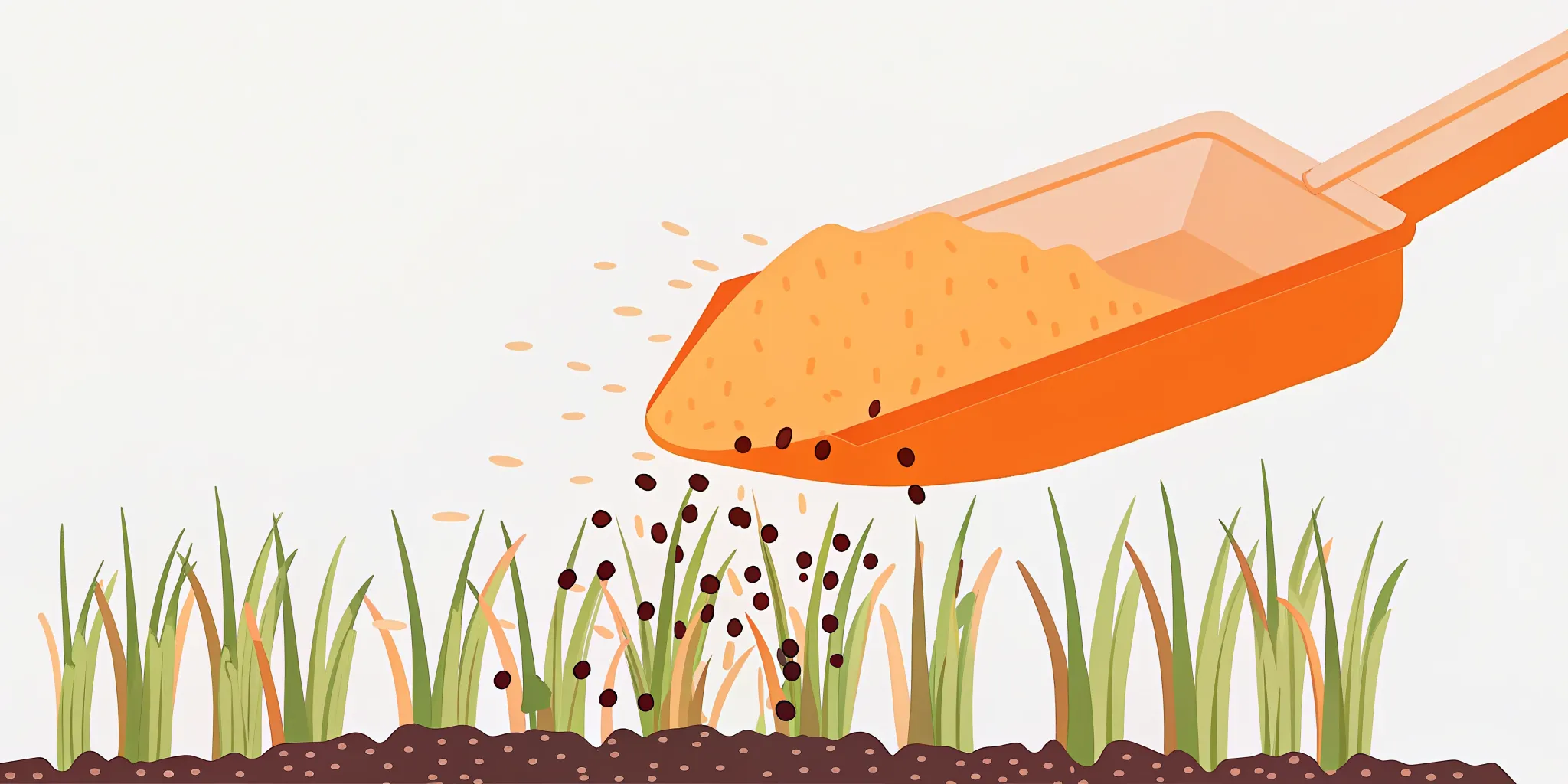
A thick, vibrant, carpet-like lawn is the goal for many homeowners, but achieving it requires more than just regular mowing. The secret to a truly dense and healthy turf is working with the seasons to your advantage. Fall provides the perfect opportunity to strengthen your lawn by overseeding. This simple technique involves adding new grass seed to your existing turf, which helps it become thicker and more robust. A denser lawn is your best natural defense against weeds and pests, and it holds up better to daily life. This guide will show you how to choose the best grass seed for overseeding in fall and give you a clear plan to transform your tired yard into a lush, green space.
Key Takeaways
- Choose the right seed and time for your lawn: Select a high-quality, cool-season grass seed blend that matches your yard's sun exposure and foot traffic. Aim to seed in the fall when warm soil and cool air create the perfect growing conditions for new grass.
- Prepare your lawn for seed-to-soil contact: Don't just spread seed over your existing lawn. Mowing low, dethatching, and aerating are non-negotiable steps that clear the way for seeds to reach the soil and successfully germinate.
- Nurture new seedlings with proper care: Keep the seedbed consistently moist with light, frequent watering until germination. Afterward, transition to deeper watering, hold off on mowing until the grass is three inches tall, and keep foot traffic off the lawn to protect fragile new growth.
Why Overseed Your Lawn This Fall?
If you've ever looked at your lawn after a long, hot summer and felt a little disappointed by thin patches or sun-scorched spots, you're not alone. Overseeding is the simple, effective process of spreading new grass seed over your existing lawn. Think of it not as starting over, but as giving your turf a major refresh. It’s one of the best things you can do to prepare your lawn for the year ahead, ensuring it comes back stronger, greener, and more resilient than ever. By introducing new grass, you thicken the turf, improve its overall health, and set the stage for a beautiful, durable lawn.
The Payoff: A Thicker, Healthier Lawn
The main goal of overseeding is to build a denser, more robust lawn. When your grass is thick and lush, it naturally crowds out weeds, leaving them with no room to grow. A dense lawn is also your best defense against pests and diseases. It fills in any bare spots caused by summer foot traffic, heat stress, or pet activity, creating a uniform, carpet-like appearance. By investing a little time in the fall, you’re helping your lawn develop a stronger root system that can better withstand the stress of winter cold and the following summer's heat. The right seed & fertilizer combination is key to achieving these results and transforming a tired lawn into a vibrant one.
Why Fall is the Perfect Time to Seed
Timing is everything in lawn care, and fall offers the perfect conditions for growing new grass. The soil is still warm from the summer sun, which encourages seeds to germinate quickly. At the same time, the cooler air temperatures reduce stress on the delicate new grass sprouts. There’s also typically more rainfall in the fall, which means you won't have to water quite as obsessively. Plus, most aggressive weeds have finished their growth cycle for the year, giving your new grass less competition for sunlight, water, and nutrients. This ideal combination of warm soil and cool air gives the new seedlings plenty of time to establish strong roots before winter arrives, setting them up for vigorous growth next spring.
What Are the Best Grass Seeds for Fall?
Choosing the right grass seed can feel like a big decision, but it really comes down to your lawn’s specific needs. For those of us in the Northeast, cool-season grasses are the way to go. They thrive in the fall’s mild days and cool nights, giving them a head start for a beautiful spring. The best choice for you depends on factors like how much sun your yard gets, how much foot traffic it sees, and the kind of look you’re going for. Let’s break down the most popular options so you can pick the perfect seed for your lawn.
Perennial Ryegrass: For Quick Results
If patience isn’t your virtue, Perennial Ryegrass is your friend. It’s famous for its speedy germination, often sprouting in just five to seven days. This makes it perfect for quickly filling in bare spots or for anyone who wants to see green results fast. Perennial Ryegrass has a fine texture and a lovely deep green color, creating a lush look in a short amount of time. Because it establishes so quickly, it’s often included in seed & fertilizer blends to act as a "nurse grass," providing quick cover and stability while slower-growing varieties like Kentucky Bluegrass take their time to fill in.
Kentucky Bluegrass: For Dense, Lush Coverage
When you picture a perfect, dense, carpet-like lawn, you’re probably thinking of Kentucky Bluegrass. This variety is the gold standard for beautiful turf. Its key feature is its ability to spread via underground stems called rhizomes, allowing it to naturally fill in thin areas and repair itself from damage. While it takes a bit longer to germinate, the payoff is a durable, resilient, and gorgeous lawn. For Kentucky Bluegrass to truly thrive, it needs plenty of sunshine and a healthy foundation. Ensuring it has a nutrient-rich base of quality topsoil delivered to your home will give it the best possible start.
Tall Fescue: For High-Traffic Areas
If your lawn is the go-to spot for backyard parties, kids’ soccer games, or playing fetch with the dog, you need a grass that can handle the action. Tall Fescue is a true workhorse. It’s known for its exceptional durability and ability to withstand heavy foot traffic without looking worn out. Its deep root system also makes it more drought-tolerant than many other cool-season grasses, so it stays greener with less water during dry spells. Modern Tall Fescue varieties have a much finer texture than their predecessors, offering both strength and beauty for a lawn that’s meant to be lived on.
Fine Fescue: For Those Shady Spots
Nearly every yard has that one tricky area under a big tree or on the north side of the house where grass struggles to grow. This is where Fine Fescue comes to the rescue. It’s not a single type of grass but a family of them (including Creeping Red, Chewings, and Hard Fescue) that are celebrated for their excellent shade tolerance. As the name suggests, these grasses have a very fine, delicate texture and a soft feel. They are also relatively low-maintenance, requiring less water and fertilizer than other varieties. If you’re dealing with shady patches, a seed mix that contains Fine Fescue is your best bet for achieving green coverage.
How to Choose the Right Grass Seed
Walking into a garden center and seeing a wall of grass seed bags can feel a little overwhelming. With so many different types and blends, how do you know which one is right for your yard? The good news is that it’s not as complicated as it looks. Choosing the right seed comes down to understanding your lawn’s specific conditions and knowing what to look for on the label.
Think of it like picking a plant for your garden. You wouldn’t put a sun-loving flower in a shady corner, and the same logic applies to your grass. By considering factors like your local climate, how much sun your yard gets, and the quality of the seed itself, you can confidently select a product that will give you the best results. A little bit of homework now will pay off with a thick, green lawn that you can enjoy for years to come. Let’s break down exactly what you need to look for.
Read the Label: Check Germination and Purity
Before you put any bag of seed in your cart, flip it over and read the analysis tag. This little label is packed with crucial information. First, look for the germination rate. This percentage tells you how many of the seeds are likely to sprout and grow. You want to see a rate of 85% or higher to ensure you’re not wasting your money on duds. Next, check the weed seed content. This should be 0.00%. Even a tiny fraction of a percentage can introduce thousands of unwanted weed seeds into your lawn, creating a whole new problem to deal with down the road.
Match the Seed to Your Sunlight Conditions
Take a day to observe your lawn. Where does the sun hit most of the day? Are there areas under large trees or next to the house that are almost always in the shade? Answering these questions will help you choose the right seed. For those bright, sunny spots, you’ll want a grass that thrives in direct sunlight. For areas with low light, look for a specialized shade mix or a variety like fine fescue, which is known for its ability to grow well without much sun. Many lawns have a mix of both, which is where seed blends really shine.
Consider Your Climate and Soil Type
Since we live in a region with four distinct seasons and cold winters, you’ll want to stick with cool-season grasses. These varieties, like Kentucky bluegrass and perennial ryegrass, are designed to thrive in the spring and fall and can withstand our colder temperatures. They grow best when the soil is between 50 and 65 degrees Fahrenheit. It’s also important to give your new seed the best possible foundation. If your soil is compacted or lacks nutrients, amending it with a high-quality topsoil delivery can make a world of difference in how well your new grass establishes itself.
Why a Seed Blend Might Be Your Best Bet
For most lawns, a high-quality seed blend is the way to go. Think of it as building a team where each player has a different strength. A mix of different grass types, such as Kentucky Bluegrass, Perennial Ryegrass, and Fescues, creates a more resilient and adaptable lawn. One variety might be more drought-tolerant, while another is better at handling foot traffic or growing in partial shade. This diversity means your lawn as a whole is better equipped to handle whatever the seasons throw at it. When you’re ready to purchase, we offer premium seed and fertilizer options to get you started.
When Should You Start Overseeding in the Fall?
Timing is one of the most critical factors for a successful overseeding project. You can buy the best seed and prep your lawn perfectly, but if you spread it at the wrong time, you’ll likely see disappointing results. Seeding too early in late summer means your new grass will struggle against the heat and compete with aggressive summer weeds. Seeding too late in the fall won't give the tender seedlings enough time to establish strong roots before the first frost hits, leaving them vulnerable to winter damage.
Fall offers a sweet spot for the cool-season grasses common in our region. The combination of warm soil and cool air creates the perfect environment for seeds to germinate and establish strong roots before winter arrives. Think of it as giving your new grass a running start for a lush, green return next spring. To get it just right, you need to pay attention to a few key signals from nature. It’s less about a specific calendar date and more about understanding the ideal soil temperature and your local climate patterns. Getting this window right is the first step toward a thicker, healthier lawn that can stand up to the challenges of the changing seasons.
Pinpoint Your Perfect Seeding Window
The secret to fall overseeding success lies in its unique conditions. The soil is still warm from the summer sun, which encourages seeds to sprout quickly. At the same time, the cooler air temperatures reduce stress on the new grass seedlings. Plus, fall often brings more consistent rainfall, meaning you might not have to water as frequently. This ideal combination helps the new grass develop a robust root system before the ground freezes. You're essentially working with nature, not against it, giving your lawn the best possible chance to thicken up and thrive. It's the perfect time to introduce high-quality seed & fertilizer to your lawn.
Check the Soil Temperature
Instead of just watching the calendar, pay attention to the soil temperature. This is the most reliable indicator that it’s time to seed. Cool-season grasses, like fescue and ryegrass, germinate best when soil temperatures are consistently between 55 and 65 degrees Fahrenheit. You can easily check this with a simple soil thermometer, which you can find at most garden centers. This warm soil gives your seeds the energy they need to sprout and grow strong. If you seed when the soil is too cold, germination will be slow and patchy. Seeding when it's too hot can stress the young grass. Hitting that temperature sweet spot is key for fast, even growth.
Know Your Region's Ideal Timeline
For those of us in the Northeast, including New Jersey, New York, and Connecticut, the ideal time for fall overseeding is typically from late August through early October. The main goal is to give your new grass at least four to six weeks to establish before the first hard frost. A great way to plan is to find the average first frost date for your specific area and count backward. This ensures your tender new grass blades are mature enough to survive the winter. Waiting too long can leave your new seedlings vulnerable, so planning ahead makes all the difference for a successful spring lawn.
How to Prep Your Lawn for Seeding Success
Before you even think about opening that bag of grass seed, you need to give your lawn a little TLC. Proper preparation is the single most important factor in getting your new seed to germinate and thrive. Think of it as creating the perfect canvas for a painting. A well-prepped lawn ensures the seeds make direct contact with the soil, giving them the best possible start to grow into the thick, green turf you’re picturing. Skipping these steps is like trying to build a house on a shaky foundation; it just won’t hold up. Taking the time to complete this prep work will make all your seeding efforts worthwhile and set you up for a lawn you can be proud of next spring.
Mow, Dethatch, and Clear Debris
First things first, give your lawn a fresh, short haircut. Mow your grass a bit shorter than usual, aiming for about one to two inches high. This allows sunlight to reach the soil and prevents the existing grass from overshadowing the new seedlings as they sprout. Next, it’s time to dethatch. Thatch is that layer of dead grass, roots, and other organic matter that builds up between the soil and the green grass blades. A thick layer can act like a barrier, blocking seeds from ever reaching the soil. You can use a stiff rake to break it up and remove it. Finally, clear away any leaves, sticks, or other debris so your lawn is completely clear.
Aerate for Better Seed-to-Soil Contact
After clearing the surface, it’s time to address what’s underneath. Aerating your lawn is key to relieving soil compaction. Over time, especially in high-traffic areas, soil can become hard and dense, making it difficult for roots to grow and for water to penetrate. By poking holes in the soil, you create pathways for air, water, and nutrients to reach the root zone. This process also creates the perfect little pockets for your new grass seed to settle into, ensuring the excellent seed-to-soil contact that is so critical for germination. For small bare patches, you can simply use a garden rake to gently scratch up the surface before seeding.
Test and Amend Your Soil with Quality Topsoil
Great grass starts with great soil. For the best results, it’s a good idea to test your soil’s pH level. Most grass types prefer a slightly acidic to neutral pH, and if your soil is off, the grass won’t be able to absorb nutrients effectively, no matter how much you fertilize. After aerating is the perfect time to amend your soil. Spreading a thin layer, about a quarter-inch, of nutrient-rich compost or high-quality topsoil across your lawn will improve its structure and give your new seeds a healthy foundation to establish strong roots. This simple step can make a huge difference in the long-term health of your lawn.
How to Apply and Establish New Grass Seed
You’ve prepped your lawn and chosen the perfect seed. Now for the rewarding part: application. Getting this step right is what turns all that hard work into a lush, green lawn. It’s all about giving those new seeds the best possible start in life. By following a few key steps for spreading, fertilizing, and watering, you’ll set your lawn up for success and ensure those tiny seeds germinate and thrive.
Calculate Your Seed Coverage Rate
First things first, you need to know how much seed to use. Grass seed is sold by the pound, and the amount you need depends on the type of grass. For example, fescue and ryegrass seeds are larger, so you’ll need more pounds per 1,000 square feet compared to smaller bluegrass seeds. Always check the packaging for the recommended coverage rate for your specific blend. Calculating this correctly prevents you from wasting seed or applying it too thinly. Once you know your numbers, you can find the right seed & fertilizer to get the job done.
Spread the Seed for Even Distribution
To avoid a patchy lawn, aim for consistent coverage. The best way to achieve this is with a broadcast or drop spreader. These tools help you spread the grass seed evenly across your entire lawn, ensuring every area gets the right amount. For any bare spots that need extra attention, you can go back and apply a little more seed by hand. Taking the time to get an even spread now will pay off with uniform growth later, giving you that seamless, carpet-like look you’re after.
Add a Starter Fertilizer for Strong Roots
New grass seedlings are hungry, and a starter fertilizer is the perfect first meal. This type of fertilizer is specially formulated to help new grass grow strong, deep roots. Applying a starter fertilizer right after you spread your seed gives the seedlings the essential nutrients they need to germinate quickly and establish themselves before the colder weather sets in. Think of it as a welcome package for your new grass, giving it everything it needs to build a solid foundation for healthy, long-term growth.
Create an Initial Watering Schedule
Water is the final, crucial ingredient for germination. For the first couple of weeks, your goal is to keep the top inch of soil consistently moist, but not waterlogged. This usually means watering lightly a few times a day, especially if it’s hot or windy, to prevent the soil from drying out and forming a hard crust. You’re not trying to soak the ground, just keep the seeds damp so they can sprout. Within 7 to 10 days, you should start to see tiny green sprouts emerge, signaling that your new grass is on its way.
How to Care for Your Newly Seeded Lawn
You’ve prepped the soil and spread the seed, but the work isn’t quite done. The first few weeks are critical for turning those tiny seeds into a lush, durable lawn. Giving your new grass the right care from the start helps ensure all your effort pays off. With a little attention to watering, mowing, and traffic, you’ll establish a healthy lawn that will thrive for years to come.
Transition to Deeper, Less Frequent Watering
For the first couple of weeks, your main job is to keep the top layer of soil consistently moist to help the seeds germinate. This means watering lightly a few times a day, especially when it’s hot or windy, so the soil surface doesn’t dry out and form a crust.
Once you see your new grass sprouting, it’s time to change your watering strategy. Begin to water less often but more deeply. This encourages the grass roots to grow down into the soil in search of moisture, which builds a stronger, more drought-resistant lawn. A quality seed & fertilizer blend gives your lawn the best start, and proper watering helps it reach its full potential.
Know When It's Time for the First Mow
It can be tempting to mow as soon as you see green, but patience is key. Wait until the new grass blades are about three to four inches tall before you even think about the first cut. Mowing too soon can stress the delicate seedlings and pull their shallow roots right out of the ground.
For that first mow, make sure your mower blade is sharp for a clean cut. Set your mower to a high setting and aim to trim the grass down to about three inches. A good rule of thumb is to never remove more than one-third of the blade’s height at one time. This approach helps the grass develop a robust root system in the healthy topsoil you laid down.
Protect New Grass from Foot Traffic
Your new grass is fragile, and walking on it can be a major setback. Foot traffic from people and pets compacts the soil and can crush the tender seedlings before they have a chance to establish themselves. To get that thick, resilient lawn you’re working toward, you need to protect it while it’s young.
Try to keep everyone off the newly seeded areas for at least a few weeks. If you have kids or pets, consider roping off the area with stakes and string to create a visual barrier. You can find everything you need among our landscape supplies. Protecting your lawn now allows it to grow strong enough to handle regular activity later.
Common Overseeding Mistakes to Avoid
You’ve put in the work to choose the right seed and prep your lawn, so the last thing you want is for a simple mistake to undo all your effort. Overseeding is straightforward, but a few common missteps can get in the way of achieving that lush, green lawn you’re picturing. By being aware of these pitfalls, you can make sure your project is a success from start to finish. Let’s walk through what to watch out for.
Skipping Proper Lawn Prep
This is probably the most common mistake, and it’s a big one. Tossing seeds onto a lawn that hasn’t been prepped is like trying to plant a garden on concrete. The seeds need to make direct contact with the soil to germinate and grow roots. Before you even open your bag of seed, mow your lawn a little shorter than usual and clear away any leaves, grass clippings, or other debris. If your soil is compacted, aerating will make a huge difference by creating small channels for seeds, water, and nutrients to penetrate the ground. Proper prep gives your new grass the best possible start.
Using the Wrong Type or Quality of Seed
When it comes to grass seed, you really do get what you pay for. Grabbing the cheapest bag off the shelf can lead to a weak, patchy lawn that’s susceptible to disease and pests. It’s worth investing in a high-quality seed and fertilizer mix designed for our region. Look for blends that combine different grass types, like Kentucky Bluegrass, Perennial Ryegrass, and Fescues. A good blend creates a more resilient lawn that can handle a variety of conditions, from shady spots to sunny patches. Avoid old varieties that aren't suited for our cool winters; they just won't give you the lasting results you want.
Making Watering and Timing Errors
Your new seeds are thirsty, but they can also drown. The key is consistent moisture, not a daily flood. For the first week or two, you’ll want to water lightly a few times a day to keep the top layer of soil consistently damp. This prevents the seeds from drying out. Timing is also everything. Seeding too late in the fall doesn’t give the new grass enough time to establish strong roots before the first frost. Check your local forecast and plan to seed early enough in the season to give your lawn a solid head start before winter arrives.
Applying Weed Control Too Soon
Patience is a virtue, especially when it comes to new grass. It can be tempting to tackle weeds right away, but applying any kind of weed control product too soon will harm or even kill your delicate new seedlings. Most herbicides can’t tell the difference between a weed and a baby blade of grass. As a rule of thumb, hold off on mowing until the new grass is at least a few inches tall, which usually takes about two weeks. You should wait even longer before applying any weed control, giving the lawn several mows to make sure it’s strong and well-established.
Related Articles
- How to Choose the Best Grass Seed for Your Lawn
- Low Maintenance Grass Seed: The Complete Guide
- 6 Best Grass Seeds for Full Sun and Drought
- 5 Best Grass Seed for NJ Lawns (2026 Guide)
- Find the Best Grass Seed Blend for Your Lawn
Frequently Asked Questions
Why is fall considered the best time to overseed instead of spring? Fall gives you the best of both worlds: the soil is still warm from the summer, which helps seeds sprout quickly, but the cooler air is much less stressful for the new grass. You also face less competition from aggressive spring and summer weeds. Seeding in the fall gives the new grass months to establish strong roots before the heat of the following summer arrives.
Do I really need to aerate my lawn before I spread the seed? Yes, it makes a huge difference. Most lawns, especially those with clay soil or heavy foot traffic, become compacted over time. Aerating breaks up that hard soil, creating channels for seeds to settle into and for water and nutrients to reach the roots. Without it, many of your seeds will just sit on the surface and fail to grow.
How soon can I expect to see new grass growing? This depends on the type of seed you use and the weather conditions. Fast-growing varieties like Perennial Ryegrass can start sprouting in as little as five to seven days with proper watering. Other types, such as Kentucky Bluegrass, can take two to three weeks. The key is to keep the soil consistently moist during this initial period to encourage germination.
Can I just patch up a few bare spots instead of overseeding the entire lawn? Absolutely. If your lawn is mostly healthy but has a few problem areas from pets, foot traffic, or summer stress, you can definitely just spot-seed. Just be sure to follow the same prep steps for those specific patches: clear out any dead grass, use a hand rake to loosen the soil, and then apply your seed and starter fertilizer.
What's the best way to handle a lawn that has both very sunny and very shady areas? For lawns with mixed lighting, a high-quality seed blend is your best option. These mixes contain several different types of grass seed. The sun-loving varieties will thrive in the open areas, while the shade-tolerant grasses in the blend will fill in the spots under trees or next to your house. This gives you the best chance for even, consistent coverage across your entire yard.