
Buying Organic Compost Bulk? Read This First
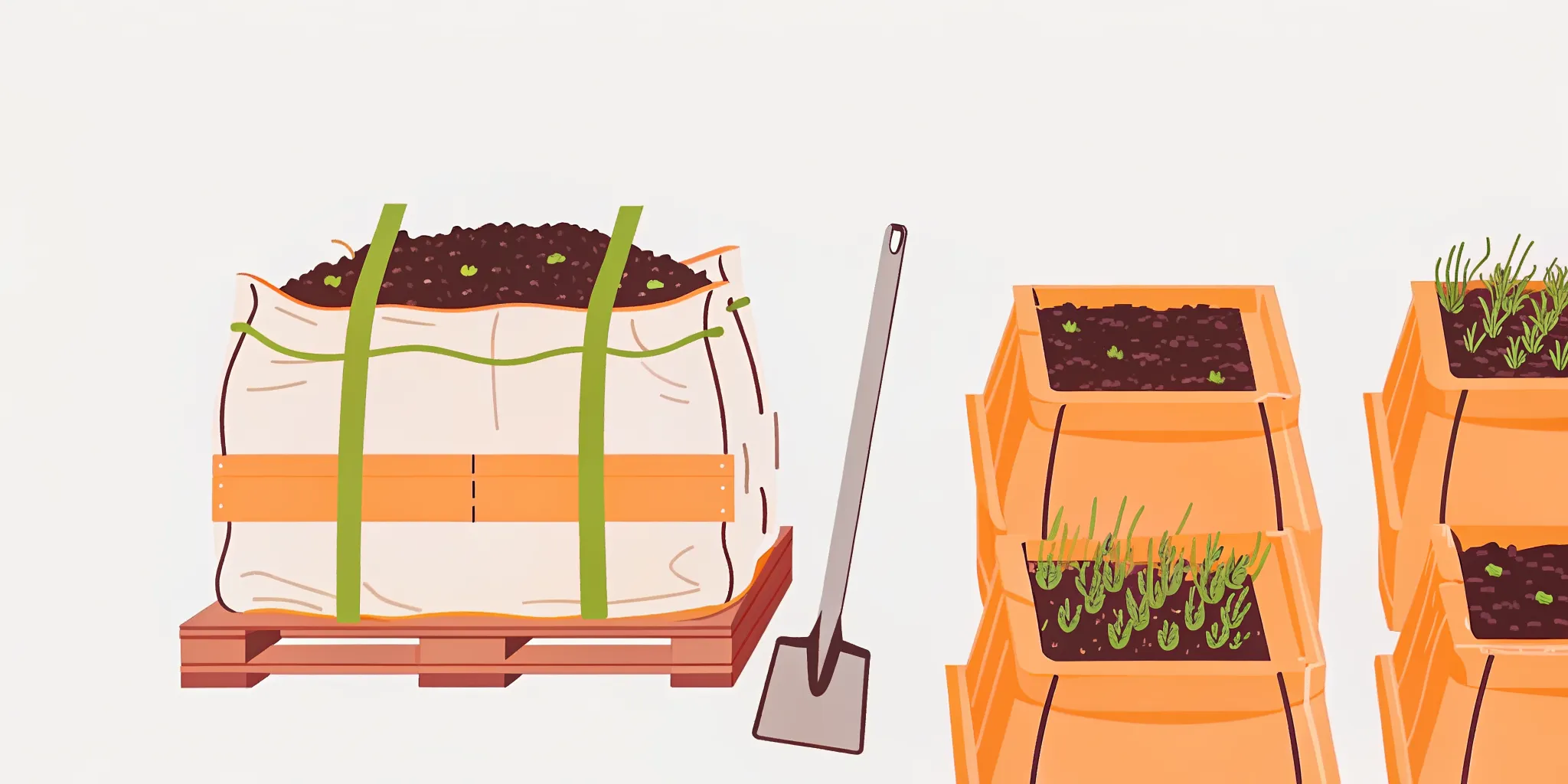
Let's talk about getting the most value for your garden. While grabbing a few bags of compost seems easy, the cost adds up surprisingly fast. When you buy organic compost bulk, you're making a smarter financial choice. The price per cubic yard is significantly lower because you aren't paying for individual packaging and the labor that goes with it. This means you can afford to give your garden beds, lawn, and containers the generous amount of nutrients they truly need to thrive. It’s not just about saving money; it’s about investing in a higher quality product that creates richer soil and healthier plants. We'll explore how to calculate your needs and find a reliable supplier.
Key Takeaways
- Opt for bulk compost on larger jobs: It's more cost-effective than buying individual bags, significantly reduces plastic waste, and saves you the hassle of multiple trips to the store.
- Trust your senses to spot quality: Great compost is dark, crumbly, and has a pleasant, earthy smell. Avoid any material that smells sour or contains visible trash, as these are signs of an unfinished, low-quality product.
- Do a little prep work before ordering: Use an online calculator to figure out the exact amount you need, prepare a clear and accessible spot for the delivery, and ask your supplier about their composting process to ensure you're getting the best.
Is Buying Compost in Bulk Worth It?
If you've ever found yourself staring at a mountain of empty plastic bags after a weekend gardening project, you've probably wondered if there's a better way. Buying compost in bulk is often the answer, especially for larger projects. It’s not just about convenience; it’s a smart move for your wallet, your garden, and the environment. When you have a big project, like starting new vegetable beds or enriching your entire lawn, a bulk delivery can save you time, money, and a lot of heavy lifting.
Instead of making multiple trips to the garden center and wrestling with dozens of bags, you get exactly what you need delivered right to your driveway. This lets you focus on the fun part: getting your hands dirty and bringing your garden vision to life. Let's look at why going bulk might be the best decision you make for your garden this year.
Save Money Compared to Bagged Compost
Let's talk numbers. While a single bag of compost might seem cheap, the cost adds up quickly. When you buy in bulk, the price per cubic yard is significantly lower than what you'd pay for the same amount in individual bags. Think about it: you're not paying for all that extra plastic packaging and the labor it takes to fill each bag. For any project that requires more than just a few bags, buying in bulk is almost always the more economical choice. You can use a volume calculator to figure out exactly how much you need, ensuring you don't overspend. This simple switch can free up more of your budget for what really matters, like new plants or garden tools.
Make an Eco-Friendly Choice
Choosing bulk compost is also a win for the planet. First, you drastically reduce plastic waste by eliminating all those single-use bags. Second, when you source from a local supplier that creates their own compost, you're supporting a circular economy. Companies that operate NYSDEC-permitted facilities recycle green waste from your community, turning it into nutrient-rich compost instead of sending it to a landfill. This process avoids the use of synthetic fertilizers, which require a lot of energy to produce and can introduce harmful chemicals into the ecosystem. By opting for organic, locally-produced bulk compost, you’re making a choice that’s healthier for your soil and the environment.
Simplify Your Large Garden Projects
Imagine having a ready supply of high-quality compost right in your yard. No more last-minute runs to the store because you ran out halfway through filling a raised bed. A bulk compost delivery streamlines your entire workflow. You can easily fill wheelbarrows and tackle big tasks like topdressing your lawn, amending soil for a new garden, or potting up dozens of containers all at once. Having a pile on hand makes ambitious projects feel much more manageable. It gives you the freedom to get everything done in one go, saving you precious time and energy that you can put back into enjoying your beautiful garden.
What Kind of Bulk Compost Do You Need?
Not all compost is created equal. The right type depends entirely on your project, whether you're starting a new vegetable patch, reviving a tired lawn, or conditioning the soil in your flower beds. Different organic materials create compost with unique textures and nutrient profiles. Understanding the main types will help you choose the perfect foundation for a healthy, thriving garden. Let's walk through some of the most common options you'll find when buying in bulk.
Premium Blends for All-Around Use
Think of a premium blend as the perfect all-purpose tool for your garden. These composts are carefully crafted from a mix of organic materials like yard trimmings, food scraps, and wood chips. The variety of ingredients creates a balanced, nutrient-rich product that’s great for almost any application. It improves soil structure, helps retain moisture, and provides a slow release of essential nutrients. If you’re looking to top-dress your lawn, amend flower beds, or give your entire garden a healthy foundation, a high-quality premium blend is an excellent and reliable choice.
Vegetable Garden Compost for a Better Harvest
When you’re growing food, you want to give your plants the best possible start. Compost designed for vegetable gardens is packed with the nutrients that hungry plants like tomatoes, peppers, and squash need to thrive. This type of compost is rich in organic matter, which helps the soil hold water more effectively and can even reduce common plant diseases. By working it into your garden beds before planting, you’re creating a fertile environment that supports strong root systems and a more productive harvest. It’s one of the best ways to get vibrant, healthy vegetables straight from your yard.
Mushroom Compost for Specific Soil Needs
You might see mushroom compost offered, and it’s important to know what you’re getting. This is the leftover soil medium from a mushroom farm. While it can be useful in some situations, it often has drawbacks. The sterilization process it undergoes kills off beneficial microbes, and the mushrooms themselves use up many of the key nutrients. It can also be high in salts, which isn't ideal for all plants. If you’re considering it, make sure you know exactly what you need it for, as a general-purpose premium compost is usually a safer and more beneficial option for most gardens.
Leaf Mold to Improve Soil Structure
Leaf mold is simply composted leaves, and it’s a fantastic soil conditioner. While it isn’t as high in nutrients as other types of compost, its true power lies in its ability to improve soil structure. It acts like a sponge, helping sandy soils retain water and breaking up heavy, compacted clay soils. This creates a light, crumbly texture that allows plant roots to grow freely. Many of the best landscape supplies and compost blends include leaf matter for this very reason. It’s an amazing ingredient for creating a healthy environment for worms and beneficial microbes.
Composted Manure for a Nutrient Kick
For a serious nutrient infusion, composted manure is a classic choice. It’s important that the manure is fully composted, as fresh manure is too "hot" and can burn your plants. Properly aged manure, however, is a rich source of nitrogen and other essential nutrients that heavy-feeding plants love. It’s an excellent amendment for vegetable gardens, fruit trees, and flowering shrubs that need extra fuel to perform their best. At our NYSDEC-permitted facilities, we recycle green waste to create nutrient-rich products that feed your soil the right way.
How to Spot High-Quality Compost
Not all compost is created equal. When you’re buying in bulk, you want to be sure you’re getting a rich, beneficial soil amendment, not a pile of problems. Low-quality compost can introduce weeds, smell unpleasant, or simply fail to provide the nutrients your garden needs. Knowing a few key signs of quality can make all the difference between a thriving garden and a season of frustration.
Think of it like buying fresh produce. You know what to look for in a ripe avocado or a sweet melon, and the same principle applies here. A little bit of know-how will help you assess the compost before it ever reaches your garden beds. The best suppliers are transparent about their process and proud of their product, so they’ll welcome your questions. By learning to use your senses of sight, touch, and smell, you can become a confident compost connoisseur and ensure you’re investing in the very best for your soil.
What to Look and Feel For
Great compost has a specific look and feel. It should be dark and rich in color, often a deep brown or black, and have a fine, crumbly texture. When you pick up a handful, it should feel light and fluffy, not heavy, compacted, or greasy. It’s perfectly normal to see a few small, woody bits, as some materials take longer to break down. However, if you can easily identify things like large wood chips, intact leaves, or food scraps, the compost isn’t finished yet. Unfinished compost can actually rob your soil of nitrogen as it continues to decompose, which is the opposite of what you want for your plants.
The "Sniff Test": Earthy vs. Sour
Your nose is one of the best tools for judging compost quality. Finished, healthy compost should have a pleasant, earthy smell, much like a forest floor after a light rain. It’s a clean, natural scent. If you get a whiff of anything sour, like ammonia or garbage, that’s a major red flag. A sour or ammonia-like smell indicates that the composting process is incomplete and the pile is still "cooking." This material isn't ready for your garden and can harm your plants. Always perform a quick sniff test; it’s a simple step that tells you a lot about the product’s maturity and stability.
Check for Weeds, Trash, and Other Debris
Take a moment to visually inspect the compost pile. High-quality compost should be clean and free of contaminants. You shouldn’t see any bits of plastic, glass, or other man-made trash mixed in. The presence of garbage suggests a poorly managed source of raw materials. Also, be on the lookout for an abundance of weeds. While a stray seed might find its way in, a product full of weed seeds will just create more work for you down the line. Reputable suppliers who manage their own composting facilities have strict controls over what goes into their piles, resulting in a cleaner final product.
What Organic Certifications Really Mean
You might see compost advertised with certifications like OMRI Listed. OMRI, or the Organic Materials Review Institute, is a non-profit organization that reviews products to ensure they are suitable for use in certified organic farming and gardening. An OMRI listing means the product has been independently verified to contain no prohibited synthetic chemicals or ingredients. While plenty of excellent compost isn't certified, this label provides an extra layer of assurance. It tells you that the supplier has gone through a rigorous review process to prove their product meets the high standards required for organic production.
Ask Where It Comes From
Don’t be shy about asking a potential supplier about their process. A trustworthy company will be happy to tell you what goes into their compost and how they make it. Ask about their feedstock, which is the mix of raw materials they use. Ideally, it should be a balanced blend of green materials (like grass clippings and food scraps) and brown materials (like leaves and wood chips). Knowing the source gives you insight into the quality. Companies that recycle local green waste into their compost and soil blends often have a consistent, high-quality product because they control the entire process from start to finish.
Where to Find a Reliable Compost Supplier
Once you know what to look for in high-quality compost, the next step is finding a supplier you can trust. You want a source that is consistent, knowledgeable, and provides a product that will actually benefit your garden. The good news is you have several options, from local spots to convenient delivery services. Exploring these avenues will help you find the best compost for your project and your budget. A little research upfront saves you from dealing with a pile of weedy, unfinished material later.
Start with Permitted Recycling Facilities
Your best bet for quality and safety is to buy directly from a permitted recycling or composting facility. These operations, like our own NYSDEC-permitted sites, are regulated and follow specific processes to ensure the final product is clean and fully composted. While some town transfer stations offer free compost, the quality can be a gamble. You don't always know what materials went into the pile, which can introduce pesticide residues or persistent weed seeds into your garden. Starting with a certified facility gives you peace of mind that you’re getting a safe, high-quality product.
Ask Your Local Garden Center
Local garden centers and nurseries are another great place to check for compost. They often carry both bagged and bulk options, giving you a chance to see and feel the product before you buy. The staff can also be a fantastic resource for advice tailored to your local soil conditions and plant types. While they might not produce the compost themselves, they typically source it from reputable suppliers. This is a solid choice if you need a smaller amount of material or prefer to handle the transportation yourself. It's a convenient way to get what you need for container gardens or small top-dressing projects.
Compare Online Suppliers and Delivery
For larger projects, nothing beats the convenience of ordering online and having compost delivered. Hauling multiple heavy bags or a truckload of compost yourself can be a serious workout. Many suppliers specialize in bulk landscape materials and have a streamlined process for getting them to your home. You can compare products, read reviews, and schedule a drop-off that fits your timeline. Just be sure to check the delivery information to understand the process, fees, and service area before placing your order.
Look for Seasonal Deals
Keep an eye out for seasonal promotions, especially during the spring and fall planting seasons. Many suppliers offer discounts to kick off the gardening rush or to clear out inventory at the end of the season. It’s a good idea to follow local suppliers on social media or sign up for their newsletters to get notified about special offers. Planning your purchase around these sales can help you save a significant amount of money, particularly when you’re buying in bulk for a large garden bed or lawn renovation.
Key Questions to Ask Any Supplier
Don’t be afraid to ask questions before you buy. A reliable supplier will be happy to tell you about their product. Ask what materials they use to make their compost and what their process looks like. Inquire if the compost has been screened to remove large debris and whether it has been tested for quality. A trustworthy source can confidently explain where their compost comes from and why it’s a great choice for your garden. This conversation helps ensure you’re getting a premium product that will deliver the results you want.
Your Pre-Order Checklist
Getting ready to place your bulk compost order? A little prep work goes a long way. Running through this simple checklist before you buy will make the entire process, from ordering to spreading, feel like a breeze. You’ll get the right amount of compost delivered exactly where you want it, without any last-minute surprises. Let’s walk through the four key steps to get you and your property ready for your compost delivery.
Calculate How Much Compost You Need
First things first, let's figure out exactly how much compost you need for your project. Ordering too little is a pain, and while having extra is nice, you want to be efficient with your budget. Buying in bulk is almost always more cost-effective than grabbing individual bags from a big-box store, but you still want to get your numbers right. Measure the length and width of your garden beds or lawn area, and decide on the depth of compost you want to add (a couple of inches is typical). Then, use a handy volume calculator to convert your measurements into cubic yards. This simple step ensures you order the perfect amount to bring your garden to life.
Prepare for a Smooth Delivery
A smooth delivery day starts with a little planning. Think about where the delivery truck will need to go. Our trucks are big, so check for any potential obstacles like low-hanging branches, power lines, or narrow gates. The best spot for the drop-off is a firm, level surface, like a driveway. A great tip is to mark the exact spot where you want the compost pile with a tarp, an upside-down bucket, or even a chalk "X." This way, our driver knows precisely where to unload, even if you’re not home. For more details, you can always review our delivery information to know what to expect.
Designate a Storage Spot
Once your compost arrives, you’ll need a place to keep it until you’re ready to work. If you’ve already marked a spot on your driveway, you’re ahead of the game! A driveway or a paved area is ideal because it makes shoveling easy. If you prefer to have it dropped on your lawn, placing a large tarp down first is a smart move. This protects your grass and prevents the compost from mixing with the soil underneath. If you won't be using all the compost right away, have another tarp ready to cover the pile. This helps protect it from heavy rain and keeps it from drying out in the sun.
Time Your Purchase to Save
Who doesn’t love a good deal? If your project timeline is flexible, it’s worth looking out for seasonal promotions. Many suppliers offer discounts in the spring and fall to coincide with peak gardening seasons. The best way to stay in the loop is to join your supplier’s email list or follow them on social media. Planning your purchase around these sales can lead to significant savings, especially on large orders. You can also contact us directly to ask about any upcoming deals. A little patience can make your high-quality compost even more affordable.
Related Articles
- Bulk Compost for Sale: What You Need to Know
- Bulk Mulch Bags & Landscaping Bags | Organic Recycling
- Bulk Soil & Mulch Delivery in Bags – Rockland & Orange NY
- The Right Topsoil for Raised Beds: A Simple Guide
Frequently Asked Questions
How do I figure out the right amount of compost to order? The best way to avoid ordering too much or too little is to do a quick measurement. Figure out the length and width of the area you want to cover, then decide how deep you want the compost layer to be (usually one to three inches is plenty). Once you have those numbers, you can plug them into an online volume calculator to get the total cubic yards you'll need. This takes the guesswork out of it and ensures you get exactly what you need for your project.
Is there a "best" type of compost for a vegetable garden? For growing food, you want a compost that is rich in a wide range of nutrients. A premium blend or a compost specifically formulated for vegetable gardens is an excellent choice. These mixes provide the balanced nutrition that heavy-feeding plants like tomatoes and peppers need for a great harvest. While other types, like leaf mold, are great for improving soil structure, a nutrient-dense blend will give your vegetables the strongest start.
What's the best way to store leftover bulk compost? If you have extra compost after your project is done, storing it is simple. The key is to keep it covered. Lay a tarp on the ground before your delivery to make cleanup easier and protect your lawn or driveway. Once you've used what you need, cover the top of the pile with another tarp. This protects it from getting washed away by heavy rain or drying out in the sun, keeping it fresh for when you need it next.
My town offers free compost. Is it safe to use in my garden? While free compost can be tempting, the quality can be unpredictable. Municipal compost piles often contain whatever residents drop off, which can include diseased plant matter, persistent weed seeds, or even pesticide residues. For peace of mind, especially in a vegetable garden, it's better to source your compost from a permitted facility. These suppliers have strict controls over their raw materials and processes, resulting in a cleaner, safer, and more consistent product.
What's the single most important sign that compost is high-quality? Trust your nose. High-quality, finished compost should have a pleasant, earthy smell, like a walk in the woods after it rains. If you smell anything sour, like ammonia or garbage, it’s a clear sign the compost isn't fully broken down and isn't ready for your garden. This simple sniff test is one of the most reliable ways to judge the quality and maturity of a compost pile.