
Is Cedar Mulch Good for Vegetable Gardens? The Answer
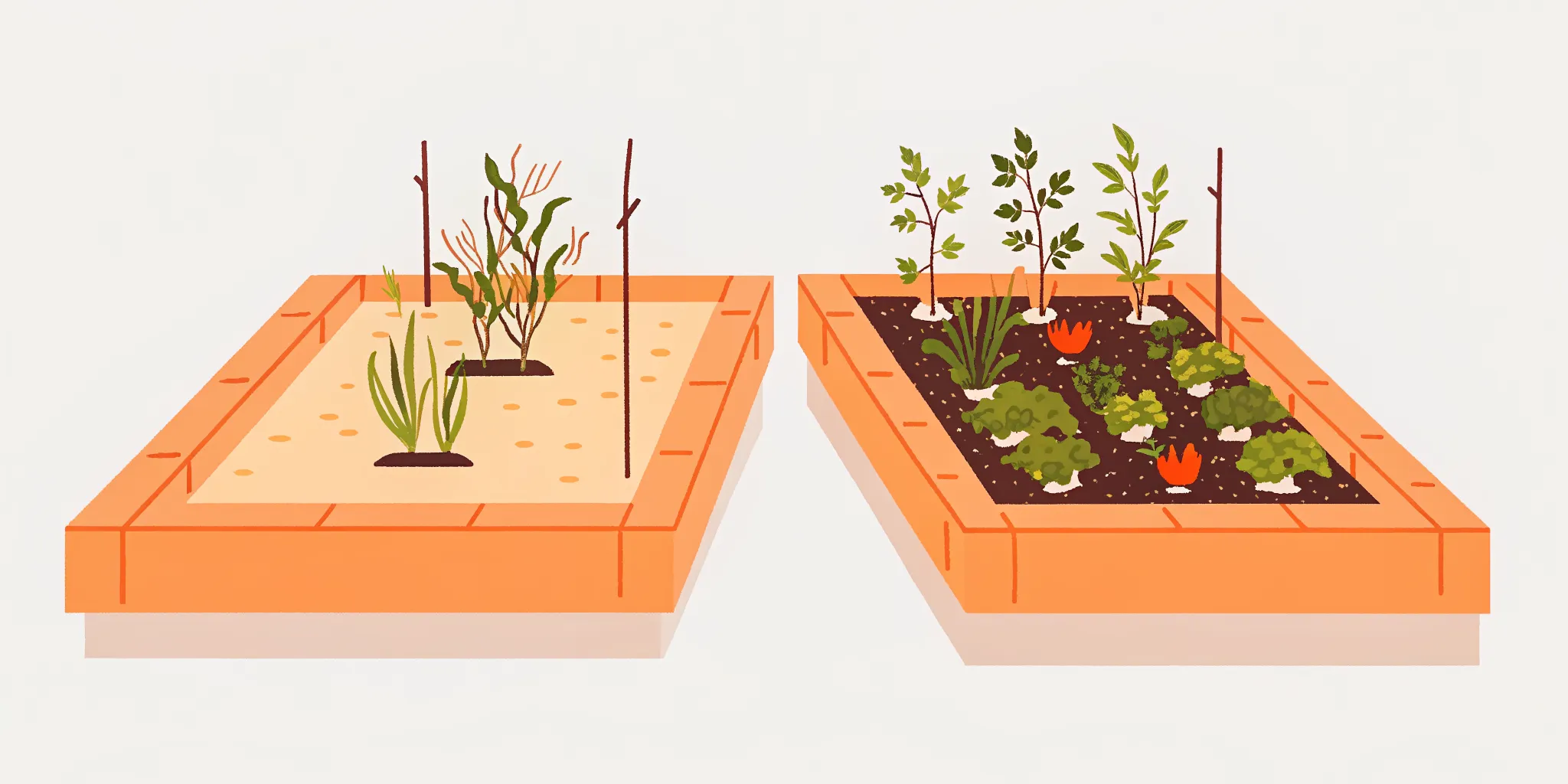
If you’re a gardener, you’ve likely heard the debates about cedar mulch. Some people swear by it, claiming it’s the best natural pest control you can find. Others warn that it will harm your plants and ruin your soil. It’s hard to know what to believe, especially when you’re trying to grow your own food. So, let’s clear things up. The truth about is cedar mulch good for vegetable gardens lies somewhere in the middle. It has some incredible benefits, but also a few potential drawbacks you need to be aware of. We’ll explore the science behind how cedar interacts with soil and plants, helping you understand when to use it and when to choose an alternative for your garden beds.
Key Takeaways
- Use Aged Mulch on Established Plants: For the best results in a vegetable garden, always choose aged cedar mulch. The strong oils in a fresh batch can prevent seeds from sprouting, so wait until your plants are strong and have several leaves before you add a layer.
- Pair Cedar with the Right Veggies: Cedar is a great match for sturdy vegetables like carrots, beans, and kale. Keep it away from more delicate plants with sensitive roots, such as tomatoes, peppers, and squash, which do better with a milder ground cover like compost.
- Apply It Correctly for a Healthy Garden: Spread a two to three-inch layer to effectively block weeds and hold in moisture. Be sure to leave a small gap of about one to two inches around the base of each plant stem to prevent rot and allow for proper air circulation.
Getting to Know Cedar Mulch
If you’ve ever walked through a freshly mulched garden and caught that distinct, woodsy scent, there’s a good chance you were smelling cedar. This popular mulch option is more than just a pretty ground cover; it has some unique qualities that set it apart from other materials. Before you decide if it’s the right fit for your vegetable patch, let’s get familiar with what makes cedar mulch special and how it compares to other choices.
What Makes It Unique?
Cedar mulch is made from the shredded wood and bark of cedar trees. Its most famous feature is its natural ability to repel certain insects. The wood contains oils called terpenes, which give it that pleasant aroma we love but can send pests like slugs, ants, and moths packing. This makes it a go-to for gardeners looking for a chemical-free way to protect their plants. However, these same oils can be a double-edged sword. They can sometimes prevent seeds from sprouting or even harm the delicate roots of very young plants, so placement is key.
How It Stacks Up Against Other Mulches
When you’re looking at different landscape supplies, you’ll notice cedar mulch often stands out for its durability. It decomposes much more slowly than many other organic mulches, like straw or leaves. This means a single application can last an entire growing season or even longer, saving you the time and effort of reapplying it frequently. Like other mulches, it’s excellent at suppressing weeds and retaining soil moisture, which means less watering for you. Just remember that because it is an organic material, it will eventually break down and need to be replenished to keep your garden beds protected.
The Pros: Why You Might Love Cedar Mulch
Cedar mulch brings some fantastic benefits to the garden, which is why it’s such a popular choice for flower beds and pathways. When it comes to your vegetable patch, these same advantages can be a huge help. From keeping pests at bay to saving you time on watering and weeding, there are plenty of reasons to consider adding a layer of cedar to your garden soil. Let's walk through some of the biggest perks.
A Natural Pest Repellent
If you’re tired of finding tiny bite marks on your lettuce or battling slugs near your strawberries, cedar mulch might be your new best friend. Cedar wood contains natural oils, called terpenes, that give it that distinct, pleasant aroma we love. For many common garden pests, however, that smell is a major turn-off. This makes cedar mulch a great natural deterrent for insects, slugs, and snails without you having to reach for chemical pesticides. It’s a simple way to create a protective barrier around your precious veggies, keeping them safer from unwanted visitors while making your garden smell amazing.
Locks in Moisture, Blocks Out Weeds
One of the most practical benefits of any good mulch is its ability to manage water and weeds, and cedar excels at both. A layer of cedar mulch acts like a protective blanket over your soil. It helps reduce evaporation by shielding the soil from the sun and wind, which means more moisture stays where your plant roots can access it. This can significantly cut down on your watering duties. At the same time, that layer of mulch blocks sunlight from reaching pesky weed seeds, preventing them from sprouting. You’ll spend less time pulling weeds and more time enjoying your garden’s harvest. It’s a win-win for any gardener looking for low-maintenance landscape supplies.
It Lasts Longer, Saving You Time and Money
When you’re investing in materials for your garden, you want them to last. Cedar mulch is known for its durability. Because cedar wood breaks down much more slowly than other organic materials like straw or leaves, you won’t have to replace it nearly as often. A single application can easily last an entire growing season, and sometimes even longer. This slow decomposition saves you both time and money in the long run. You’ll make fewer trips to buy more mulch and spend less time on the physical work of spreading it. To make sure you get just the right amount, you can use a volume calculator before you order.
The Cons: Potential Downsides to Consider
As much as we love a low-maintenance garden solution, cedar mulch isn't a one-size-fits-all answer, especially when it comes to your precious veggies. While it has some fantastic benefits, there are a few potential drawbacks you should know about before you start spreading it around. Understanding these points will help you decide if it’s the right fit for your garden or if another option might be better. The key is knowing how and when to use it, and which plants might not appreciate it as a neighbor. Let's walk through the main concerns so you can make an informed choice for your vegetable patch.
Can It Inhibit Seed Growth?
If you’re planning to sow seeds directly into your garden beds, you’ll want to pause before reaching for cedar mulch. Cedar contains natural oils, known as terpenes, which give it that amazing smell we love. Unfortunately, these same oils can prevent seeds from sprouting and may even harm the delicate roots of very young plants. This is especially true for sensitive vegetable seedlings. To be safe, it’s best to avoid using fresh cedar mulch in areas where you’re planting seeds or have just-sprouted veggies. Wait until your plants are well-established before adding a layer of cedar mulch around them.
Its Impact on Soil and Beneficial Insects
You might have heard rumors that cedar mulch can harm nearby plants or scare away helpful insects like bees and butterflies. It’s a common concern, but the good news is that it’s mostly a myth. While the oils in cedar can deter pests, research from the University of Maine Cooperative Extension shows that cedar mulch doesn't seem to have a negative effect on pollinators or established plants. So, you don’t need to worry about it creating a "dead zone" in your garden. Your mature tomato and squash plants should be perfectly happy with a layer of cedar mulch, and the bees will keep visiting.
The Risk of Nitrogen Depletion
The idea that wood mulches "rob" the soil of nitrogen is a frequent topic among gardeners. This happens because the microorganisms that break down the wood need nitrogen to do their job. However, this is primarily a problem when the mulch is mixed into the soil. When you simply spread cedar mulch on top of your garden bed, it decomposes very slowly and only affects the tiny layer of soil it directly touches. It uses such a small amount of nitrogen that it’s unlikely to cause any issues for your plants' roots below. If you're still worried about nutrient levels, a dose of quality seed & fertilizer can easily address any concerns.
How to Use Cedar Mulch the Right Way
Using cedar mulch successfully is all about technique. It’s not as simple as just spreading it around your plants. Getting the timing, type, and application just right can make the difference between a thriving garden and one that struggles. Let’s walk through the key steps to ensure you’re giving your veggies the best possible environment with cedar mulch. By following these simple guidelines, you can harness all the benefits of cedar without any of the potential drawbacks.
Fresh vs. Aged: Which Should You Choose?
When you're looking at different mulch products, you might notice some are fresher than others. Fresh cedar mulch has that potent, wonderful smell because its natural oils are still very strong. While that scent is lovely, those same oils can be too intense for your delicate vegetable plants and may even hinder their growth. For vegetable gardens, it's always best to use aged or composted cedar mulch. If you happen to get a fresh batch, don’t worry. You can simply let it sit in a pile for a season to age or mix it with some quality compost to mellow it out before adding it to your garden beds.
When and How to Apply It
Patience is key when applying cedar mulch in a vegetable garden. You’ll want to wait until your plants are well-established before adding that protective layer. A good rule of thumb is to hold off until your seedlings have at least four to five true leaves, which is typically about two or three weeks after planting. Applying mulch too early can overwhelm tiny, young plants. Once they’re a bit bigger and stronger, they’ll be ready to reap the benefits of the mulch without any risk. You can even schedule your mulch delivery for when you expect your plants to be ready.
Getting the Depth and Spacing Just Right
How you spread the mulch is just as important as when you do it. Aim for a layer that’s about two to three inches deep. This is the sweet spot for suppressing weeds and retaining moisture without suffocating your plants' roots. Most importantly, always leave a little breathing room, about one to two inches, around the base of each plant stem. Piling mulch directly against the stem can trap too much moisture and lead to rot. Think of it as giving your plants a collar, not a turtleneck. If you need help figuring out how much to order for your space, a volume calculator can be a huge help.
The Best (and Worst) Veggies for Cedar Mulch
Cedar mulch isn't a universal friend to every plant in your garden. Its natural oils and properties can be a huge help for some veggies while hindering the growth of others. The key is knowing which plants will appreciate the benefits of a cedar layer and which ones prefer a different kind of ground cover. Making the right choice with your landscape supplies ensures your garden stays healthy and productive. Let's break down the best and worst pairings for cedar mulch.
Vegetables That Thrive With It
So, which plants are a good match? Cedar mulch is a great choice for more established, tougher vegetables. Think of root crops like carrots and beets, whose main growth happens deep in the soil, away from the direct effects of the mulch. It also works well for beans, peas, and hardy greens like kale and chard. Many herbs, such as thyme, oregano, and sage, also do just fine with a layer of cedar. These plants are generally less delicate and can handle the unique properties of cedar without any issues, allowing them to reap the benefits of moisture retention and weed suppression.
Vegetables to Keep It Away From
On the other hand, some popular garden veggies are quite sensitive to cedar. It's best to keep cedar mulch away from tomatoes and peppers. These plants have shallow root systems and rely on beneficial fungi that can be disrupted by cedar's natural oils. The same goes for squash and cucumbers, which can struggle to establish their roots when cedar is present. For these delicate plants, you might consider using a nutrient-rich compost or topsoil as a protective layer instead. This gives them the gentle, supportive environment they need to grow strong without interference from cedar's potent properties.
Great Alternatives to Cedar Mulch
Cedar mulch is a fantastic tool, but it’s not the only one in the shed. Sometimes, your garden calls for something different, whether you’re trying to protect delicate seedlings or give your soil a specific kind of nutrient infusion. Exploring alternatives isn't about ditching cedar altogether; it's about building a versatile toolkit to help every part of your garden thrive. The right
Other Organic Options for Your Garden
If you're looking for a change, you have some great choices. Straw is a classic for vegetable gardens because it helps protect new seeds and keeps the soil cool and moist. Just keep an eye out for slugs, who also love the environment it creates. Composted leaves are another wonderful, budget-friendly option that enriches the soil as they break down. For the best results, shred them before spreading to ensure water can still reach the soil. For a more decorative look, especially in flower beds, shredded bark mulch is a popular choice that breaks down relatively quickly, adding organic matter to your garden. Even untreated grass clippings can work in a pinch, though you'll want to be sure they're free of weed seeds.
When an Alternative Is a Better Choice
Sometimes, the decision to skip cedar mulch comes down to the specific needs of your plants. Certain vegetables, like tomatoes and peppers, have sensitive root systems that can be irritated by the natural oils present in fresh cedar. In these cases, a gentler mulch like straw or compost is a much safer bet. You should also reach for an alternative when you're planting seeds directly in the garden. The same compounds in fresh cedar that deter pests can also prevent seeds from sprouting and hinder the early growth of young roots. Choosing the right landscape supplies for the job ensures your plants get the best possible start and continue to flourish all season long.
The Final Verdict: Is Cedar Mulch Right for Your Garden?
So, what's the final word on using cedar mulch in your vegetable patch? It can absolutely be a fantastic choice, but it’s not a one-size-fits-all solution. Your success with it really comes down to what you’re growing and how you apply it.
To help you decide, let’s recap the most important takeaways:
It’s a workhorse for weed and moisture control. Cedar mulch is excellent at keeping weeds down and helping the soil stay moist, which means less watering for you. Its natural oils can also help deter some common garden pests. According to experts at Michigan State University, this makes it a practical tool for maintaining a healthy garden environment.
It shines around established plants. Because cedar breaks down slowly, it’s perfect for perennial vegetable beds or around sturdy, well-established plants. You won’t have to replace it as often, which is a big plus. For annual beds where you want the mulch to break down and enrich the soil more quickly, you might prefer something like compost or straw.
Use aged mulch, not fresh. This is a big one. Fresh cedar mulch releases oils that can stop seeds from sprouting and stunt the growth of young, delicate plants like tomatoes or leafy greens. Always opt for aged or composted cedar mulch to avoid this problem and give your veggies the best start.
Know which plants are good neighbors. While it can be tricky for some seedlings, cedar mulch gets along great with many herbs (like oregano and thyme), beans, peas, and root vegetables like carrots. Just be sure to keep it away from the more sensitive members of your garden until they’re more mature.
Ultimately, cedar mulch can be a powerful ally for your vegetable garden when used correctly. By choosing aged mulch and applying it around the right plants at the right time, you can enjoy all its benefits without any of the drawbacks.
Related Articles
- Bulk Delivery Mulch: A Complete Buyer's Guide
- Landscape Products & Mulch Delivery | Organic Recycling
- Organic Mulch Soil Supply & Mulch Products Middletown NY
Frequently Asked Questions
Is cedar mulch really a good choice for a vegetable garden? Yes, it can be a fantastic choice, but its success depends on how you use it. Cedar mulch is excellent for suppressing weeds and retaining soil moisture around established, hardy vegetables. The key is to avoid using it around new seeds or very delicate seedlings, as its natural oils can be too strong for them.
When is the best time to apply cedar mulch to my vegetables? Patience is your best friend here. You should wait until your vegetable plants are well-established before adding a layer of cedar mulch. A good guideline is to wait until your plants have developed at least four or five true leaves and look sturdy. Applying it too soon can overwhelm young, delicate plants.
I've heard wood mulches can steal nitrogen from the soil. Is this true for cedar? This is a common concern, but you generally don't need to worry about it with cedar mulch. The process that uses nitrogen happens when wood is mixed into the soil. When you spread cedar mulch on top, it decomposes very slowly and only interacts with the very top surface of the soil, leaving your plants' roots with plenty of nutrients.
Are there any vegetables I should definitely not use cedar mulch with? It's best to keep cedar mulch away from plants with sensitive, shallow root systems. This includes vegetables like tomatoes, peppers, squash, and cucumbers, especially when they are young. The natural oils in the cedar can irritate their roots. For these plants, a gentler option like compost or straw is a better choice.
Does it really matter if I use fresh or aged cedar mulch? It absolutely matters, especially in a vegetable garden. Fresh cedar mulch contains a high concentration of natural oils that give it a strong scent. These oils can prevent seeds from sprouting and stunt the growth of young plants. Aged cedar mulch is much safer because those oils have had time to break down, making it a gentler option for your garden beds.