
Cedar Mulch by the Yard: A Buyer's Guide
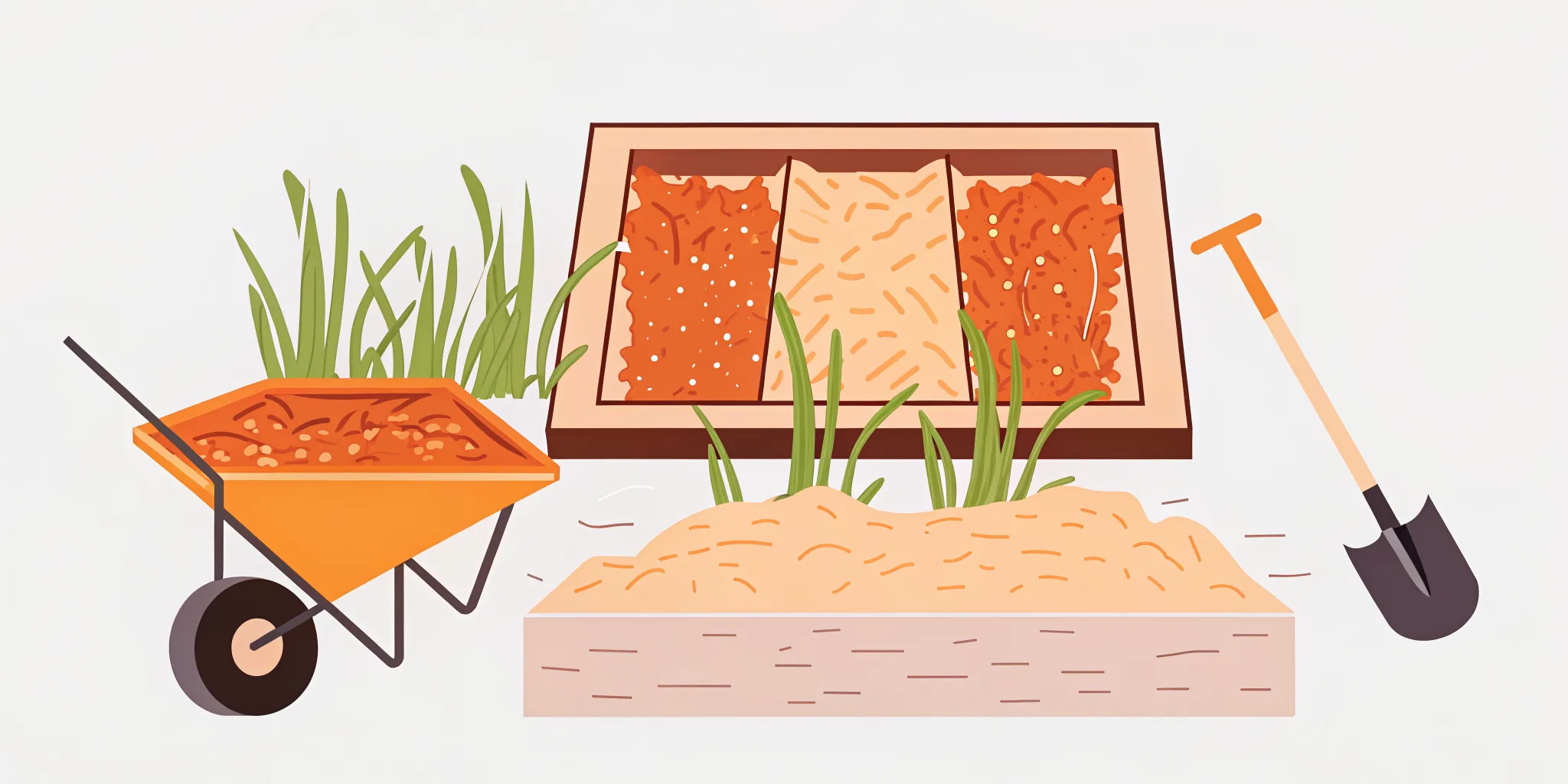
If you’ve ever walked through a freshly landscaped garden, you know the scent: a clean, woodsy aroma that signals a healthy, well-tended space. That smell often comes from cedar mulch, a favorite among gardeners for its sensory appeal and powerful benefits. Its warm color creates a stunning backdrop for green leaves and bright flowers, but this material is a true workhorse. It helps keep soil moist, stops weeds in their tracks, and even helps manage pests naturally. If you’re ready to bring that look and smell to your own yard, you’re in the right place. Here, we’ll cover everything from calculating costs to finding the best cedar mulch by the yard.
Key Takeaways
- Opt for cedar for its practical perks: It naturally deters common garden pests, helps soil hold moisture to reduce your watering time, and effectively blocks weeds from sprouting.
- Save money by buying in bulk: Ordering mulch by the cubic yard is much more economical than buying it by the bag. Use a volume calculator to determine the exact amount you need for your project to avoid overspending.
- Ensure a healthy garden with proper application: Always weed your garden beds before spreading a two-to-three-inch layer of mulch, and be sure to keep it a few inches away from plant stems and tree trunks to prevent rot.
What is Cedar Mulch?
If you’ve ever walked through a freshly mulched garden and noticed a pleasant, woodsy aroma, there’s a good chance you were smelling cedar mulch. This popular landscape material is made from the bark and wood of cedar trees, and it’s a favorite among gardeners and professional landscapers for good reason. Not only does it have a beautiful reddish-blonde color that adds instant curb appeal, but it also brings some serious benefits to your garden beds. Think of it as a multi-tasking product that protects your plants while making your yard look fantastic.
Cedar mulch is particularly known for its natural ability to deter pests, hold moisture in the soil, and keep weeds from taking over. Because it’s made from wood, it also breaks down over time, slowly adding organic matter back into your soil and improving its structure. It’s one of the most versatile of all products you can use to create a healthier, more beautiful, and lower-maintenance garden. Whether you're refreshing existing beds or starting a new landscape project, cedar mulch is a reliable and attractive choice.
Repels Pests Naturally
One of the biggest draws of cedar mulch is its natural ability to keep certain pests away. The secret is in the natural oils found in the cedar wood, which release a distinct aroma that many common garden insects, like ants, slugs, and some beetles, find unpleasant. This makes it a great choice if you’re looking for a pest management solution without reaching for chemical sprays. By simply spreading a layer of cedar mulch around your plants, you create a protective barrier that helps safeguard your garden. It’s a simple, effective way to give your plants a little extra defense while maintaining an organic-friendly environment.
Retains Moisture and Suppresses Weeds
Cedar mulch is a huge help when it comes to garden maintenance. It acts like a protective blanket over your soil, helping it retain moisture by slowing down evaporation from the sun and wind. This means you’ll likely need to water your plants less often, which saves you time and conserves water. At the same time, that layer of mulch blocks sunlight from reaching the soil surface, which prevents pesky weed seeds from germinating. Fewer weeds mean your plants don’t have to compete for water and nutrients. It’s a win-win that leads to healthier plants and less work for you.
Offers Lasting Curb Appeal
Beyond its practical benefits, cedar mulch gives your landscape a polished, professional look. Its rich, warm color provides a beautiful contrast against green foliage and colorful flowers, making your garden beds pop. Unlike some other organic mulches, cedar decomposes slowly, so it holds its color and texture for a longer period. This means your yard looks fresh all season long with minimal upkeep. Plus, you get to enjoy that subtle, clean cedar scent every time you’re in your garden. If you're ready to add this beautiful and functional material to your yard, you can easily arrange for a mulch delivery to get your project started.
How Much Does Cedar Mulch Cost?
Figuring out the cost of cedar mulch is a key step in planning your next landscaping project. While it’s tempting to look for a single price tag, the final cost depends on a few important variables. Think of it less as a simple purchase and more as an investment in your garden’s health and curb appeal. The price you pay will be influenced by the quality of the mulch, where you buy it from, how much you need, and how you get it to your home.
Generally, cedar mulch is sold by the cubic yard, which is the standard unit for bulk landscape materials. A cubic yard is a 3-foot by 3-foot by 3-foot cube, and it covers about 100 square feet with a 3-inch layer of mulch. When you start comparing prices, you’ll notice that costs can vary between suppliers. This is often due to differences in the product itself, like whether it’s 100% pure cedar or a blend. Delivery fees also play a significant role in the total expense, especially for large orders. By understanding these components, you can create a realistic budget and ensure you’re getting the best value for your project.
Factors That Affect Price Per Yard
The price of cedar mulch per cubic yard can change depending on your location and the supplier you choose. Typically, you can expect to see prices ranging from $40 to $60 per cubic yard. This variation often comes down to the quality of the product. For example, mulch made from 100% pure cedar will usually cost more than a mixed hardwood blend that contains some cedar.
It’s always a good idea to compare a few local suppliers. Look at their product descriptions to understand what you’re getting. Some companies offer double-shredded or aged mulch, which can also affect the price. Checking out a supplier’s full range of landscape supplies can give you a better sense of their quality and pricing structure before you make a decision.
Understanding Delivery Costs
For any project that requires more than a few bags of mulch, buying in bulk and having it delivered is the most practical option. However, delivery isn’t always a flat fee. The final cost often depends on how much mulch you order and how far you are from the supplier. Some companies have a minimum order quantity for delivery, while others might offer tiered pricing, where the per-yard delivery cost decreases as your order size increases.
Before you place an order, be sure to clarify the delivery fees. A quick look at the company’s delivery information page or a phone call can save you from surprise charges. This helps you calculate the true, all-in cost of your mulch.
Bulk vs. Bagged: A Price Comparison
When you’re standing in a garden center, it’s easy to grab a few bags of mulch and go. But if you have a larger area to cover, that convenience comes at a cost. Buying cedar mulch in bulk is almost always more economical. In fact, you can often save over 30% by purchasing by the cubic yard instead of by the bag.
The savings come from reduced packaging and labor costs on the supplier’s end. For homeowners and landscapers tackling big projects, ordering bulk bags or a loose truckload is the smartest financial choice. It not only saves you money but also reduces plastic waste from individual bags, making it a more sustainable option for your garden.
How Much Cedar Mulch Do You Need?
Figuring out how much mulch to order can feel like a tricky math problem, but it’s simpler than you think. Ordering the right amount saves you from having a giant pile of leftover mulch or, even worse, running out mid-project. A little planning ensures you get just what you need for your garden beds and other landscape supplies. Let’s walk through how to get your numbers right.
Calculate Your Project's Needs
If you’re ready to do a quick calculation, grab a tape measure. First, measure the length and width of the area you want to cover, and multiply those two numbers to get the total square footage. Next, decide on your mulch depth. For most projects, two to three inches is perfect. Once you have those figures, you can use this simple formula: multiply your total square footage by your desired depth in inches, then divide that number by 324. The result is the number of cubic yards you’ll need to order.
Coverage Guidelines for Proper Depth
As a general rule of thumb, one cubic yard of mulch will cover about 100 square feet at a depth of three inches. This is the ideal depth for suppressing weeds and retaining soil moisture without smothering your plants' roots. If you’re just topping off existing mulch, you might only need a one-inch layer, which means one cubic yard could cover around 300 square feet. Using these guidelines can help you double-check your own calculations and make sure you’re on the right track before placing an order.
Use a Volume Calculator for Accuracy
If math isn't your favorite activity, don't worry. The easiest way to get an accurate estimate is to use an online tool. A good Volume Calculator takes the guesswork out of the equation. You simply enter the length, width, and desired depth of your garden bed, and it instantly tells you how many cubic yards of mulch you need. It’s a fast, foolproof way to ensure you order the perfect amount for your project without any complicated formulas.
Where Can You Buy Cedar Mulch by the Yard?
When your landscaping project is bigger than a few flower pots, buying mulch by the bag just doesn’t make sense. Purchasing cedar mulch by the cubic yard is far more cost-effective and efficient. The good news is you have a couple of great options for sourcing it. Your choice will likely come down to the scale of your project, your budget, and whether you need delivery. Most homeowners and landscapers find what they need at either a local bulk supplier or a nearby garden center.
Your Local Bulk Supplier
For the best value, especially on larger orders, your local bulk supplier is the way to go. These businesses specialize in landscape materials like soil, stone, and mulch, so they’re set up to handle large quantities. You’ll often find that the price per yard is significantly lower than bagged alternatives, and many suppliers offer further discounts on big purchases. Plus, the convenience is a huge selling point. Instead of hauling dozens of heavy bags in your car, you can schedule a mulch delivery straight to your driveway. This saves you time, effort, and a whole lot of mess.
Garden Centers and Nurseries
Local garden centers and nurseries are another excellent place to find high-quality cedar mulch. The staff are typically very knowledgeable and can offer personalized advice for your specific gardening and landscaping questions. While they are known for selling bagged products, many larger centers also offer bulk materials. It’s a great option if you want to see the mulch in person and chat with an expert before you buy. Just keep in mind that while the quality is usually top-notch, the price per yard might be slightly higher than at a dedicated bulk supplier.
How to Choose the Right Supplier
Finding the right supplier is key to getting a great product and a smooth experience. Start by looking for a company with a strong local reputation for quality. A good supplier will be transparent about their products, offering 100% natural cedar mulch rather than a mix of unknown woods. It’s also helpful to choose a supplier that offers a wide range of landscape supplies, so you can get everything you need in one place. Look for companies that operate their own processing sites, as this often means higher quality control. Finally, check their website for helpful resources, like a volume calculator, to ensure you order the perfect amount for your project.
What to Know Before You Buy
Shopping for cedar mulch might seem straightforward, but a few key details can make a big difference in the health and beauty of your landscape. Before you place an order, let’s cover what separates the good from the great, ensuring you get the best value and results for your project.
Pure Cedar vs. Blended Mulch
When you see "cedar mulch" on a label, it's smart to look a little closer. Some products are "cedar blends," which, as one supplier notes, "might only have a little bit of cedar in them." To get the full benefits you’re looking for, like natural pest resistance and that amazing cedar scent, you’ll want 100% pure cedar. Blends are often cheaper because they mix in other, less expensive woods. Always check the product description or ask your supplier directly if their mulch is pure cedar. This simple step ensures you’re getting the quality and performance you expect from your landscape supplies.
How to Spot High-Quality Mulch
High-quality mulch has a consistent, uniform texture without large chunks of wood or other debris. It should also have a fresh, earthy smell. One of the best ways to judge quality is to see what other people are saying. Happy customers are often the best indicator of a great product, so look for reviews or testimonials on the supplier’s website. A trustworthy company will be proud of their process and transparent about where their materials come from. Learning more about your supplier can give you confidence that you’re receiving a premium product that will benefit your landscape for seasons to come.
Dyed vs. Natural: What's the Difference?
Cedar mulch comes in its natural, beautiful reddish-brown color, but you can also find it dyed in shades like black or dark brown. While dyed mulches can create a specific look, it’s important to know how they’re made. As one farm explains, "Dyed cedar mulch uses chemicals for color. These chemicals can get into the soil and your plants." If you have a vegetable garden or if kids and pets play in the yard, natural mulch is the safer choice. It breaks down cleanly, enriching your soil without adding unknown substances. When you're ready to order, you can find a reliable mulch delivery service that offers high-quality, natural options.
Common Cedar Mulch Myths
Cedar mulch has a great reputation, and for good reason. But like any popular product, it's surrounded by a few myths. Let's clear up some of the most common misconceptions so you can decide if it's truly the right choice for your garden beds and landscaping projects.
Myth: It's Completely Pest-Proof
One of cedar's biggest selling points is its ability to repel insects. While it's true that the natural oils in cedar can deter pests like fleas, ticks, and some ants, it's not a foolproof pest barrier. Many insects simply don't like the smell. However, this strong aroma can also discourage beneficial insects, like pollinators, from visiting your plants. So, while cedar mulch can certainly help with pest management, it's best to see it as one tool in your gardening toolkit, not a complete solution that protects your garden from every unwanted visitor.
Myth: It's Always Chemical-Free
It's easy to assume that a natural wood product like cedar mulch is completely organic and chemical-free. While that's true for natural, undyed cedar, many of the colored mulches you see (like red or black) get their vibrant hues from chemical dyes. These dyes can leach into your soil over time, which isn't ideal for the environment or for you, especially if you're growing vegetables. If you want to keep your garden as natural as possible, it's always a good idea to ask about the source and stick with undyed landscape supplies to be safe.
Myth: It Never Decomposes
You may have heard that cedar mulch lasts forever, but that's not quite true. Cedar does decompose much more slowly than many other types of wood mulch, which is a huge plus because you won't have to replace it as often. A fresh layer can easily last for several years. However, it does break down eventually. Over time, you'll notice the layer thinning out. This means you'll need to top it off every few years to maintain the proper depth for weed suppression and moisture retention. Our volume calculator can help you figure out exactly how much you'll need for a touch-up.
How Does Cedar Compare to Other Mulches?
Choosing the right mulch can feel like a big decision, but it really comes down to your specific landscaping goals. Cedar is a fantastic all-around choice, but understanding how it stacks up against other popular options will help you pick the perfect material for your garden beds. Let's look at a few common comparisons to see where cedar really shines and when another type of mulch might be a better fit.
Cedar vs. Hardwood Mulch
One of the biggest differences between cedar and hardwood mulch is how quickly they decompose. Cedar breaks down very slowly, which means it lasts longer in your garden beds and you won't have to reapply it as often. It’s also known for its ability to deter certain insects. On the other hand, hardwood mulch decomposes faster. While that means more frequent top-offs, it also enriches your soil with valuable organic matter as it breaks down. If your main goal is to improve soil health and provide nutrients for your plants, hardwood is an excellent choice. If you’re looking for longevity and pest resistance, cedar is the winner.
Cedar vs. Pine Bark and Rubber Mulch
When compared to pine bark, cedar mulch again proves more durable. Pine bark tends to break down and wash away more quickly than cedar. While both are organic options, cedar’s natural oils make it more resistant to decay and insects. You also can't forget cedar's pleasant, fresh aroma. Rubber mulch is in a completely different category. It’s incredibly long-lasting because it doesn't decompose at all. However, it offers no nutritional benefit to your soil. Over time, it can also leach chemicals. For gardeners focused on building healthy soil, an organic option like cedar is a much better investment for the long-term health of their plants.
When Another Mulch Might Be Better
While cedar has plenty of perks, it isn't always the perfect solution for every garden. If your primary goal is to quickly add nutrients to poor soil, a faster-decomposing option like hardwood mulch or compost might be more effective. Think about what your garden needs most. Are you trying to maintain moisture and suppress weeds with a long-lasting cover, or are you focused on feeding your soil and plants? Considering your priorities will help you explore all the landscape supplies available and select the one that will give you the best results for your efforts.
How to Save Money on Cedar Mulch
Cedar mulch is a fantastic investment for your garden, but that doesn't mean you have to overspend. With a little planning, you can get that beautiful, aromatic mulch without stretching your budget. The key is to shop smarter, not cheaper. Focusing on volume, timing, and delivery can lead to significant savings on high-quality mulch for your landscape. Let's look at a few practical ways to get the best value on your next project.
Get Volume Discounts by Buying in Bulk
If you have a large area to cover, buying mulch by the bag is one of the fastest ways to drain your wallet. The better approach is to purchase in bulk. Suppliers often offer a steep discount for mulch sold by the cubic yard because it cuts down on packaging and handling costs. You can save over 30% just by skipping the bags. Before you order, it’s a good idea to figure out exactly how much you need. Using a volume calculator can help you get an accurate estimate so you buy enough to finish the job without overspending on excess material.
Find Seasonal Promotions
Timing your purchase can make a big difference. Many landscape suppliers and garden centers run promotions during peak gardening seasons like spring and fall. Keep an eye out for holiday sales or end-of-season clearances. A great way to stay informed is by signing up for your local supplier’s email newsletter or following them on social media. Planning your mulching project around these sales can help you secure a great deal. You can also simply ask if there are any current promotions when you call to place an order for your landscape supplies.
Factor in Delivery Costs and Benefits
At first glance, a delivery fee might seem like an extra cost, but it can actually save you money and a major headache. Think about the alternative: renting a truck, driving back and forth to the store, and hauling dozens of heavy bags. When you order in bulk, many suppliers offer convenient delivery services that bring the mulch right to your driveway. Some even offer free or reduced-cost delivery for larger orders. This service saves you time, fuel, and physical effort, making it a cost-effective choice for any sizable project. Always check the supplier’s delivery fees and policies before you finalize your purchase.
How to Apply Cedar Mulch Correctly
Getting the most out of your cedar mulch isn't just about buying a quality product; it's also about applying it correctly. A little prep work and the right technique will ensure your plants get all the benefits, from moisture retention to weed suppression. Following a few simple steps for preparing your beds, applying the right depth, and timing it right will give your landscape a professional, long-lasting finish.
Prepare Your Garden Beds First
Before you even think about spreading that fresh mulch, take some time to prep your garden beds. Start by thoroughly weeding the area, pulling out any unwanted growth by the root. This gives your plants a head start without competition. Next, check your existing mulch layer. If it's less than three inches thick and not matted down, you can simply add a fresh layer on top. However, if the old mulch is thick and compacted, it’s a good idea to rake it to break it up or remove some of it to ensure water and air can reach the soil. For a clean, defined look, use a spade to create a crisp edge around your beds. This simple step makes all your landscape supplies look even better.
Get the Application Depth Right
The "Goldilocks" rule applies to mulch: not too much, not too little. Aim for a layer that is two to three inches deep. This is the sweet spot for suppressing weeds, insulating the soil, and retaining moisture. Applying too little won't be effective, and you'll find yourself weeding again in a few weeks. On the other hand, piling it on too thick can suffocate plant roots and prevent water from reaching them. A common mistake is creating "mulch volcanoes" around the base of trees and shrubs. Always pull the mulch back a few inches from stems and trunks to prevent rot and discourage pests. You can use our volume calculator to figure out exactly how much mulch you need for perfect coverage.
Know the Best Time of Year to Mulch
Timing your mulch application can make a big difference. One of the best times to mulch is in mid-fall, typically late September through October. Applying a fresh layer then helps insulate the soil and protect plant roots from the coming winter freezes. The soil has cooled from the summer heat but isn't frozen yet, making it the perfect time to tuck your garden in for the cold months. Late spring is another ideal window. After the ground has had a chance to warm up, a layer of mulch will help retain moisture during the hot summer, keep the soil cool, and stop weeds from taking over. When you're ready, you can easily schedule a mulch delivery for the right time of year.
Related Articles
Frequently Asked Questions
How often do I need to reapply cedar mulch? Because cedar breaks down much more slowly than other organic mulches, you won’t need to replace it every year. A fresh application can look great for several years. You will likely only need to top it off with a thin, one-inch layer every two to three years to maintain the ideal depth for weed control and moisture retention.
Is it okay to use cedar mulch in my vegetable garden? Yes, it is a great choice for vegetable gardens, but with one important condition: make sure you are using 100% natural, undyed cedar mulch. The natural version is completely safe and helps keep soil moist and weeds down. Avoid dyed mulches in any edible garden, as the colorants can potentially introduce unwanted chemicals into your soil.
What's the biggest difference between pure cedar and a cedar blend? The main difference comes down to performance and quality. A product labeled as 100% pure cedar mulch gives you all the benefits you expect, like that distinct woodsy scent and natural pest-deterring oils. A cedar blend, however, is mixed with other, often less expensive, woods, which dilutes these key advantages and may not last as long.
Can I just put new mulch over the old layer? In most cases, yes. If your existing mulch has thinned out to less than a couple of inches and isn't matted down, you can apply a fresh layer right on top. It’s a good idea to gently rake the old mulch first to break up any compacted spots. This ensures water can still reach the soil easily once you add the new layer.
Why is cedar mulch a better choice than something like hardwood mulch? Choosing between cedar and hardwood really depends on your primary goal. If you are looking for a low-maintenance option that lasts for several seasons and helps keep certain insects away, cedar is the superior choice. Hardwood mulch breaks down faster, so while it enriches the soil more quickly, it also requires more frequent reapplication.