
Is Cedar Mulch Good for Roses? A Complete Guide
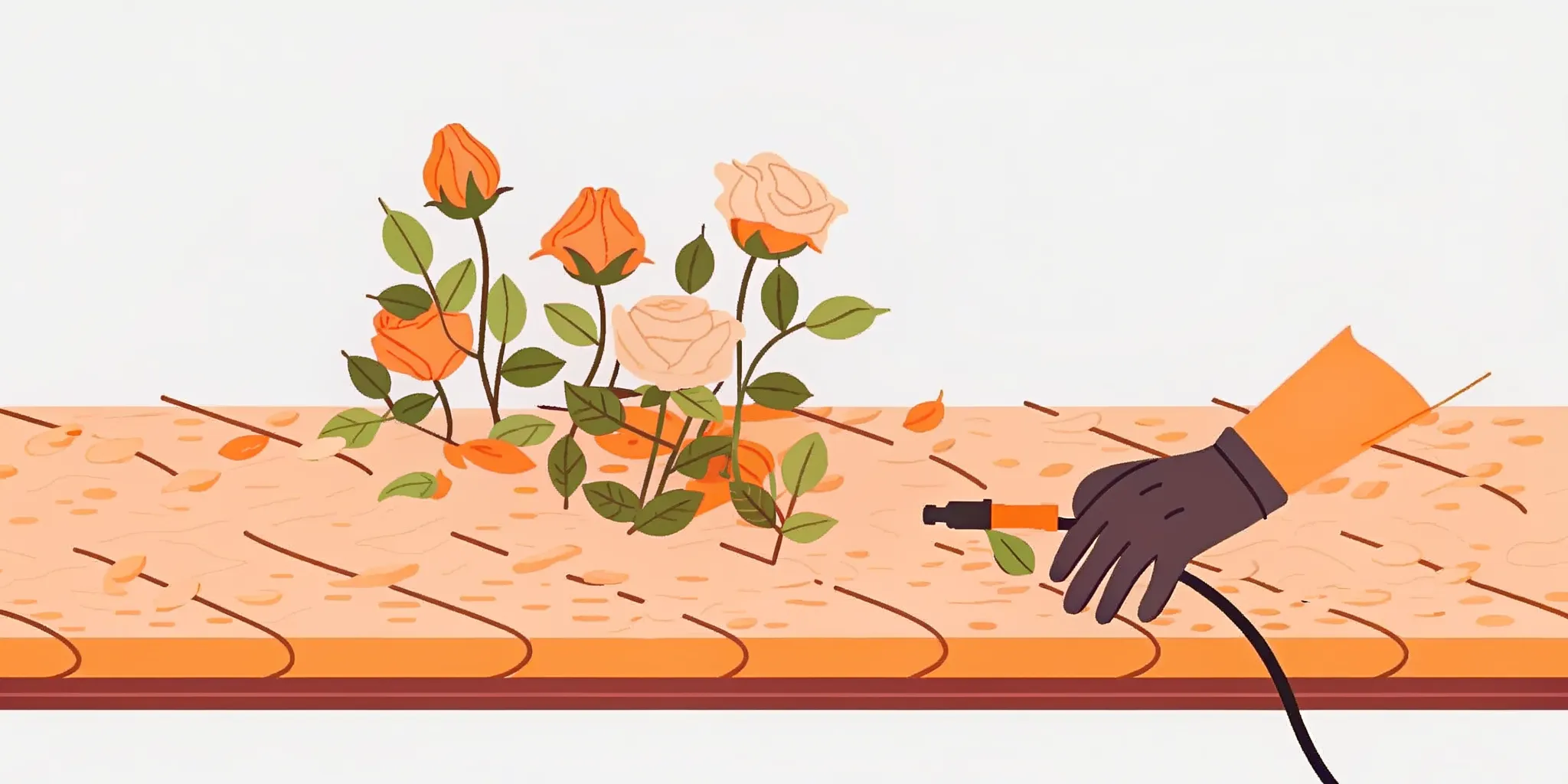
When it comes to garden advice, it can be hard to separate fact from fiction. You might hear one person swear by cedar mulch while another warns against it, leaving you wondering what to believe. Concerns about nitrogen depletion or soil acidity are valid, but they often don't tell the whole story. We’re here to set the record straight and provide a clear, expert answer to the question, is cedar mulch good for roses? This guide will break down the science in simple terms, address the common myths, and give you the practical steps to use cedar mulch effectively for healthier, more vibrant roses.
Key Takeaways
- Cedar mulch offers triple protection for roses: It locks in soil moisture to reduce watering, naturally repels common garden pests, and blocks sunlight to prevent weeds from growing.
- Application technique makes all the difference: Aim for a two to three-inch layer for ideal weed and moisture control, and remember to leave a small gap around the base of each rose stem to prevent moisture-related issues like rot.
- Avoid common mistakes for healthy plants: Never mix cedar mulch into the soil, as this can temporarily tie up nitrogen. Instead, keep it as a top layer and apply a nitrogen-rich fertilizer beforehand if your soil needs it.
What Is Cedar Mulch?
If you’ve ever walked through a garden and noticed a reddish-brown ground cover with a fresh, woodsy scent, you were likely looking at cedar mulch. This popular landscaping material is made from the shredded bark and wood of cedar trees. Gardeners and landscapers love it not just for its beautiful color and pleasant aroma, but also for its practical benefits. Cedar mulch is a natural, organic option that helps protect your plants and improve your soil over time.
It's known for being incredibly durable and resistant to decay, which means it lasts longer in your garden beds compared to many other types of mulch. This makes it a fantastic choice for anyone looking to create a low-maintenance yet beautiful garden. We'll get into the specifics of how it helps roses, but first, let's look at what sets cedar apart from other options.
What makes cedar mulch unique
The first thing most people notice about cedar mulch is its distinct, pleasant smell. That aroma comes from natural oils in the wood, which do more than just smell good. These oils are a natural insect repellent, helping to keep pests like gnats, ants, and termites away from your precious roses. Another major advantage is its slow decomposition rate. While other organic landscape supplies break down quickly, cedar holds its structure and color for a long time. This means you won't have to reapply it as often, saving you time and effort throughout the gardening season.
How cedar compares to other mulches
When you're choosing from the many types of mulch, you'll find many organic options, from pine bark to shredded leaves. All organic mulches eventually break down and add valuable nutrients to the soil, which is a huge plus for plant health. Cedar stands out because of its longevity. While something like grass clippings will decompose in a matter of weeks, cedar mulch can last for a year or more before needing a top-up. It’s best used as a protective layer on top of the soil rather than mixed into it. This allows it to effectively block weeds and retain moisture without interfering with your plants' root systems.
Why Use Cedar Mulch for Roses?
If you've ever wondered what makes cedar mulch a favorite among rose gardeners, the answer lies in its powerful, multi-tasking abilities. It goes far beyond just making your garden beds look tidy. Using cedar mulch is one of the best things you can do to support the health and beauty of your roses, helping them thrive by creating the perfect environment for their roots. From conserving water to fending off pests, cedar mulch works hard so you don’t have to.
Retains moisture for healthy roots
Roses perform best with consistent moisture, and cedar mulch is excellent at helping soil retain water. It acts as a protective barrier on the soil surface, slowing down evaporation from the sun and wind. This means you'll need to water less often, and your rose bushes will have a more stable supply of moisture to draw from. This layer also helps regulate soil temperature, keeping the roots cool and comfortable during hot summer days and insulated from the cold in winter. A consistent environment is key to developing a strong, healthy root system.
Deters pests naturally
One of the standout features of cedar is its natural ability to repel certain insects. The oils in cedar wood release a distinct aroma that, while pleasant to us, is a turn-off for pests like slugs, snails, and some ants. This offers a form of pest control without reaching for chemical sprays, which is a huge win for creating a healthier garden ecosystem. By adding a layer of cedar mulch around your roses, you’re giving them a natural shield against unwanted visitors that might otherwise damage their leaves and blooms.
Suppresses weeds and regulates temperature
Weeds compete with your roses for water, nutrients, and sunlight, but a solid layer of cedar mulch can stop them before they even start. By blocking sunlight from reaching the soil, mulch prevents many weed seeds from germinating. This saves you countless hours of pulling weeds throughout the season. At the same time, that protective layer insulates the soil, shielding your rose's delicate roots from extreme temperature swings. It’s a simple step that provides a more stable and nurturing environment for your plants to flourish.
Provides long-lasting garden protection
When it comes to durability, cedar mulch is a top performer. It breaks down much more slowly than many other types of organic mulch, like straw or grass clippings. Because cedar is so resilient, a single application can last for several years, making it a cost-effective and low-maintenance choice for your garden beds. This slow decomposition means you won't have to reapply it as frequently, giving you more time to simply enjoy your beautiful roses. You can use a volume calculator to figure out exactly how much you need for long-term coverage.
Are There Downsides to Using Cedar Mulch?
While cedar mulch is a fantastic choice for many gardens, it’s smart to know about a few potential drawbacks before you commit. Like any garden product, it has unique characteristics that might require a little extra attention. Being aware of these points helps you make the best decision for your roses and ensures they get everything they need to thrive.
The good news is that these potential downsides are completely manageable. With a few simple adjustments, you can enjoy all the benefits of cedar mulch without any of the stress. We’ll walk through the main things to consider: a temporary change in soil nitrogen, the effect of its natural oils, and how its cost compares to its long lifespan. Knowing what to expect will help you use all our landscape supplies with confidence.
The risk of nitrogen depletion
When any wood-based mulch, including cedar, begins to decompose, the microorganisms breaking it down use nitrogen from the soil. This can temporarily tie up the nitrogen, making less of it available for your roses. Since roses are heavy feeders and need plenty of nitrogen for lush, green growth, this is something to keep in mind.
Don’t worry, the solution is simple. To counteract this effect, you can apply a nitrogen-rich fertilizer before you lay down your mulch. This gives your roses the nutrients they need while the mulch settles in. A balanced seed & fertilizer application can easily address this temporary nitrogen dip and keep your plants happy.
How aromatic oils can affect soil
One of the reasons cedar is so great at repelling pests is its natural aromatic oils. Some gardeners wonder if these oils could harm their soil or plants. While it’s a valid question, the oils in cedar mulch are generally not a problem for established plants. Once your roses have a strong root system, they can easily handle the presence of cedar.
For brand-new, delicate plantings, you might want to let them get established before mulching with cedar. But for the most part, the oils pose little risk to your garden’s ecosystem. They primarily work on the surface to deter insects, leaving your soil and rose roots undisturbed.
Cost and decomposition rate
You might notice that cedar mulch can sometimes have a higher price tag than other types of mulch. However, it’s important to look at the long-term value. Cedar breaks down much more slowly than many other organic materials, like pine or hardwood mulch. This means you won’t have to replace it nearly as often.
A single application of cedar mulch can last for several years, providing continuous protection and beauty for your garden. When you factor in the time and money saved on re-mulching, the initial cost often proves to be a smart investment. Getting a mulch delivery of long-lasting cedar can save you a lot of work down the road.
How to Apply Cedar Mulch Around Your Roses
Applying cedar mulch isn't complicated, but a little technique goes a long way in helping your roses thrive. Getting the application just right ensures your plants get all the benefits, from moisture retention to pest control, without any of the potential drawbacks. Think of it as tucking your roses in with the perfect blanket. It’s a simple step that sets your garden up for success and protects your investment in beautiful blooms. Here’s how to do it correctly.
Find the right thickness and coverage
When you spread your cedar mulch, aim for a layer that’s about two to three inches thick. This is the sweet spot. A layer this deep is substantial enough to block sunlight from reaching weed seeds and to keep the soil cool and moist on hot days. At the same time, it’s not so thick that it suffocates the soil or prevents water from reaching the roots. If you're unsure how much mulch you'll need to achieve this coverage for your garden beds, a volume calculator can help you figure out the right amount to order.
Keep a safe distance from stems
This is a crucial step many gardeners miss. As you spread the mulch, be sure to leave a small gap of about two to three inches around the base of each rose stem. Piling mulch directly against the stems can trap too much moisture, creating a damp environment that invites rot and pests. This small, mulch-free circle acts as a buffer zone, keeping the base of your plants dry and healthy. It’s a simple trick that makes a huge difference in preventing common garden problems and promoting better air circulation right where your roses need it most.
Know the best time to apply it
You can apply cedar mulch any time of year, but for the biggest impact, timing is everything. Applying a fresh layer in the spring helps prepare your roses for the growing season by suppressing weeds and locking in moisture as temperatures rise. A winter application is also a great idea, as it insulates the soil and protects the roots from harsh cold. If your mulch is looking a bit thin or broken down, feel free to top it off whenever needed. Getting a fresh mulch delivery in early spring is a fantastic way to get a head start on your garden care.
Does Cedar Mulch Affect Soil pH?
One of the most common questions gardeners have about cedar mulch is how it affects soil chemistry. It’s a valid concern, since the right pH balance is crucial for healthy plants. The good news is that while cedar does have a slight impact, it’s usually not something you need to worry about, especially with resilient plants like roses. Let's break down what your roses need and how cedar mulch fits into the picture.
What pH level do roses prefer?
Roses are happiest when their soil is just right. They thrive in soil that is neutral to slightly acidic, with a pH level ideally between 6.0 and 7.0. If the soil is too alkaline (above 7.0) or too acidic (below 6.0), your roses might struggle to absorb essential nutrients. This can lead to yellowing leaves, weak stems, and fewer blooms, no matter how much you water or fertilize. If you notice your roses aren't looking their best, testing your soil's pH is a great first step. You can amend the soil with high-quality compost or topsoil to help create the perfect foundation for vibrant, healthy roses.
How cedar mulch impacts soil acidity
It’s a common myth that cedar mulch will make your soil too acidic for your roses. The short answer is, probably not. While it's true that wood-based mulches like cedar are slightly acidic as they decompose, their effect on your soil's overall pH is minimal. Any change in acidity happens very slowly and is mostly limited to the thin layer of soil directly touching the mulch. This minor, temporary shift isn't significant enough to harm your roses, which already prefer slightly acidic conditions. So, you can confidently use cedar mulch without worrying about drastically altering your garden's soil chemistry. It’s a reliable choice for protecting your plants.
Which Roses Benefit Most from Cedar Mulch?
While nearly any rose can benefit from a good layer of mulch, cedar mulch truly shines in specific situations. Its unique properties make it a fantastic choice, but its effectiveness can hinge on the age of your roses and the overall conditions of your garden. Whether you're nurturing newly planted bushes or maintaining a well-established rose bed, understanding where cedar mulch works best will help you get those beautiful, vibrant blooms you're looking for. Let's look at how to use it for both young and mature roses and the ideal garden environments for this aromatic mulch.
Using it for new vs. established roses
Cedar mulch is a great option for both new and established roses, as long as you pay attention to the texture. For newly planted roses with delicate, developing root systems, a finer-textured cedar mulch is ideal. Smaller shavings or chips create a protective blanket that helps the soil retain moisture and maintain a consistent temperature, giving young plants a stable environment to thrive. This helps reduce transplant shock and encourages strong root growth from the start.
Established roses also benefit from cedar mulch’s excellent moisture retention and weed-suppressing qualities. Since their root systems are more robust, they can handle a slightly coarser mulch. However, a finer grade is still beneficial as it breaks down more easily, contributing to the soil's organic matter over time. The key takeaway is that both new and mature roses will do well with cedar mulch, but choosing a product with smaller chips ensures better coverage and soil health benefits.
Ideal garden conditions for cedar mulch
Cedar mulch is particularly effective in gardens that face specific environmental challenges. If your rose beds are in an area with full sun exposure or have sandy soil that drains quickly, cedar is an excellent choice. Its ability to lock in moisture reduces the need for constant watering and protects roots from drying out during hot spells. This makes it a reliable tool for creating a more water-wise garden.
It's also a perfect fit for gardeners seeking a low-maintenance solution. Because cedar decomposes slowly and is a natural weed barrier, you’ll spend less time weeding and reapplying mulch throughout the season. For an extra dose of nutrients, you can apply a layer of compost around your roses before adding the cedar mulch on top. This combination creates a fantastic environment, offering both moisture control and a steady supply of organic matter to enrich the soil.
Cedar Mulch vs. Other Options for Roses
Choosing the right mulch for your roses can feel like a big decision, but it really comes down to your garden's specific needs. While many organic materials work well, cedar has some distinct features that set it apart. Let's break down how it stacks up against other popular choices and figure out if it's the right fit for your rose beds.
How cedar compares to other organic mulches
When you’re looking for the perfect mulch for your roses, you have plenty of great organic choices. Materials like compost, shredded bark, and pine needles all do a fantastic job of helping your roses hold onto moisture, which is key for big, beautiful blooms. But cedar mulch brings a few unique talents to the garden bed. Its biggest claim to fame is its natural ability to repel pests, giving your roses an extra layer of protection that other mulches don't offer. Plus, it's known for being incredibly durable. While other organic mulches break down and enrich the soil, cedar sticks around for a while, making it a low-maintenance option.
When to choose cedar for your garden
So, when is cedar the right call? If you've had trouble with garden pests in the past, cedar mulch is an excellent choice for protecting your roses. Its natural oils are a deterrent for many common insects. Another great reason to choose cedar is its longevity. It breaks down much more slowly than other wood chips, meaning you won't have to reapply it as often. And don't worry about it stealing nutrients from your soil; that's only a concern if you mix the chips into the soil. As a top layer, it works perfectly fine. If you want a long-lasting, protective layer for your rose garden, cedar is one of the best landscape supplies you can get.
Common Mistakes to Avoid with Cedar Mulch
Cedar mulch can be a fantastic ally for your roses, but a few common missteps can turn it from a helper into a hindrance. The good news is that these mistakes are super easy to avoid once you know what to look for. Getting the application right ensures your roses get all the benefits of moisture retention and pest control without any of the potential downsides. Let’s walk through the two biggest things to watch out for so you can mulch like a pro.
Don't apply too much or too close
It’s tempting to lay down a thick, generous blanket of mulch, but more isn’t always better. A layer that’s too deep (over four inches) can prevent water and oxygen from reaching your rose’s roots. Even more important is keeping the mulch from touching the plant's stems. You should always leave a small gap of about two to three inches around the base of your roses. Piling mulch directly against the stems traps moisture, creating the perfect conditions for rot and inviting unwanted pests. Think of it as giving your roses a little breathing room to stay healthy and strong. If you need help figuring out the right amount, a volume calculator can be a lifesaver.
Avoid mixing mulch into the soil
This is a big one. Cedar mulch does its best work as a top dressing, lying on the surface of the soil. You should never mix or till it into your garden bed. Why? As wood breaks down, it uses nitrogen from the soil in the decomposition process. If you mix the mulch in, it will compete directly with your roses for this essential nutrient, which can lead to yellow leaves and poor growth. By keeping the cedar mulch on top, it decomposes slowly and the nitrogen depletion happens at the surface, away from your plant’s primary root zone. If you’ve accidentally mixed some in, adding a nitrogen-rich fertilizer can help balance things out.
How to Maintain Cedar Mulch All Season
One of the best things about cedar mulch is how low-maintenance it is. It does a fantastic job protecting your roses without asking for much in return. Still, a little attention throughout the season will ensure your garden beds stay healthy and look their best. Keeping an eye on the mulch depth and your plants' nutrient levels are the two main things to watch for. A quick check-in now and then is all it takes to keep your cedar mulch working hard, so your roses can continue to thrive from spring through fall.
Proper maintenance also helps you get the most value out of your investment. Since cedar breaks down slowly, you won’t need to replace it often. By simply refreshing it when needed and addressing any potential nutrient issues, you can extend its life and keep your garden ecosystem in perfect balance. Think of it as a simple partnership: you give the mulch a little care, and it gives your roses a stable, protective environment to grow in.
Know when to refresh or replace it
Cedar mulch is a long-lasting choice, typically protecting your garden for up to five years before it fully decomposes. However, you’ll want to keep an eye on its thickness. Over time, it will settle and break down, so check the depth once or twice a season. If you notice it’s looking a bit thin (less than two inches), it’s a good idea to add a fresh layer, especially in midsummer. This ensures your roses continue to get all the benefits of moisture retention and weed suppression. When you're ready to top it off, we have plenty of high-quality landscape supplies ready for delivery.
Add nitrogen fertilizer when necessary
You may have heard that wood mulches can tie up nitrogen in the soil as they decompose. While this is a valid concern, it’s usually a temporary and minor issue with mulch that sits on the soil surface. The problem is more likely to occur if the mulch gets mixed into the soil itself. If you notice your rose leaves turning yellow or their growth seems slow, it could be a sign of nitrogen deficiency. The fix is simple: apply a seed & fertilizer product that's rich in nitrogen to give your plants the nutrients they need.
Related Articles
- The Ultimate Guide to Western Red Cedar Mulch
- Bulk Delivery Mulch: A Complete Buyer's Guide
- Mulch — Organic Mulch Soil Supply & Mulch Products Middletown NY
- Organic Mulch Soil Supply & Mulch Products Middletown NY
Frequently Asked Questions
How long does the cedar smell last? The fresh, woodsy aroma of cedar mulch is strongest when you first apply it and will gradually fade over the first few months. While the scent that repels insects will linger for a while, the noticeable fragrance for us humans will become much more subtle. The good news is that the mulch continues to protect your roses long after the strongest scent has dissipated.
Is cedar mulch safe for pets? Generally, cedar mulch is considered safe for pets like cats and dogs. The natural oils that deter insects are not typically harmful if your pet walks on or sniffs the mulch. However, it's always a good idea to supervise pets in a newly mulched area to prevent them from chewing on or ingesting large quantities of it, as this could cause an upset stomach.
Will the reddish color of cedar mulch fade over time? Yes, like all natural wood products, cedar mulch will lose some of its vibrant reddish-brown color over time due to sun and rain exposure. It will gradually weather to a softer, silvery-gray color. This is a completely natural process and doesn't mean the mulch has stopped working. It will still be effective at retaining moisture and suppressing weeds.
Can I put new cedar mulch on top of my old mulch? Absolutely. If your existing mulch layer has become thin (less than two inches deep), you can simply add a fresh layer right on top. There's no need to remove the old mulch, as it will continue to break down and add organic matter to the soil. Just make sure the total depth doesn't exceed about four inches, and remember to keep it pulled away from the base of your rose stems.
Do I really need to add fertilizer every time I mulch? Not necessarily. The risk of nitrogen depletion is highest when wood mulch is mixed directly into the soil. Since you're just laying it on top, the effect is minimal. If your roses are healthy and have deep green leaves, you probably don't need to add extra fertilizer. However, if you notice any yellowing leaves after mulching, applying a nitrogen-rich fertilizer is a simple and effective fix.