
How to Order Driveway Gravel Delivery: A Simple Guide
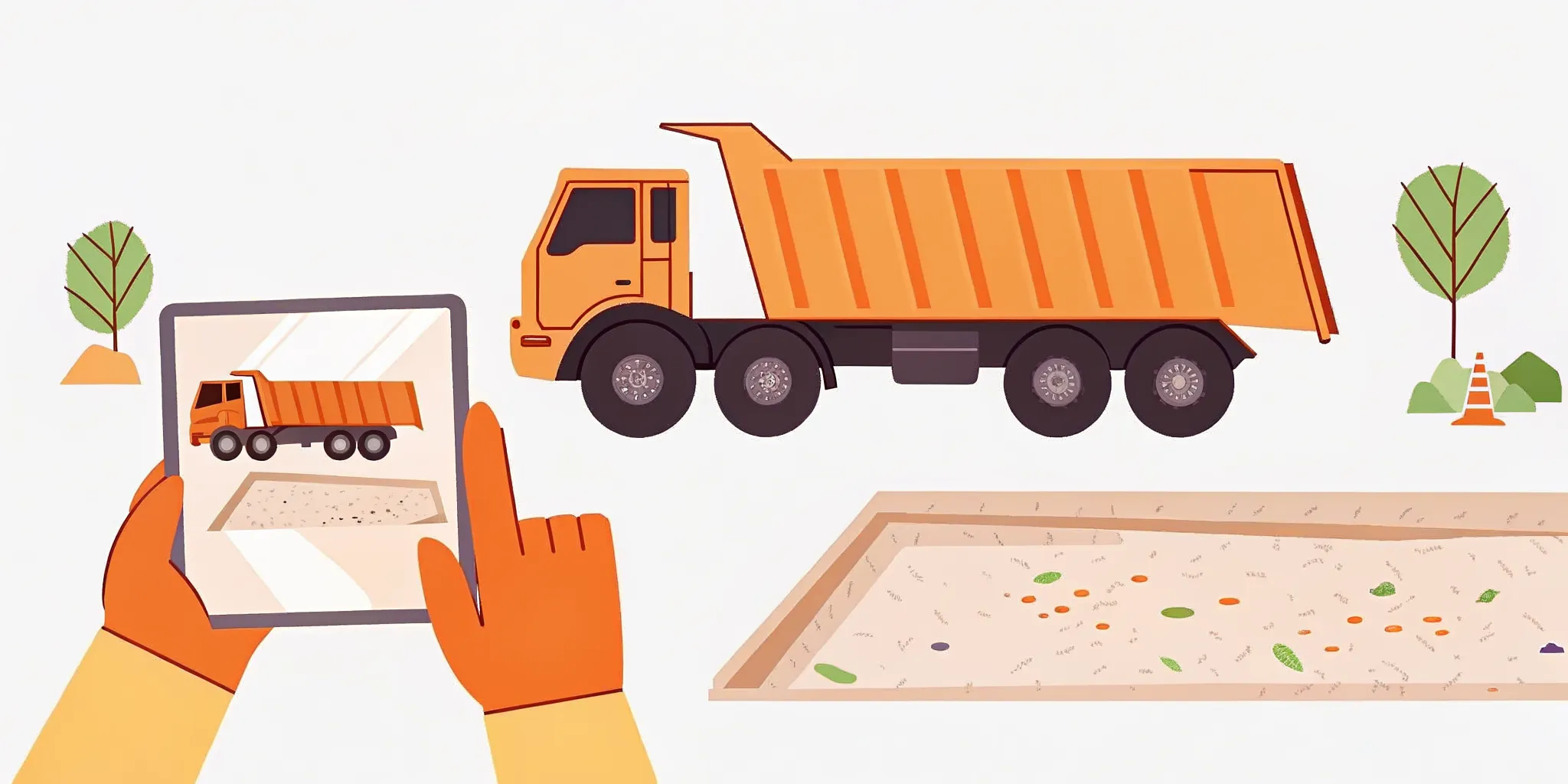
You’ve measured your space and picked the perfect stone. Now, a large truck is scheduled to arrive at your home. What happens next? A smooth driveway gravel delivery day is all about preparation. Knowing how to clear a path for the truck, where to direct the driver, and what to expect during the drop-off can prevent stress and protect your property. This guide covers the practical side of your project. We’ll walk you through prepping your site, communicating with the delivery crew, and what you need to do to ensure the entire process is seamless from the moment the truck pulls up to your curb.
Key Takeaways
- Build your driveway in layers for stability: The secret to a long-lasting gravel driveway is a solid foundation. Use angular, crushed stone for the base since it locks together tightly, and reserve decorative options like pea gravel for the final top layer.
- Get your prep work done before ordering: To avoid extra fees and project delays, complete three key steps first. Calculate the exact amount of gravel needed, plan for proper water drainage, and clear a safe access path for the delivery truck.
- Save money by ordering smart and local: The best way to manage your budget is to buy from a local supplier to reduce delivery fees. You can also save by purchasing in bulk and scheduling your delivery during the off-season, like late fall or winter, when demand is lower.
What Are Your Driveway Gravel Options?
Choosing the right gravel for your driveway can feel like a big decision, but it doesn't have to be complicated. The key is understanding how different materials function, because your choice affects not just the look of your driveway but also its stability and longevity. A great gravel driveway is built in layers, much like a cake. You have a sturdy base layer for support, a middle layer for stability, and a top layer for appearance and traction. Each layer requires a specific type of stone to do its job correctly.
The base is the most critical part. It needs to be a strong, compactable material that can bear the weight of vehicles without shifting. This is where angular, crushed stones are essential. The middle layer helps distribute weight evenly and provides further stability, while the top layer is what you see every day. This is your chance to add some personality with decorative stone, but it still needs to be functional enough to handle traffic and weather. One of the most common mistakes people make is choosing a material based on looks alone, like using smooth pea gravel for the entire driveway, which can lead to a mushy, unstable mess. We'll get into the specifics of each type, but just remember that function comes first, especially for those foundational layers. Understanding these basics will help you select the perfect sand, stone, and gravel for a driveway that lasts.
Crushed Stone Varieties
When you think of a classic gravel driveway, you're likely picturing crushed stone. This material is made by mechanically breaking down larger rocks, resulting in angular, sharp-edged stones. This shape is a huge advantage because the pieces lock together tightly when compacted, creating a stable and durable surface. One of the biggest mistakes people make is choosing the wrong type or grade of crushed rock. For a solid foundation, you'll want a mix of sizes, often referred to as "crusher run," which includes stone dust that helps bind everything together. For top layers, a clean, uniformly sized crushed stone provides a tidy finish.
Pea Gravel Characteristics
Pea gravel consists of small, rounded stones that are smooth to the touch, resembling, well, peas. While its attractive appearance and variety of colors make it a popular choice for garden paths and decorative accents, it's not the best pick for a driveway. Using rounded pea gravel for a driveway base is a mistake because it will never compact properly. The smooth stones will simply shift and roll under the weight of a vehicle, creating ruts and an unstable surface. If you love the look, consider using it as a very thin top layer over a well-compacted crushed stone base, but save it primarily for your walking paths.
Decorative Gravel Options
Who says a driveway can't be beautiful? Decorative gravel can seriously enhance your home's curb appeal while still providing excellent functional benefits. These stones come in a wide range of colors, from brilliant whites to rich reds and deep grays, allowing you to match your home's exterior or landscaping theme. Beyond aesthetics, many decorative options offer great drainage, which helps prevent puddles and water damage. You can explore different types of stone and gravel within our masonry supplies to find a look that complements your property and stands up to traffic. It's the perfect way to get a functional surface with a polished look.
Recycled Concrete Aggregate Benefits
For an option that's both budget-friendly and kind to the planet, consider recycled concrete aggregate (RCA). This material is made from crushed concrete sourced from demolition projects, giving old materials a new life. RCA is an excellent eco-friendly choice that provides a cost-effective and sustainable alternative to virgin gravel. It compacts exceptionally well, creating a strong, stable base for driveways that can last for years. Choosing recycled materials aligns with a commitment to sustainability, something we value deeply in our own composting and recycling operations. It's a smart choice for your wallet and the environment.
How Much Does Gravel Delivery Cost?
Figuring out the budget for your driveway project is a big first step. The total cost of gravel delivery isn't just about the stone itself; it’s a combination of the material you choose, how far it has to travel, and how much you order at once. Think of it like ordering a pizza: the price changes based on your toppings, your distance from the restaurant, and whether you’re buying one slice or ten pies for a party. Each element contributes to the final number on your invoice.
Understanding these key factors will help you get an accurate estimate and avoid any surprises down the road. We’ll break down each component so you can see exactly where your money is going and why. From the specific type of stone you select to the location of your home, every detail plays a role in the final price. This knowledge will help you plan your project budget effectively, compare quotes with confidence, and choose the best options for your specific needs without overspending. Getting a handle on these variables is the best way to ensure your project starts on solid financial ground.
Gravel Pricing by Type and Quality
The type of gravel you choose is one of the biggest factors in your total cost. Just like with any other building material, prices vary based on function, appearance, and quality. For example, basic fill gravel or recycled concrete aggregate will generally be more budget-friendly than decorative options like pea gravel or colored stone. The price often reflects the processing involved; crushed stone that has been screened for a uniform size costs more than a simple quarry run. When you browse different landscape supplies, you'll notice this price difference. It’s important to balance your budget with the needs of your project to ensure you get a durable and effective result.
Delivery Fees and Distance Factors
Where you live plays a significant role in your final bill. Most suppliers have a set delivery zone, and the cost is calculated based on the mileage from their yard to your property. The further away you are, the higher the delivery fee will likely be to cover fuel and the driver's time. Some companies might offer flat-rate delivery within a certain radius or even free delivery for local orders that meet a minimum quantity. Before you commit, it's a great idea to check the company's delivery service area to see if your location falls within their standard zones. This will help you get a clear picture of the transportation costs upfront.
Bulk Quantity Discounts and Minimum Orders
Ordering in bulk is almost always the most cost-effective way to buy gravel. Suppliers often have a minimum order requirement for delivery, which could be around three cubic yards. If you need less than that, you might consider picking it up yourself if possible. On the other hand, buying a large quantity at once can often unlock a lower price per yard. Some suppliers even offer seasonal discounts, particularly in the late fall and winter, to clear out inventory. Using a volume calculator can help you determine exactly how much you need so you can take full advantage of bulk pricing without ordering too much.
How to Calculate the Right Amount of Gravel
Figuring out exactly how much gravel you need can feel like a tricky math problem, but it’s simpler than you think. Getting this number right is key to staying on budget and making sure your project goes smoothly without a last-minute scramble for more materials. Ordering too little means delays and extra delivery fees, while ordering too much leaves you with a pile of stone and a lighter wallet. A few quick measurements and some simple math will give you the confidence to order the perfect amount. We’ll walk through each step, so you can get it right the first time.
Measure Your Driveway Dimensions
First things first, you need to know the size of the area you’re covering. Grab a tape measure and find the length and width of your driveway in feet. If your driveway has an irregular shape, like an L-shape or a curve, just break it down into smaller, regular shapes (rectangles, squares) and measure each one separately. Jot down these numbers. Accuracy is your best friend here, as these measurements are the foundation for your entire calculation. Getting them right ensures everything else falls into place. If you're ready with your numbers, our volume calculator can do the heavy lifting for you.
Calculate Cubic Yards Needed
Now for the math part, and I promise it’s straightforward. To find the volume, you’ll multiply your driveway’s length by its width, and then by your desired depth (all in feet). This gives you the total cubic feet. Since bulk materials like gravel are sold by the cubic yard, you have one more step: divide your total cubic feet by 27. The result is the number of cubic yards you need to order. For example, if your driveway is 50 feet long, 10 feet wide, and you want a depth of 4 inches (which is 0.33 feet), your calculation would be: 50 x 10 x 0.33 = 165 cubic feet. Then, 165 / 27 = 6.1 cubic yards.
Depth Recommendations by Gravel Type
Choosing the right depth is crucial for a stable, long-lasting driveway. For most residential driveways, a total gravel depth of 4 to 6 inches is a good rule of thumb. This is often achieved in layers. You might start with a 2 to 4-inch base layer of larger, crushed stone for a solid foundation, followed by a 2-inch top layer of smaller, more decorative gravel. The type of gravel you choose can also influence the ideal depth, so it’s helpful to consider what kind of landscape supplies will work best for your base and surface layers. A proper depth prevents ruts and ensures your driveway holds up well to traffic and weather.
Account for Compaction and Waste Factors
One final tip: it’s always a good idea to order slightly more than your calculation suggests. Why? Because gravel settles and compacts over time, especially after being driven on. You might also lose a small amount of material during the delivery and spreading process. A good practice is to add an extra 5% to 10% to your final number. This small buffer ensures you won’t end up with a thin spot or have to place a second order for just a little bit more material. If you’re unsure about your math, it never hurts to contact us to double-check your numbers with an expert.
How to Choose a Gravel Delivery Company
Once you know what kind of gravel you need and how much, the next step is finding the right company to bring it to you. Not all suppliers are created equal, and choosing a reliable partner can make all the difference between a smooth project and a major headache. A great company delivers high-quality materials on time and communicates clearly throughout the process. Let's break down the key things to look for so you can feel confident in your choice and find a supplier you can trust for all your future landscaping needs.
Quality Certifications and NYSDEC Permits
The quality of your gravel matters. Using the wrong type, like rounded pea gravel for a driveway base, can lead to a squishy, unstable surface that never compacts properly. A reputable supplier will guide you toward the right material for your project. Look for companies that operate with transparency and hold relevant certifications. For instance, here in our region, a supplier with NYSDEC-permitted facilities demonstrates a commitment to environmental standards and quality control. This ensures the products you receive are not only effective but also responsibly sourced and processed, giving you peace of mind.
Service Area Coverage and Delivery Zones
This might seem obvious, but always double-check that a company delivers to your specific address before you get too far into the planning process. Don’t just assume that because they serve your county, they can reach your neighborhood. Many suppliers have detailed maps or lists of towns they cover. Confirming their delivery service area upfront saves you from logistical headaches and last-minute scrambles to find a new supplier. A company with a clearly defined and extensive delivery zone is usually a sign of a well-organized and established operation that can reliably get your materials to you.
Customer Reviews and Reputation
Before you place an order, do a little digging into the company's reputation. A quick search for customer reviews and testimonials can tell you a lot about their reliability, product quality, and customer service. Are previous customers happy with their deliveries? Were the drivers professional and helpful? Overlooking a supplier's reputation is a common pitfall that can easily be avoided. Positive feedback is a great indicator that you’re dealing with a trustworthy business that values its customers and stands behind its products. It’s worth the extra five minutes of research.
Equipment and Placement Capabilities
Finally, consider the delivery itself. Does the company have the right equipment to place the gravel exactly where you need it? You’ll be responsible for guiding the driver on your property, so it’s important to know what kind of trucks they use and what their capabilities are. A professional supplier will be able to tell you about their fleet and help you plan for a smooth drop-off. Check their delivery policies and FAQs to understand what to expect. This ensures there are no surprises on delivery day and that your gravel ends up in a convenient spot, not just dumped at the curb.
How to Prep Your Property for Delivery
A little prep work before your gravel arrives can make a world of difference. Taking a few simple steps ensures the delivery truck can get in and out safely and that your new gravel driveway looks great from day one. Think of it as setting the stage for a successful project. You’ll want to focus on three key areas: clearing the ground where the gravel will go, planning a clear path for the delivery truck, and making sure water will drain properly. Getting these details sorted out ahead of time helps prevent any surprises on delivery day and ensures your investment lasts for years.
Ground Preparation and Site Clearing
First, let's get the ground ready. Before you even place an order, measure the area where you plan to spread the gravel to make sure it’s clear of any obstacles. This is also the perfect time to use a volume calculator to confirm you’re ordering the right amount. Walk through the space and remove any weeds, grass, large rocks, or other debris. For the best results, you’ll want the ground to be as level and compact as possible. A smooth, solid base helps the gravel spread evenly and prevents it from sinking into the soil over time, giving you a more stable and durable surface.
Access Route Planning and Clearances
Next, think about the delivery truck’s journey from the street to your drop-off spot. Our trucks are big, so they need a clear and safe path. Take a walk along the planned route and look for potential obstacles. Are there any low-hanging tree branches or utility wires? Is the path wide enough? Make sure to move any parked cars, bikes, or lawn ornaments out of the way before the truck arrives. It’s also a great idea to be home on delivery day. You are responsible for guiding the driver on your property, which helps them place the materials exactly where you want them and protects your landscape from accidental damage. You can find more specifics in our delivery FAQ.
Drainage Considerations and Slope Requirements
Finally, consider where water will go when it rains. Proper drainage is key to preventing your new gravel driveway from turning into a muddy mess or washing away. Take a look at the slope of the land. Ideally, it should gently grade away from your house and other structures. If your driveway area is very flat or slopes the wrong way, you might need to make some adjustments. Creating a slight crown in the center of the driveway can help direct water to the sides. For areas with significant water issues, installing a French drain with the right kind of drainage stone can be a great solution to channel water away effectively.
What to Expect on Delivery Day
The day your gravel arrives is exciting because it means your project is officially underway. Knowing what happens next will help make the process feel smooth and simple. From the moment our truck pulls up, our goal is to get your materials to you safely and efficiently so you can get right to work. We’ve handled thousands of deliveries, and a little preparation on your end combined with our professional process ensures everything goes off without a hitch.
The Professional Delivery Process and Timing
On the scheduled day, our team will head your way with your order. While we can't give you a precise minute for arrival due to traffic and other variables, we will provide a delivery window so you can plan your day. Keep in mind that delivery costs can vary based on your specific location, so it’s always a good idea to confirm the rate for your area when you order. Our professional drivers are trained to handle bulk materials with care, respecting your property throughout the process. If you have any last-minute questions about what to expect, our delivery FAQ page is a great resource to check out.
Equipment Types and Placement Options
When our delivery truck arrives, it will be ready to place the gravel exactly where you need it. We use specialized equipment designed for handling bulk materials, but the success of the drop-off depends on your guidance. You are responsible for directing the driver to the right spot on your property. Think about the best location beforehand. Choosing a place that’s accessible and close to your project area will save you a lot of time and effort moving the gravel later. Clear communication ensures we can place the materials precisely, making your job easier from the start.
Communication with Drivers and Delivery Crew
Clear and direct communication with our driver is the key to a perfect delivery. When the truck arrives, be prepared to show the driver exactly where you want the gravel pile. You know your property best, including any soft spots in the lawn or low-hanging branches to avoid. Our drivers are experts at maneuvering their vehicles, and your input helps them do their job safely and effectively. If you can’t be home for the delivery, mark the drop-off spot clearly with a tarp, stakes, or cones. If you have any specific concerns, don't hesitate to contact us ahead of time.
Common Gravel Ordering Mistakes to Avoid
Ordering gravel for your driveway project should be straightforward, but a few common slip-ups can cause major headaches down the road. Getting your order right from the start saves you time, money, and the frustration of redoing your work. By sidestepping these frequent mistakes, you can ensure your project goes smoothly and your new driveway looks great for years to come.
Choosing the Wrong Gravel Type
One of the biggest mistakes is picking a gravel based on looks alone without considering its purpose. For example, smooth, rounded pea gravel might look nice, but it’s a poor choice for a driveway base. The stones won’t lock together and compact properly, leading to a shifty, unstable surface that’s difficult to walk or drive on. For a solid foundation, you need an angular, crushed stone that interlocks to create a firm base. Think about your driveway in layers and choose the right material for each job, from the sturdy base to the decorative top layer. You can explore different sand, stone, and gravel delivery options to find the perfect fit for each part of your project.
Incorrect Size Selection and Timing Issues
Just as the type of gravel matters, so does the size. Using gravel that’s too large for a top layer can make for a bumpy ride, while gravel that’s too small might wash away in heavy rain. The right size is crucial for proper drainage and a stable, long-lasting surface. Another common issue is timing your delivery. It can be tempting to order your gravel as soon as you decide on the project, but if your site isn't ready, that pile of stone can get in the way and even become contaminated with mud or debris. Plan your project steps first and schedule your delivery for when you’re truly ready to spread the gravel.
Poor Drainage Planning and Site Preparation
A beautiful gravel driveway can quickly turn into a muddy mess without proper drainage. Before you even think about ordering, you need a plan for where rainwater will go. This means grading the area correctly to direct water away from your home and prevent pooling, which can lead to erosion and potholes. Proper site preparation is key. Your delivery team needs a clear, accessible spot to drop the gravel, and the driveway area itself should be cleared of all vegetation, graded, and compacted. A well-prepared site not only makes for a smoother installation but is also the foundation of a durable, low-maintenance driveway.
How to Save Money on Your Gravel Delivery
A new driveway is a significant investment, but the material and delivery costs don't have to break the bank. With a bit of strategic planning, you can get high-quality gravel delivered right to your home without overspending. It often comes down to three key factors: how much you buy, when you buy it, and who you buy it from. While it might be tempting to jump on the first low price you see from a big online retailer, the true cost often lies in the delivery. Heavy materials like gravel are expensive to ship, and those fees can quickly erase any initial savings. By thinking through your order with a local supplier, you can find opportunities to save on both the product and the delivery fees. Let's walk through a few simple tips that can make a big difference to your project's bottom line. We'll cover the benefits of ordering in bulk, the best times of year to schedule your delivery, and why sticking with a local supplier is almost always the smartest financial move for getting your landscape supplies.
Bulk Order Pricing Advantages
When it comes to materials like gravel, buying in bulk is almost always the most cost-effective approach. While the initial price tag on a small bag might seem low, the per-unit cost is much higher. Plus, shipping costs for heavy materials can be surprisingly steep, often making those small online orders more expensive in the long run. Ordering all the gravel you need for your project in one large delivery from a single supplier saves you from paying multiple delivery fees. It also ensures you get a consistent product. Before you order, use a volume calculator to determine exactly how much you need, then place one comprehensive order to maximize your savings.
Seasonal Promotions and Optimal Timing
Timing your gravel purchase can lead to significant savings. The landscaping and construction industries have peak seasons, typically in the spring and summer, when demand is high and so are prices. If your project timeline is flexible, consider scheduling your delivery during the off-season. Suppliers are often looking to clear out inventory in the late fall and winter, which can lead to discounts of 10-20%. Planning non-urgent projects for these slower months is a great way to stretch your budget. Keep an eye on your local supplier’s website or sign up for their emails to stay informed about any seasonal promotions they might be running.
Local Supplier Benefits and Free Delivery Zones
Choosing a local supplier for your gravel delivery is one of the easiest ways to save money. Local companies have lower transportation costs, and those savings are often passed on to you. A supplier based hours away will have to charge a lot more for fuel and time than one in your community. Many local suppliers also offer free or reduced-rate delivery within a specific radius. It’s always worth checking a company’s delivery service area to see if your home falls within their standard zone. This can eliminate delivery fees entirely, making a huge difference in the total cost of your project and simplifying the entire process.
Ready to Order? Here’s How
Once you’ve done your research and are ready to get your project started, placing your order is the final step. Making sure you have all the details straight will ensure a smooth process from checkout to delivery day. It’s all about clear communication and a little bit of prep work. Here’s a simple breakdown of how to finalize your gravel order and get ready for its arrival.
Get Accurate Quotes and Estimates
Getting an accurate quote is key to keeping your project on budget. A common pitfall is underestimating how much gravel you actually need, which can lead to last-minute orders and extra costs. To get it right the first time, measure your driveway’s length, width, and desired depth. Then, plug those numbers into a volume calculator to determine the cubic yards required. Also, remember that not all gravel is created equal. For a stable driveway base, you’ll want a crushed, angular stone that compacts well, not a rounded stone like pea gravel that can shift under weight. Choosing the right material is just as important as ordering the right amount.
Schedule Your Delivery Date
With your estimate in hand, it’s time to get on the calendar. Planning ahead is your best friend here. Make sure your driveway or drop-off area is fully prepped and accessible before scheduling the truck to arrive. Some people make the mistake of ordering their gravel too early, leaving a large pile in the way while they finish site preparations. Coordinate your delivery for a time when you’re ready to start spreading the material. Most suppliers offer flexible delivery information and can work with your project’s timeline, so you can choose a date and time that works perfectly for you.
Understand Delivery Policies and Requirements
Before you confirm your order, take a moment to understand the company’s delivery policies. Typically, you are responsible for guiding the driver on your property and showing them exactly where to drop the material. It’s also important to know that most suppliers are not liable for potential damage to sidewalks, driveways, or underground utilities. Be sure to ask about delivery fees, as they can vary based on your location. You can usually find answers to common questions on a delivery FAQ page, but it never hurts to call and confirm the specifics for your address. This ensures there are no surprises on delivery day.
Related Articles
Frequently Asked Questions
What's the most important thing to know when choosing driveway gravel? The most critical factor is function, not just appearance. A long-lasting driveway is built in layers, and the base layer is the most important part. You need a foundation made of angular, crushed stone that locks together and compacts tightly to create a stable surface that can support the weight of vehicles. The pretty, decorative stone is just for the top layer.
Why can't I just use pea gravel for my whole driveway? While pea gravel is attractive, its small, rounded shape is its biggest weakness for a driveway. The smooth stones will never interlock or compact properly. Instead, they will shift and roll under the weight of your car, creating an unstable, mushy surface with deep ruts. It's much better suited for garden paths or decorative accents.
How can I be sure I'm ordering the right amount of gravel? Getting your quantity right comes down to a simple calculation. First, measure the length and width of your driveway in feet. Then, decide on the depth, which is typically 4 to 6 inches for a standard driveway. Multiply these three numbers (length x width x depth in feet) to get the total cubic feet, then divide that number by 27 to find the cubic yards you need to order. It's always smart to add about 10% extra to account for compaction.
What do I need to do to get my property ready for a gravel delivery? A little prep work makes a huge difference. First, clear the entire driveway area of any grass, weeds, or large rocks. Next, plan a clear path for the delivery truck from the street to the drop-off spot, making sure there are no low-hanging branches, parked cars, or other obstacles. Being prepared ensures the delivery is safe, efficient, and the material ends up exactly where you need it.
Is it really cheaper to order gravel from a local supplier? Yes, in almost every case. While a big online retailer might advertise a low price for the gravel itself, the shipping costs for heavy materials are extremely high and can quickly make your order much more expensive. A local supplier has significantly lower transportation costs, which translates to much more reasonable delivery fees for you. Many local companies even offer free delivery within a certain zone.