
5 Reasons to Use Landscape Curb Blocks
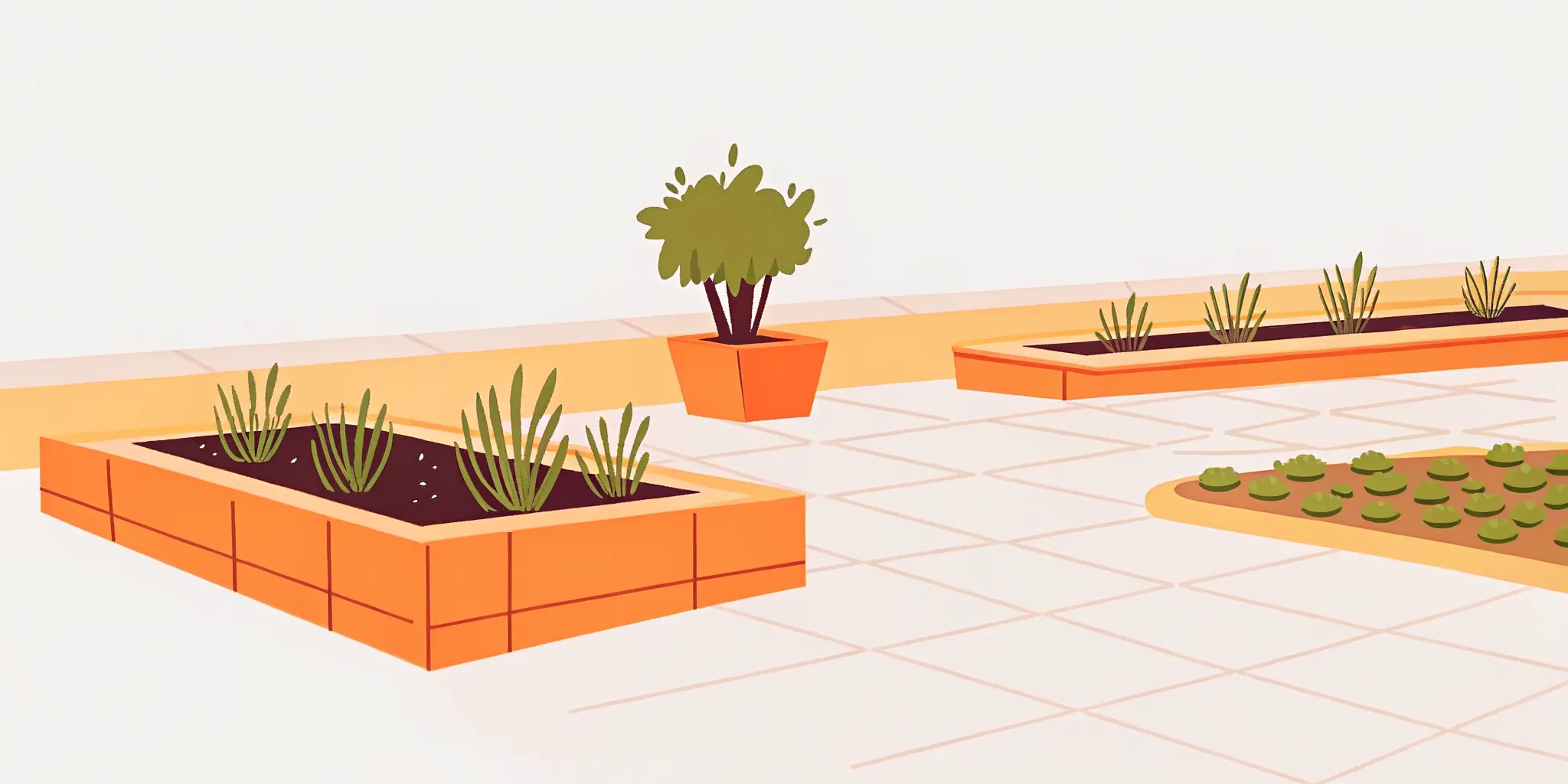
A tidy garden bed is a beautiful thing, but keeping it that way can feel like a constant battle. Grass creeps in, soil washes out during heavy rain, and that fresh layer of mulch seems to have a mind of its own. If you’re tired of re-edging your beds every season, it’s time to consider a more permanent solution. Landscape curb blocks are the answer to creating clean, defined borders that last. These solid, heavy-duty blocks create a sturdy barrier that keeps everything in its place, saving you time on weeding and cleanup while giving your entire yard a polished, professional finish that truly stands out.
Key Takeaways
- Invest in a cleaner, more organized landscape: Curb blocks provide a sturdy, long-lasting border that contains soil and mulch, prevents weed intrusion, and simplifies lawn maintenance.
- Match your materials to your home's aesthetic: Choose from versatile concrete, classic brick, or unique natural stone to create a look that complements your property and meets your durability needs.
- Proper preparation is key for a lasting installation: To ensure your curb blocks do not shift or sink, focus on creating a level trench with a compacted base before laying the first block.
What Are Landscape Curb Blocks?
If you’ve ever admired a garden with perfectly crisp edges, you were likely looking at the work of landscape curb blocks. Think of them as pre-formed, solid borders for your garden beds, walkways, and lawn. These blocks, typically made from concrete or stone, are designed to create a clean, defined separation between different parts of your yard. They serve a dual purpose that makes them a favorite for both homeowners and professional landscapers looking for a solution that is both practical and beautiful.
Functionally, curb blocks are workhorses. They create a sturdy barrier that keeps your mulch and soil contained within your garden beds, preventing them from washing away during heavy rain. This same barrier also helps stop grass and weeds from creeping into your flower beds, which means less time spent on tedious weeding throughout the season. Aesthetically, they provide a polished, high-end finish that makes your entire landscape look more intentional and put-together. Whether you’re outlining a simple flower bed or creating an intricate pattern for a walkway, these blocks add structure and style. They are a fundamental part of our masonry supplies because they form the foundation of a well-organized and beautiful outdoor space that lasts.
How they define and organize outdoor spaces
One of the best things about landscape curb blocks is their ability to bring order to your yard. They act as clear visual cues, separating your lawn from your garden beds or a patio from a play area. This organization instantly makes your outdoor space feel more manageable and thoughtfully designed. By creating these distinct zones, you make yard maintenance much simpler. For example, you can run your lawnmower right along the edge of the curb block for a perfect cut every time, eliminating the need for careful trimming around a messy, undefined garden border. This clear boundary helps keep everything in its place, leading to healthier plants and a tidier lawn.
Comparing curb blocks to traditional edging
When you’re looking at different edging materials, you’ll find options like thin plastic strips, metal, and wood. While these can work for some projects, curb blocks offer some serious advantages in comparison. Concrete or stone curb blocks are far more durable than wood, which can rot and decay over time, or thin metal edging, which can rust and bend. They provide a permanent, heavy-duty solution that won’t shift, heave, or get knocked out of place by a lawnmower. This stability means you install them once and enjoy the benefits for years with very little upkeep, making them a smart, long-term investment for your landscape.
What Materials Are Used for Curb Blocks?
Choosing the right material for your landscape curb blocks is just as important as the layout. Your choice affects the look, durability, and maintenance of your garden beds. From classic brick to modern recycled options, there’s a material to match every style and budget. Let’s walk through some of the most popular choices so you can find the perfect fit for your yard.
Concrete
Concrete is a go-to material for landscape curbing because it’s incredibly durable and versatile. It’s a low-maintenance option that can be molded into various shapes, from straight lines to flowing curves, giving you plenty of design freedom. As noted by experts, concrete curbing is a long-lasting choice that stands up well to the elements. You can find it in different colors and even stamped with textures that mimic stone or brick. Its sturdiness makes it great for containing heavy materials like gravel or soil, and its clean look provides a sharp contrast that makes your mulch and plants pop.
Brick
If you’re aiming for a classic, timeless look, brick is an excellent choice. It brings a warm, traditional feel to any garden or walkway. The Brick Industry Association highlights that brick is a durable material that can handle harsh weather, so you won’t have to worry about it cracking or fading over time. Bricks come in a variety of colors, from deep reds to earthy browns, allowing you to match them to your home’s exterior. They work beautifully for creating formal English-style gardens or adding a touch of historic charm. You can find a selection of high-quality bricks alongside other masonry supplies to complete your project.
Natural stone
For a truly unique and high-end finish, natural stone is unmatched. Each stone has its own distinct shape, color, and texture, creating a rustic and organic border that blends seamlessly with the natural environment. According to the Natural Stone Institute, natural stone in landscaping provides a look that is both beautiful and incredibly strong. While it can be more of an investment, its durability ensures it will last for decades with very little upkeep. Stone curbing is perfect for defining garden beds filled with rich topsoil or creating borders for woodland paths, adding an element of natural elegance to your property.
Eco-friendly and recycled options
For those of us looking to make more sustainable choices, there are fantastic eco-friendly curb blocks available. These are often made from recycled materials like plastic or concrete. Using these options helps reduce waste and lessens the environmental impact of producing new materials. The U.S. Green Building Council points out that using recycled materials is a key part of sustainable design. This approach aligns perfectly with using organic, recycled compost and mulch in your garden beds. These recycled curb blocks are surprisingly durable, lightweight, and easy to install, making them a practical and responsible choice for any green-minded homeowner.
Are Landscape Curb Blocks a Good Investment?
When you pour time, effort, and money into creating beautiful garden beds, the last thing you want is for your hard work to look messy or wash away. Landscape curb blocks are more than just a finishing touch; they're a practical way to protect your investment and keep your yard looking sharp. If you're wondering whether they're the right choice for your property, let's look at the benefits. They offer a fantastic combination of function and style that pays off for years to come. From keeping your mulch neatly contained to preventing pesky weeds from taking over, these sturdy borders solve many common landscaping headaches. Unlike flimsy plastic edging that can crack or wood that can rot, curb blocks are a durable, long-term solution. They create a clear, crisp line between your lawn and garden beds, which not only looks professional but also makes mowing and maintenance much easier. Investing in curb blocks means you're investing in a cleaner, more organized, and more beautiful outdoor space for the long haul.
Built to last with minimal upkeep
One of the biggest advantages of using concrete or stone curb blocks is their durability. Unlike wood edging that can rot or plastic borders that can crack and become brittle, curb blocks are built to withstand the elements. Once they're installed, they require very little maintenance. You won't have to worry about replacing them every few years. They stand up to rain, snow, and sun, providing a strong, permanent border for your garden beds. This set-it-and-forget-it quality means you can spend less time on yard work and more time simply enjoying your outdoor space.
Prevent weeds and control erosion
A solid curb block border is your best defense against invasive grass and weeds creeping into your flower beds. By creating a physical barrier, you drastically cut down on the time you have to spend weeding. This helps your plants thrive without competing for nutrients. Curb blocks are also excellent for controlling erosion. If your yard has slopes, these blocks will hold your valuable topsoil and compost in place during heavy rain, preventing it from washing out onto your lawn or driveway and protecting your plants' roots.
Keep soil and mulch in your garden beds
There's nothing more frustrating than seeing your freshly spread mulch scattered across the lawn after a storm or from the force of a leaf blower. Landscape curb blocks create a clean, defined edge that keeps all your materials exactly where they belong. This containment means your soil, stones, and mulch stay neatly in your garden beds, maintaining that crisp, tidy look. Not only does this look better, but it also saves you money by reducing the need to constantly reapply materials that have spilled over.
Enhance curb appeal and property value
Well-defined garden edges give your entire property a polished, professional look. Curb blocks create clean lines and a sense of order that significantly improves your home's curb appeal. This smart, finished appearance makes your landscaping look intentional and well-cared-for all year round. An attractive landscape can also add to your property value, making curb blocks a wise investment for the future. By using quality masonry supplies, you create a lasting feature that enhances both the beauty and the worth of your home.
A cost-effective long-term solution
While the initial cost of installing curb blocks might be higher than some other edging options, they are a very cost-effective solution in the long run. Because they are so durable and long-lasting, you won't face the recurring expense of replacing cheaper, less resilient materials. When you factor in the money saved on lost mulch and soil, plus the value of your own time saved on weeding and maintenance, curb blocks prove to be a financially sound choice. They provide a permanent, high-quality solution that pays for itself over time.
How to Install and Style Your Curb Blocks
Once you’ve decided to use landscape curb blocks, the fun part begins: installation and styling. This project is definitely something you can tackle over a weekend, and it instantly adds a polished, professional look to your yard. With a bit of planning, you can create beautiful, clean lines that define your garden beds, walkways, and patios. Curb blocks are a fantastic way to add structure and definition, making your entire landscape feel more intentional and put-together. They create a neat barrier that keeps mulch in and grass out, which means less maintenance for you down the road. We’ll walk through everything you need to know, from picking a design and prepping the ground to the tools you’ll need and how to keep your new curbing looking fantastic for years to come. Whether you're a seasoned DIYer or just starting, this guide will give you the confidence to create a stunning and durable landscape feature. We'll cover popular styles, the right way to prepare your site, common mistakes to watch out for, and whether this is a project you should do yourself or hire out. Let's get started.
Popular design styles and layout options
One of the best things about landscape curb blocks is their versatility. They work with just about any garden style you can imagine. For a clean, contemporary look, you can use them to create straight lines and sharp geometric shapes. If your style is more rustic or natural, their stone-like appearance can create gentle, flowing curves that complement the landscape. Don’t be afraid to get creative. You can lay out your design with a garden hose or rope to visualize the final look before you start digging. This simple step helps you perfect the layout and make sure your new edging flows seamlessly with your existing outdoor space.
Preparing your site for installation
Proper preparation is the key to a long-lasting, stable curb block installation. Before you lay a single block, you need to create a solid foundation. Start by clearing the planned area of all grass, weeds, and debris. Next, dig a shallow trench, about half the height of your blocks, and make sure the bottom is firm and level. According to home improvement guides, this preparation is crucial to prevent the blocks from shifting or settling over time. Taking the time to get this step right ensures your hard work pays off with a beautiful, even border that stays put.
Tools and materials you'll need
You don’t need a workshop full of expensive equipment for this project. You can get the job done with a few essential tools and materials. You’ll want a shovel for digging the trench, a level to ensure your blocks are straight, a rubber mallet to gently tap them into place, and a trowel for adjusting the base. For the base itself, a layer of gravel or sand provides excellent drainage and stability. Many DIY guides recommend this as a best practice for a sturdy installation. You can find all the necessary base materials, like sand and gravel, in our selection of masonry supplies.
Common installation mistakes to avoid
Installing curb blocks is straightforward, but a few common missteps can trip you up. One of the most frequent errors is failing to make sure each block is perfectly level with the next. This can result in a wavy, unprofessional-looking border. Another common mistake is not properly compacting the base material in your trench. If the base is loose, the blocks can wobble or sink over time, undoing all your hard work. Taking a moment to avoid these common mistakes will save you a lot of headaches later and ensure your curb blocks look great from day one.
DIY vs. hiring a professional
So, should you do it yourself or call in a pro? The answer really depends on the scale of your project and your comfort level with hands-on work. A simple, straight border around a small garden bed is a great DIY project that can be very rewarding. However, for more complex designs with lots of curves or on sloped terrain, hiring a professional might be the better choice. While a DIY approach can save you money, a professional landscaper ensures a polished look and has the experience to handle any unexpected challenges that might come up during the installation.
Tips for keeping your curb blocks looking great
Landscape curb blocks are incredibly durable, but a little maintenance will keep them looking their best. To keep them clean, you can simply sweep away dirt and leaves. For tougher grime or moss, a quick spray with a pressure washer usually does the trick. To protect them from weathering and stains over the long term, you can apply a masonry sealer every few years. This simple step is a great way to maintain your curb blocks and preserve their color and texture. With just a little bit of care, your curb blocks will continue to define and beautify your landscape for many seasons to come.
Related Articles
- Interlocking Retaining Wall Blocks: A Complete Guide
- Retaining Wall Blocks for Sale: A Buyer's Guide
- Landscape Products & Mulch Delivery | Organic Recycling
- Masonry Supplies & Cambridge Pavers for Outdoor Projects
Frequently Asked Questions
How do I choose the right material for my curb blocks? The best material really depends on the style of your home and your long-term goals. Concrete is a fantastic all-around choice for its durability and modern look, and it can be shaped to fit any design. If you love a classic, traditional feel, brick offers warmth and timeless charm. For a more organic, high-end look that blends with nature, natural stone is perfect. Think about the overall aesthetic you want to achieve and how the material's color and texture will complement your house and garden.
Are curb blocks really a permanent solution? Yes, when installed correctly, they are one of the most permanent and durable edging solutions you can choose. Unlike wood that rots or plastic that cracks and gets brittle in the sun, materials like concrete, brick, and stone are built to withstand weather and time. A proper installation on a solid base ensures they won't shift or heave, giving you a beautiful, stable border that will last for many years with very little fuss.
Why should I spend more on curb blocks instead of cheaper plastic edging? It's true that curb blocks are more of an upfront investment, but they save you money and effort in the long run. Cheaper plastic or thin metal edging often needs to be replaced every few years and can easily be damaged by a lawnmower or weather. With curb blocks, you are paying for a one-time installation that provides a lasting, high-quality finish. You also save on the cost of replacing lost mulch and soil, not to mention the value of your own time saved on weeding and maintenance.
Can I really install these myself if I'm a beginner? Absolutely, especially if you're starting with a simple project like a straight border around a small garden bed. The process is straightforward, and tackling it yourself can be very rewarding. The key is to take your time with preparation. For more complex designs with lots of curves or on a sloped yard, you might find it less stressful to hire a professional. But for a basic layout, it's a great weekend project for a motivated DIYer.
What's the most important step for a successful installation? Without a doubt, the most critical step is preparing the base. Taking the time to dig a level trench and create a firm, compacted base of sand or gravel is what keeps your blocks from shifting, sinking, or becoming uneven over time. A solid foundation is what separates a professional-looking job from a messy one, so don't rush this part. It's the secret to ensuring your new curb blocks look great and stay put for years.