
Pennsylvania Bluestone Patio: Cost, Types & Ideas
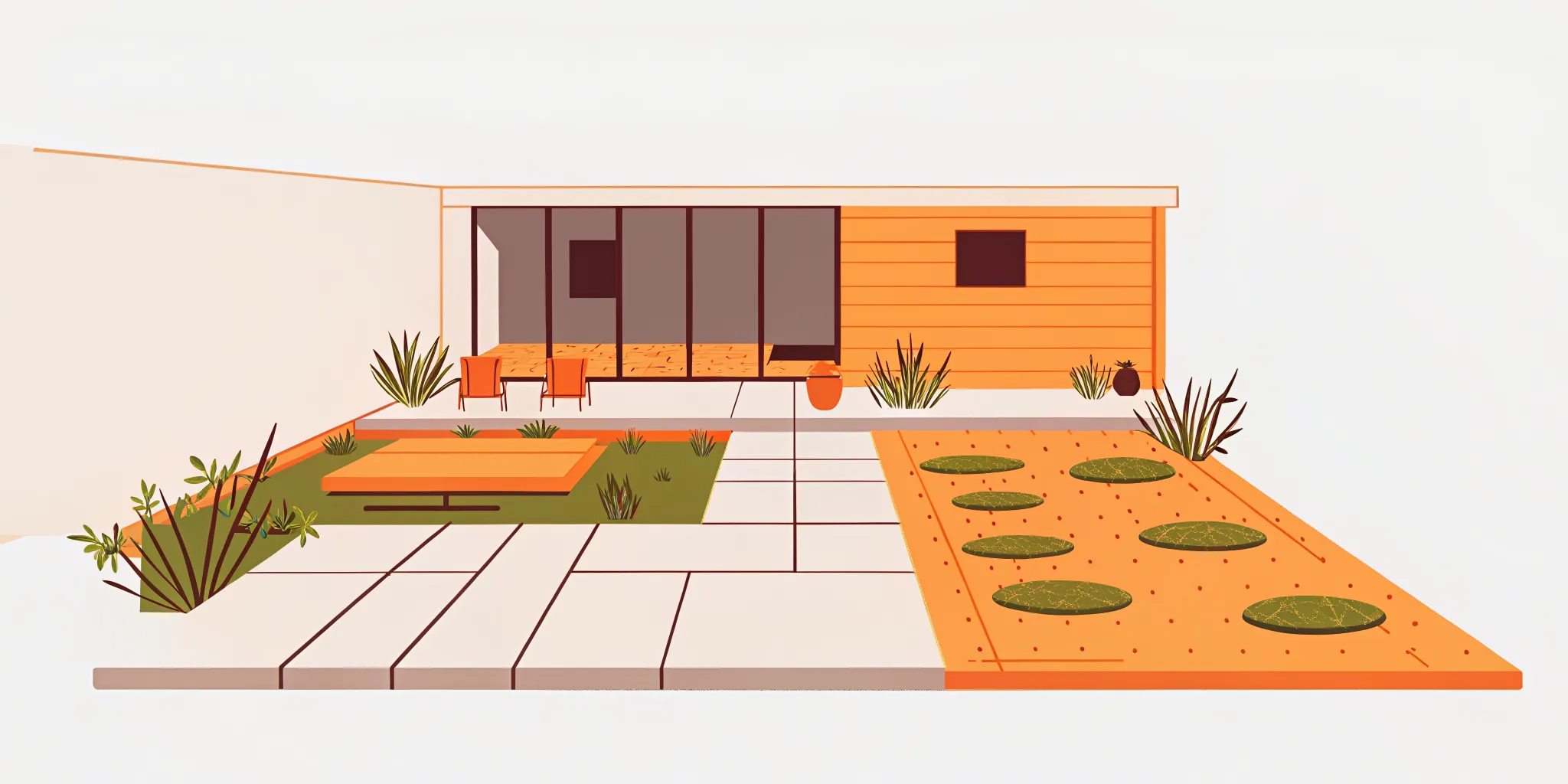
When you choose materials for your home, using something with a local story adds a special kind of value. Pennsylvania bluestone is quarried right here in our region, making it a natural fit for homes in the Northeast. This dense, beautiful sandstone feels connected to the local landscape, offering a timeless charm that feels both authentic and elegant. A Pennsylvania bluestone patio isn't just a feature; it's a piece of regional history in your own backyard. We’ll cover everything from its unique characteristics and color palettes to budgeting and finding a quality local supplier for your project.
Key Takeaways
- Bluestone offers distinct style choices: You can personalize your patio by selecting a finish, like the rustic natural cleft or the smooth thermal option, and choosing between a varied full-range color palette or a classic blue-blue look.
- Your total project cost includes more than just the stone: A realistic budget accounts for the bluestone itself, professional installation labor, and essential base materials like gravel and sand. The patio's size and design complexity also play a significant role.
- A solid foundation and simple care are key to longevity: The most critical part of installation is building a proper base for drainage and stability. Once installed, protect your patio with routine cleaning and apply a quality sealer every few years to maintain its beauty.
What Is Pennsylvania Bluestone?
If you’ve ever admired a classic, elegant stone patio in the Northeast, you were likely looking at Pennsylvania Bluestone. This beautiful, durable sandstone is quarried right here in our region, making it a top choice for patios, walkways, and pool surrounds. Unlike manufactured pavers, each piece of bluestone is unique, offering a natural charm that can’t be replicated. It’s a material that feels connected to the local landscape, adding a piece of regional history to your home.
Key Characteristics
At its core, Pennsylvania Bluestone is a dense, fine-grained sandstone. This composition gives it some distinct and desirable qualities. One of its most valued features is its naturally slip-resistant surface, a result of its slightly textured finish, making it a safe choice for areas that get wet like pool decks or garden paths. As a member of the sandstone family, it is also porous. This means it can absorb moisture, and over many years of foot traffic, it will develop a beautiful, natural patina. This gentle wearing adds to its character, giving your patio a lived-in, timeless feel.
A Spectrum of Colors
One of the main reasons people love bluestone is its stunning range of colors. The name is a bit of a misnomer because it’s not just blue. You’ll find a rich spectrum of earthy tones, including shades of blue-gray, green, and lilac, often with swirls of rust or gold within a single stone. This natural variation ensures no two bluestone patios are ever identical. You can create a one-of-a-kind outdoor space that feels perfectly integrated with your garden’s natural surroundings. It’s this organic beauty that sets it apart from uniform, manufactured materials.
Durability and Weather Resistance
When you invest in a patio, you want it to last. Pennsylvania Bluestone is known for its exceptional durability. This natural stone is inherently tough and resistant to harsh weather, making it a perfect choice for our region's demanding climate. It stands up incredibly well to the freeze-thaw cycles of winter without cracking or flaking. This resilience means you’re choosing a long-lasting material that will look great for decades with minimal upkeep. It’s a smart investment and a staple among quality landscape supplies for a reason.
Find the Right Bluestone for Your Patio
Once you’ve decided on bluestone, the next step is to pick the specific type that fits your home’s style and your project’s needs. You’ll want to think about three main things: the surface finish, the color palette, and the stone’s thickness. Each choice plays a big role in the final look and feel of your patio, so it’s helpful to understand your options before you buy. Making these decisions ahead of time ensures you get a result you’ll love for years to come.
Natural Cleft vs. Thermal Finishes
The finish of your bluestone affects both its texture and appearance. A natural cleft finish is created when the stone is split by hand along its natural layers. This process gives the surface a slightly uneven, textured feel that’s beautifully rustic and organic. It’s a great choice if you want a patio with a lot of character.
On the other hand, a thermal finish is achieved by treating the stone with a high-temperature flame, which causes the surface to flake off and become smooth and uniform. This option provides a more polished, consistent look that works well with modern or formal designs. Your choice really comes down to personal preference: do you prefer a natural, textured surface or a sleek, even one?
Full-Range vs. Blue-Blue Color Palettes
Bluestone isn’t just one color; it comes in a beautiful range of shades. The full-range color palette includes a mix of earthy tones like blue, gray, green, brown, and even lilac. This variety adds incredible depth and visual interest, making each stone unique and giving your patio a dynamic, multi-hued appearance.
If you prefer a more classic and consistent look, the blue-blue (or "select blue") palette is for you. As the name suggests, these stones are predominantly blue and gray. This option creates a timeless, uniform aesthetic that feels both elegant and serene. Think about the colors of your home’s exterior and the surrounding landscape when deciding which palette will complement your space best.
Choosing the Right Thickness
Thickness is a practical consideration you won’t want to overlook. Most bluestone pavers are about 1.5 inches thick, but you can expect some slight variation. The right thickness for your project depends on how you plan to use the patio and what kind of base you’re installing it on. For high-traffic areas or spaces that will hold heavy furniture, opting for a thicker stone can provide extra durability and stability. When you're ready to order, we can help you figure out the best option for your specific needs and arrange for bulk delivery right to your site.
How Much Does a Pennsylvania Bluestone Patio Cost?
Let's talk numbers. A Pennsylvania Bluestone patio is an investment, but it's one that adds significant value and timeless beauty to your home. The total cost can vary quite a bit, as it depends on three main things: the stone itself, the cost of labor for installation, and the specific details of your project, like size and design complexity. While it's a premium material, its durability means you're paying for a patio that will last for decades with proper care. It's not just about the upfront cost; it's about the long-term enjoyment and curb appeal you get in return.
To get a clear picture of your budget, it's helpful to break the costs down. You have the price of the bluestone per square foot, the expense of professional installation, and other materials needed for the base, like gravel and sand. The type of bluestone finish you select, the intricacy of the pattern, and even your property's accessibility can influence the final price tag. Understanding each piece of the puzzle will help you plan your project without any surprises. We'll walk through each of these components so you can feel confident in estimating the cost for your own beautiful bluestone patio and make informed decisions every step of the way.
Breaking Down Material Costs
The star of the show, the bluestone itself, will be your first major cost. Because it's a natural stone quarried only in specific regions, it costs more than manufactured pavers. For the stone alone, you can expect to pay between $6 and $14 per square foot. The price depends on the finish you choose; natural cleft is typically on the lower end of that range, while a thermal finish is higher. Some premium or hard-to-find varieties can even reach up to $25 per square foot. When planning, remember to also budget for other essential masonry supplies like edge restraints and joint filler.
Factoring in Labor and Installation
Unless you're a seasoned DIY pro, you'll likely hire a contractor for installation, and their labor is a significant part of the budget. Professional installation for a bluestone patio typically runs from $15 to $31 per square foot, which includes the cost of the stone. This price covers the entire process: excavating the area, preparing a solid base with materials like crushed stone and sand, carefully laying each paver, and finishing the joints. A proper base is crucial for a long-lasting patio, so this is not an area to cut corners. We can help you get the right foundation with our sand, stone, and gravel delivery.
Estimating Your Total Project Cost
So, what does this all look like when you put it together? For a smaller, more intimate 10x20 foot patio (200 square feet), your total installed cost would likely fall between $3,000 and $6,200. If you're dreaming bigger with a 20x20 foot patio (400 square feet), the total project cost could range from $6,000 to $14,000. These are great ballpark figures to start with. Remember that complex designs with lots of cuts or difficult site conditions can push the price toward the higher end of the spectrum. You can use a volume calculator to get a precise estimate of the base materials you'll need.
What Influences the Price of a Bluestone Patio?
When you start budgeting for a new bluestone patio, you’ll quickly find that the final price tag depends on more than just the stone itself. Several key factors come into play, each influencing the total cost of your project. Understanding these variables will help you create a realistic budget and make informed decisions along the way. The quality of the stone you choose, the size and complexity of your patio design, and the specific needs of your property all contribute to the final investment. Let’s break down exactly what drives the cost.
Stone Quality and Grade
Not all bluestone is the same, and its quality directly impacts the price. Higher-grade bluestone is more consistent in thickness, color, and texture, which makes for a smoother installation and a more uniform look. While premium stone has a higher upfront material cost, it often provides better long-term value because of its durability and timeless appearance. Lower-grade stone might have more variations and imperfections, which can be beautiful in its own right but may require more labor to fit and lay properly. When selecting your materials, think about the balance between the initial cost and the lasting quality you want for your outdoor space.
Patio Size and Design
It’s no surprise that the bigger your patio, the more it will cost. Pricing is typically calculated per square foot, which covers both materials and installation. A simple, rectangular patio will be the most budget-friendly option. However, if you’re dreaming of a more complex design with curves, multiple levels, or intricate patterns like basketweave or herringbone, be prepared for higher labor costs. These custom designs require more precise cuts and take significantly more time to install, which is reflected in the final price. You can use a volume calculator to get a rough idea of the amount of stone and base material you’ll need for your desired dimensions.
Site Prep and Drainage Needs
Proper groundwork is the most important part of a long-lasting patio, and it’s a major factor in your project's cost. Your site may need significant excavation and grading to create a level surface. After that, a solid base of compacted gravel and sand must be installed to provide a stable foundation. If your yard has poor drainage or is on a slope, you’ll need to account for extra work to manage water runoff. Ignoring proper drainage can lead to a weakened foundation, shifting stones, and costly repairs down the road. Building a solid base with the right masonry supplies is a crucial investment that protects your patio for years to come.
Where to Find Quality Bluestone
Once you have a vision for your patio, the next step is finding the right stone. Sourcing high-quality Pennsylvania bluestone is crucial for getting the beautiful, long-lasting results you want. The right supplier won’t just sell you the materials; they’ll provide expertise and ensure you get a product that fits your project’s specific needs. It’s about more than just price. You want to find a partner who understands natural stone and can guide you toward the best choice for your design and budget.
Working with a reputable supplier means you can trust the stone’s origin, grade, and finish. They can answer questions about the differences between natural cleft and thermal bluestone and help you select the right thickness for your application. Whether you’re a homeowner tackling a DIY project or a contractor sourcing for a client, your supplier is a key part of your team. This will help you feel confident in your investment and get your project started on the right foot with the best possible masonry supplies.
Your Local Source: Organic Recycling
For homeowners and landscapers in New Jersey, New York, and Connecticut, starting your search locally is the most practical approach. At Organic Recycling, we simplify the process by sourcing high-quality Pennsylvania bluestone and making it accessible to you. Choosing a local supplier means you can often see the stone in person, which is a huge advantage when dealing with a natural product with unique color variations. Plus, you get the convenience of a straightforward delivery service right to your project site. We handle the logistics so you can focus on the installation and design of your beautiful new patio.
Understanding Regional Suppliers
Pennsylvania bluestone is quarried primarily in specific regions of Pennsylvania and New York. Many of these quarries and regional distributors supply stone to landscape suppliers throughout the Northeast. Understanding this helps you appreciate the journey the stone takes before it arrives at your home. While some suppliers operate directly from the quarry, working with a local landscape supplier like Organic Recycling gives you the benefit of a curated selection. We’ve already done the work of vetting quarries and choosing durable, beautiful stone, saving you the time and effort of coordinating with a source that might be hundreds of miles away.
How to Spot High-Quality Stone
When you’re looking at bluestone, there are a few key indicators of quality. First, consider the finish. A natural cleft surface, for example, is created when the stone is split along its natural layers, giving it a textured, organic look. High-quality natural cleft stone will have interesting variations without being overly rough or uneven. Also, check for consistency in thickness, as this makes installation much easier. While bluestone has a higher upfront cost than manufactured pavers, its incredible durability and timeless appearance make it a smart long-term investment for any home.
A Look at the Installation Process
Installing a bluestone patio is a rewarding project that transforms your outdoor space. Whether you’re hiring a professional or tackling it yourself, understanding the key steps helps ensure a beautiful and long-lasting result. A successful installation comes down to careful preparation, thoughtful design, and proper finishing. Each stage builds on the last, from creating a stable foundation to protecting the stone’s surface. Let’s walk through the process so you know exactly what to expect.
Preparing the Site and Base
A beautiful patio starts from the ground up. The most critical step is creating a solid, level base. This involves excavating the area to a depth of six to twelve inches, depending on your soil type and how you plan to use the patio. One of the biggest mistakes is not digging deep enough, which can lead to shifting and uneven stones later on. After excavating, you’ll add and compact layers of crushed stone and sand to create a stable foundation that allows for proper drainage. This base prevents the bluestone from sinking or heaving during freeze-thaw cycles. Getting the right sand and gravel is essential for this step.
Laying the Stone: Techniques and Patterns
Once your base is perfectly prepped, it’s time for the creative part: laying the bluestone. The pattern you choose will define your patio’s personality. For a formal, geometric look, an ashlar pattern using squares and rectangles is a classic choice. If you prefer a more rustic, organic feel, a random flagstone pattern with irregular shapes works beautifully. Many suppliers offer modular kits with pre-cut stones designed to cover a specific square footage, which can simplify the layout process. The natural cleft surface of the stone provides a textured, non-slip finish that adds to its authentic charm. This is where your vision for the space truly comes to life.
Finishing Touches: Joints and Sealing
The final steps are all about locking in your work and protecting your investment. After the stones are in place, you’ll fill the joints between them, typically with polymeric sand, which hardens to prevent weeds and insect infestations. The last, and arguably most important, step is applying a protective sealant. Sealing your bluestone patio protects it from stains, moisture, and the elements, making it easier to clean and helping it retain its rich color for years. While bluestone may have a higher initial cost than some materials, its durability and timeless appearance provide excellent long-term value, especially when you properly maintain it from the start.
Common Myths About Bluestone Patios, Debunked
Pennsylvania bluestone is a stunning choice for any patio, but a few common myths seem to follow it around. If you've heard whispers about it being too expensive, difficult to care for, or a nightmare to install, let's clear the air. These misconceptions can keep people from choosing a truly beautiful and long-lasting material for their outdoor space.
Getting the facts straight can help you feel confident in your decision. Bluestone has a reputation for a reason; it’s durable, timeless, and adds incredible value to a home. Let’s walk through some of the biggest myths and separate the fiction from the reality of what it’s like to own a bluestone patio.
Cost and Maintenance Misconceptions
Let's talk money and time. Many people assume natural stone automatically means a huge budget and endless upkeep, but that’s not the whole story with bluestone. While the initial material cost is often higher than for manufactured concrete pavers, bluestone provides fantastic long-term value. Its incredible durability means you won't be spending money on frequent repairs or replacements. Think of it as an investment that pays off for decades.
As for maintenance, a bluestone patio is surprisingly easy to care for, especially when compared to a wood deck that needs regular staining and sealing. For the most part, you’ll just need to sweep it to keep it clear of debris and give it a gentle wash now and then. It’s a tough material that stands up to the elements without demanding much in return.
Durability and Weather Worries
Because bluestone is a type of sandstone, some worry it will wear down or become too slippery. It’s true that as a natural, porous stone, it can show some subtle changes from foot traffic over time, but this aging process adds to its character and rustic charm. This material is incredibly dense and holds up exceptionally well to the freeze-thaw cycles we experience here, resisting cracking far better than concrete.
The concern about slipperiness is also valid, especially when the stone is wet. However, choosing a natural cleft finish provides a naturally rough, non-slip texture that offers plenty of grip. If you prefer the smoother look of a thermal finish, especially around a pool, you can have a sealer with a non-slip additive applied. Proper installation with good drainage is also key to preventing slick spots.
Installation Difficulty Assumptions
The thought of installing heavy, natural stone can feel intimidating, leading many to believe it’s not a project they can handle. While installing a bluestone patio requires more precision than laying simple pavers, the process is straightforward for a seasoned DIYer or any professional. There are two primary methods: a flexible dry-laid base or a rigid concrete one. Each has its benefits, and the right choice depends on your specific site and goals.
The most critical part of the installation isn't the stone itself, but the foundation you build for it. Using the wrong base materials or adhesives can lead to shifting, cracking, and an uneven surface. A solid base of sand and gravel is non-negotiable for a dry-laid patio that will stand the test of time. This is one area where you definitely don’t want to cut corners.
Caring for Your Pennsylvania Bluestone Patio
Your bluestone patio is a beautiful, durable centerpiece for your outdoor space, and keeping it that way is easier than you might think. While this natural stone is incredibly tough, a little routine care will ensure it looks stunning for years to come. Think of it less as a chore and more as a way to protect your investment. Natural stone is inherently durable, but it can still benefit from regular cleaning and sealing to maintain its rich color and texture.
The key is to be consistent. A simple cleaning schedule, proactive stain prevention, and some seasonal adjustments are all it takes. By staying on top of these simple tasks, you can handle everything from fallen leaves and spilled drinks to winter ice. This approach will keep your patio looking fresh and inviting, ready for everything from quiet morning coffees to lively backyard barbecues. Let’s walk through the basics of cleaning, sealing, and seasonal upkeep.
Cleaning and Sealing Basics
Keeping your bluestone clean is straightforward. For general upkeep, simply sweep it regularly and rinse it with a garden hose. For a deeper clean, use a pH-neutral cleaner mixed with water and a soft-bristle brush. Avoid using acidic or abrasive cleaners, like vinegar or lemon juice, as they can etch the stone’s surface over time.
Sealing is your patio’s best defense. Because bluestone is porous, a quality sealer helps prevent water and other liquids from soaking in and causing stains or damage. You’ll want to apply a sealer every two to three years, or whenever you notice water no longer beads on the surface. You can find appropriate sealers with other masonry supplies at your local landscape provider.
How to Prevent Stains and Damage
The best way to deal with stains is to stop them before they start. Since bluestone is naturally porous, it’s susceptible to absorbing liquids that can leave a mark. Clean up spills like oil, grease, or wine as soon as they happen. Placing mats under grills and saucers under potted plants can also prevent grease stains and water rings.
During the winter, avoid using rock salt or chemical de-icers, which can erode the stone. Instead, opt for sand for traction. A good seal is your primary line of defense, as it creates a barrier that helps prevent stains from dirt and chemicals from setting in. Proper care is just one part of maintaining your yard’s landscape supplies and hardscapes.
Seasonal Care Tips
Adjusting your care routine with the seasons will keep your patio in top condition. In the spring, give your patio a thorough cleaning to wash away winter grime and check if the sealant needs a refresh. Throughout the summer, regular sweeping and rinsing will keep it looking great. In the fall, make sure to sweep away fallen leaves promptly to prevent them from staining the stone as they decompose.
For winter, the main goal is protection. After a final sweep, you can cover your patio furniture or move it into storage. If you need to remove snow, use a plastic shovel to avoid scratching the bluestone. This simple seasonal maintenance is essential to protect your patio from the elements year-round.
How Bluestone Compares to Other Patio Materials
Choosing the right material for your patio is a big decision. While Pennsylvania bluestone offers a timeless, natural look, it’s helpful to see how it stacks up against other popular options like flagstone and concrete pavers. Each material has its own unique benefits, from aesthetic flexibility to long-term durability. Understanding these differences will help you select the perfect foundation for your outdoor living space, ensuring it not only looks great but also meets the demands of your lifestyle and local climate.
Bluestone vs. Flagstone and Concrete
It’s easy to get confused by the terminology, so let’s clear things up. "Flagstone" is a general term for any flat stone used for paving, while bluestone is a specific type of sedimentary rock, usually a very dense sandstone. This means all bluestone is flagstone, but not all flagstone is bluestone.
Compared to manufactured concrete pavers, bluestone offers an authentic, natural beauty that’s hard to replicate. Pavers, on the other hand, provide a much wider range of colors, shapes, and styles. If you’re looking for a highly uniform look or a specific color that’s not found in nature, pavers might be a good fit. However, for that classic, elegant stone appearance, nothing beats the real thing. You can explore a variety of masonry supplies to see the differences for yourself.
Considering Long-Term Value
There’s no getting around it: bluestone generally has a higher upfront cost than manufactured pavers. Because it’s a natural stone that must be quarried and transported, you can expect to pay more per square foot. The initial investment often ranges from $17 to $25 per square foot for the material alone.
However, it’s important to think about the long-term value. Bluestone is incredibly durable and can last a lifetime with proper care. Its color won’t fade from sun exposure like some concrete pavers, and its classic appeal never goes out of style, which can add significant value to your home. While the initial price is higher, its longevity and timeless appearance make it a worthwhile investment that you won’t need to replace. You can use a volume calculator to get a better idea of material costs for your project size.
What Works Best for Our Climate?
Living in the Northeast means dealing with a wide range of weather, from hot, humid summers to freezing winters. Natural stone is inherently durable and well-suited for these conditions. Bluestone’s density helps it withstand the elements, making it a solid choice for our region.
That said, bluestone is porous, which means it can absorb water. In winter, this can lead to cracking if water freezes and expands within the stone. This is why proper installation and sealing are so important. A correctly installed base allows for drainage, and applying a quality sealer every few years will protect the stone from moisture and stains. With the right care, your bluestone patio will handle our climate beautifully for decades. We understand the challenges of this climate because we deliver throughout the region.
Design Inspiration for Your Bluestone Patio
Once you’ve settled on Pennsylvania bluestone, you get to the really fun part: designing your patio. This is your chance to create an outdoor space that truly reflects your home’s character and your personal style. Bluestone is an incredible material to work with because it’s so adaptable. It can look stately and traditional in one setting, and completely relaxed and rustic in another. Its natural color variations and unique textures mean that no two bluestone patios are ever exactly the same.
Before you get lost in patterns and layouts, take a moment to think about the overall feeling you want your patio to have. Do you envision a structured, elegant space for formal entertaining? Or are you dreaming of a more organic, free-flowing area that feels like a natural extension of your garden? Your answer will guide every other decision you make. Think of the bluestone as the foundation of your outdoor room. It sets the tone for the furniture you’ll choose, the plants you’ll add, and the memories you’ll make there for years to come.
Formal vs. Natural Designs
Your first major design decision is choosing between a formal or a natural aesthetic. A formal design uses dimensional bluestone, which is cut into precise squares and rectangles. When laid, these uniform stones create clean, straight lines and a structured, geometric pattern. This approach results in a polished and sophisticated patio that works beautifully with traditional architecture. On the other hand, a natural design uses irregular flagstone pieces. These stones are laid in a random pattern, creating a more organic, cottage-garden feel that blends seamlessly into the surrounding landscape. This style is perfect if you’re aiming for a more relaxed and rustic backyard retreat.
Popular Patterns and Layouts
After you’ve picked a general style, you can explore specific patterns. For formal patios, an ashlar pattern is a very popular choice. This layout combines squares and rectangles of different sizes to create a design that appears random yet feels cohesive and intentional. It adds wonderful visual interest without looking too busy. For a simpler, more modern look, you can lay uniform pavers in a classic running bond (like a brick wall) or a simple grid pattern. The beauty of bluestone is that its natural color variations, from cool blues to warm tans, bring texture and depth to any layout you choose.
Pairing Bluestone with Other Materials
Bluestone plays well with other materials, making it easy to create a cohesive landscape design. Its cool, earthy tones look fantastic next to the warmth of red brick, which you can use for a decorative border, a connecting walkway, or even stair risers. It also pairs beautifully with natural wood for features like pergolas, fences, or deck transitions. Because bluestone has a natural, non-slip texture and doesn’t get too hot in the sun, it’s an excellent and safe choice for pool surrounds. You can complete your project by using complementary landscape supplies like decorative gravel or river rock to fill in garden beds around the patio.
Related Articles
- Bluestone Patio Pavers: The Ultimate Guide
- Bluestone
- Crushed Stone Delivery Near Me | Organic Recycling Inc.
- Sand, Stone, Gravel Delivery Near Me
Frequently Asked Questions
Is bluestone a good choice for a pool deck? Absolutely. Bluestone is an excellent material for pool surrounds for a couple of key reasons. Its naturally textured surface, especially with a natural cleft finish, provides great slip resistance when it gets wet. It also tends to stay cooler underfoot than concrete or darker pavers, which is a huge plus on hot summer days.
Do I really have to seal my bluestone patio? While you don't technically have to, I strongly recommend it. Think of sealing as protecting your investment. Because bluestone is a porous natural stone, a good sealer prevents water, oil, and other spills from soaking in and leaving permanent stains. It also makes cleaning easier and helps protect the stone from the stress of our region's freeze-thaw cycles.
Why does the color of bluestone vary so much from piece to piece? The beautiful color variation is one of the best things about bluestone. Since it's a natural sandstone, its final color is determined by the specific minerals that were present when the stone was formed millions of years ago. This is what creates that rich spectrum of blues, grays, greens, and even lilacs, ensuring your patio has a unique, one-of-a-kind character.
What is the single most important part of installing a bluestone patio? Without a doubt, it's preparing the base. A beautiful patio on a weak foundation will quickly become a lumpy, uneven mess. Taking the time to properly excavate the area and install a deep, compacted base of gravel and sand is what ensures your patio will remain stable, drain correctly, and last for decades without shifting or cracking.
How do I figure out how much stone and base material I need? Start by measuring the length and width of your planned patio to get the total square footage. For the bluestone itself, it's smart to order about 10% extra to account for any cuts or waste. For the base materials like gravel and sand, you can use an online volume calculator to get a precise estimate based on your patio's square footage and the recommended depth of the base.