
Cost of 5 Yards of Topsoil Delivered Explained
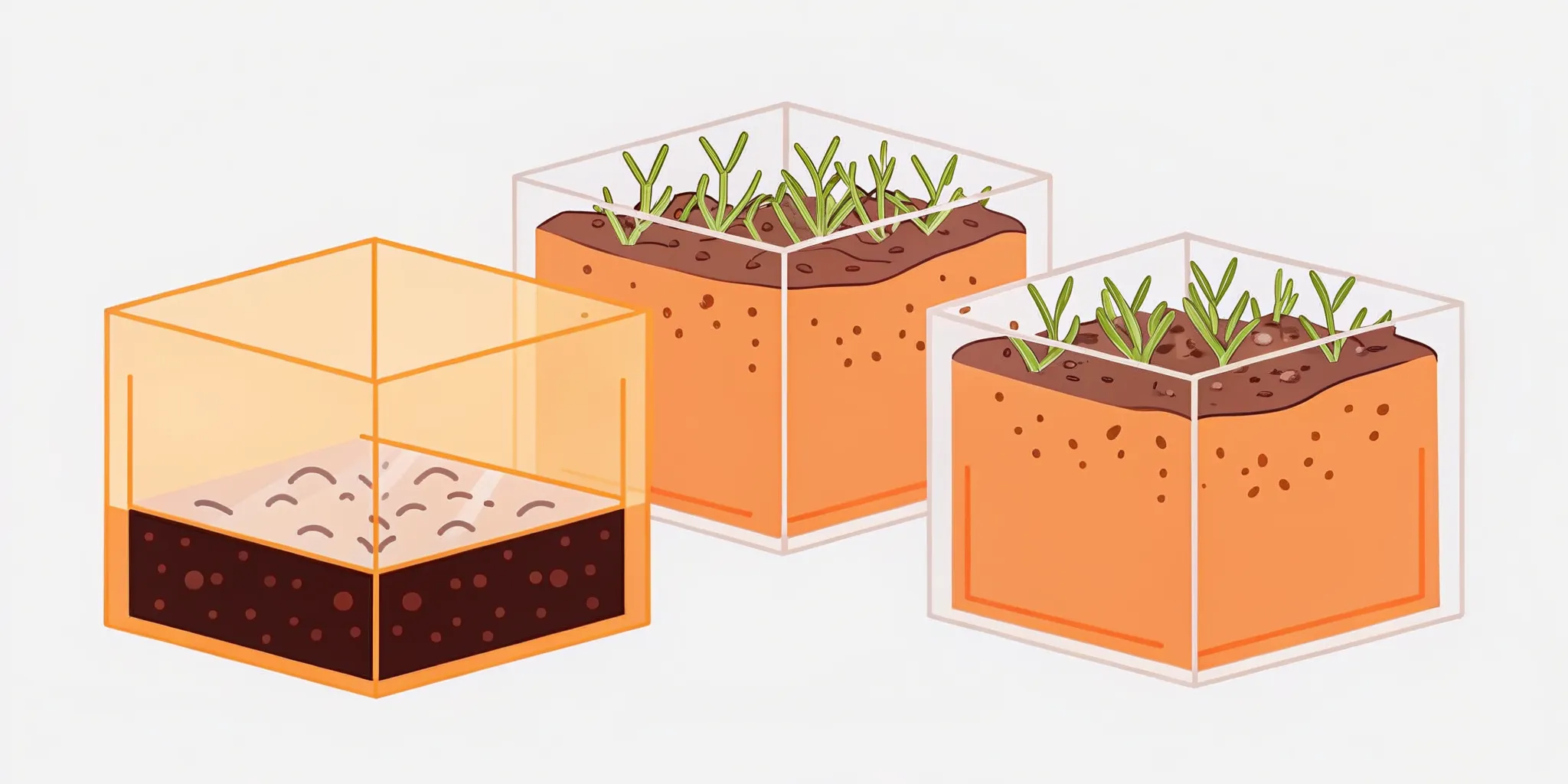
Think of ordering topsoil like ordering a pizza for a party. You have the cost of the pizza itself, and then you have the delivery fee that brings it to your door. Both parts make up your total bill. It’s the same with landscaping materials. The final invoice for 5 yards of topsoil delivered is a combination of the product cost and the logistics fee. To budget accurately and avoid surprises, it’s helpful to understand how both are calculated. We’ll break down all the variables, from soil type to your distance from the supplier, giving you a clear picture of the total investment.
Key Takeaways
- Understand the full cost: Your final price for delivered topsoil includes both the material and the delivery service. Factors like soil quality and your distance from the supplier influence the total, so be sure to get a detailed quote.
- Opt for bulk delivery on larger jobs: For any project bigger than a few flower pots, bulk delivery is the most practical choice. It saves you money compared to buying individual bags, spares you the heavy lifting, and is a more eco-friendly option.
- Do your homework on suppliers: A great supplier is transparent about their soil quality and has a proven track record of reliable delivery. Always check reviews and ask about their screening process to make sure you're getting the best foundation for your project.
How Much Does 5 Yards of Delivered Topsoil Actually Cost?
Figuring out the cost of five yards of delivered topsoil isn't always as simple as looking at a single price tag. The final number on your invoice is a combination of the soil itself and the service required to get it to your driveway. The price can change based on who you buy from, the quality of the soil, and how far the delivery truck has to travel. It’s a good idea to understand these different pieces so you can budget accurately and feel confident you’re getting a fair deal.
Think of it like ordering a pizza. The price of the pie is one thing, but the delivery fee is a separate cost that adds to your total. With topsoil, you're paying for the product and the logistics. We'll break down the typical costs, including the average market rates for soil and delivery, so you can see how it all adds up. This will help you compare quotes from different suppliers and choose the best option for your project and your wallet.
Our Topsoil Pricing, Explained
At Organic Recycling, we believe in transparency. The price you pay reflects the premium quality of our products. We operate NYSDEC-permitted compost sites, which allows us to create incredibly rich, nutrient-dense topsoil that you won't find in the average bag from a big-box store. Our pricing includes the cost of this carefully processed material and our reliable delivery service. For the most accurate quote for your specific project, you can find detailed information on our topsoil delivery page or use our online volume calculator to determine exactly how much you need. We make sure our pricing is straightforward, with no hidden fees.
The Average Market Rate for Topsoil
When you start shopping around, you'll notice that topsoil is typically priced by the cubic yard. On average, you can expect to pay between $40 and $50 per yard for quality bulk topsoil. So, for five yards of material, you're looking at a starting cost of around $200 to $250 before delivery. Some suppliers might bundle the cost and advertise a single delivered price, which can range from $225 to over $275 for five yards. These figures give you a solid baseline to use when comparing prices from different local companies.
Why Your Location Affects the Price
Where you live plays a significant role in the final cost. The further you are from the supplier, the more you can expect to pay for delivery. This is simply because of the costs associated with fuel, the driver's time, and maintenance on the large trucks required for bulk delivery. For example, a supplier might charge a $40 local delivery fee but increase that to $60 for customers 20 miles away. At Organic Recycling, we cover an extensive delivery service area and structure our fees fairly based on your distance from our facility, ensuring you get a clear and competitive rate.
Breaking Down the Delivery Fee
The delivery fee itself can vary quite a bit, often ranging from $50 to $150 per trip. This fee isn't just for gas; it covers the use of a specialized dump truck, the driver's expertise in maneuvering and placing the soil, and the logistics of scheduling. It’s a flat rate for the trip, not the amount of material, which is why ordering in bulk is so efficient. Whether you order three yards or ten, the trip cost is often the same. You can usually find more details about drop-off procedures and what to expect on our delivery FAQ page.
What Influences the Final Price of Your Topsoil?
When you're planning a project, it’s easy to focus on the base price of the topsoil itself. But the number you see on a product page isn't always the final number on your invoice. Several key factors can affect your total cost, from where you live to the specific type of soil your garden needs. Understanding these variables helps you budget more accurately and avoid any surprises. It also empowers you to make smarter choices, ensuring you get the best value for your investment. Let’s walk through the main elements that shape the final price of your bulk topsoil delivery. By the end, you'll have a much clearer picture of what to expect when you place your order.
The Delivery Distance
One of the most significant factors in your total cost is how far you are from your supplier. Getting several tons of soil from point A to point B requires time, fuel, and labor, and these costs are reflected in the delivery fee. Generally, the farther the truck has to travel, the higher the delivery charge will be. For example, a local delivery might have a standard fee, but a trip to a neighboring county will cost more. Before you order, it's a good idea to check the supplier's delivery service area to see if your location falls within their standard zones or if it might incur extra charges.
The Type and Quality of Soil
Not all topsoil is created equal, and the price often reflects its quality and composition. A basic, unscreened fill dirt will be much cheaper than a premium, screened topsoil enriched with organic compost. High-quality topsoil contains a greater concentration of nutrients and organic matter, which is exactly what you need for a thriving garden or a lush lawn. While it might cost more upfront, investing in better soil and compost can save you money on fertilizers down the road and give you much better results. Think about your project's specific needs to decide which grade of soil is the right fit.
The Time of Year You Order
Just like with many other products, seasonality can play a role in the price of topsoil. Spring is the peak season for gardening and landscaping, which means demand is at its highest. Sometimes, this increased demand can lead to higher prices. Conversely, you might find special promotions or better rates during the off-season in late fall or winter. If your project timeline is flexible, it can be worthwhile to plan your purchase around these slower periods. It never hurts to ask your supplier if they have any seasonal deals running when you're ready to buy.
Discounts for Larger Orders
If you have a large-scale project, buying in bulk is almost always the more economical choice. Suppliers often offer a lower price per cubic yard when you purchase a larger quantity. This is because it's more efficient for them to process and deliver one large order than several small ones. Before you place an order, use a volume calculator to figure out exactly how much soil you need. Consolidating your purchase into a single bulk delivery can lead to significant savings on both the material and the delivery fee, making your budget stretch further.
How Far Will 5 Yards of Topsoil Go?
Figuring out how much topsoil you need can feel like a tricky math problem, but it doesn’t have to be. Five cubic yards is a popular amount for many homeowners and landscapers, but what does that actually look like spread across your lawn or garden? Let's break it down so you can feel confident you’re ordering the right amount for your project.
Calculate Your Coverage Area
First, let's get a handle on the measurements. A cubic yard is a cube of material that's 3 feet long, 3 feet wide, and 3 feet tall. That means one cubic yard contains 27 cubic feet of soil. So, when you order 5 cubic yards, you're getting 135 cubic feet of topsoil.
To see how far that goes, you just need to decide on your desired depth. For example, if you want to spread a 3-inch layer of topsoil, those 5 cubic yards will cover about 540 square feet. If you need a deeper 6-inch layer, it will cover 270 square feet. If you're not a fan of doing the math yourself, our handy volume calculator can do the work for you.
Common Projects for 5 Yards of Soil
Five cubic yards is a really versatile amount that’s perfect for many common landscaping projects. It’s often the sweet spot for jobs that are too big for individual bags but don't require a massive dump truck load.
Some projects where 5 yards of topsoil works perfectly include:
- Leveling out uneven or low spots in a medium-sized yard.
- Building several new raised garden beds.
- Prepping a significant area of your lawn for seeding or laying new sod.
- Topping off all the garden and flower beds around your house.
It’s a great way to get the high-quality topsoil delivered that you need to give your landscape a fresh, healthy start.
Is 5 Yards the Right Amount for You?
So, how do you know if 5 yards is your magic number? The best way is to grab a tape measure and head outside. Measure the length and width of the area you want to cover and multiply them to get your total square footage.
Once you have that number, think about depth. Are you lightly top-dressing a lawn (1-2 inches) or filling a brand-new vegetable garden (6-12 inches)? Knowing your square footage and your target depth will tell you exactly what you need. If your project area is around 500 square feet and you need a few inches of soil, 5 yards is likely a perfect fit. If you're still on the fence, just give us a call and we can help you figure it out.
Is Bulk Delivery Better Than Buying Bags?
When you're starting a new landscaping project, one of the first questions you'll face is how to get your materials. Should you grab a bunch of bags from the local garden center or get a bulk delivery? While bagged soil might seem convenient for a small planter, for anything larger, bulk delivery is almost always the smarter choice. It saves you money, time, and a whole lot of hassle. Let's break down why.
The Cost-Effectiveness of Bulk
It really comes down to simple math. While a single bag of topsoil might not seem expensive, the cost per cubic foot is significantly higher than buying in bulk. When you buy bagged soil, you're paying for the plastic packaging, the branding, and the retail markup. For any project that requires more than a few bags, those costs add up fast. Ordering a bulk topsoil delivery means you pay for the product itself, not the frills. For larger quantities, the price per yard is much more economical, saving you a considerable amount of money that can be better spent on plants or other supplies.
Save Time and Effort
Think about the logistics of buying dozens of 40-pound bags of soil. You have to load them into your cart, then into your car, drive them home, and then unload them one by one. It’s a time-consuming and physically demanding process that can leave you with an aching back before you’ve even started your project. With bulk delivery, the hard work is done for you. A truck arrives at your home and places a neat pile of high-quality soil exactly where you need it. This convenience frees up your time and energy to focus on the actual gardening or landscaping. Our delivery service is designed to make your project as easy as possible.
Get Higher-Quality, Consistent Soil
Not all soil is created equal. The bagged topsoil you find at big-box stores can be a mixed bag, literally. It often contains fillers like wood chips and can vary in quality from one bag to the next. When you order from a dedicated bulk supplier, you’re getting a much more consistent and higher-quality product. We take pride in our materials, operating NYSDEC-permitted compost sites to produce rich, screened topsoil. This means you get a uniform product that’s ready to use and provides a better foundation for your lawn or garden. You can learn more about our commitment to quality and see the difference for yourself.
The Eco-Friendly Advantage
If you're passionate about your garden, you likely care about the environment, too. Think of all the single-use plastic that comes with bagged soil. Each bag contributes to landfill waste. Choosing bulk delivery completely eliminates this plastic packaging, making it a far more sustainable option. Plus, sourcing your materials from a local supplier reduces the carbon footprint associated with shipping products across the country to retail stores. By choosing bulk, you’re not only making a smart choice for your project and your wallet, but you’re also making a positive impact on the planet. Explore our range of eco-friendly landscape supplies to get started.
How to Choose the Right Topsoil Supplier
Finding the right topsoil supplier is about more than just getting a good price. It’s about finding a reliable partner who will deliver a high-quality product that sets your project up for success. The quality of your soil directly impacts the health of your lawn, the vibrancy of your garden, and the overall finish of your landscape. A great supplier provides consistent, nutrient-rich topsoil, while a questionable one might deliver soil filled with rocks, weeds, or unwanted debris, creating more work for you in the long run.
Making an informed choice saves you time, money, and a lot of potential frustration. You want a company that is transparent about its products, clear about its pricing, and dependable with its delivery schedule. Think about factors like their reputation in the community, the quality of their materials, and the level of customer service they provide. Taking a little time to vet your options ensures you get the best possible foundation for your project, so you can spend less time worrying about your materials and more time enjoying your beautiful new landscape.
Check for Quality and Soil Testing
The quality of your topsoil is the single most important factor. After all, this is the foundation for your lawn or garden. Look for a supplier that is transparent about where their soil comes from and how it is processed. High-quality topsoil should be screened to remove rocks, roots, and other debris, and it should be rich in organic matter. Don’t be afraid to ask questions about their screening process or if they conduct soil testing. Reputable suppliers are proud of their products and will be happy to explain what makes their soil superior. For example, a supplier operating a state-permitted facility shows a serious commitment to quality and environmental standards, ensuring you get a safe and consistent product every time.
Look for Reliable Delivery
Amazing topsoil is useless if it doesn’t arrive when you need it. A delayed delivery can halt your entire project, wasting your valuable time and throwing your schedule off track. Before placing an order, make sure the supplier has a reputation for reliable and professional service. Check their delivery service area to confirm they can get to you. A good supplier will communicate clearly about scheduling, provide a realistic delivery window, and have experienced drivers who can place the material safely and conveniently on your property. Look for clear information on their website about delivery fees and procedures so there are no surprises on delivery day.
Tips for Comparing Your Options
When you have a few potential suppliers lined up, it’s time to compare them. Look beyond the base price per yard and consider the overall value. Read online reviews and testimonials to see what other customers have experienced. A supplier with a long history of positive feedback is usually a safe bet. It’s also a good idea to see what other landscape supplies they offer. Finding a one-stop shop that can also provide mulch, compost, or gravel for future projects can make your life much easier. Finally, give them a call. A quick conversation can tell you a lot about their customer service and willingness to help.
Supplier Red Flags to Watch For
As you research, keep an eye out for a few warning signs. Be cautious of any supplier who is vague about their soil’s origin or can’t answer basic questions about their screening process. Inconsistent pricing or a long list of hidden fees is another major red flag. Your quote should be clear and all-inclusive. Also, take note of their professionalism. A company that is difficult to contact or lacks a functional website might not provide the most reliable service. If a supplier tries to sell you dozens of individual bags of soil for a large project, that’s another warning sign. Bulk delivery is almost always more cost-effective and efficient for anything over a cubic yard.
Related Articles
- Topsoil Delivery Near Me
- Soil Delivery Near Me | Topsoil, Compost & Bulk Bags
- Garden Soil Delivery: 5 Things to Know Before You Buy
- Bulk Topsoil Delivery: A Complete Buyer's Guide
Frequently Asked Questions
How do I know which type of topsoil is right for my project? The best topsoil depends on what you're planning to grow. For starting a new lawn or patching bare spots, you'll want a screened topsoil that's easy to spread and allows grass roots to establish. If you're building vegetable gardens or flower beds, a richer mix with added compost will provide the extra nutrients your plants need to thrive. Think about your end goal, and if you're still unsure, a quick call to your supplier can help you match the right soil to your project.
What does "screened" topsoil mean, and why is it important? Screened topsoil is material that has been passed through a mesh screen to remove large debris like rocks, roots, and clumps of clay. This process creates a fine, uniform soil that is much easier to work with. It's important because it provides a better environment for new seeds and delicate roots, ensuring they have unobstructed space to grow. It also gives your lawn or garden a smooth, professional finish.
How should I prepare my driveway for a bulk topsoil delivery? Preparing for your delivery is simple and helps everything go smoothly. First, choose a spot that is clear of any obstacles like cars, basketball hoops, or toys. It's a great idea to lay down a large tarp where you want the soil pile; this makes cleanup much easier later. Also, look up to make sure there are no low-hanging tree branches or power lines that could get in the way of the delivery truck.
Can I save money by ordering mulch or compost at the same time? Yes, combining your orders is a great way to be more efficient with your budget. The delivery fee is typically charged per trip, not per product. By ordering your topsoil, mulch, and compost all at once, you pay that delivery fee a single time instead of for multiple separate trips. It's the most cost-effective way to get all the materials you need for your landscaping projects.
What if I'm not sure how much soil to order? It's a common concern, and it's always better to have a little extra than to run out mid-project. A good first step is to use an online volume calculator, which can give you a very accurate estimate based on your area's measurements. If you're still on the fence, don't hesitate to call your supplier. We can walk you through the measurements and help you feel confident you're ordering the perfect amount.