
Where to Buy Bulk Compost: A Buyer's Guide
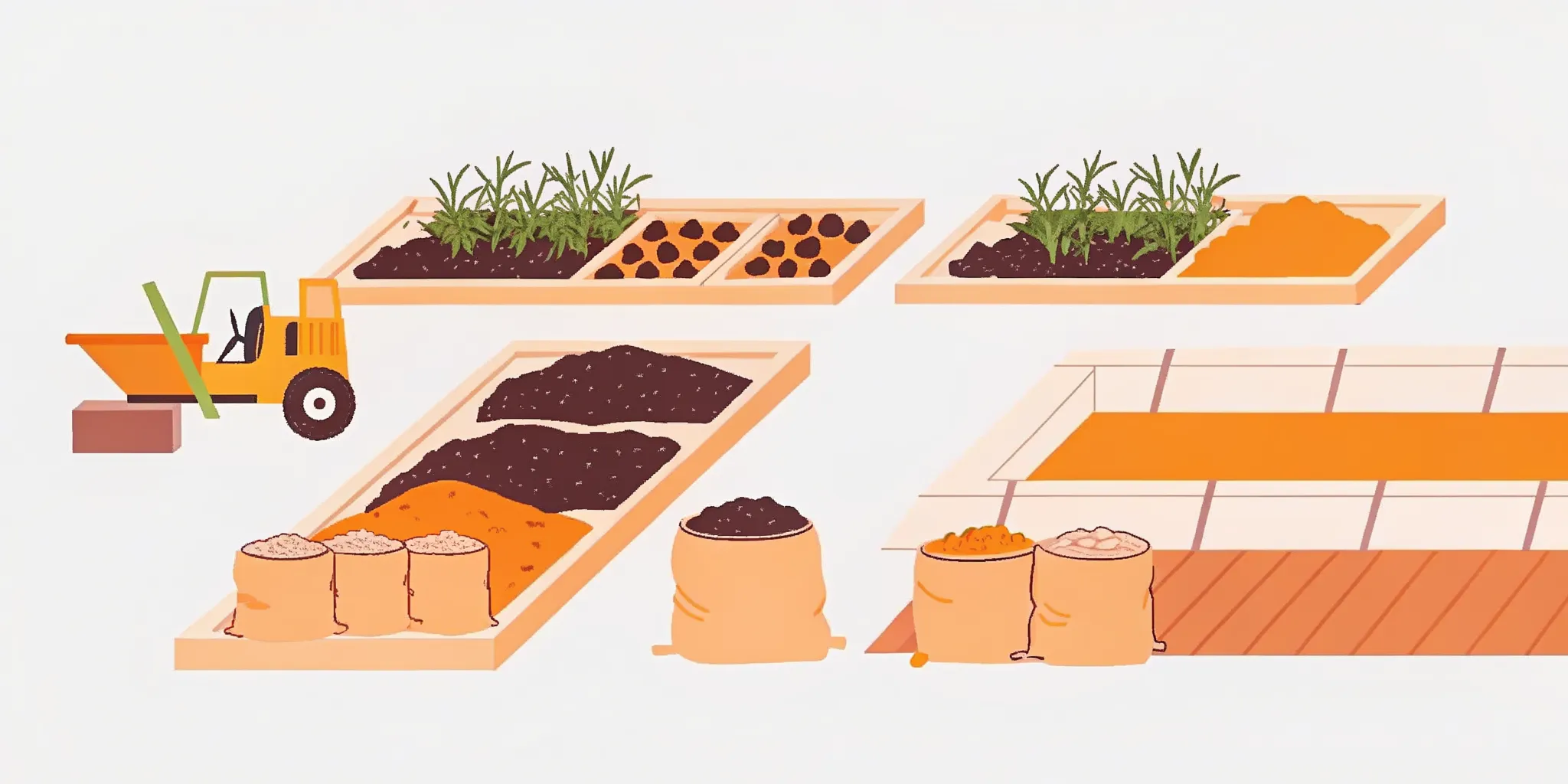
A great garden starts with great soil. Whether you’re building new raised beds, overhauling a tired lawn, or amending your entire vegetable patch for the season, the quality of your foundation is everything. For projects of this scale, bagged products from a big-box store just aren’t practical or cost-effective. You need a large quantity of rich, high-quality organic matter, and that’s where bulk compost comes in. But the idea of ordering a giant pile of dirt can feel a bit intimidating. How much do you need? How does delivery work? This article breaks it all down, giving you the confidence to plan your project and figure out exactly where to buy bulk compost to get the job done right.
Key Takeaways
- Buy in bulk to save money and reduce waste: For any project larger than a few pots, bulk delivery is significantly cheaper per cubic foot and eliminates the plastic waste from dozens of individual bags.
- Verify compost quality before you buy: A trustworthy supplier will be transparent about their ingredients, have their product tested, and operate a state-permitted facility, ensuring you get a clean, nutrient-rich product for your garden.
- Prepare your space for a successful delivery: Before your compost arrives, calculate the exact amount you need using your garden's measurements, then choose a clear, accessible drop-off spot and have your tools ready to go.
Bulk vs. Bagged: Why Buying Compost in Bulk is a Smart Move
When you’re starting a new garden bed or refreshing your landscape, the question of how to get your materials always comes up. You could make several trips to the garden center, loading and unloading dozens of heavy plastic bags. Or, you could get all the high-quality compost you need in one simple delivery. For any project bigger than a few potted plants, buying in bulk is a game-changer. It’s a smart move that saves you money, time, and a whole lot of hassle, all while being a little kinder to the planet. Let’s break down why making the switch from bagged to bulk is one of the best decisions you can make for your garden.
What Exactly Is Bulk Compost?
Bulk compost is simply compost sold in a large quantity, typically by the cubic yard, rather than in small, individual bags. Think of it as the most efficient way to get a foundational material for your landscape. It’s the ideal choice for filling new raised garden beds, topdressing an entire lawn, or amending the soil across a large vegetable patch. Because it’s sold in larger volumes, it’s a much more economical choice for gardeners with extensive planting needs. You can have it delivered as a loose pile dropped in your driveway or in a large, durable bulk bag for easier storage and use.
Save Money and Time
The most immediate benefit of buying in bulk is the cost savings. While the initial price tag is higher than a single bag, the cost per cubic foot is significantly lower. You’re paying for the quality compost itself, not for excessive packaging and individual branding. This is because there's less packaging and lower transport costs involved for the supplier, and those savings get passed on to you. Beyond the financial perks, consider the time and physical effort you’ll save. A single delivery means no more wrestling heavy, dirty bags into your car, saving you from multiple trips and a messy trunk.
A Better Choice for the Planet
Choosing bulk compost is also a more sustainable option. By getting your compost in one large delivery, you drastically reduce the amount of plastic waste that would come from dozens of single-use bags. Fewer bags mean less plastic ending up in landfills. The environmental benefits don't stop there. A single truck delivery has a much smaller carbon footprint than the multiple car trips required to haul the same amount of bagged material from a store. When you source from a company that recycles green waste to create its products, you’re supporting a circular system that turns local yard trimmings into nutrient-rich compost for your garden.
Where to Find Quality Bulk Compost
Once you know you need compost, the next question is where to get it. Finding a reliable source is just as important as choosing the right type of compost for your project. You want a product that’s rich, clean, and consistent, not something full of weeds or unfinished materials. The good news is you have several options, each with its own pros and cons. From specialized suppliers who live and breathe soil health to your local garden shop, the right compost for your garden is out there. Let's walk through the most common places to find bulk compost so you can decide which one is the best fit for your needs, budget, and project size.
Reputable Landscape Suppliers
Your best bet for high-quality, consistent bulk compost is often a reputable landscape supplier. These companies specialize in materials for gardening and landscaping, so they understand the importance of quality control. They typically source or create their own compost blends and can tell you exactly what’s in them. You can usually have them load compost directly into your truck, or you can schedule a delivery right to your driveway. Companies that focus on landscape supplies are experts in the field and can offer advice on which type of compost is best for your specific goals, whether you're starting a new vegetable garden or amending your lawn.
Local Garden Centers and Nurseries
Local garden centers and nurseries are another great resource, especially if you’re familiar with their staff and trust their plant quality. They often carry bagged compost and may offer their own bulk options as well. While convenient, their bulk selection might be more limited than a dedicated landscape supplier. This option is perfect if you need a relatively small amount of compost and want to pick it up yourself. It’s always a good idea to call ahead to check if they offer bulk quantities and to ask about the compost’s source and composition before you make the trip.
Municipal Composting Sites
Some towns or counties run their own composting facilities, turning local yard and food waste into compost that’s available to residents. This can be an affordable, local option for gardeners. However, the quality can vary greatly from one facility to another, as their screening and testing processes might not be as rigorous as a commercial supplier's. It’s worth investigating your local program, but be sure to inspect the compost carefully before you buy. For peace of mind, look for suppliers who operate their own state-permitted compost sites, as this indicates they meet specific quality and safety standards.
Online Retailers
For ultimate convenience, you can order bulk compost online from regional suppliers. This allows you to browse different products, use online calculators to figure out how much you need, and schedule a delivery without ever leaving your home. Buying in bulk online is almost always more cost-effective than buying many small bags from a big-box store. Reputable online suppliers provide detailed product descriptions and clear pricing. They also offer convenient delivery services that can place the material right where you need it, saving you the hassle of hauling it yourself. Just be sure to confirm they deliver to your area before you place an order.
How to Choose the Right Bulk Compost Supplier
Finding a great compost supplier is like finding a great mechanic. Once you find one you trust, you stick with them. But how do you find the right one? It comes down to asking a few key questions and looking for signs of quality. Taking a little time to vet your supplier ensures you get a rich, beneficial product for your garden instead of a pile of problems. Here’s what to look for.
Look for Permits and Certifications
Think of permits and certifications as a quality guarantee. They show that a supplier meets specific standards for safety and quality. For instance, some suppliers participate in the US Composting Council's Seal of Testing Assurance (STA) program, which means their compost is regularly tested. At a minimum, your supplier should operate a state-permitted facility, like our NYSDEC-permitted compost sites. This ensures they follow environmental regulations for recycling green waste into high-quality compost. A permitted facility is a clear sign that you’re dealing with a professional operation that takes its product and environmental responsibility seriously.
Ask What’s In It
You wouldn't cook with mystery ingredients, so don't garden with them either. A reputable supplier will be transparent about what goes into their compost. You want to hear that it’s made from purely organic materials like leaves, grass clippings, plant trimmings, and other green waste. This combination creates a nutrient-rich product that will feed your soil. Be wary of suppliers who are vague about their sources or include materials like construction debris or biosolids. Feel free to browse our list of products to see exactly what goes into our premium compost blends.
Confirm Their Delivery Zone
This might seem obvious, but it’s a crucial step that can save you a lot of hassle. Before you get too invested, confirm that the supplier delivers to your area. Most bulk suppliers have a defined delivery service area and clear policies about their process. Check their website or give them a call to find out about delivery fees, minimum order quantities, and scheduling. A good supplier makes this process straightforward, offering details on truck sizes and how they handle drop-offs. Planning this ahead of time ensures your compost arrives right where you need it, without any last-minute surprises.
Check Reviews and Reputation
What are other gardeners and landscapers saying? A quick search for online reviews can give you a great sense of a supplier's product quality and customer service. Look for comments on the texture of the compost, the delivery experience, and how helpful the staff was. A company with a strong reputation is usually proud of it and happy to answer your questions. A great supplier provides more than just a product; they offer technical assistance and guidance. If you have questions about which compost is right for your project, don't hesitate to get in touch with the experts.
Breaking Down the Cost of Bulk Compost
Okay, let's talk numbers. Budget is a huge part of any landscaping project, and understanding the cost of compost upfront will save you from any surprises. The price can vary based on a few key factors, but once you know what to look for, you can plan your project with confidence. Here’s a simple breakdown of what goes into the final price tag.
Cubic Yard vs. Ton Pricing
Most of the time, you'll see bulk compost sold by the cubic yard. If you're picking it up yourself, you can generally expect to pay between $20 and $50 per cubic yard. A cubic yard is a 3-foot by 3-foot by 3-foot cube, which is way more than you could fit in a few bags from the store. While some places might price by the ton, volume is a more reliable measure for compost since its weight changes with moisture. To figure out exactly how much you need for your garden beds or lawn, a good volume calculator is your best friend. It takes the guesswork out of the equation.
Don't Forget Delivery Fees
Unless you have a heavy-duty truck, you’ll likely need your compost delivered. This is an added cost, but it’s worth every penny to avoid multiple trips and a messy car. Delivery fees typically depend on how far you are from the supplier and the size of the truck required for your order. It’s always a good idea to get a clear quote that includes this cost. You can usually find a company’s service area online to confirm they can get to you. Our delivery information page, for example, outlines exactly where we go, so you know right away if you’re in our zone.
Ask About Volume Discounts
If you're tackling a big project, like overhauling your entire lawn or filling several large raised beds, don't be shy about asking for a volume discount. Many suppliers are happy to offer better pricing when you buy a larger quantity of material. It’s a standard practice in the industry, so you’re just being a smart shopper by inquiring. When you’re ready to get a quote, have your measurements handy and just ask if they have a price break for the amount you need. A quick call or email can often save you a nice chunk of change on your total project cost. Feel free to contact us to discuss the specifics of your project.
How Much Bulk Compost Do You Actually Need?
Figuring out the right amount of compost can feel like a tricky math problem, but it’s simpler than you think. Ordering the correct quantity from the start saves you time, money, and the headache of having a giant, unused pile of compost on your driveway or, even worse, not having enough to finish your project. Getting it right means you can efficiently amend your garden soil and get back to the fun part: planting.
The goal is to cover your garden beds or lawn with the perfect layer of nutrient-rich goodness without any waste. A little planning goes a long way. All you need is a tape measure and a few minutes to walk through three easy steps: measuring your space, deciding on the depth you need, and calculating the final volume. We’ll break down each step so you can order your bulk compost with total confidence.
Step 1: Measure Your Space
First things first, grab a tape measure and head outside. You need to find the square footage of the area you want to cover with compost. For square or rectangular garden beds, this is straightforward: just multiply the length by the width. For example, if your garden bed is 10 feet long and 5 feet wide, your total area is 50 square feet (10 x 5 = 50).
If you have an irregularly shaped area, don't worry. Just break it down into smaller, manageable rectangles or squares. Measure each small section individually and then add all the totals together to get your final square footage. Jot this number down, as you’ll need it for the final calculation.
Step 2: Decide on the Depth
Next, think about how deep you want your compost layer to be. The right depth depends on your project. If you're mixing compost into an existing garden bed to enrich the soil, a layer of one to two inches is usually perfect. This amount integrates well without overwhelming the existing soil structure. For starting a brand-new garden bed or fixing very poor soil, you might want to go a bit deeper, maybe around three to four inches.
For topdressing a lawn, a much lighter layer of about a quarter-inch to a half-inch is all you need. Once you’ve decided on the best depth for your specific goal, convert that number into feet by dividing it by 12 (for example, 3 inches becomes 0.25 feet).
Step 3: Calculate the Cubic Yards
Now it’s time to put it all together. You have your square footage and your desired depth in feet. To find the volume in cubic feet, simply multiply these two numbers. Using our earlier example: 50 square feet multiplied by a depth of 3 inches (0.25 feet) equals 12.5 cubic feet.
Since bulk materials like compost are sold in cubic yards, you have one last conversion. To find out how many cubic yards you need, divide your cubic feet total by 27 (since there are 27 cubic feet in one cubic yard). In our example, 12.5 divided by 27 is about 0.46 cubic yards. To make things even easier, you can use an online volume calculator to do the math for you.
Common Bulk Compost Myths, Debunked
When you’re shopping for compost, it’s easy to get tripped up by a few common misconceptions. Believing these myths can lead to a garden that doesn't thrive and a lot of wasted effort on your part. Let's clear the air and debunk some of the biggest myths about buying bulk compost so you can make a confident, informed choice for your landscape.
Myth: All Compost Is Created Equal
It’s tempting to think that compost is just compost, but that couldn't be further from the truth. The quality can vary dramatically depending on the source materials and the composting process itself. Some compost might contain persistent herbicides from treated grass clippings or even unwanted debris. A trustworthy supplier will have a controlled composting process to ensure the final product is rich, clean, and safe for your plants. Sourcing from a reputable company means you’re getting a consistent, high-quality product, not a mystery mix.
Myth: The Cheaper, The Better
While everyone loves a good deal, an unusually low price on bulk compost should be a red flag. Very cheap compost is often unfinished, meaning it hasn't fully decomposed. Adding unfinished compost to your garden can actually harm your plants by tying up nitrogen in the soil as it continues to break down. It might also contain fillers like sand or low-quality soil. Think of it as an investment. Paying a little more for well-made, nutrient-rich compost from a reliable source will give you much better results in the long run.
Myth: Free Compost Has No Downsides
You might see offers for free compost from municipal piles or neighbors, and while the price is right, the risks can be high. These sources often have no quality control, so you have no idea what’s really in the pile. It could contain pesticide residues, weed seeds, or even plant diseases that you definitely don't want to introduce to your garden. While the intention is good, you’re better off getting your compost from a supplier who tests their landscape supplies and can tell you exactly what you’re putting on your soil.
How to Spot High-Quality Compost
Not all compost is the same, and knowing what to look for can make a huge difference in your garden's success. You don't need to be a soil scientist to tell the good stuff from the bad. By using your senses and looking for a few key signs, you can easily assess the quality of a batch of compost before you buy. This simple check ensures you’re adding rich, beneficial organic matter to your soil, not just filler with potential problems.
Trust Your Eyes (and Nose)
One of the easiest ways to evaluate compost is to simply smell it. High-quality, fully decomposed compost should have a pleasant, earthy scent, like a forest floor after rain. If you get a whiff of something sour, like garbage, or sharp, like ammonia, that’s a major warning sign. An ammonia smell means the decomposition process isn't finished, and the material isn't ready for your garden. It could even harm your plants by tying up nitrogen in the soil as it continues to break down. Trust your nose; if it smells off, it probably is.
Know the Signs of Finished Compost
Next, take a good look at the compost’s appearance. Finished compost should look dark and crumbly, with a rich, soil-like texture. It’s normal to see small bits of woody material, as these take longer to break down and can improve soil aeration. However, you shouldn’t be able to recognize the original materials, like leaves or grass clippings. If you can still clearly identify what went into the pile, the compost isn’t fully mature. A uniform color and a fine, fluffy consistency are great signs that the compost is ready to work its magic in your garden.
Red Flags to Watch For
Finally, be on the lookout for obvious red flags. The most glaring issue is the presence of trash. Bits of plastic, glass, or other garbage have no place in your garden and indicate a poorly managed composting process. As mentioned, a strong ammonia odor is another deal-breaker. When you source from a reputable supplier, you can feel confident you're getting clean, high-quality compost without any unwanted surprises. Checking for these warning signs helps you avoid bringing contaminated or unfinished material onto your property.
Key Questions to Ask Your Compost Supplier
Once you’ve found a few potential suppliers, it’s time to do a little homework. Asking the right questions upfront can save you a lot of headaches later and ensure you’re getting a high-quality product that’s perfect for your project. Think of it as a mini-interview. You want to partner with a company that is transparent, knowledgeable, and reliable. A good supplier will be happy to answer your questions and provide clear, detailed information.
Before you place an order, make sure you have a solid understanding of their product quality, delivery process, and all the associated costs. Getting these details sorted out will help you compare your options accurately and choose the best supplier for your needs. Here are the three essential questions you should always ask.
"How is your compost tested?"
This is one of the most important questions you can ask. Not all compost is the same, and you want to be sure you’re putting safe, effective material in your garden. Ask the supplier if their compost undergoes regular testing. Reputable companies often follow specific standards to ensure their product is free from harmful pathogens and rich in nutrients. For example, we operate NYSDEC-permitted compost sites, which means our process and final product meet strict state guidelines. Look for certifications from organizations like the U.S. Composting Council, as this indicates the compost has passed rigorous quality tests.
"What does delivery look like?"
Understanding the logistics of delivery is key to a smooth experience. Ask the supplier to walk you through their process. Do they deliver in a loose pile from a dump truck, or do they offer contained options like bulk bags? Bulk bags are a great, no-mess option that can be placed precisely where you need them. Also, clarify what kind of access their trucks require and discuss the best drop-off spot on your property. A good supplier will have a clear delivery process and can help you figure out the best plan for your space, saving you time and effort.
"Can you explain all the costs?"
To avoid any surprises on the final bill, ask for a complete cost breakdown. The price of compost can vary, but you can generally expect to pay between $20 and $50 per cubic yard for the material itself. Delivery fees are almost always a separate charge, so be sure to ask what that will be for your location. Find out if there are any other potential fees and if they offer discounts for larger volumes. Having a clear, itemized quote will help you accurately compare suppliers and stay within your project budget.
How to Use Bulk Compost in Your Garden
Once your compost has been delivered, it’s time for the best part: putting it to work in your garden. Using compost is one of the most effective ways to improve your soil’s health, leading to stronger, more vibrant plants. Whether you're starting a new garden bed, planting a tree, or just giving your existing plants a little TLC, incorporating compost is a straightforward process. It’s less about following a rigid formula and more about giving your soil what it needs to thrive. You're essentially giving back to the earth, creating a rich foundation that will pay you back with beautiful blooms and a bountiful harvest.
Think of compost as a superfood for your garden. It enriches the soil with essential nutrients, improves its structure for better drainage and aeration, and helps it retain moisture so you don’t have to water as often. You can use it for vegetable gardens, flower beds, lawns, and even potted plants. The key is to mix it in well so the roots of your plants can easily access all that goodness. With a few simple tools and a little bit of effort, you can transform your garden soil and set your plants up for a successful growing season.
Amending Your Soil
The most common way to use compost is to amend, or improve, your existing garden soil. A good rule of thumb is to spread a layer of compost about one to two inches deep over the surface of your garden bed. Then, use a shovel or garden fork to gently mix it into the top four to six inches of your soil. This process integrates the rich organic matter directly into the root zone where your plants need it most. It helps break up heavy clay soils and gives sandy soils more substance, creating a perfect balance for healthy root growth. This single step can dramatically improve your soil’s long-term fertility.
Applying It Correctly
Applying compost doesn’t have to be complicated. For garden beds, simply spread it evenly across the surface before working it in. If you’re top-dressing your lawn, you can rake a thin layer (about a quarter-inch) over the grass. When planting trees or shrubs, mix compost with the soil you removed from the hole before backfilling it. Using a sturdy wheelbarrow and rake from your collection of landscape supplies will make the job much easier. The goal is to ensure the compost is well-distributed, giving your plants a consistent source of nutrients and a healthy environment to grow in.
Storing Leftover Compost
It’s common to have some compost left over, and the good news is that it stores very well. If your compost arrived in one of our bulk bags, you can simply fold the top over to protect it from the elements. If it was delivered as a loose pile, you can cover it with a tarp to keep it from getting too waterlogged by rain or drying out in the sun. Store it in a convenient spot, and you’ll have a ready supply for potting new plants, top-dressing containers, or giving your garden a mid-season pick-me-up. Properly stored compost will maintain its quality for months.
Prepping for Your Bulk Compost Delivery
Your compost is on its way, and that’s exciting! A little bit of prep work before the delivery truck arrives can make a world of difference. Taking a few simple steps ensures the drop-off is seamless and you’re ready to put that beautiful, nutrient-rich compost to work right away. Think of it as setting the stage for a successful project. A smooth delivery day means you can get straight to the fun part: feeding your garden and improving your soil. Let's walk through how to get everything in order.
Choose a Smart Drop-Off Spot
Picking the right location for your compost pile is the most important first step. Think about where the delivery truck can safely and easily access your property. Clear the path of any cars, toys, or low-hanging branches. It's also smart to choose a spot that’s convenient for you. The closer the pile is to your garden beds, the fewer steps you'll have to take with a heavy wheelbarrow. I always recommend laying down a large tarp before the delivery. This protects your lawn or driveway and makes the final cleanup much easier. For more specifics on truck sizes and clearance, check out the delivery FAQ.
Have the Right Tools Ready
There’s nothing worse than having a mountain of fresh compost delivered, only to realize your shovel is broken or you can’t find your wheelbarrow. Before delivery day, gather all the tools you’ll need to move and spread your compost. A sturdy wheelbarrow is essential, along with a good shovel for scooping and a garden rake for leveling everything out. A pair of gardening gloves will also save your hands. Having your landscape supplies organized and ready to go means you can start your project the moment you’re ready, without any frustrating delays.
Plan Your Project Day
A little planning goes a long way in making your composting project feel manageable and rewarding. First, take a look at the weather forecast; a dry, overcast day is perfect for this kind of work. Next, block out enough time in your schedule. Moving several cubic yards of material is a workout, so give yourself a realistic timeline. Decide which areas you’ll tackle first and how thickly you plan to apply the compost. If you're unsure about the depth, our volume calculator can help you map it out. A clear plan helps you work efficiently and ensures your garden gets the most out of the delivery.
Related Articles
Frequently Asked Questions
How do I know if I need bulk compost or if bags are enough for my project? A good way to decide is to think about the scale of your project. If you're just filling a few small containers or window boxes, bagged compost is perfectly fine. However, the moment you start a project like filling a new raised garden bed, topdressing a lawn, or amending the soil in a large vegetable patch, buying in bulk becomes the smarter choice. It's not only more cost-effective per cubic foot, but it also saves you from the hassle of hauling dozens of heavy bags.
What's the real difference between compost and topsoil? This is a great question, and it's easy to get them confused. Think of topsoil as the foundation of your garden; it's the mineral-based layer of sand, silt, and clay that provides structure. Compost, on the other hand, is the organic amendment you add to the topsoil. It's made of decomposed plant matter and is packed with nutrients. Compost improves the soil's texture, helps it hold water, and feeds your plants over time. They work best as a team.
Is your compost safe to use in a vegetable garden? Absolutely. Using high-quality compost is one of the best things you can do for an edible garden. Because our compost is created from clean green waste at state-permitted facilities, it's free from the contaminants you might worry about in lower-quality products. It provides the essential nutrients your vegetables need to grow healthy and strong, giving you peace of mind that you're growing food in clean, rich soil.
How soon can I start planting after I've mixed the compost into my garden beds? You can start planting immediately. One of the best things about using fully finished, high-quality compost is that there's no waiting period required. The compost is stable and ready to provide benefits to your soil right away. Mixing it in just before you plant gives the roots of your new seedlings or plants direct access to the improved soil structure and nutrients, setting them up for a great start.
I don't have a truck. Is delivery my only option for getting bulk compost? For most people, delivery is the most practical and efficient way to get a large quantity of compost to their home. It saves you the time and physical effort of moving the material yourself. Another great solution is to have your compost delivered in a bulk bag. These durable bags keep the material contained neatly on your driveway, making it a clean and convenient option if you don't need a loose pile.