
How Much Is a Yard of Screened Topsoil? A Full Guide
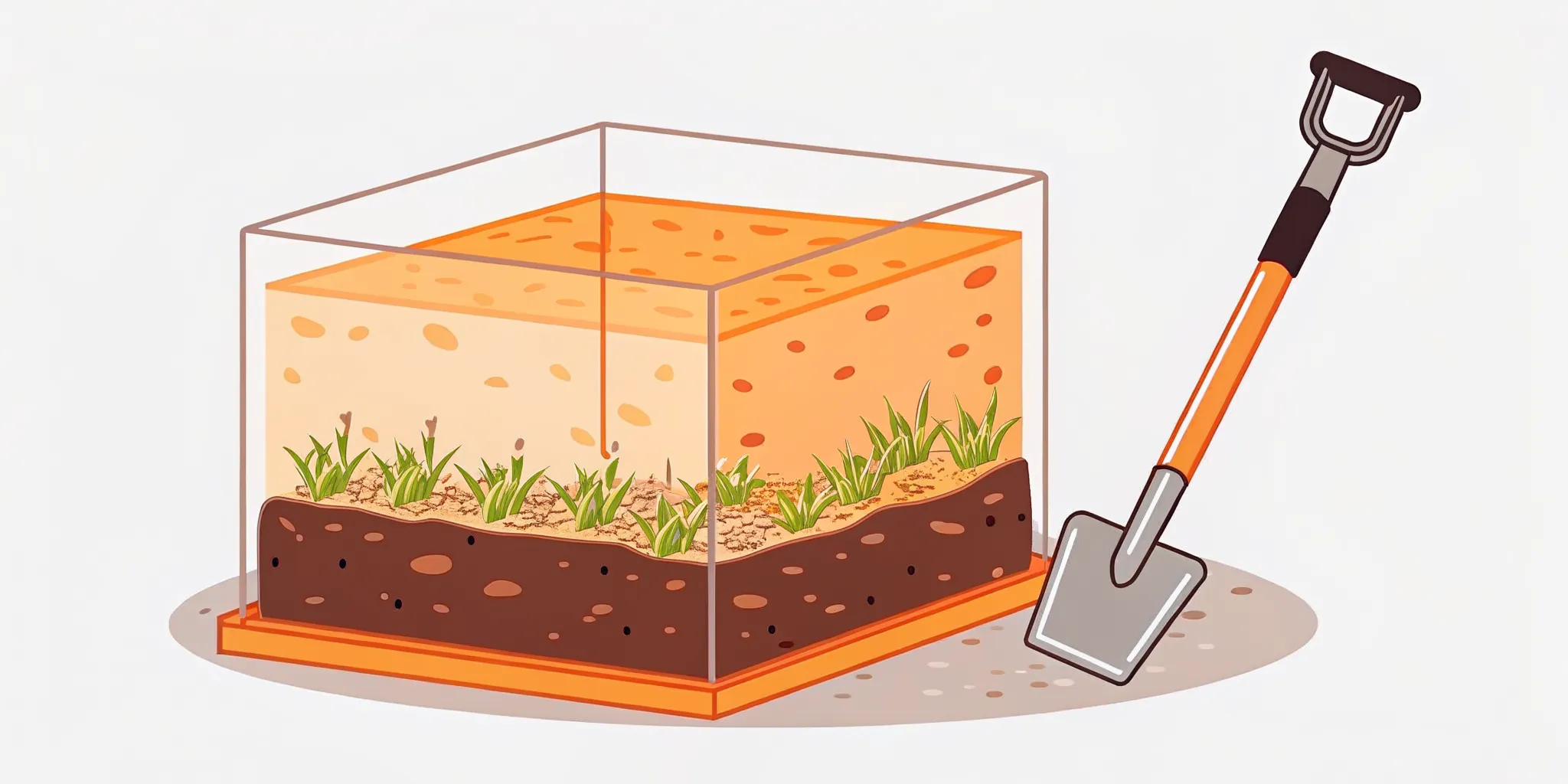
It’s a common myth that all dirt is basically the same, so you should just find the lowest price and call it a day. But when it comes to your lawn and garden, the quality of your topsoil makes all the difference. The screening process, which removes rocks and debris, is just the beginning. The real value comes from the soil’s nutrient content and composition. So, when you ask, "how much is a yard of screened topsoil," you’re really asking what it costs to build a healthy foundation for your plants. We’ll debunk the myths and show you what to look for beyond the price tag.
Key Takeaways
- Focus on soil quality, not just the price tag: A slightly higher cost often means you're getting nutrient-rich, properly screened soil that provides a better foundation for your plants, saving you time and money on future amendments.
- Buy in bulk for bigger projects: For anything more than a few planters, ordering topsoil by the cubic yard is far more cost-effective and convenient than hauling dozens of bags from a store. Use an online calculator to determine exactly how much you need.
- Factor delivery fees into your total budget: Delivery is a standard cost that depends on your distance from the supplier, so choosing a local company is the best way to get a high-quality product while keeping transportation costs reasonable.
What is Screened Topsoil?
When you’re starting a new garden bed or fixing up your lawn, the soil you choose makes all the difference. You've probably heard the term "screened topsoil," but what exactly is it? Think of it as premium, refined soil. It’s the top layer of earth that has been sifted, or "screened," to remove all the unwanted stuff, like rocks, sticks, roots, and large clumps of clay.
The result is a product with a fine, smooth, and consistent texture. This uniformity makes it incredibly easy to spread evenly across your lawn or garden, giving your plants a perfect foundation to grow. It’s the go-to choice for projects where you need a clean, workable base, which is why so many gardeners and landscapers seek out quality topsoil delivery. Unlike unscreened dirt, which can be lumpy and full of debris, screened topsoil provides a predictable and high-quality medium for healthy plant growth.
How the Screening Process Works
So, how does regular soil become screened topsoil? It’s a straightforward mechanical process. The soil is loaded into a large machine, often a trommel screen, which is essentially a rotating cylindrical sieve. As the drum turns, the fine soil particles fall through the mesh screens, while larger debris like stones and roots are filtered out and separated. The size of the mesh can be adjusted to produce different grades of soil, but the goal is always the same: to create a uniform product free of debris. This careful filtering is what ensures every handful is consistent and ready for your project. Companies that operate their own facilities have direct control over this process, ensuring a consistently excellent product.
Why Screened Topsoil is Worth It
You might wonder if screened topsoil is really necessary, and the answer is a resounding yes, especially if you care about long-term results. The fine texture does more than just look good; it creates an ideal environment for plant roots. It improves drainage, preventing water from pooling and causing root rot. It also allows for better aeration, giving roots the oxygen they need to grow strong and healthy. This structure makes it easier for plants to absorb water and essential nutrients. While it may cost a bit more than unscreened fill dirt, you’re investing in the health and success of your garden. It’s a foundational step that pays off with lusher grass and more vibrant plants, making it a smart choice for any landscape supply project.
How Much Does a Yard of Screened Topsoil Cost?
Figuring out the cost of screened topsoil can feel a bit like predicting the weather. The final price on your invoice depends on several factors, including the quality of the soil, how much you buy, and where you live. While it’s tempting to just look for the lowest price per yard, it’s more helpful to understand what goes into that number. A slightly higher price might mean you’re getting richer, cleaner soil that will do wonders for your lawn or garden, saving you time and money on amendments later.
Think of it as an investment in your landscape’s foundation. The cost covers not just the soil itself, but the process of screening it to remove rocks, roots, and clumps, ensuring you get a fine, workable material. It's a crucial step that separates premium topsoil from just plain dirt. When you're planning a project, whether it's starting a new garden bed or leveling your yard, getting the cost right helps you budget effectively. Below, we’ll break down the typical price ranges you can expect to see, how your location plays a big role in the final cost, and how to get the most value for your money, especially if you’re in our neck of the woods.
National Average Price Ranges
When you start shopping around, you’ll see that screened topsoil is usually sold by the cubic yard. Nationally, the price for the soil itself can range from as low as $10 to as high as $50 per cubic yard when you buy it in bulk. This wide range reflects differences in soil quality, composition, and how much organic matter is included.
Keep in mind that this price is often just for the material. Some suppliers might quote a much higher all-in price, which could include services like delivery and even spreading the soil for you. It’s always a good idea to ask for a clear breakdown of what’s included in the quote so you can accurately compare your options and avoid any surprise fees.
How Your Location Affects Pricing
Where you live is one of the biggest factors in determining the cost of topsoil. Prices can change quite a bit from one region to another based on local availability and demand. If you’re in an area where quality topsoil is abundant, you’ll likely find more competitive pricing. On the other hand, in more urban or rocky areas, the cost might be higher.
Delivery is another key part of the equation. The farther you are from the supplier, the more you can expect to pay in transportation fees. These fees can add a significant amount to your total bill, so sourcing your soil from a local company is almost always the most cost-effective choice. You can see if you fall within our delivery service area to get a better idea of potential costs.
Getting the Best Value in Our Service Area
If your project requires a good amount of soil, buying in bulk is the smartest way to go. Purchasing topsoil by the cubic yard or truckload from a landscape supply company is far more economical than buying individual bags from a big-box store. You not only get a better price per unit, but you also get a higher quality, more consistent product.
To get the best value, focus on local suppliers who produce their own materials. Because we create our own high-quality soil and mulch, we can offer premium products without the extra markup. When you’re ready to start your project, check out our topsoil delivery options. We can help you calculate exactly how much you need and arrange for convenient delivery right to your driveway.
What Factors Influence Topsoil Prices?
When you start shopping for topsoil, you’ll quickly notice that prices can vary quite a bit. This isn't random; several key factors determine the cost of a yard of soil. Understanding what goes into the pricing helps you choose the right product for your project and your budget. From the quality of the soil itself to the logistics of getting it to your home, here’s a breakdown of what influences the final price tag.
Soil Quality and Composition
The biggest factor in topsoil pricing is its quality. At the lower end of the price spectrum, you'll find unscreened soil, which is sold as-is and often contains rocks, roots, and other debris. Screened topsoil costs more because it’s filtered to create a fine, consistent material that’s ready to use. The highest-quality soils, often rich with organic compost, will be at the top of the price range. While it’s an investment, this premium soil gives your plants the best start and saves you work down the line.
Organic vs. Non-Organic
You’ll also see a price difference between organic and non-organic topsoil. Organic topsoil is enriched with natural materials like compost, which provides essential nutrients for plant growth. Creating this high-quality blend involves more processing and careful quality control, which contributes to its higher cost. Non-organic options might be cheaper upfront, but they often lack the rich biological matter that helps gardens thrive. Investing in a quality soil and compost blend means you're getting a product designed to improve your soil structure and feed your plants naturally.
Local Market and Availability
Where you live plays a significant role in how much you'll pay for topsoil. In areas where quality topsoil is abundant, prices tend to be more competitive. Working with a supplier that produces their own materials, like we do at our NYSDEC-permitted facilities, can help ensure a consistent supply and fair pricing. This is especially true for customers within our delivery service area who can rely on a steady source of local, high-quality soil.
Delivery Distance
Finally, don't forget to account for the cost of getting the topsoil to your property. Delivery is almost always a separate fee, and it’s primarily based on how far you are from the supplier. The further the truck has to travel, the higher the delivery charge will be. Accessibility to your yard can also be a factor; a straightforward driveway drop-off is less complicated than a delivery that requires navigating tight spaces. It’s always a good idea to get a clear quote that includes the cost of the soil and the separate delivery fee so there are no surprises.
How Much Topsoil Do You Really Need?
Figuring out the right amount of topsoil can feel like a tricky math problem, but it’s simpler than you think. Ordering too little means a second delivery and a delayed project, while ordering too much leaves you with a pile of dirt and wasted money. The goal is to get it just right.
Whether you're starting a new garden bed, overseeding your lawn, or leveling a patchy area, a little planning goes a long way. Let's walk through how to measure your space and translate those numbers into the exact amount of topsoil you need for your project.
How to Calculate the Right Amount
You don’t need to be a math expert to get this right. All you need are three simple measurements: the length, width, and depth of your project area.
First, measure the length and width of your space in feet. Multiply those two numbers together to get the total square footage. Next, decide how deep you want your topsoil, and convert that measurement to feet (for example, 6 inches is 0.5 feet).
Here’s the basic formula: (Length in feet x Width in feet x Depth in feet) / 27 = Cubic Yards Needed
If math isn't your thing, don't worry. We have an easy-to-use volume calculator that does all the work for you. Just plug in your dimensions, and it will tell you exactly how many cubic yards to order. As a quick reference, one cubic yard of topsoil will cover about an 81-square-foot area with a 4-inch layer.
Quick Estimates for Common Projects
Sometimes you just need a ballpark figure. For smaller jobs like filling a few planters, buying topsoil in bags might seem convenient. But for anything larger, buying in bulk is almost always the more economical choice. To give you some perspective, it takes about 34 forty-pound bags of soil to equal just one cubic yard.
For larger projects like establishing a new lawn or building raised garden beds, you’ll definitely want to order in bulk. A typical 10x20 foot garden bed with a 6-inch depth, for example, would require nearly four cubic yards of topsoil. Can you imagine hauling over 130 bags from the store? Getting a bulk delivery saves your back, your time, and your wallet, letting you focus on the fun part of the project.
What to Expect for Delivery Costs
Getting your topsoil delivered is a huge time-saver, but it’s smart to know what goes into the final price. The cost isn’t just about the soil itself; the delivery fee plays a big part in your total budget. Understanding how these fees are calculated helps you plan your project without any surprises. We believe in being upfront about our pricing, so let’s walk through what you can expect when you schedule a delivery with us.
Understanding Delivery Fees
When you order bulk topsoil, a delivery fee is standard. Generally, you can expect these fees to fall somewhere between $80 and $170, but this is just a ballpark figure. The final cost really depends on your specific location and order details. Think of it like ordering a pizza; the farther away you are, the more it costs to get it to your door. The best way to get an accurate number is to get a direct quote. You can find answers to common questions about our delivery service to get a clearer picture.
What Influences the Delivery Price
Several key factors determine your final delivery charge. The biggest one is distance. The farther our truck has to travel from our facility to your home or job site, the higher the fee will be. The size of your order and the accessibility of your property also matter. A large truck needs enough space to safely enter, maneuver, and drop off the soil. A tricky drop-off spot, like a narrow driveway or a location far from the street, might also influence the price. You can check our delivery service area to see if you fall within our standard zones.
Can You Save Money with Pickup?
If you’re looking to cut costs, picking up the topsoil yourself is definitely an option. By handling the transportation, you can eliminate the delivery fee entirely. However, this is only a practical solution if you have the right equipment. You’ll need a heavy-duty truck or trailer that can safely handle the weight of the soil. For smaller projects, this can be a great way to save. But for larger orders, the convenience and safety of professional delivery are often well worth the cost. It saves you time and the hassle of borrowing or renting a suitable vehicle.
Where to Buy Quality Screened Topsoil
Once you know how much topsoil you need, the next big question is where to get it. The quality of your soil can make or break a project, so it’s worth sourcing it from a reputable place. You generally have three main options, each with its own pros and cons depending on your project's scale and specific needs.
From a Permitted Recycler (Like Us!)
Buying directly from a permitted recycler is one of the best ways to ensure you’re getting high-quality, consistent topsoil. Companies that operate NYSDEC-permitted compost sites, like us, manage the entire process from recycling green waste to screening the final product. This means we have complete control over the quality and composition of the soil. Screened soil is essential for healthy plants and vibrant lawns, and it’s not just for professional landscapers. Getting your soil from a recycler guarantees a product that is free of large debris and has been processed to a high standard, giving your garden the foundation it needs to thrive.
Local Landscape Supply Companies
Local landscape and garden supply companies are another excellent choice. These businesses specialize in bulk materials and typically source their products from reliable suppliers. When you're buying screened topsoil, it’s important to focus on quality rather than just price, and local suppliers usually understand this. They can provide high-quality soil that’s ideal for gardens, lawns, and any size landscaping project. The staff are often knowledgeable and can offer advice tailored to your region’s climate and soil conditions. Plus, you’re supporting a local business, which is always a great bonus.
Big-Box Garden Centers
For very small projects, like filling a single planter, a big-box store can be a convenient option. They sell topsoil in small, manageable bags that are easy to transport. This topsoil is a general-purpose soil that is great for filling holes and leveling low areas in your yard. However, buying in bags gets expensive quickly if you need more than a few cubic feet. The quality can also be inconsistent, and you often don’t know the original source of the soil. For any project larger than a few pots, you’ll get much better value and quality from a bulk supplier offering bulk bags or loose delivery.
What to Know Before You Buy
Getting a big delivery of topsoil is exciting because it means your project is really getting started. But before you place that order, it’s smart to do a little homework. Knowing what to look for and what to ask ensures you get high-quality soil that will actually help your lawn or garden thrive. A few simple checks can save you from the headache of dealing with soil full of rocks, weeds, or contaminants. Think of it as setting your project up for success from the very beginning. Let’s walk through how to spot the good stuff, the right questions to ask your supplier, and what to do when your delivery arrives.
How to Spot High-Quality Soil
You can tell a lot about soil just by looking at it and touching it. High-quality screened topsoil should have a dark, rich color, which usually indicates plenty of organic matter. It should feel crumbly and loose in your hands, not heavy and clumpy like clay or gritty like sand. Give it a sniff, too. Good soil has a pleasant, earthy smell. While it’s tempting to go for the cheapest option, remember that quality matters most for the health of your plants. Investing in nutrient-rich, properly screened landscape supplies will pay off with a healthier, more beautiful yard in the long run.
Key Questions to Ask Your Supplier
Don’t be shy about asking questions before you buy. A reputable supplier will be happy to give you clear answers. Start by asking where their topsoil comes from and what the screening process involves. You’ll want to know what size screen they use, as this determines how fine the final product is. It’s also a great idea to ask if the soil has been tested for its pH level and nutrient composition. Knowing this can help you decide if you’ll need to add amendments later. Finally, describe your project and ask if they recommend a specific soil blend for your needs, whether it’s for a new lawn, a vegetable garden, or filling in low spots.
Tips for Inspecting Your Delivery
When the truck arrives with your soil, take a moment to inspect the pile before the driver leaves. The soil should look consistent in color and texture, without any strange layers or patches. Walk around the pile and look for debris. While a few tiny pebbles or organic bits are normal, you shouldn’t see large rocks, chunks of wood, roots, or any trash. The soil should be damp but not waterlogged. If you notice anything that seems off or doesn’t match what you ordered, it’s best to address it right away. You can find more details about what to expect in our delivery FAQ.
Common Myths About Screened Topsoil
Let's clear the air about screened topsoil. It's a fantastic product for landscaping, but a few common misunderstandings can lead you astray. Knowing what's true and what's just talk helps you choose the right soil for your project and get the best results for your garden or lawn. When you invest in quality materials, you want to be sure you're getting exactly what you paid for. Let's walk through some of the biggest myths so you can buy with confidence.
Myth #1: It’s Always Packed with Nutrients
It’s easy to assume that because topsoil has been screened, it’s automatically a superfood for your plants. The reality is that the screening process itself is mechanical; its main job is to remove rocks, roots, and debris to create a fine, consistent texture. The nutrient content depends entirely on the source of the soil and how it's been handled. Some topsoil is naturally richer than others. That's why many suppliers, including us, offer amended soil blends that mix topsoil with compost to ensure it’s full of the organic matter your plants need to thrive. Always ask your supplier about the soil’s composition.
Myth #2: It’s Completely Weed-Free
This is a big one. While screening does an excellent job of removing existing weeds and their root systems, it can’t always catch every single tiny seed. Think of it like a sieve for your kitchen; it catches the big stuff, but fine particles can slip through. However, a good screening process drastically reduces the number of potential weeds you'll have to deal with. Plus, when topsoil is sourced from a facility that uses a proper composting process, the high temperatures can help neutralize many seeds. You're giving your lawn or garden a much cleaner start than you would with unscreened dirt, but you should still expect a stray weed or two.
Myth #3: A Higher Price Means Better Quality
While you often get what you pay for, price isn't the only indicator of quality when it comes to topsoil. A higher price tag could reflect expensive packaging, long-distance shipping, or just a bigger marketing budget. Instead of focusing only on the cost per yard, look at the value. Ask what the soil is made of. Is it just screened dirt, or is it a rich blend with organic compost? A trustworthy supplier will be transparent about their products and processes. The best deal is finding high-quality, nutrient-rich soil from a local source to keep delivery costs down and ensure the product is right for our region’s plants.
How Can You Save Money on Screened Topsoil?
Getting high-quality screened topsoil is a game-changer for any garden or lawn project, but the costs can add up. The good news is that with a little strategic planning, you can get the great soil you need without overspending. It’s all about knowing when to buy, how much to get, and where to look for the best value. Here are a few practical tips to help you save money on your next topsoil purchase.
Buy at the Right Time of Year
Timing is everything, especially when it comes to buying landscape supplies. The peak season for gardening is spring, which is when demand for topsoil skyrockets, and so do the prices. To get a better deal, consider buying during the off-season. Late fall and early winter are often the best times to purchase topsoil, as suppliers may offer better pricing to keep inventory moving. Planning ahead not only saves you money but also ensures you have your materials ready to go. Since topsoil is a rich blend of material that allows for drainage under sod and plants, having it on hand is key for a successful spring. You can often arrange for topsoil delivery ahead of time and be perfectly prepared.
Get Discounts on Bulk Orders
If you have a large project or can store extra material, buying in bulk is one of the most effective ways to save. The price per cubic yard for topsoil almost always goes down as the quantity goes up. Instead of buying multiple small bags from a big-box store, ordering a full truckload from a dedicated supplier is far more economical. Before you order, it’s a great idea to figure out exactly how much you need. Using a volume calculator can help you avoid over-ordering while still taking advantage of bulk pricing. This ensures you get the best possible value for your project without any waste.
Look for End-of-Season Deals
Just as buying in the pre-season can save you money, so can buying at the very end of the season. As autumn comes to a close, many landscape suppliers are looking to clear out their remaining inventory before winter sets in. This can be a fantastic opportunity to find clearance sales and special promotions. Keep an eye out for these deals in late fall. You might find significant discounts on any remaining stock. A good way to stay in the loop is to sign up for newsletters from local suppliers or follow them on social media. You never know when a great deal on landscape supplies will pop up, helping you stock up for next year at a fraction of the cost.
Related Articles
- Bulk Topsoil Delivery: A Complete Buyer's Guide
- Garden Soil Delivery: 5 Things to Know Before You Buy
- Topsoil Delivery Near Me
- Premium Topsoil
Frequently Asked Questions
Is screened topsoil the same thing as garden soil? Not quite, though they are related. Think of screened topsoil as the perfect blank canvas. It's a high-quality, debris-free soil that provides an excellent foundation for any project. Garden soil, on the other hand, is typically screened topsoil that has already been mixed with compost and other organic matter. You can use screened topsoil on its own for leveling your lawn or use it as a base to create your own custom garden blend.
Why can't I just use the existing dirt in my yard for my project? While it might seem easier, the dirt already in your yard is often not ideal for growing healthy plants. It can be compacted, full of rocks and clay, and may lack the proper structure for good drainage and root growth. Using screened topsoil gives you a clean, consistent, and workable material from the start, saving you the effort of amending and filtering your existing soil and giving your plants a much better chance to thrive.
How deep should my topsoil layer be for a new lawn versus a garden bed? The right depth depends on your project. For seeding a new lawn or overseeding an existing one, a layer of 2 to 4 inches is usually sufficient to give grass seeds a healthy start. For new vegetable or flower gardens, you'll want to be more generous. A depth of 6 to 12 inches gives plant roots plenty of space to grow strong and access the nutrients they need.
What's the real benefit of buying from a recycler like Organic Recycling? The biggest benefit is quality control. When you buy from a company that operates its own permitted recycling facilities, you know exactly where your soil is coming from. We manage the entire process, from taking in green waste to screening the final product. This means we can guarantee a consistent, high-quality soil that isn't a mystery mix from various sources, which is a risk you might take with other suppliers.
If I order a bulk delivery, where will the driver put the soil? For a bulk delivery, our drivers will typically drop the soil on a hard, accessible surface like your driveway. It's a good idea to lay down a large tarp before the truck arrives to make cleanup easier. Be sure to choose a spot that is clear of overhead lines or branches and where the pile won't block access to your garage or sidewalk.