
Stackable Landscape Stone: A Complete Guide
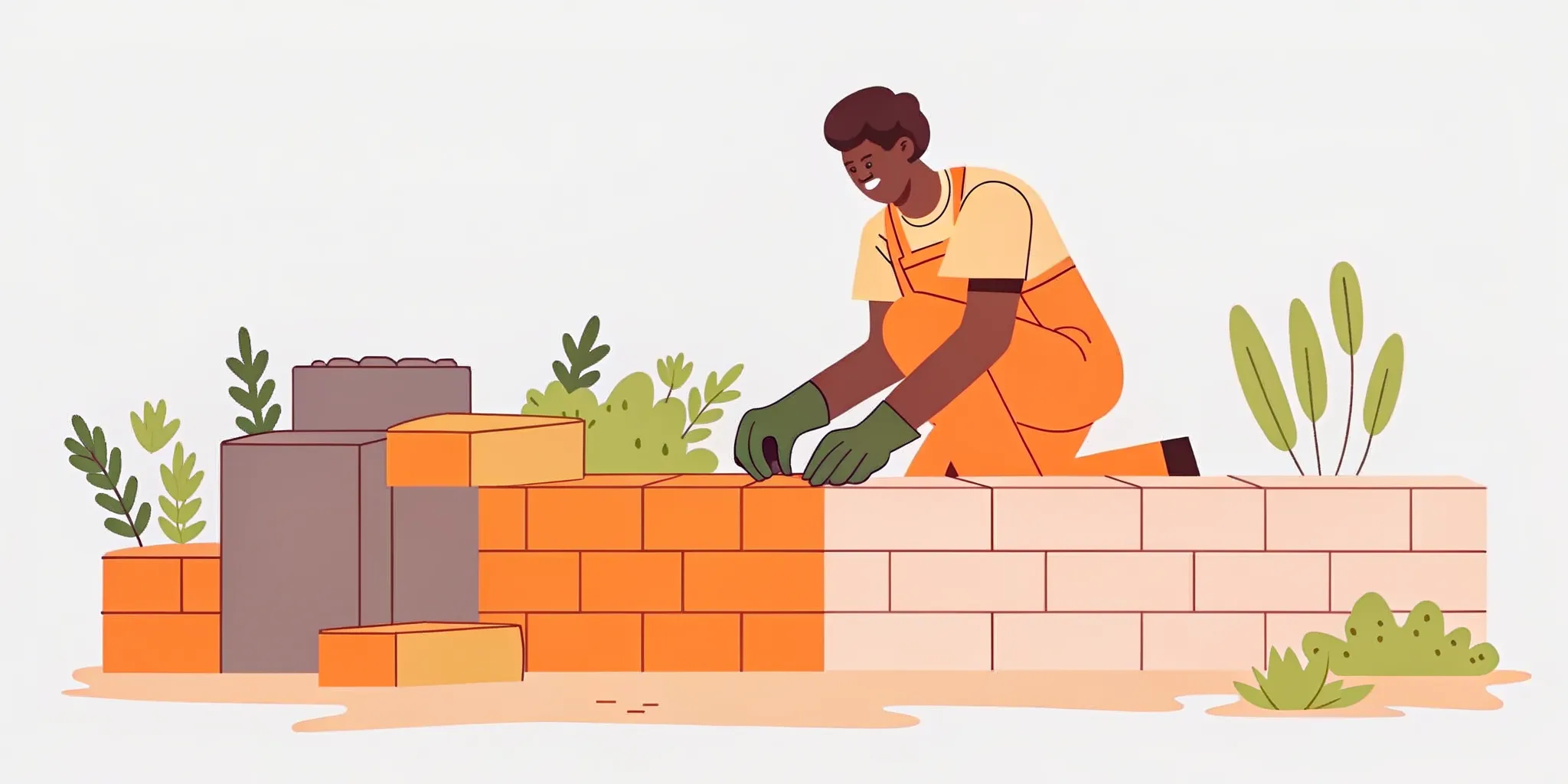
Seeing a beautifully crafted stone wall might make you think it’s a job reserved only for seasoned professionals. While complex projects often require an expert, building a simple retaining wall or garden border is a surprisingly achievable DIY project. The key is using the right material and following a clear plan. With its flat surfaces and manageable shapes, stackable landscape stone is designed to make the process straightforward. This guide is here to give you the confidence to get started. We’ll break down every step, from preparing a solid foundation to the simple stacking techniques that will give your wall strength and stability for years to come.
Key Takeaways
- A Strong Foundation is Non-Negotiable: Your project’s success starts from the ground up. This means digging a proper trench, laying a compacted gravel base for drainage, and planning your design carefully to order the correct amount of stone.
- Stack Smart for a Stronger Wall: The integrity of your wall comes from technique, not just heavy stones. Always stagger the joints between layers and, for retaining walls, use geotextile fabric with gravel backfill to ensure proper drainage.
- Choose Your Materials and Supplier Wisely: The final look and durability of your project depend on your choices. Select stones suited for dry stacking that match your home’s aesthetic, and partner with a reliable supplier who offers expert advice and dependable delivery.
What Are Stackable Landscape Stones?
If you’ve ever admired a beautiful stone wall or a perfectly edged garden bed, you’ve likely seen stackable landscape stones in action. In simple terms, these are natural stones that are either naturally shaped or cut to fit together neatly, making them perfect for building all sorts of structures in your yard. Think of them as nature’s building blocks. Unlike loose gravel or a pile of round river rocks, these stones are specifically chosen for their flat surfaces and angular shapes, which allow them to create stable, vertical features. Many projects use a technique called dry stacking, where the stones are carefully placed without any mortar holding them together.
From simple garden borders that define your flower beds to impressive retaining walls that terrace a sloped yard, stackable stones offer a timeless look that blends seamlessly with the natural environment. They are a go-to choice for both DIY homeowners and professional landscapers who want to add structure, texture, and lasting beauty to an outdoor space. We carry a variety of these masonry supplies to help you find the right material and bring your vision to life. Their versatility means you can get creative, building anything from a rustic fire pit to an elegant staircase.
Why Choose Stackable Stones?
Opting for stackable stones is one of the smartest long-term decisions you can make for your landscape. Their biggest advantage is durability. Unlike wood mulch that needs replacing or plastic edging that cracks, stone lasts for decades with very little upkeep. This means you can spend less time on maintenance and more time enjoying your yard. They are also fantastic for handling foot traffic and keeping weeds from creeping into your garden beds.
Beyond their practical benefits, stacked stones allow you to build sturdy, vertical structures that add dimension and solve common landscape problems. They provide excellent drainage and give your property a polished, high-end feel that synthetic materials just can’t replicate. It’s a functional and beautiful upgrade that adds real value to your home.
A Look at Popular Stone Types
When you start exploring stackable stones, you’ll find a wonderful variety of colors, textures, and shapes. Some of the most popular choices include Bluestone, Limestone, Granite, and Sandstone. Each one has a unique personality. Bluestone offers classic blue-gray tones, while Granite can provide a more speckled, multi-hued look. Many of our dry stack varieties come in rough rectangular and square shapes, which makes them incredibly easy to work with.
Choosing the right type often comes down to the style of your home and the look you want to achieve. Whether you prefer a rustic, natural appearance or a more uniform, clean-cut design, there’s a stone for you. Exploring different landscape supplies can help you find the perfect match for your project’s aesthetic.
How They Stand Up to the Elements
One of the best things about building with natural stone is its incredible resilience. Stackable stone walls are particularly effective at managing elevation changes in your yard, preventing soil erosion, and creating stunning tiered gardens. Because we know the weather in our delivery service area includes freezing winters and hot summers, choosing a material that can handle it all is key.
When installed correctly, a dry-stacked stone wall can withstand the constant freeze-thaw cycles that can destroy other materials. The small gaps between the stones allow water to drain through instead of building up behind the wall, which prevents pressure and cracking. This natural durability ensures your beautiful landscape feature will stand strong and look great for many years to come.
How Much Do Stackable Landscape Stones Cost?
Figuring out the budget for your project is one of the first, and most important, steps. The cost of stackable landscape stones can vary quite a bit, so it helps to understand what goes into the final price tag. The type of stone you choose is the biggest factor, but things like size, weight, and delivery also play a role. Knowing what to expect will help you plan your project without any surprise expenses along the way. Let’s break down what you can expect to pay and where to find the best materials for your job.
Breaking Down Costs by Stone Type
The type of stone you select has the biggest impact on your budget. Prices range from affordable options to more premium, decorative stones. For instance, a basic, functional stack stone can cost less than a dollar per piece, making it a great choice for simple garden borders. On the other hand, stones known for their unique color or texture, like Pennsylvania bluestone, will have a higher price point. Think about the aesthetic you’re aiming for and how it aligns with your budget. A good supplier can show you options across different price ranges to help you find the perfect fit.
What Else Affects the Price?
Beyond stone type, the size and weight of the stones influence the overall cost. Larger pieces like weathered sandstone boulders are often priced by the ton, and a single ton might only cover about 10 square feet of wall space. These larger stones often require special equipment for placement, adding to installation costs. Don’t forget to factor in delivery. Getting heavy materials to your site requires the right truck, so be sure to ask about delivery fees upfront. Using an online volume calculator also helps you accurately estimate how much stone you need, preventing over-ordering and saving money.
Where to Find Quality Suppliers
Finding a reliable supplier is as important as choosing the right stone. A great supplier won’t just sell you materials; they’ll offer a wide selection and have the expertise to guide you. You want a place that stocks everything from functional stack stones to decorative wall rocks. For projects in New Jersey, New York, and Connecticut, working with a local company that understands the region’s style is a huge plus. At Organic Recycling, we provide a curated selection of high-quality masonry supplies perfect for any landscape project. We can help you find the right stone and deliver it directly to your home or job site.
How to Install Stackable Landscape Stones
Building with stackable stones is a satisfying project that can transform your yard. The process is straightforward, but success comes down to careful preparation and patience. With the right approach, you can create a beautiful, durable stone feature that looks professionally done. Let's walk through the key steps, from the foundation to the final stone, and cover common mistakes so you can get it right the first time.
Preparing Your Base for a Solid Build
A strong wall starts with a solid foundation. Before you dig, plan your wall's height and square footage to order the right amount of material. Then, create a trench at least twice as wide as your stones. For a 12-inch stone, you need a 24-inch trench. Dig deep enough for a 4 to 6-inch layer of compacted gravel, which is essential for drainage and stability. You can use our volume calculator to figure out exactly how much base material you'll need for your project.
Stacking Techniques and Must-Have Tools
Once your base is level and compact, you can start stacking. The most important technique is to stagger the joints on each new layer so the vertical gaps don't line up. This simple step gives the wall its strength. You’ll want a few tools on hand: a level, a rubber mallet, and a tape measure. Sometimes, you may need a hammer and chisel or a grinder to shape a stone for a perfect fit. Don't be afraid to take your time finding the right stone for each spot; patience is key to a great result.
Common Installation Mistakes to Avoid
Even carefully planned projects can go wrong if you rush. A frequent mistake is forgetting to install geotextile fabric behind retaining walls. This fabric prevents soil from washing through the cracks and weakening the structure. Another common error is not checking for levelness as you build. Use your level on every course of stone, both front-to-back and side-to-side. A wall that isn't level can become unstable. Taking time to measure and fit each stone properly ensures your wall will stand strong for years. You can find quality fabric and other essential landscape supplies to help you do the job correctly.
How to Build a Retaining Wall with Stackable Stones
Building a retaining wall might sound like a huge undertaking, but with stackable stones, it’s a project you can definitely tackle. These walls are fantastic for creating level garden beds, managing sloped yards, or adding beautiful, structured tiers to your landscape. The key is to work methodically and not cut corners on the prep work. A little planning goes a long way in making sure your wall is not only gorgeous but also strong enough to last for years. Let's walk through the process together.
Plan Your Retaining Wall
Before you start digging, a solid plan is your best friend. First, map out where your wall will go and determine its final height and length. This helps you calculate the total square footage of the wall's face, which you'll need to figure out how much material to order. Our handy volume calculator can take the guesswork out of this step. Also, take a look at your soil. Is it dense clay or loose and sandy? This will influence how you prepare your base, which is crucial for a wall that won't shift or lean over time.
Step-by-Step Installation Guide
Once your planning is done, it’s time to get your hands dirty. Start by digging a trench for the foundation. A good rule of thumb is to make the trench at least twice as wide as your stones and deep enough to bury the first course. For stability, you should bury about one to two inches of the wall for every foot of its total height. After leveling the trench and adding a base of sand or gravel, lay your first course of stones. As you build up, make sure to stagger the joints on each level. This simple technique prevents weak vertical seams and gives your wall incredible strength.
Adding Fabric and Backfill for Stability
This is the step that separates a good wall from a great one. As you build, you need to backfill the space behind the wall with gravel for drainage. But don't just dump it in. First, line the area behind the wall with geotextile fabric, one of the most important landscape supplies for this project. This fabric keeps soil from mixing with your gravel, which would clog it and prevent water from draining. Installing a perforated drain pipe at the base of the wall is also a must. This pipe carries water away, preventing pressure buildup and damage from freeze-thaw cycles, a common issue in our region.
How to Choose the Right Stackable Stones
Picking the right stone is about more than just looks; it’s about finding the perfect material for your specific project and skill level. With so many options, it’s easy to feel overwhelmed. But by focusing on a few key areas, you can confidently select stones that will not only look great but also stand the test of time. Think about the stone’s quality, the reliability of your supplier, and how the final look will complement your home. Breaking it down this way makes the decision process much more manageable and ensures you end up with a result you’ll love for years to come.
What to Look for in a Quality Stone
When you’re building a stacked stone wall, the quality of your material makes all the difference. Look for stones that are specifically suited for dry stacking. These are often rough-cut squares and rectangles, typically between four and ten inches thick, which makes them much easier to stack securely without mortar. Another key feature is through-body color. This means the color is consistent all the way through the stone, not just on the surface. If a stone ever chips, the new edge will match the rest of the wall, keeping your project looking authentic and polished. A good supplier will have a wide selection of masonry supplies to help you find the perfect fit.
How to Vet Your Supplier
Your supplier should be more than just a place to buy stone; they should be a reliable partner for your project. A great sign is a company that offers a comprehensive range of products. If they also sell soil, mulch, and other landscape supplies, it shows they have a deep understanding of outdoor projects and can be your one-stop shop. Ask about their delivery process, too. You’re dealing with heavy materials, so you need a company with a dependable delivery service that can get your order to you safely and on time. A knowledgeable team that can answer your questions is also a huge plus, as their expertise can help you avoid common installation mistakes.
Matching the Stone to Your Project
Before you fall in love with a particular stone, think about how it will look with your home and landscape. One of the most common design mistakes is choosing a stone that clashes with your house’s exterior. A rustic, earthy stone might look perfect with a traditional home, while a sleek, uniform stone could be a better match for a modern design. Also, consider the stone’s function. Are you building a low garden border, a poolside accent, or a tall retaining wall to manage a slope? The scale and purpose of your project will influence the size and type of stone you should choose, ensuring your wall is both beautiful and structurally sound.
Are Stackable Landscape Stones Right for Your Project?
Deciding on the right material is a huge part of any landscaping project. Stackable stones are a fantastic choice for many designs, but it helps to know where they truly shine. They offer a natural, timeless look that can solve practical problems while adding serious curb appeal. If you're aiming for a structure that is both beautiful and functional, there’s a good chance stackable stones are the perfect fit. Let's walk through the best uses for these stones, how to care for them, and some creative ideas to get you started.
Ideal Projects for Stackable Stones
Stackable stones are incredibly versatile, but they are the go-to solution for projects involving elevation changes. If your yard has slopes or uneven ground, a retaining wall made from stack fieldstones can prevent soil erosion and create stunning tiered gardens. They are also perfect for defining specific areas in your landscape. You can use a low-stacked wall to create a border around a patio, pool, or garden bed, which adds a clean, organized look. These walls are also great for minimizing mud in sloped areas, keeping your outdoor spaces tidy. From simple garden edging to complex structural walls, these stones provide a durable and attractive solution.
Long-Term Care and Maintenance Tips
One of the best things about using stone in your landscape is how little upkeep it requires. Unlike grass that needs mowing or wood mulch that needs replacing, stone features are built to last. They handle foot traffic well, help with drainage, and naturally keep weeds at bay. The most important part of long-term care is getting the installation right from the start. Many future problems come from a poorly prepared base, inefficient drainage, or incorrect stone spacing. Taking the time to build a solid foundation ensures your wall or border will remain stable and beautiful for years with minimal effort on your part. If you have questions, getting expert advice before you begin can save you a lot of headaches later.
Get Creative: Design Ideas and Inspiration
This is where the fun begins. Stackable stones aren't just for straight walls. You can build curved retaining walls, create raised garden beds, or even construct a rustic outdoor fire pit. Many of our masonry supplies come in rough square and rectangle shapes, which makes stacking them much easier, even for intricate designs. While simple projects are great for DIY enthusiasts, it’s surprisingly common for non-professionals to run into trouble with more complex installations. Don't be afraid to think big, but be realistic about your skill level. For a simple garden border, you’re likely good to go. For a tall, structural retaining wall, bringing in a pro might be the best path to a safe and lasting result.
Related Articles
- Retaining Wall Blocks for Sale: A Buyer's Guide
- Interlocking Retaining Wall Blocks: A Complete Guide
- Large Retaining Wall Blocks: The Ultimate Guide
Frequently Asked Questions
Do I need to use mortar with stackable stones? For most landscape projects, you do not need to use any mortar. The technique is called dry stacking, where the weight, friction, and careful placement of the stones create a strong, stable structure. This method allows water to drain through the wall, which is essential for longevity, especially in areas with freeze-thaw cycles.
How high can I safely build a stacked stone wall? If you are building the wall yourself, it is best to keep it under three feet tall. Walls higher than this often need to support a significant amount of soil and pressure, which requires more complex engineering and sometimes even a local permit. For any wall taller than three or four feet, we strongly recommend consulting a professional landscaper.
What is the single most important step when building a stone wall? Without a doubt, the most critical step is preparing a solid foundation. A wall is only as strong as the base it sits on. This means digging a proper trench and laying a level, compacted layer of gravel before you place the first stone. Skipping or rushing this step is the primary reason walls fail over time.
Can I really build a retaining wall myself? It depends on the scale of the project. A low, decorative wall or a simple garden border is a fantastic and very rewarding DIY project. However, if you need a taller wall to hold back a significant slope, it is often wise to hire an experienced professional. They have the equipment and knowledge to ensure the wall is built safely and will last for decades.
How do I figure out how much stone I need for my project? Calculating the right amount of stone involves knowing the length and height of your wall to determine the total square footage of its face. The thickness of the stones you choose also plays a part. To make this process simple and avoid over-ordering, you can use an online volume calculator, which will give you a very accurate estimate for your specific project.