
The Ultimate Guide to Preventing Weeds in Gravel
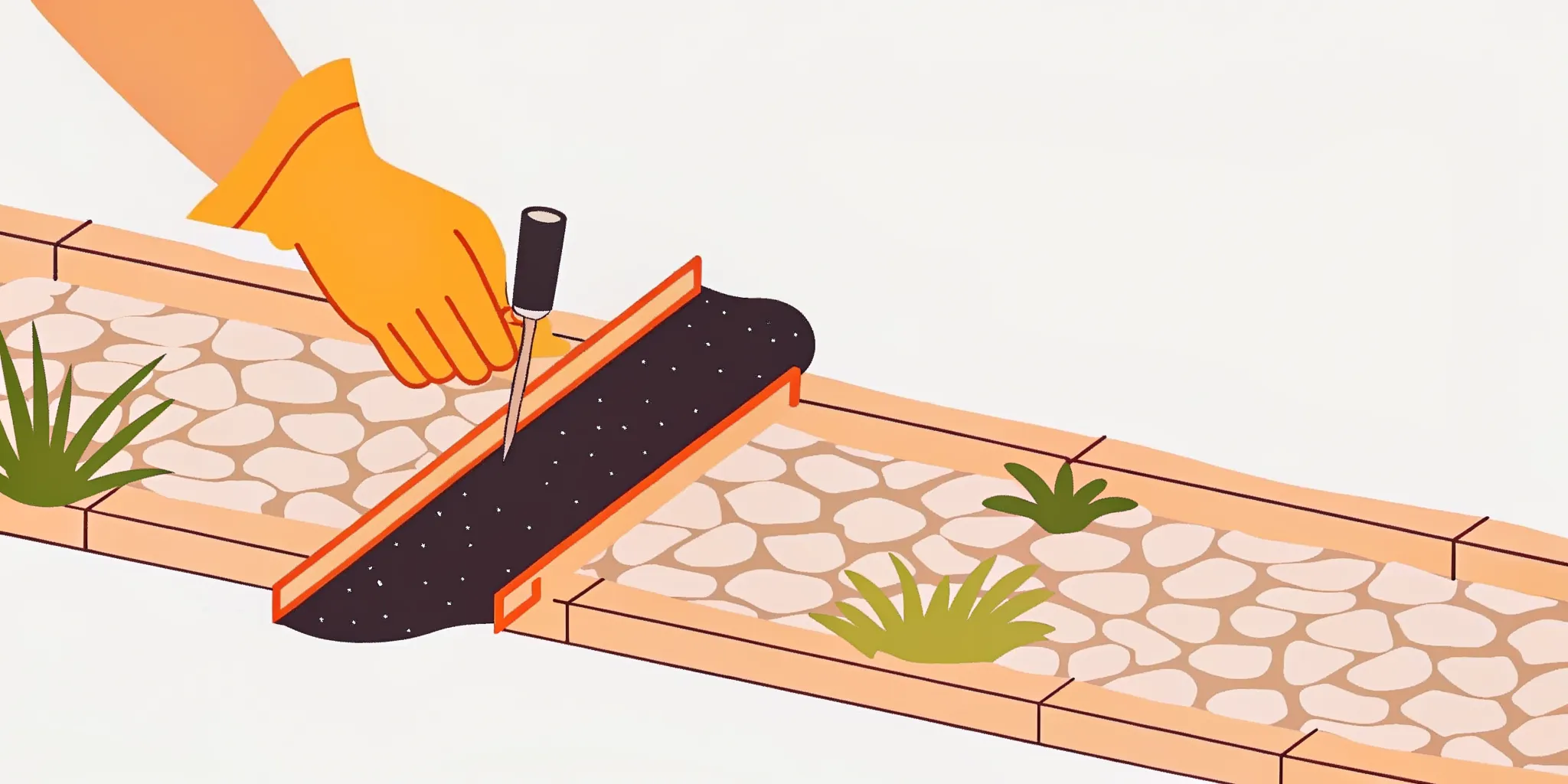
Dealing with weeds in your gravel can feel like a never-ending battle. Just when you think you’ve pulled the last one, a dozen more seem to appear overnight. But what if you could stop the fight before it even begins? The secret is shifting from a reactive approach to a proactive one. This guide offers a complete toolkit of strategies, from natural, chemical-free solutions to powerful methods for tackling stubborn infestations. We’ll cover everything you need to know to not only get rid of existing weeds but also to prevent weeds in gravel from ever coming back, giving you more time to actually enjoy your yard.
Key Takeaways
- Build a better barrier from the start: The most effective way to stop weeds is to prevent them. This means thoroughly clearing the ground, using quality landscape fabric, and applying a deep, three-to-four-inch layer of angular gravel to create a surface that's tough for weeds to penetrate.
- Commit to consistent, simple upkeep: A gravel area is low-maintenance, not no-maintenance. A quick weekly walk to pull new sprouts and rake away debris is far easier than tackling a large weed invasion later on.
- Choose the right tool for removal: Have a plan for the weeds that do appear. Hand-pulling or boiling water works great for small spots, while a flame weeder or a targeted herbicide can efficiently handle larger, more stubborn patches.
Why Weeds Love Your Gravel Driveway
It can be so frustrating to see stubborn green shoots poking through your perfectly laid gravel driveway or path. You chose gravel for its clean, low-maintenance appeal, yet somehow, weeds still find a way to move in. The truth is, while gravel is an excellent weed deterrent, it’s not a completely impenetrable fortress. Weeds are opportunistic, and a gravel area can accidentally offer them the perfect conditions to thrive if it's not properly maintained. They don't need much to get started: a little bit of dirt, a drop of water, and a sliver of sunlight is all it takes.
Understanding exactly why your gravel is such a tempting home for weeds is the first step toward winning the battle. It’s not just one thing, but a combination of factors that turn your crisp stone landscape into a weed nursery. From airborne seeds finding a soft place to land to tiny gaps letting in just enough sunlight, your gravel area has a few vulnerabilities. Once you know what they are, you can create a solid plan to keep your driveway and walkways looking pristine all year long. In the next sections, we'll look at how wind, organic debris, and gaps in your gravel coverage create these unwelcome opportunities for weeds.
How Wind and Debris Help Seeds Sprout
Think of the wind as a free delivery service for weed seeds. Dandelions, thistle, and countless other plants release seeds that can travel for miles on a breeze, eventually settling in your yard. When they land on a gravel surface, they often get trapped between the stones. This alone isn't always enough for them to grow, but when the wind also blows in leaves, grass clippings, and dirt, it creates the perfect little incubator. This debris provides cover, moisture, and a starting point for roots to take hold. Before you know it, a stray seed has everything it needs to sprout.
Why Organic Matter Becomes a Seedbed
When leaves, twigs, and other bits of debris land in your gravel and are left to sit, they begin to break down. Over time, this creates a thin layer of rich organic matter on top of your landscape fabric and between the stones. This compost-like material is an ideal seedbed, giving weed seeds a nutrient-rich place to germinate that’s separate from the soil below. Essentially, you’ve unintentionally created a shallow, fertile garden bed right within your gravel. Regularly raking your gravel is a great way to disrupt this process, preventing organic matter from accumulating and stopping new weeds from establishing a root system.
How Gaps Let in Light and Water
Even with landscape fabric, weeds can sometimes sprout from the soil underneath your gravel. This often happens when the gravel layer is too thin or has been disturbed, creating gaps. These bare patches allow sunlight and rain to reach the soil, signaling to dormant weed seeds that it’s time to grow. A deep, consistent layer of gravel, ideally three to four inches, acts as a physical barrier and blocks the sunlight needed for germination. If the ground wasn't thoroughly cleared of weeds before the gravel was laid, you’re giving those old roots a direct invitation to push their way through any weak spots.
How to Stop Weeds Before They Start
The best way to deal with weeds is to stop them from ever showing up. A little bit of thoughtful prep work before you lay down your gravel will save you countless hours of pulling, spraying, and frustration down the road. As experts at Cornell University note, "Preventive weed management should be executed before you have a weed problem." By getting ahead of the issue, you’ll save yourself time and money.
Creating a weed-resistant gravel area isn't about a single magic trick; it's about building a layered defense. Think of it like building a fortress. You need a strong foundation, thick walls, and a secure perimeter to keep invaders out. For your gravel driveway or path, this means starting with a high-quality barrier, using the right amount and type of stone, and installing a solid border. Each step works with the others to create an environment where weeds simply can't get the foothold they need to grow. We’ll walk through exactly how to set up each of these defenses for a beautiful, low-maintenance gravel feature.
Lay Down Quality Landscape Fabric
Your first line of defense is a good landscape fabric. This isn't the flimsy plastic sheeting you might see at a discount store. A high-quality, permeable landscape fabric acts as a physical barrier, stopping weed seeds that are already in the soil from sprouting up through your gravel. At the same time, it allows water and air to pass through, which keeps the soil underneath healthy.
Before you lay it down, make sure the ground is completely cleared of existing weeds, roots, and sharp rocks. Overlap the edges of the fabric by at least six inches so determined weeds can’t find a seam to sneak through. Secure it firmly with landscape staples, especially around the edges, to keep it from shifting when you add the gravel on top.
Keep Your Gravel Layer Deep
A shallow layer of gravel is an open invitation for weeds. Seeds that blow in can easily find their way to the landscape fabric, where they’ll find enough moisture and light to sprout. To prevent this, you need a deep, light-blocking layer of stone. A depth of three to four inches is usually enough to keep most seeds from germinating.
As Cornell University’s turfgrass experts advise, "Maintaining a thick layer of gravel and regular raking will help curb weed growth." Over time, gravel can settle or get displaced, so check the depth once a year and be ready to add a fresh layer. You can use our handy volume calculator to figure out exactly how much you’ll need to top it off.
Pick Angular Over Round Gravel
Not all gravel is created equal when it comes to weed prevention. Smooth, rounded stones like pea gravel might look nice, but they shift around easily, creating gaps where seeds and debris can collect. Instead, choose an angular, crushed stone. The sharp, irregular edges of angular gravel lock together to form a stable, compact surface that’s much harder for weeds to penetrate.
Many landscapers find that a 3/8-inch granite chip is one of the most effective options for suppressing weeds. Other great choices include crushed limestone or quartzite. These materials stay put better and create a less hospitable environment for unwanted growth. When you’re ready to choose, we can help you find the right sand, stone, or gravel for your project.
Install Solid Edging
A gravel path without a border is like a garden bed without a fence. Grass, lawn weeds, and roots will creep in from the sides, making your life difficult. Installing a solid edging creates a clean line and a physical barrier that stops this encroachment. It also helps keep your gravel contained, so it doesn’t spill into your lawn or garden beds.
You have plenty of options for materials, including flexible plastic, sturdy metal, or decorative pavers and bricks from our masonry supplies. Whatever you choose, make sure it’s installed deep enough to block roots and sits just slightly above the gravel layer. This simple step helps "prevent the weeds in the grass from spreading seeds in the gravel," keeping your edges neat and your maintenance minimal.
How to Get Rid of Weeds in Your Gravel
Even with the best preventative measures, a few stubborn weeds are bound to find their way into your gravel. When they do, having a few different removal methods ready can make all the difference. The right approach depends on the size of the problem, the type of weed, and how much time you have. From simple hand-pulling to more powerful techniques, these strategies will help you clear out existing weeds and keep your gravel areas looking clean and sharp. Think of it as your weed-removal toolkit; you can pick the perfect tool for any situation you encounter.
Pull Small Patches by Hand
Sometimes the simplest solution is the best one. If you’re dealing with just a few scattered weeds, hand-pulling is your most direct and effective option. This method is perfect for catching new growth before it becomes a bigger issue. For the best results, try to weed after a light rain, as the damp soil makes it easier to pull the entire root system out. Leaving any part of the root behind can allow the weed to grow back. It’s a bit of manual labor, but for small patches, it’s a quick, precise, and satisfying way to keep your gravel pristine. Having a good pair of gardening gloves from your landscape supplies will make the job much more comfortable.
Use a Flame Weeder for Fast Results
For a fast, chemical-free way to handle a larger patch of weeds, a flame weeder is an excellent tool. It works by using a targeted, intense heat to boil the water inside the plant’s cells, causing them to burst. The weed isn't burned to a crisp, but it will wilt and die within a day or two. Flame weeding is especially effective against annual broadleaf weeds, though tougher perennial weeds might require a few treatments to fully eradicate. Always use extreme caution with this tool. Pay close attention to local fire regulations and avoid using it during dry, windy conditions or near flammable materials like wooden fences or siding.
Pour Boiling Water on Tough Spots
Here’s a surprisingly effective trick using something you already have in your kitchen: boiling water. This simple method is fantastic for stubborn weeds popping up in cracks or along edges. Carefully pour a kettle of boiling water directly onto the weed. The intense heat shocks the plant and travels down to the root, killing it from the inside out. Because the water will kill any plant it touches, this technique is best for isolated spots away from your lawn or garden beds. It’s a great, non-toxic way to handle those persistent weeds that just don’t seem to give up. Be sure to wear proper shoes and handle the hot water with care to avoid burns.
Try Mechanical Tools for Deep Roots
When you’re facing a more widespread weed problem or dealing with plants that have deep, established roots, it’s time to bring in some tools. A sturdy garden hoe, a wire brush, or a hard rake can work wonders. The goal is to agitate the top layer of gravel to dislodge the weeds and their root systems. A technique called harrowing, which involves dragging a rake or similar tool across the surface, is an effective way to control weeds on gravel surfaces. This not only removes the weeds but also helps refresh your gravel, breaking up compacted areas and making it harder for new seeds to find a home. You can find heavy-duty rakes and other tools among quality masonry supplies.
Natural, Long-Term Ways to Control Weeds
If you're tired of the endless cycle of pulling weeds or hesitant to use harsh chemicals, there are effective, natural strategies that offer lasting results. These methods focus on creating an environment where weeds simply can't get a foothold, saving you time and effort down the road. Instead of just reacting to the weeds you see, these techniques help you get ahead of the problem. They work with nature to keep your gravel areas looking clean and tidy. From kitchen pantry staples to clever gardening tricks, these solutions are perfect for anyone looking for a more sustainable approach to weed management.
Spot Treat with a Vinegar Solution
One of the fastest ways to deal with weeds that have already popped up is a strong vinegar solution. The acetic acid in vinegar works as a desiccant, which is a fancy way of saying it dries out the plant’s leaves and causes them to wither. For best results, mix household vinegar with a small squirt of dish soap (this helps the vinegar stick to the leaves) and spray it directly on the weeds on a hot, sunny day. The sun helps speed up the process. This method is great for spot treatments but won't prevent new weeds from growing, so it’s best used alongside other preventative measures.
Use Corn Gluten Meal to Prevent Sprouts
For a proactive approach, corn gluten meal is a fantastic natural herbicide that stops weed seeds from germinating in the first place. Think of it as a guard for your gravel, preventing new weeds from ever starting. You can find it among other seed & fertilizer products. Apply it in early spring before the growing season kicks into high gear. Simply sprinkle the meal over your gravel and lightly water it in. It creates an invisible barrier that inhibits root formation in sprouting seeds, keeping your gravel clear without affecting established plants nearby. It’s a simple step that can save you a lot of work later on.
Try Solarization with Plastic Sheeting
If you're dealing with a large, stubborn patch of weeds, solarization is a powerful, chemical-free solution. This method involves covering the gravel area with a clear plastic sheet, trapping the sun's heat and moisture underneath. This effectively bakes the soil, killing existing weeds and their seeds over several weeks. It’s most effective during the hottest, sunniest months of the year. While it requires some patience, solarization is an excellent way to completely reset a weedy area before adding new gravel or refreshing your landscape. It’s a set-it-and-forget-it technique for long-term control.
When to Use Chemical Herbicides
While natural and manual methods are fantastic first steps, sometimes you face a weed problem that just won’t quit. If you’re dealing with a large, persistent infestation in your gravel driveway or path, chemical herbicides can be an effective tool to regain control. Think of them not as your first choice, but as a powerful option for situations where pulling, boiling, and burning just aren’t cutting it.
Using chemicals requires a responsible approach, but when done correctly, it can reset the stage and make your long-term maintenance much easier. There are two main types of herbicides to consider: pre-emergents, which prevent weeds from sprouting, and post-emergents, which kill weeds that are already growing. Understanding when and how to use each type is key to successfully clearing your gravel areas and keeping them looking clean and tidy for the long haul. It’s all about choosing the right tool for the job and using it safely.
Prevent Weeds with Pre-Emergents
Prevention is always the best strategy for weed control. Pre-emergent herbicides work by creating an invisible barrier in the top layer of soil and gravel that stops weed seeds from germinating. It’s important to know that they won’t kill existing weeds, so you’ll need to clear the area first. Apply pre-emergents in early spring before the growing season kicks into high gear. A second application in the fall can also help manage winter weeds. This proactive step can save you hours of work later by stopping the problem before it even starts.
Kill Existing Weeds with Post-Emergents
When weeds have already popped up through your gravel, you need a different approach. Post-emergent herbicides are designed to kill existing, actively growing weeds. These are absorbed through the leaves and work their way down to the root system. When weeds in gravel become stubborn and tough to remove, chemical herbicides are a common and effective solution. Be sure to choose a non-selective herbicide, which will kill any plant it touches. This makes it ideal for gravel areas where you don’t have to worry about harming nearby grass or garden plants.
How to Apply Herbicides Safely
Safety is the top priority when handling any chemical. Always start by reading the product label and following the instructions exactly. Wear protective gear, including long sleeves, pants, gloves, and eye protection. Apply the herbicide on a calm, windless day to prevent the spray from drifting onto your lawn or garden beds. You can use a piece of cardboard as a shield to protect any nearby plants you want to keep. Also, check the weather forecast; rain can wash the product away before it has a chance to work. For more tips on weed management, you can find helpful gravel maintenance guides from university extensions. Keep pets and children away from the treated area until it is completely dry.
Your Weed-Free Gravel Maintenance Schedule
A little routine care keeps your gravel areas looking clean. Instead of fighting weeds all weekend, a simple maintenance schedule helps you stay ahead of problems, saving time and effort. Consistency is key. By breaking down the work into manageable tasks, you can enjoy beautiful, weed-free gravel year-round. This schedule helps you spot issues early and handle them before they become overwhelming.
Weekly: Inspect and Rake Debris
Each week, take a few minutes to walk your gravel paths. Look for new sprouts and pull them before they get comfortable. Follow this with a quick, light rake. This simple action disrupts the top layer, preventing airborne seeds from settling and germinating. Raking also clears away fallen leaves and twigs that can decompose into soil for weeds. It’s a five-minute task that makes a huge difference.
Monthly: Deep Clean and Refresh Gravel
Once a month, give your gravel more attention. Use a leaf blower on a low setting to clear out fine dust and organic matter between the stones. Check for low spots where the gravel is thin, as these areas are more vulnerable to weeds. You can easily top up the layer with our sand, stone, and gravel delivery to keep it deep and effective. Also, inspect your edging for any gaps where weeds might creep in.
Seasonal: A Deeper Dive
A couple of times a year, typically in spring and fall, do a more thorough check-up. This is when you can tackle any stubborn spots. For persistent annual weeds, a flame weeder is an effective, chemical-free solution that quickly kills the plant and its seeds on the surface. You can also pull back a small section of gravel in a problem area to inspect the landscape fabric for any tears or holes. Patching these up prevents future growth.
Red Flags to Watch For
The key to easy maintenance is catching problems while they’re small. During your weekly walks, watch for anything unusual. Are you seeing a new type of weed? Is one patch spreading faster than others? Acting quickly is your best defense. For a few isolated weeds, hand-pulling is the fastest solution. If you have a stubborn cluster, a weed torch or a targeted pour of boiling water can work wonders. By staying observant, you can address red flags immediately.
Common Mistakes That Invite Weeds
Even the best-laid gravel paths can fall victim to weeds if a few common missteps are made along the way. The good news is that these mistakes are completely avoidable with a bit of planning. Think of it as setting your project up for long-term success from day one. By sidestepping these simple errors, you can create a beautiful, low-maintenance landscape that stays weed-free for years, saving you a lot of time and frustration down the road.
Skipping Ground Prep
It’s tempting to jump straight to the exciting part: spreading the gravel. But failing to properly prepare the ground is one of the biggest mistakes you can make. If you don’t thoroughly clear the area of existing weeds, roots, and grass, they will inevitably find their way back through your new surface. Taking the time to completely weed the area and create a smooth, clean base is a critical first step. This ensures you aren’t simply covering up a future problem. A clean slate gives your landscape fabric and gravel the best possible chance to do their job effectively.
Skimping on Fabric or Gravel Depth
When it comes to weed prevention, depth matters. First, always use a high-quality landscape fabric. But remember, even the best fabric can’t work miracles if it’s not covered properly. Over time, dust and organic debris will settle on the fabric, creating a thin layer of soil where wind-blown seeds can sprout. A deep layer of gravel, ideally three to four inches, prevents sunlight from reaching these seeds and makes it much harder for them to take root. Don’t cut corners here; getting a sufficient delivery of gravel is an investment that pays off.
Forgetting Regular Maintenance
A gravel driveway or path is low-maintenance, but not zero-maintenance. Weeds are opportunistic, and they will take advantage of any neglect. The most effective strategy is prevention. A simple, regular raking can work wonders by disturbing any tiny seedlings before they have a chance to establish a root system. Getting into the habit of walking your gravel areas once a week to spot-pull any newcomers is much easier than dealing with a full-blown invasion later. Consistent care is the key to keeping your gravel looking clean and pristine season after season.
Choosing the Wrong Gravel for Your Area
Believe it or not, the type of gravel you choose can make a difference in your fight against weeds. While smooth, rounded river stones are beautiful, their shape can leave gaps where seeds and soil can easily collect. Instead, opt for smaller, angular crushed stone. These pieces lock together more tightly, creating a more stable and compact surface that is less hospitable to weeds. Materials like 3/8-inch granite chips are excellent at suppressing growth. When you explore your stone and gravel options, consider both the look and the function.
The Right Supplies for a Weed-Free Yard
Having the right gear from the start makes all the difference in keeping your gravel areas clean and tidy. When you invest in quality materials and the proper tools, you’re not just building a driveway or path; you’re creating a low-maintenance landscape that will look great for years. Think of it as setting yourself up for success. A little planning now saves you a lot of work later, ensuring your project stays weed-free with minimal effort.
Your Landscape Material Checklist
The most effective way to manage weeds is to stop them before they even have a chance to sprout. Getting ahead of the problem will save you time and money down the road. Before you begin, gather all the necessary landscape supplies to build a solid foundation. You’ll want a high-quality, permeable landscape fabric to block sunlight from reaching the soil. You will also need sturdy edging, like metal strips or stone pavers, to create a firm boundary that contains the gravel and prevents grass from creeping in. Finally, you’ll need the gravel itself, which we’ll cover next.
Essential Maintenance Tools
Even with perfect preparation, a stray weed might pop up. Having the right tools on hand makes dealing with them quick and painless. A stiff metal rake is your best friend for smoothing gravel and removing leaves or debris where new seeds might try to settle. For any weeds that do appear, a simple garden hoe or a hand weeder can easily dislodge them. For larger areas or more stubborn growth, a flame weeder offers a fast, chemical-free solution. And of course, a good pair of gardening gloves will make the work much more comfortable.
How to Choose the Best Gravel
Not all gravel is created equal when it comes to weed prevention. The best choice is smaller, angular crushed stone, like 3/8-inch granite chip. Unlike smooth, rounded river stones, these angular pieces lock together tightly, forming a more stable surface that makes it difficult for weed seeds to find a home. Maintaining a thick layer of at least three to four inches is also key to blocking sunlight and discouraging growth. You can easily figure out how much you need with a volume calculator before placing your order for sand, stone, or gravel delivery.
Related Articles
Frequently Asked Questions
Do I really need to use landscape fabric under my gravel? Yes, absolutely. Think of landscape fabric as the foundation of your weed defense. While it won't stop airborne seeds from sprouting in debris on top of the gravel, it creates a crucial physical barrier that prevents stubborn weeds and grasses from pushing up from the soil underneath. Skipping this step is one of the most common reasons gravel areas become overrun with weeds.
What's the most effective type of gravel for stopping weeds? The shape of the stone makes a big difference. Angular, crushed stone is far more effective than smooth, rounded river rock or pea gravel. The sharp edges of crushed stone interlock to form a stable, compact surface that is much more difficult for weed seeds to settle in and germinate.
My gravel is already full of weeds. What's the best way to start clearing it out? If you're facing a serious weed problem, start by manually removing as much as you can with a hard rake or hoe to disrupt the roots. For what remains, a flame weeder or a targeted post-emergent herbicide can help you clear the area effectively. Once the existing weeds are gone, you can focus on prevention by ensuring your gravel layer is deep enough to block sunlight.
How often should I top off my gravel? It's a good idea to check your gravel depth annually, especially after winter. Raking, foot traffic, and weather can cause the stones to settle or shift, creating thin spots. If you find areas that are less than three inches deep, topping them off with a fresh layer will restore the light-blocking barrier that keeps new weeds from sprouting.
Are natural methods like vinegar as effective as chemical herbicides? They each have their place. Natural solutions like vinegar or boiling water are perfect for spot-treating a few weeds that pop up unexpectedly, killing the plant on contact. Chemical herbicides, on the other hand, offer a more powerful and long-term solution. Pre-emergents are great for preventing germination across a large area, while post-emergents can manage a widespread existing weed problem.