
How Much Is a Cubic Yard of Topsoil? A Buyer's Guide
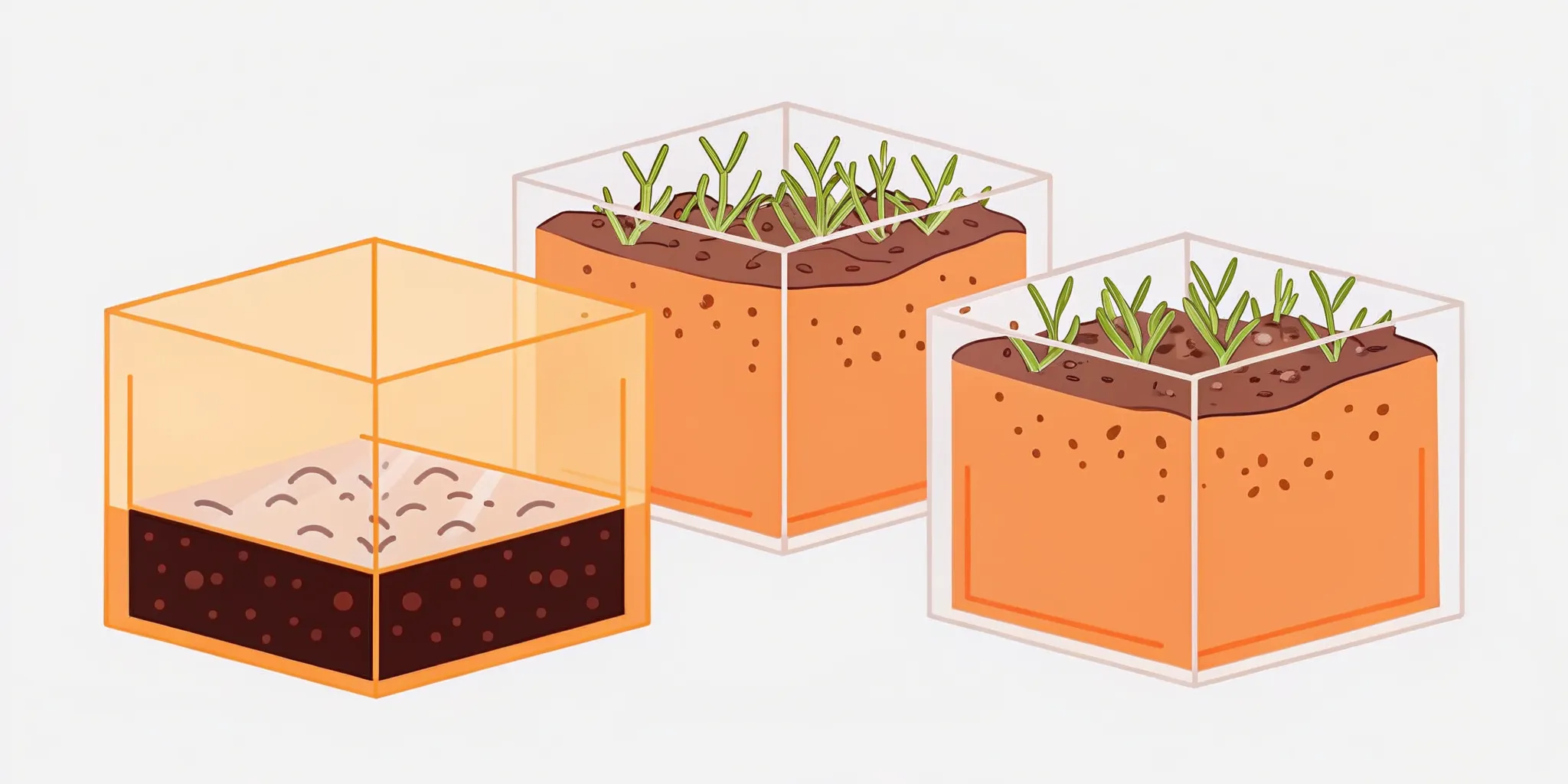
Viewing topsoil as just another expense is a missed opportunity. Instead, think of it as a long-term investment in the health and beauty of your property. Premium topsoil creates a foundation that helps your plants thrive, reduces the need for fertilizers, and improves water retention, saving you time and money down the road. The price tag often reflects this value. So when you ask, how much is a cubic yard of topsoil, you’re also asking what kind of results you can expect. We’ll explain what makes high-quality topsoil worth the price and how investing in a better foundation leads to a more sustainable and vibrant landscape.
Key Takeaways
- Understand what you're paying for: Topsoil prices are based on quality, whether it's screened, and delivery distance. Choosing a premium, certified soil is an investment that pays off with healthier plants and fewer amendments needed down the road.
- Get your measurements right: To avoid over or under-ordering, measure your project area's length and width, decide on your desired soil depth, and use an online volume calculator. Remember to add about 10% extra to account for natural settling.
- Buy in bulk to save money: For most landscaping projects, ordering bulk topsoil from a specialty supplier is far more economical than buying individual bags. You can save even more by bundling your soil with other materials like mulch or compost to pay only one delivery fee.
How Much Does a Cubic Yard of Topsoil Cost?
Figuring out your budget for a landscaping project starts with understanding the cost of your materials, and topsoil is often at the top of the list. While the price can seem all over the map, there are some general numbers that can help you plan. The final cost of a cubic yard of topsoil depends on its quality, where you live, and how you get it to your home. Let's break down what you can expect to pay.
National Averages
If you're looking for a ballpark figure, the national average for a cubic yard of topsoil is about $20, with most projects falling somewhere between $15 and $30 per yard. You'll often see topsoil sold in bags at home improvement stores for $2 to $5 each, but buying in bulk is almost always more economical. When you purchase bulk bags, the price can range from $10 to $50 per cubic yard. For a typical residential project, most people spend between $262 and $1,015 total. Think of these numbers as a starting point before you factor in local prices.
How Location Affects Price
Your geographic location plays a huge role in what you'll pay for topsoil. The main reason for this is delivery. The farther you are from a supplier, the more it will cost to transport heavy materials like soil. Delivered topsoil can range anywhere from $20 to $120 per cubic yard, depending on the quality and the travel distance. This is why finding a reputable local supplier is so important for keeping your project on budget. Before you order, it's a good idea to check the company's delivery service area to make sure you're covered and to understand their fee structure.
What Factors Influence Topsoil Prices?
When you start shopping for topsoil, you’ll quickly notice that prices can vary quite a bit. It’s not just about finding the cheapest option; it’s about understanding what you’re paying for. The final cost of a cubic yard of topsoil depends on several key factors, from the soil’s nutrient content to how it gets to your driveway. Knowing what goes into the price tag helps you choose the right product for your project and your budget, ensuring you get the best value for your investment. Think of it like buying ingredients for a recipe, the better the quality, the better the final result. Let's break down the main elements that shape the cost of topsoil.
Quality and Composition
The quality of topsoil is the single most important factor influencing its price. Premium topsoil, rich in organic matter and essential nutrients, will naturally cost more than soil that's mostly filler. High-quality soil provides a better foundation for your plants, leading to healthier lawns, more vibrant gardens, and stronger root systems. When you buy topsoil, you're paying for its composition: a balanced mix of sand, silt, and clay, plus decomposed organic material. Cheaper options might contain unwanted debris, weed seeds, or have a poor texture, which can create more work for you down the road. Investing in nutrient-rich soil from the start saves you time and money on fertilizers and amendments later.
Screening and Processing
Have you ever seen the term "screened topsoil"? This means the soil has been passed through a mesh screen to remove rocks, roots, clumps, and other large debris. This extra processing step creates a fine, uniform texture that’s perfect for planting new lawns, top-dressing existing ones, or filling garden beds. Because it requires specialized equipment and labor, screened topsoil is more expensive than unscreened or "fill" dirt. While unscreened soil can work for large-scale projects where you’re just trying to build up an area, for most home landscaping and gardening, the smooth, easy-to-work-with consistency of screened topsoil is well worth the added cost.
Your Location and Delivery Costs
Where you live plays a big role in the final price you'll pay for topsoil. The further you are from the supplier, the higher the delivery fee will be. Hauling heavy materials like soil requires large trucks and fuel, so distance is a major cost consideration. Most suppliers have a set delivery service area with tiered pricing based on zones or mileage. Before you place an order, be sure to get a clear quote that includes the delivery fee. This will help you avoid any surprises and accurately budget for your project. Sometimes, the cost of delivery can be nearly as much as the soil itself, especially for smaller orders.
Time of Year
Just like with many other goods, the price of topsoil can be affected by supply and demand, which often changes with the seasons. Spring is the peak season for gardening and landscaping, so demand for topsoil skyrockets. This high demand can sometimes lead to higher prices or longer wait times for delivery. In contrast, you might find better pricing during the off-season in late fall or winter. While you can’t always time your project for the off-season, being aware of these seasonal trends can help you plan ahead. If you know you have a big project coming up in the spring, it might be worth ordering your materials a little earlier.
Comparing Topsoil Types and Costs
Not all topsoil is the same, and the price tag often reflects what’s inside the soil and how it has been processed. Understanding the different types available is the first step to choosing the right material for your project and budget. From raw, earthy fill to nutrient-rich blends, each option has a specific purpose. Let’s break down the most common types of topsoil so you can find the perfect match for your lawn or garden.
Unscreened Topsoil
Think of unscreened topsoil as soil in its most natural state. It’s dug directly from the ground and hasn’t been filtered, so it contains a mix of soil, small rocks, roots, and other organic debris. Because it requires minimal processing, it’s the most budget-friendly option, typically costing between $10 and $28 per cubic yard. While you wouldn’t want to use it for planting a delicate flower bed, it’s perfect for projects where you just need to add volume. Use it to fill in deep holes, level out a large, uneven area, or create a foundational base for a new landscape feature.
Screened Topsoil
If your project requires a smoother, more uniform material, screened topsoil is your best bet. This soil has been passed through a mesh screen to remove rocks, sticks, clumps, and other debris, leaving behind a fine, consistent texture. This makes it much easier to work with and provides an ideal environment for new seeds and roots to grow. It’s a great choice for top-dressing your lawn, starting a new garden, or filling raised beds. Given the extra processing, screened topsoil delivery generally costs between $20 and $40 per cubic yard, but the quality makes it well worth it for most gardening and lawn care applications.
Organic Planting Soil
For anyone serious about growing healthy vegetables or vibrant flowers, organic planting soil is a game-changer. This isn't just topsoil; it's a rich blend specifically designed to nourish plants. It usually starts with screened topsoil and is amended with nutrient-dense organic matter like compost or aged manure. This enriches the soil, improves its structure, and helps it retain moisture, giving your plants everything they need to thrive. It’s the perfect choice for vegetable gardens and raised beds. You can expect to pay between $30 and $50 per cubic yard for these premium soil products.
Landscape Mixes and Specialty Blends
Sometimes, a standard topsoil just won’t cut it. Landscape mixes are custom-formulated soils created to meet specific needs. For example, a blend with a higher percentage of sand (around 50%) is designed to improve drainage, making it perfect for planting trees and shrubs that don’t like to have "wet feet." Other specialty blends might be formulated for acid-loving plants or for use in rain gardens. These engineered soils solve specific problems and help ensure your landscaping projects are successful. Prices for these landscape supplies typically range from $25 to $42 per cubic yard.
Premium Compost-Enriched Topsoil
This is the gold standard for creating a healthy, sustainable, and productive landscape. Premium compost-enriched topsoil is an investment in your property’s long-term soil health. By blending high-quality, fully matured compost into topsoil, you create a living soil that is teeming with beneficial microbes. This improves soil structure, dramatically increases water retention, prevents erosion, and provides a slow release of essential nutrients to your plants. Companies that operate permitted facilities to create their own compost can ensure a consistent, high-quality product. While it’s a premium option, the benefits often reduce the need for fertilizers and extra watering down the line.
How Much Topsoil Do You Actually Need?
Figuring out the right amount of topsoil for your project can feel like a tricky math problem, but it’s simpler than you think. Ordering the correct volume from the start saves you time, money, and the headache of running out halfway through your project. Getting it right means you won’t overspend on soil you don’t need or have to place a second delivery order. Let’s walk through the four simple steps to calculate exactly how much topsoil you need to bring your landscape vision to life.
Measure Your Space
First things first, grab a tape measure. You need to determine the size of the area you want to cover. Measure the length and width of your garden bed, lawn patch, or other project space in feet. To get the square footage, simply multiply the length by the width. For example, a garden bed that is 10 feet long and 5 feet wide has a surface area of 50 square feet (10 x 5 = 50). If you have an irregularly shaped area, break it down into smaller rectangles or squares, calculate the area for each, and add them together. This number is the foundation for figuring out your total soil needs.
Decide on the Right Depth
Next, decide how deep you want your topsoil to be. This depends entirely on your project. If you’re starting a new vegetable garden, you’ll want a generous depth of at least 8 to 12 inches to give roots plenty of room to grow. For seeding a new lawn, 4 to 6 inches is a good target. If you’re just top-dressing an existing lawn, a light layer of 1 to 2 inches will do. As a helpful reference, one cubic yard of topsoil can cover about 81 square feet at a 4-inch depth. Knowing your desired depth is key to getting an accurate final calculation.
Use a Volume Calculator
Once you have your square footage and desired depth, you can skip the complicated manual calculations. The easiest and most accurate way to determine your needs is to use an online tool. A good volume calculator does the heavy lifting for you. You just need to plug in your three measurements: length, width, and depth. The calculator will instantly tell you how many cubic yards of topsoil to order. This removes all the guesswork and ensures you’re ordering the precise amount for your project, preventing any last-minute shortages or wasteful surpluses.
Plan for Settling and Compaction
Freshly delivered topsoil is typically loose and airy. Over time, with watering and natural gravity, it will settle and compact. To avoid your new garden beds looking a little low after a few weeks, it’s a smart idea to plan for this. A good rule of thumb is to order about 10% extra to account for settling. This ensures that once the soil settles, your beds will still be at the perfect height. Think of it as an investment in the long-term health and appearance of your landscape, ensuring you have a rich foundation for your plants and seed to thrive in for years to come.
Where Should You Buy Topsoil?
Okay, you’ve figured out how much topsoil you need, but where do you actually get it? The source of your soil is just as important as the type you choose. Think of it like buying produce: you can get it from a lot of places, but the quality, price, and experience will vary. You have a few main options, each with its own pros and cons. You can go with a certified supplier that specializes in high-quality landscape materials, a local landscape company that knows the area, or a big-box home improvement store. Many suppliers also offer online ordering, which adds another layer of convenience.
Choosing the right place depends on your project's size, your budget, and how much quality matters to you. For a large garden bed or a new lawn, the quality and composition of your topsoil will make a huge difference in your results. For a small patch job, convenience might be your top priority. We’ll walk through each option so you can feel confident about where you spend your money and find the best landscape supplies for your yard.
High-Quality, Certified Suppliers
When your project's success hinges on the quality of your soil, a certified supplier is your best bet. These are the specialists who live and breathe soil science. They often operate under strict guidelines from state environmental agencies, like our NYSDEC-permitted facilities. This certification isn't just a piece of paper; it means the soil is processed correctly, free of contaminants, and consistent in quality. While the price might be slightly higher, as Angi notes that topsoil costs can reflect quality, you’re paying for peace of mind. You know you're getting a reliable product that will actually benefit your plants and lawn, not introduce new problems.
Local Landscape Companies
There’s a lot to be said for buying local. Local landscape companies and soil suppliers often have a deep understanding of the region’s specific soil needs. They can provide personalized advice and offer products tailored to the local environment. Plus, you’re supporting a business in your community. As Farrell's Landscaping points out, bulk delivery costs can vary, which gives you the flexibility to find a local option that fits your budget. When you search for topsoil delivery near me, you’re not just finding a product; you’re finding a local partner who can help your landscape thrive and who understands the logistics of getting materials to your home.
Big-Box Stores vs. Specialty Suppliers
The big-box store is perfect when you just need a bag or two of topsoil to fill a pot. It’s convenient and easy. However, when you’re tackling a larger project, the math changes. According to Lawn Love, buying topsoil by the bag is much more expensive than buying it in bulk. A specialty supplier is built for those bigger jobs. We can deliver a precise amount of high-quality, screened topsoil right to your driveway, often for a lower price per cubic yard. You also get access to a wider variety of soil and compost blends and expert advice that you just won’t find in a retail aisle.
Online Ordering and Delivery
In a world where you can get almost anything delivered, topsoil is no exception. Ordering online offers incredible convenience, but it pays to be a savvy shopper. As MSN wisely points out, it's a mistake to assume all topsoil is created equal. Before you click "buy," make sure you understand what you're getting. A reputable online supplier will provide detailed descriptions of their products. Look for information on composition, screening, and intended use. A transparent and reliable delivery process is also key. The best suppliers combine the ease of online ordering with the quality and expertise of a specialty landscape company.
What Goes Into Delivery Costs?
The price tag on topsoil is just one piece of the puzzle. When you're planning your budget, it's essential to account for delivery, which can significantly impact your total cost. Getting that rich, nutrient-dense soil from the supplier to your yard involves logistics, fuel, and labor. Understanding these factors helps you see the full picture and avoid any surprises when the final bill arrives. Let's break down what you're actually paying for when you schedule a topsoil delivery.
Delivery Fees and Distance
It makes sense that the farther you are from a supplier, the more delivery will cost. Most companies calculate their fees based on mileage and the time it takes to get to your location. These fees typically range from $80 to $170, depending on how far the truck has to travel. Accessibility also plays a role. If your home has a narrow driveway or is difficult to reach, it might require a smaller truck or more maneuvering, which can add to the cost. Before placing an order, it’s a good idea to check the company’s delivery service area to confirm they can reach you and to get a clear quote on the fee.
Minimum Order Size
When you buy in bulk, suppliers often have a minimum order requirement. This is usually because sending out a large truck for a very small amount of soil isn't cost-effective for them. Minimums can range from one to five cubic yards, so it’s always best to ask ahead of time. This policy actually benefits customers working on larger projects, as it ensures you’re getting the most value out of the delivery fee. If you only need a small amount, you might consider their bulk bags, which can be a great middle ground. Planning your project to meet the minimum ensures you get the best price per yard.
Extra Services and Equipment
Standard delivery means the truck will drop your topsoil in a single, accessible pile on your property, usually on the driveway. If you need more than that, it will likely cost extra. Some companies offer services like spreading the topsoil for you, which can run between $60 and $125 per hour. This can be a huge time-saver for big projects, but it's an added expense to factor into your budget. Always clarify what’s included in the standard delivery information and ask for a quote if you need additional services. This way, you know exactly what to expect on delivery day.
Bulk vs. Bagged Pricing
Buying topsoil by the bag from a big-box store might seem convenient for a tiny project, but it's incredibly expensive for anything larger. You could pay between $68 and $170 per cubic yard for bagged soil. In contrast, bulk topsoil typically costs just $10 to $50 per cubic yard. The huge price difference comes from the extra costs of packaging, shipping smaller units, and retail markup. For any project that requires more than a few wheelbarrows of soil, ordering a topsoil delivery near you is by far the more economical choice. You get higher-quality soil for a fraction of the price.
Avoid These Common Topsoil Buying Mistakes
Buying topsoil might seem straightforward, but a few common slip-ups can turn your weekend project into a real headache. The right soil is the foundation of a healthy lawn and a thriving garden, so it pays to get it right from the start. By avoiding these frequent mistakes, you can save yourself time, money, and the frustration of a project that doesn't quite pan out. Let’s walk through what to watch out for so you can order with confidence and get the beautiful results you’re looking for.
Assuming All Topsoil Is the Same
It’s easy to think that all dirt is created equal, but that’s one of the biggest misconceptions. The generic "topsoil" you find might be fine for filling a hole, but it won't do much for your vegetable garden. Different projects require different soil compositions. For instance, topsoil has a very different purpose compared to a nutrient-rich garden blend designed for growing plants. Before you buy, think about your goal. Are you patching a lawn, building raised beds, or improving drainage? Each scenario calls for a specific type of soil or compost to ensure your plants get exactly what they need to flourish.
Choosing Price Over Quality
We all love a good deal, but when it comes to topsoil, the cheapest option is rarely the best. Low-quality soil can be a major landscaping mistake, setting your project back before it even begins. Bargain-bin dirt is often filled with clay, rocks, construction debris, or persistent weed seeds. It might also lack the essential organic matter and nutrients your plants need. Investing in poor soil means you’ll likely spend more money and effort later on trying to fix it with amendments and fertilizers. Starting with high-quality, certified topsoil from a reputable supplier is an investment in the long-term health and success of your landscape.
Getting Your Measurements Wrong
There’s nothing more frustrating than realizing you’re a half-cubic-yard short of finishing your project. Underestimating your material needs is a classic mistake that leads to project delays and often a second delivery fee. On the flip side, ordering way too much leaves you with a pile of dirt you have to figure out what to do with. To avoid this, take the time to measure your space carefully. Get the length, width, and desired depth of your garden bed or lawn area. Then, use an online volume calculator to get an accurate estimate. It’s a simple step that takes the guesswork out of ordering.
Forgetting About Soil Health
Beyond just getting the right amount, it’s crucial to consider the actual health of the soil you’re buying. Healthy topsoil should be dark, crumbly, and have a rich, earthy smell. It shouldn't be overly sandy or dense with clay. A key indicator of quality is a balanced pH, typically between 5.5 and 7.5, which allows plants to access available nutrients. Don’t be afraid to ask a supplier about the composition of their soil. A good provider will know where their soil comes from and what’s in it, ensuring you’re getting a product full of the organic matter your plants will love. This focus on quality is what makes your landscape supplies work for you.
How to Save Money on Topsoil
Getting quality topsoil doesn't have to break the bank. With a little planning, you can get the materials you need for your project while keeping your budget in check. A few smart strategies can lead to significant savings, especially when you're working on a larger scale. From timing your purchase to thinking about logistics, here are a few practical ways to save money on your next topsoil order.
Buy in Bulk
If your project requires more than just a few bags of soil, buying in bulk is almost always the most cost-effective option. While grabbing a bag from a big-box store is convenient for filling a single planter, the cost adds up quickly. Bagged topsoil can run anywhere from $68 to $170 per cubic yard. In contrast, buying loose topsoil by the cubic yard can drop that price to between $10 and $50. For gardens, lawn repairs, or leveling projects, purchasing bulk bags or loose soil delivered by the truckload will give you the best value for your money.
Time Your Purchase Right
Like many home and garden supplies, topsoil prices can fluctuate with the seasons. Spring is peak gardening season, and the high demand can sometimes lead to higher prices. If you have the space to store it and can plan ahead, consider buying your topsoil in the late fall or winter. Landscaping suppliers are often less busy during these off-seasons, and you might find better pricing. Planning your purchase when demand is lower is a simple way to stretch your budget without compromising on the quality of your materials.
Compare Pickup vs. Delivery
At first glance, picking up the topsoil yourself might seem like a way to save on delivery fees. However, it’s important to consider the hidden costs. Do you have a truck or trailer that can handle the weight? A single cubic yard of topsoil can weigh over 2,000 pounds. You also have to factor in your time, fuel, and the physical effort of loading and unloading. For anything more than a small amount, a professional delivery service is often more efficient and can be surprisingly affordable, saving you a lot of hassle.
Combine Orders with Other Materials
If your project involves more than just topsoil, bundling your purchases can be a great money-saver. Most suppliers charge a flat delivery fee per trip. By ordering your topsoil along with any mulch, compost, sand, or gravel you need, you’ll only pay that fee once. Take a moment to plan out all the landscape supplies you’ll need for your project and place a single order. This not only cuts down on delivery costs but also ensures you have everything you need on-site at the same time, making your project run that much smoother.
What Makes Premium Topsoil Worth the Price?
When you’re looking at a pile of dirt, it can be tempting to go with the cheapest option. But not all topsoil is created equal, and the price often reflects what’s going on beneath the surface. Investing in premium topsoil is about more than just buying soil; it’s about investing in the long-term health and beauty of your lawn and garden. High-quality topsoil provides a foundation rich in nutrients and organic matter, which means healthier plants, better water retention, and less work for you down the road.
Think of it this way: you wouldn't build a house on a shaky foundation. The same principle applies to your landscape. Starting with nutrient-poor, compacted, or debris-filled soil will only lead to frustration and lackluster results. Paying a bit more upfront for a certified, well-balanced product saves you money on fertilizers and amendments later and gives your plants the best possible start. It’s the difference between a garden that struggles and one that thrives. Let’s break down the key features that make premium topsoil a smart investment.
Official Certifications (like NYSDEC)
When a supplier has official certifications, it’s a sign that they meet strict quality and environmental standards. For example, Organic Recycling operates NYSDEC-permitted compost sites, which means our process is regulated to ensure we produce a safe, consistent, and high-quality product. These certifications aren't just paperwork; they are your assurance that the topsoil is free from harmful contaminants and has been processed responsibly. Your garden plants are constantly using up nutrients, so starting with a certified product ensures you’re giving them a rich, clean foundation to draw from.
Soil Testing and Nutrient Reports
You shouldn’t have to guess what’s in your topsoil. Reputable suppliers regularly test their products to verify the nutrient content, pH level, and composition. While it's a good idea to test your current soil to understand its specific needs, buying from a supplier who provides tested topsoil gives you a reliable starting point. This scientific approach ensures the soil you’re buying will actually support plant life and correct any deficiencies in your existing yard. It takes the guesswork out of gardening and helps you choose the perfect blend for your project’s needs.
Rich Organic Matter and Balanced pH
Great topsoil has a distinct look and feel. It should be dark and crumbly, with a rich, earthy smell. This comes from a high concentration of organic matter, which is essential for holding moisture, providing nutrients, and creating a structure that allows plant roots to thrive. The pH level is also critical. Most plants prefer a pH between 5.5 and 7.5, and premium topsoil is balanced to fall within this ideal range. This balance makes nutrients readily available to your plants, promoting vigorous growth. When you invest in high-quality soil, you’re getting a product engineered for success.
Consistent, Well-Screened Texture
Screening is the process of sifting soil to remove rocks, roots, clumps of clay, and other debris. A premium topsoil will have a consistent, well-screened texture that is fine and easy to work with. This is a huge time-saver. You won’t have to spend hours picking rocks out of your new garden bed or struggling to rake out a lumpy lawn patch. This uniform consistency also ensures even water distribution and gives plant roots an unobstructed path to grow. Having good topsoil means you can focus on planting and enjoying your garden, not fighting with your materials.
Using Topsoil for a Sustainable Landscape
When you invest in high-quality topsoil, you're doing more than just buying dirt. You're laying the groundwork for a healthy, resilient, and sustainable landscape that thrives for years. Good topsoil is teeming with the organic matter and microorganisms that plants need to flourish, creating an environment that works with nature, not against it. This approach means your lawn and gardens will be more self-sufficient, requiring less water, fewer fertilizers, and less overall intervention from you.
Using topsoil correctly helps you build a landscape from the ground up. It improves soil structure, enhances water retention, and provides essential nutrients, all of which contribute to a greener, more vibrant outdoor space. Whether you're starting a new garden from scratch, repairing a patchy lawn, or trying to manage water runoff on a slope, topsoil is a fundamental tool. It’s the key to creating a beautiful yard that is also environmentally friendly, supporting local ecosystems and reducing your landscape’s footprint. By choosing the right landscape supplies, you set your project up for long-term success.
Control Erosion and Manage Water
If you have sloped areas in your yard or deal with heavy rains, you’ve probably seen erosion in action. Water runoff can wash away precious soil, leaving you with bare patches and gullies. A healthy layer of topsoil is your first line of defense. Its rich, porous structure acts like a sponge, absorbing rainfall and allowing it to soak into the ground instead of running off the surface. This not only conserves water for your plants but also anchors their roots firmly in place, holding the soil together. By limiting stormwater runoff, you can effectively prevent soil erosion and keep your landscape intact.
Build Garden Beds and Repair Your Lawn
Topsoil is the perfect foundation for almost any planting project. When building new raised garden beds or flower beds, filling them with nutrient-rich topsoil gives your plants the best possible start. It provides the structure and food they need to establish strong roots and grow vigorously. Topsoil is also ideal for lawn maintenance. You can use it to level uneven areas or fill in bare spots before spreading new seed. A thin layer raked over a struggling lawn, a practice known as topdressing, can introduce fresh nutrients and organic matter, revitalizing tired grass and encouraging thicker, healthier growth.
Mix with Organic Amendments
While quality topsoil is a fantastic starting point, you can customize it to perfectly suit your plants' needs by mixing in organic amendments. Think of it as creating a custom soil recipe. Adding compost is one of the best things you can do to enhance soil structure, fertility, and moisture retention. For example, a great all-purpose mix for a garden bed might be two parts topsoil to one part compost. This combination creates a balanced, nutrient-dense environment for vegetables and flowers. You can find a variety of high-quality soil and compost products to create the perfect blend for your project.
Invest in Long-Term Soil Health
Creating a sustainable landscape is about playing the long game. Instead of relying on quick fixes from chemical fertilizers, focus on building healthy soil over time. Regularly adding organic matter, like a topdressing of compost each season, feeds the beneficial microorganisms in the soil. This creates a thriving underground ecosystem that naturally cycles nutrients, improves soil structure, and helps plants resist pests and diseases. This long-term investment means less work for you down the road and a garden that becomes more resilient and self-sustaining each year. It’s a practice that reflects a commitment to sustainable practices and environmental stewardship.
Related Articles
- Garden Soil Delivery: 5 Things to Know Before You Buy
- Bulk Topsoil Delivery: A Complete Buyer's Guide
- The Right Topsoil for Raised Beds: A Simple Guide
- Topsoil Delivery Near Me
Frequently Asked Questions
Is screened topsoil really worth the extra cost? For most home projects, absolutely. Think of unscreened soil as a rough draft; it's great for filling large holes but comes with rocks, roots, and clumps. Screened topsoil is the polished final version. It's smooth and uniform, which makes it much easier to spread, rake, and plant in. This saves you a ton of physical labor and creates a better environment for new seeds and delicate roots to grow.
How can I tell if I'm buying high-quality topsoil? Quality topsoil has a few key giveaways. It should be dark and rich in color, feel crumbly and loose in your hands (not sandy or clumpy like clay), and have a pleasant, earthy smell. A reputable supplier will also be transparent about their product, often providing information on its composition, pH balance, and any certifications they hold, like being a NYSDEC-permitted facility.
Why is buying topsoil in bulk so much cheaper than buying individual bags? The price difference comes down to packaging and handling. When you buy bagged soil, you're paying for the plastic bag itself, the labor to fill and seal it, and the costs of shipping and stocking it on a retail shelf. Buying in bulk cuts out all those extra steps. You're paying for the soil itself, which makes it a far more economical choice for any project larger than filling a few small pots.
What's the difference between topsoil and compost, and do I need both? Think of topsoil as the foundation and compost as a powerful supplement. Topsoil provides the mineral-based structure (sand, silt, and clay) that plants need to anchor their roots. Compost is purely decomposed organic matter, which acts like a superfood, adding rich nutrients and beneficial microbes to the soil. For the best results in a garden bed, mixing the two together gives your plants the ideal combination of structure and nutrition.
I only need a small amount of topsoil. Is delivery still a good option? It can be, especially if you need more than a few wheelbarrows full. While loose delivery often has a minimum order size, many suppliers offer a great middle ground with bulk bags. These are large, sturdy bags typically holding about one cubic yard of soil. They can be delivered and placed exactly where you need them, giving you the quality of bulk soil without needing to order a full truckload.