
The Smart Buyer's Guide to Topsoil by the Cubic Yard
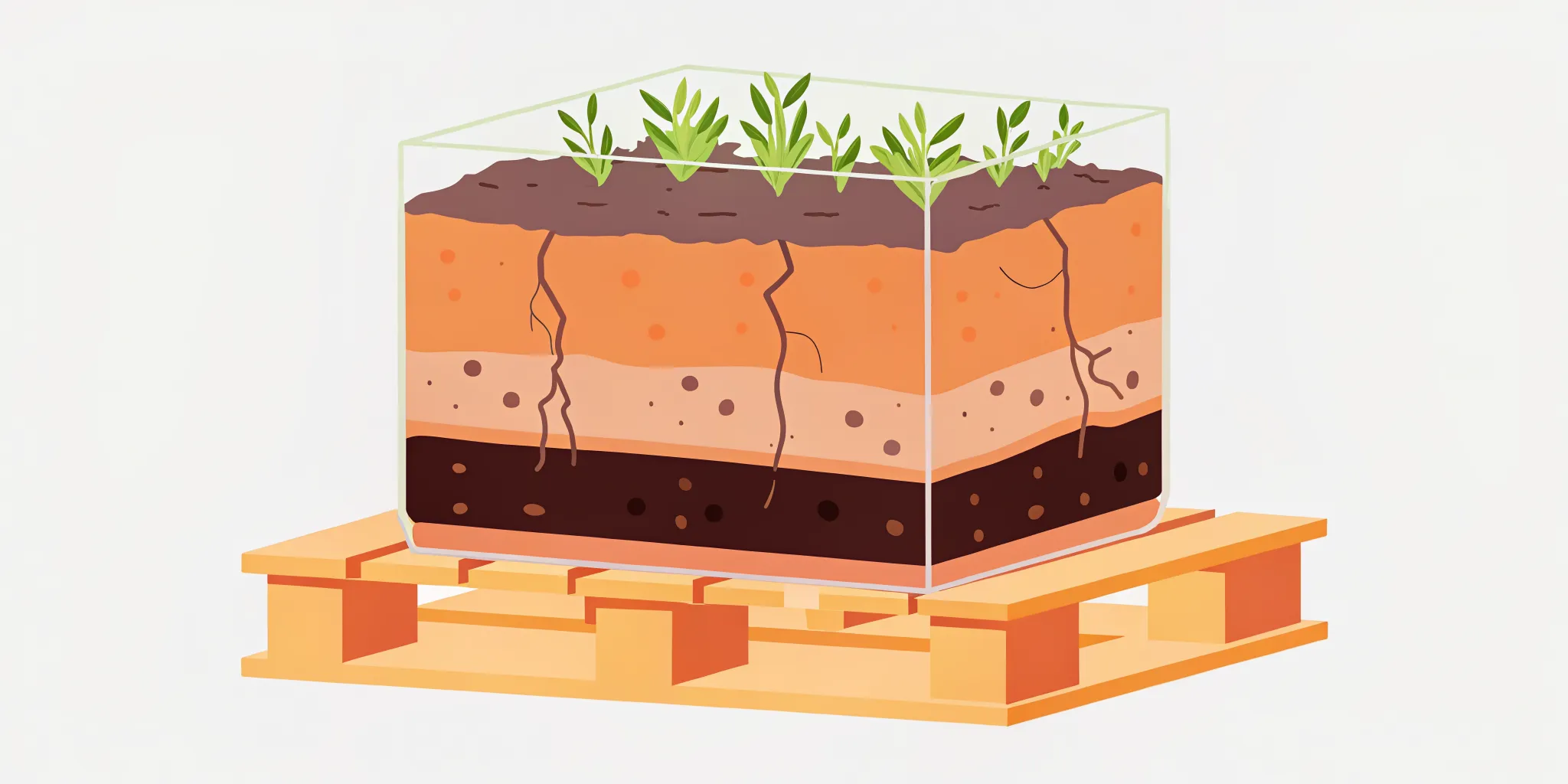
If your landscaping plans are bigger than filling a few flower pots, it’s time to graduate from the endless plastic bags at the big-box store. For any sizable project, bulk delivery is the smarter, more economical, and environmentally friendly choice. This is where you’ll need to get familiar with ordering topsoil by the cubic yard. It’s the industry standard for a reason: it saves you money, reduces waste, and delivers consistent, high-quality soil right to your driveway. This guide will walk you through making the switch, showing you how to calculate your needs and find a reliable supplier for a hassle-free project.
Key Takeaways
- Focus on quality, not just price: The best topsoil is an investment in your landscape's health. Look for dark, rich soil that crumbles easily and ask suppliers for certifications, like a NYSDEC permit, which signals a clean, high-quality product.
- Calculate your needs to order correctly: Match the soil type and depth to your project, whether it's a garden or lawn. Using a volume calculator ensures you order the right amount of cubic yards, preventing waste or project delays.
- Buy in bulk from a landscape supplier: For any project larger than a few pots, purchasing topsoil by the cubic yard is more economical and ensures product consistency. A single delivery from a specialized supplier saves you time and effort.
What Is a Cubic Yard of Topsoil?
When you’re planning a landscaping project, you’ll quickly run into the term “cubic yard.” It’s the standard unit of measurement for bulk materials, but what does it actually mean for your garden or lawn? Understanding this simple concept is the first step to ordering the right amount of topsoil and avoiding costly mistakes. Getting a handle on the lingo helps you plan your project with confidence and ensures you get exactly what you need without overspending on materials or multiple deliveries.
What Is a Cubic Yard?
A cubic yard is a measurement of volume, not weight. The easiest way to picture it is to imagine a cube that is one yard long, one yard wide, and one yard deep (that’s 3 feet x 3 feet x 3 feet). This space, filled with topsoil, is one cubic yard. It’s the industry standard for selling bulk landscaping materials like soil, mulch, and compost because it’s a consistent and easy-to-visualize quantity. If you're trying to figure out how much material your project requires, our handy volume calculator can do the math for you. Just plug in your measurements to see exactly how many cubic yards you’ll need.
Why Buy Topsoil by the Cubic Yard?
Buying topsoil by the cubic yard is the most practical and economical choice for any project larger than filling a few small pots. When you purchase in bulk, you get a much better price per yard compared to buying dozens of individual plastic bags from a big-box store. It also allows for precise planning, ensuring you have enough topsoil to complete your entire project at once, whether you're establishing a new lawn or building raised garden beds. With a single bulk delivery, you can get all the material you need dropped right at your project site, saving you time, money, and the hassle of multiple trips to the store. A professional topsoil delivery makes big projects feel much more manageable.
What Types of Topsoil Can You Buy?
When you start shopping for topsoil, you’ll quickly realize there isn’t just one type. The best choice depends entirely on your project. Are you seeding a new lawn, building a vegetable garden, or leveling a patchy area? Each job has an ideal soil to match. Understanding the main categories will help you select a topsoil that sets your project up for success from the ground up. Think of it like baking: you wouldn't use bread flour for a delicate cake, and the same principle applies to your yard. Using the wrong soil can lead to poor drainage, nutrient deficiencies, and lackluster results, which is a frustrating outcome after all your hard work.
Making the right choice means your garden will flourish, your new lawn will grow in thick and green, and your landscaping will look professional. The key is to understand what goes into the soil you're buying. Some topsoil is simply screened native dirt, which is great for certain applications. Other types are carefully crafted blends, mixed with rich organic materials like compost to create a powerhouse growing medium. Knowing the difference between these options is the first step toward becoming a savvy buyer. This guide will walk you through the most common types of topsoil you can buy, from general-purpose screened soil to nutrient-packed organic blends. We'll break down what each one is, what it's best for, and how to choose the perfect foundation for your next outdoor project.
Screened Topsoil
Screened topsoil is a fantastic all-rounder that has been sifted through a mesh screen to remove rocks, roots, sticks, and large clumps of dirt. This process results in a fine, uniform texture that’s incredibly easy to work with. Because it’s so smooth and consistent, screened topsoil is the perfect choice for establishing new lawns from seed or for topdressing an existing lawn to even out bumps. Its fine consistency ensures your grass seed has excellent contact with the soil, which is crucial for germination. It’s also great for preparing new garden beds where you want a clean, easy-to-rake starting point.
Organic Blended Topsoil
Think of organic blended topsoil as regular topsoil with a nutritional boost. This type is amended, or mixed, with rich organic matter like compost. Adding these materials does two wonderful things: it infuses the soil with essential nutrients that feed your plants over time, and it improves the soil’s ability to retain moisture. That means healthier plants and less time spent watering. This enriched blend provides an ideal environment for vegetable gardens, flower beds, and any planting project where you want to give your plants a strong, healthy start. You can find a variety of high-quality soil and compost products designed for this purpose.
Compost-Enriched Topsoil
If you’re looking for a superior growing medium, compost-enriched topsoil is the answer. This is a premium product where topsoil is carefully blended with a high percentage of mature, high-quality compost. The goal is to create the perfect soil structure: one that holds onto water and nutrients while still allowing for proper drainage so roots don’t get waterlogged. Because we operate our own NYSDEC-permitted compost sites, we can ensure the compost we use is rich and full of life. This type of topsoil is ideal for demanding applications like organic vegetable gardening or creating flower beds for nutrient-hungry plants.
Sandy Loam and Clay-Based Topsoil
At its core, all topsoil is a mixture of three mineral particles: sand, silt, and clay. The ideal mixture for most gardening and landscaping projects is called “loam,” which has a balanced combination of all three. This balance is key because it provides the best of all worlds. Sand particles create air pockets for good drainage, while smaller clay and silt particles are excellent at holding onto moisture and nutrients. A high-quality, all-purpose topsoil delivery will typically be a well-balanced sandy loam, making it versatile enough for lawns, gardens, and general landscaping.
How Much Does Topsoil Cost Per Cubic Yard?
Let's talk numbers. Budgeting for your landscaping project is a huge part of the planning process, and the cost of topsoil is a major line item. While it’s tempting to just look for the cheapest option, remember that high-quality topsoil is an investment in the health and beauty of your lawn and garden. Prices can vary quite a bit based on the type of soil, its quality, and where you buy it, so having a clear idea of the average cost helps you plan effectively.
Think of it like buying ingredients for a special meal. You can get the budget version, or you can spend a little more for premium ingredients that guarantee a better result. The same is true for topsoil. The cheapest "dirt" might be full of clay, rocks, and weeds, which will only cause headaches later. Investing in good soil from the start saves you time, money, and frustration in the long run. Understanding what goes into the price will help you find the best value for your project, ensuring you get lush, healthy results without overspending. In the following sections, we'll break down what you can expect to pay and what factors drive the cost.
Average Topsoil Prices
Generally, you can expect to pay between $23 and $50 per cubic yard for standard screened topsoil. Premium blends, like those enriched with compost, might fall on the higher end of that range or cost a bit more. While some suppliers might advertise very low prices, be sure to ask what you're getting. Often, the cheapest options are unscreened or lower in organic matter. For most garden and lawn projects, investing in good quality topsoil that has been properly screened and processed is well worth the cost to ensure your plants have the best foundation to grow.
What Affects the Price of Topsoil?
Not all dirt is created equal, and several factors influence the final price tag. The biggest factor is quality. Screened topsoil, which has been filtered to remove rocks, roots, and clumps, costs more than unscreened soil because of the extra labor involved. The composition also matters. A nutrient-rich blend with high organic content will be more expensive than a basic fill dirt. Because we operate our own NYSDEC-permitted compost sites, we can create high-quality soil with consistent, nutrient-rich organic matter that helps your plants thrive. This control over the production process ensures you get a premium product every time.
How to Save with Bulk Orders
Buying topsoil in bulk is almost always more cost-effective than buying it by the bag from a big-box store. While the initial cost is higher, the price per cubic yard drops significantly when you purchase a larger volume. Before you order, it's a great idea to calculate exactly how much you need to avoid buying too much or too little. Also, remember to factor in delivery fees. Most suppliers charge a flat rate for delivery based on your location, so ordering everything you need at once (topsoil, mulch, compost) is a smart way to save on transportation costs.
How Much Topsoil Do You Need?
Figuring out exactly how much topsoil to order can feel like a tricky math problem, but it's simpler than you think. Getting it right means you won’t have a giant pile of extra soil sitting in your driveway or, even worse, run out halfway through your project. It all comes down to measuring the length and width of your space to find the square footage, then deciding on the right depth for your specific goal. If you want to skip the manual math, our handy volume calculator can do the work for you.
Calculate Topsoil for a New Lawn
When you’re starting a new lawn from seed or sod, you want to give those grassroots the best possible start. A healthy foundation is key to a lush, green carpet of grass. For a new lawn, a layer of topsoil that is 4 to 6 inches deep is the sweet spot. This gives the roots enough space to establish themselves and find the nutrients they need to thrive. To find your total, measure the length and width of the area in feet, multiply them together to get the square footage, and then multiply that by your desired depth (remember to convert inches to feet). This simple calculation ensures you get the right amount with your topsoil delivery.
Calculate Topsoil for Garden Beds
For garden beds, especially if you're growing vegetables or deep-rooted flowers, you’ll want to be a bit more generous with your topsoil. A depth of at least 8 to 12 inches is ideal. This rich, deep layer provides ample room for roots to spread out, anchors your plants securely, and holds plenty of moisture and nutrients. The calculation is the same as for a lawn: multiply the length, width, and depth of your garden bed. If you have a raised bed, this is incredibly easy to measure. This deeper layer of quality soil is one of the best investments you can make for a productive and beautiful garden. You can explore our full range of soils to find the perfect blend for your beds.
Estimate Topsoil for Leveling Projects
Using topsoil to level an uneven yard or fill in low spots is a common project, but it can be the trickiest to estimate. Since the depth will vary from one spot to another, you’ll need to do some averaging. A good rule of thumb is to plan for an average depth of 2 to 4 inches across the entire area you’re working on. Walk around the space and identify the lowest points to get a sense of the average fill you'll need. Once you have your average depth, you can use the standard Length x Width x Depth formula to get a solid estimate. For larger leveling jobs, understanding the delivery process can help you plan where to have the soil dropped for easy spreading.
How to Spot High-Quality Topsoil
Knowing what to look for in topsoil can be the difference between a lush, thriving landscape and a disappointing, weed-filled patch of dirt. Not all topsoil is created equal, and a low price can sometimes hide poor quality. Before you buy, it’s smart to do a little detective work. The best suppliers are transparent about their products and welcome questions. By learning to identify the key characteristics of premium topsoil, you can feel confident that you’re investing in the long-term health of your lawn and garden. It’s not just about buying dirt; it’s about buying the right foundation for your project. Let’s walk through a few simple checks you can perform to ensure you get the good stuff.
Check for Certifications and Soil Tests
A reputable supplier should be able to tell you exactly what’s in their soil. Don't be shy about asking for a soil analysis or test data. This report gives you the hard facts, including the soil's pH, organic matter content, and texture (the mix of sand, silt, and clay). This information helps you match the soil to your project's specific needs. Also, look for suppliers with state or environmental certifications. For example, we operate NYSDEC-permitted facilities, which means our composting and soil production processes meet strict quality and environmental standards. This level of oversight ensures you receive a clean, consistent, and high-quality product free from harmful contaminants.
What Good Topsoil Looks and Feels Like
You can learn a lot about topsoil just by using your senses. High-quality topsoil typically has a dark, rich color, which indicates it’s full of nutrient-rich organic matter. When you pick it up, it should feel moist but not waterlogged, and it should crumble easily in your hand. A slightly gritty feel is a good sign, as it points to a balanced texture that allows for proper drainage and root growth. It should smell earthy and fresh, not sour or foul. If you’re able to see the soil before you buy, take a moment to examine it for these characteristics. You can browse our range of premium soil and compost products to see what this looks like.
Red Flags to Watch For
Just as there are signs of good quality, there are also clear warnings of a bad batch. Be wary of topsoil that contains a lot of rocks, large clumps of clay, thick roots, or visible trash and debris. These are signs of unprocessed or poorly screened soil that will cause problems in your garden. Another red flag is an unusually low price. While everyone loves a deal, dirt-cheap topsoil is often just that: nutrient-poor dirt that won't support healthy plant growth. A foul or chemical smell is another major warning sign. A trustworthy supplier will provide clean, well-screened soil and be upfront about their process and what you can expect upon delivery.
Common Topsoil Buying Mistakes to Avoid
Buying topsoil seems straightforward, but a few common missteps can lead to a disappointing garden or a patchy lawn. The good news is that they are all easy to avoid once you know what to look for. By sidestepping these simple mistakes, you can ensure the soil you buy is the perfect foundation for a healthy, beautiful landscape. Let’s walk through the most frequent errors so you can purchase your topsoil with confidence.
Assuming All Topsoil Is Equal
It’s easy to think that "dirt is dirt," but when it comes to topsoil, that couldn't be further from the truth. Topsoil can vary dramatically in its texture, nutrient content, and amount of organic matter. One supplier’s "premium topsoil" might be another’s basic fill dirt. Assuming all topsoil is the same can leave you with a product that isn't right for your project. Instead, take a moment to understand the different types of soil available and choose one that matches your specific needs, whether you're planting a vegetable garden or seeding a new lawn.
Thinking Good Soil Needs No Prep
Spreading a fresh layer of high-quality topsoil is a fantastic step, but it’s not the only one. A common mistake is believing that good topsoil is a magic fix that requires no extra work. To give your plants the best chance to thrive, you still need to prepare the ground underneath. This might involve tilling the new topsoil into your existing soil to improve drainage and create a transition layer for roots. Think of it as creating a welcoming environment for the roots to grow into. Proper site preparation ensures your investment in quality soil truly pays off with lush, healthy growth.
Using Backyard Dirt Instead of Topsoil
When you’re starting a new garden bed or leveling a low spot, it can be tempting to just shovel some dirt from another part of your yard. However, most backyard dirt lacks the balanced nutrients, ideal structure, and organic matter found in professionally processed topsoil. It’s often compacted and may contain weed seeds or pests. For the best results, it's always better to bring in fresh material. Investing in even a few inches of quality topsoil delivery will give your plants the rich, supportive environment they need to flourish.
Choose the Right Topsoil for Your Project
Picking the right topsoil is one of the most important decisions for your garden or lawn. It’s the foundation for everything that grows. But how do you know which one is right for you? It all comes down to your project's specific needs. The perfect soil for a vegetable patch might not be the best for a new lawn. Let's walk through how to match the soil to your goals.
Garden Soil vs. Lawn Soil
Think about what you’re growing. A vegetable garden is a hungry environment, needing soil packed with nutrients and organic matter to produce a great harvest. This is where a rich garden blend, often mixed with compost, really shines. A new lawn, however, needs a solid foundation for its root system. You’ll want a screened topsoil that holds moisture well and allows for deep root growth without becoming compacted. While any quality topsoil is an improvement, choosing a specialized blend from our list of products gives your project the specific support it needs to flourish.
Consider pH and Drainage
Two factors that can make or break your project are pH and drainage. The soil's pH level determines which nutrients your plants can absorb. Some plants love acidic soil, while others prefer alkaline conditions. Using a soil with the wrong pH can lead to weak plants. Drainage is just as critical. Soil with too much clay holds water and can drown roots, while sandy soil dries out too quickly. A quality topsoil has a balanced texture that retains moisture but also lets excess water drain away. Our NYSDEC-permitted process ensures our soils are balanced and ready to support healthy growth, taking the guesswork out for you.
Match the Soil to Your Plants
The best topsoil is the one that fits your specific plants. Before you buy, think about what you're planting. Are you creating a wildflower meadow that thrives in leaner soil, or are you building raised beds for nutrient-hungry tomatoes? A high-quality topsoil will have the right mix of sand, clay, and organic matter to provide both nutrients and good drainage. Knowing your plants' needs helps you choose the perfect soil. Once you know what you need, you can use a volume calculator to figure out exactly how much to order for your space.
Where to Buy Quality Topsoil by the Cubic Yard
Finding the right place to buy topsoil is just as important as picking the right type of soil. The quality of your supplier directly impacts the quality of your project's foundation. Whether you're starting a new lawn or building garden beds, your choice of supplier can make all the difference between a thriving landscape and a frustrating one. It comes down to knowing what to look for and where to find it.
Why Choose Our NYSDEC-Permitted Topsoil
When you see that a supplier has a state-level permit, it’s a strong signal of quality and accountability. We operate NYSDEC-permitted compost sites, which means our topsoil and compost are produced under strict environmental and quality control standards. This process ensures our soil is free from harmful contaminants and rich in the stable organic matter your plants need to flourish. High-quality topsoil should feel loose and crumble easily in your hand, a texture that shows it’s packed with nutrients. Our certification is your assurance that you’re getting a consistent, premium product every time.
Landscape Suppliers vs. Big-Box Stores
You have two main options for buying topsoil: a large, big-box retail store or a dedicated landscape supplier. While grabbing a few bags from a home improvement store might seem convenient for a small potting project, it’s not ideal for larger landscape needs. Specialized landscape suppliers offer a wider range of high-quality, bulk materials tailored to specific applications. You’ll also find more knowledgeable staff who can answer detailed questions about soil composition and recommend the perfect product for your project, plus the convenience of bulk delivery right to your driveway.
How to Vet Your Supplier
A trustworthy supplier will be transparent about their products. Don't hesitate to ask your supplier about the source of their topsoil and for its test data. This report should give you key details like the soil's pH level, texture, and percentage of organic matter. Knowing this information helps you confirm you're buying soil that truly matches your project's requirements. If a vendor can't provide this data or seems unsure about their product's origin, it’s a red flag. A great supplier is proud of their soil and happy to share what makes it great.
What to Expect on Delivery Day
The day your topsoil arrives is when your project really starts to take shape. Knowing what to expect will help everything go smoothly, from the moment the truck arrives to when you spread the final shovelful. Here’s a quick guide to your delivery day.
The Benefits of Professional Delivery
Getting a mountain of topsoil delivered right to your driveway is a game-changer, and honestly, it's one of the best parts of starting a big project. Instead of wrestling with dozens of plastic bags from a big-box store, you get the exact amount you need dropped off in one go. A professional delivery service saves you time, effort, and a very messy car trunk. Plus, a reliable supplier ensures you’re getting a consistent, high-quality product every time. You don't have to worry about variations between bags or wonder if you bought enough. It’s all about making your project smoother from the start, with clear communication and a product you can trust.
How to Inspect Your Topsoil Delivery
Once that beautiful pile of topsoil arrives, take a moment to give it a quick inspection. You're looking for rich, dark soil that's mostly uniform. It’s normal to see some small organic bits, but you’ll want to watch out for red flags like large rocks, thick roots, weeds, or any trash. Grab a handful; it should feel crumbly and slightly gritty, not sticky like heavy clay or overly sandy. A reputable supplier will be transparent about their product's quality. We operate NYSDEC-permitted facilities, so we're always confident in the soil we produce and can provide details on its composition and pH levels. Don't be shy about asking!
How to Store and Use Your Topsoil
So, your topsoil has been delivered and passed inspection. What's next? If you aren't planning to use it all on the same day, it's a good idea to cover the pile with a tarp. This simple step protects it from heavy rain, which can wash away nutrients and compact the soil, and also keeps airborne weed seeds from making a new home in your fresh soil. When you're ready to get to work, your topsoil can be spread directly onto your lawn area or mixed into your garden beds. High-quality topsoil is designed to improve the existing ground by adding vital organic matter, improving drainage, and helping the soil retain moisture. It’s the perfect foundation for whatever you plan to grow.
Related Articles
- Bulk Topsoil Delivery: A Complete Buyer's Guide
- Garden Soil Delivery: 5 Things to Know Before You Buy
- Bulk Compost for Sale: What You Need to Know
Frequently Asked Questions
What's the real difference between topsoil, garden soil, and compost? Think of them as related ingredients. Topsoil is the essential base layer, a mix of sand, silt, and clay that provides structure. Garden soil is topsoil that has been enriched with other materials, like compost, to make it more nutrient-dense and perfect for growing vegetables or flowers. Compost itself is pure, decomposed organic matter, a super-concentrated source of nutrients that you can mix into any soil to improve its health and fertility.
Is it okay to just use dirt from another part of my yard? While it might seem like a simple solution, moving dirt from one spot to another in your yard usually isn't the best idea. That soil is often compacted, may contain weed seeds, and likely lacks the balanced nutrients and texture of processed topsoil. Investing in a quality topsoil ensures you're starting with a clean, fertile foundation that gives your new plants or grass seed the best possible environment to grow.
How can I be sure I'm getting high-quality topsoil? You can tell a lot by looking and feeling. Good topsoil should be dark and crumbly, not sticky or full of large rocks and roots. It should also have a fresh, earthy smell. The best way to feel confident, however, is to ask your supplier about their process. A reputable company will be transparent about where their soil comes from and should be able to provide details on its composition, like its pH and organic content.
Is buying topsoil in bulk actually more affordable than buying bags? Yes, for any project larger than filling a few pots, buying in bulk is much more economical. While the upfront cost is higher, the price per cubic yard is significantly lower than what you'd pay for the equivalent volume in individual bags. You also save yourself the time and hassle of hauling dozens of bags. Ordering everything you need in one delivery is a smart way to get a better value and make your project run more smoothly.
My topsoil was just delivered. What should I do first? First, give the pile a quick look to make sure it meets your expectations. If you aren't using it right away, cover the pile with a tarp. This protects it from rain, which can wash away nutrients, and prevents weed seeds from blowing in. When you're ready to start, prepare the area by clearing any existing weeds or grass, then you can begin spreading your new topsoil.